PP sheet tensile strength reports stress reached in a defined tensile test, while tensile modulus describes the initial slope of the stress and strain curve. Strength helps identify the stress at a stated point such as yield or break. Modulus describes how much strain accompanies a small increase in stress under the test conditions. The two results answer different questions and cannot replace each other in a design review. For a PP sheet request, match each value to its method, specimen, grade, and test conditions. The QEEHUA values below belong to one tested sample; they do not define every PP sheet grade.
Read strength and modulus separately
Tensile strength and tensile modulus both come from a tensile test, but they describe different parts of a specimen's response. Strength is a stress value reported at a defined point in the test. Modulus is calculated from the relationship between stress and strain in a selected part of the curve. A sheet can have a higher modulus without having a higher strength at break, or the other way around.
The report needs to say which strength value it gives. A sheet may report tensile stress at yield, tensile strength at break, or the highest stress reached during the test. These labels refer to different points in a test. If a table only says "tensile strength," check the test report or supplier's method notes before treating the value as a yield limit or a break value.
That distinction helps during procurement. A fabricator may compare material lots or confirm that a test was run against a stated requirement. An engineer evaluating a cover, tank, or duct needs more than one tensile result. The test value is one input about a specimen. It does not describe the finished panel's geometry, support, joint, or sustained load.
What tensile strength records
Stress is force divided by the specimen's original cross-sectional area. During a tensile test, the machine pulls the specimen and records the force and its change in length. A tensile strength value therefore needs its unit, test point, specimen description, and method. Megapascals are commonly used for stress because one MPa is one newton per square millimetre.
The wording on a data sheet matters. A manufacturer may report stress at yield, where the specimen begins to deform in a different way, and stress at break, where the specimen separates. If the record gives only a single "tensile strength" value, do not silently rename it as yield strength. When comparing PP sheet tensile strength across two records, first confirm that each report gives the same test point and method. Ask which point the reported value represents and whether the number is typical, a tested result, or a guaranteed product limit.
O Borealis BE55 sheet and profile resin data sheet illustrates that distinction. It lists tensile stress at yield separately from tensile modulus for one polypropylene homopolymer intended for sheet and profile applications. Its table describes typical resin values and says they are not specification limits. Those numbers describe that resin data sheet, not a QEEHUA finished-sheet sample.
What tensile modulus records
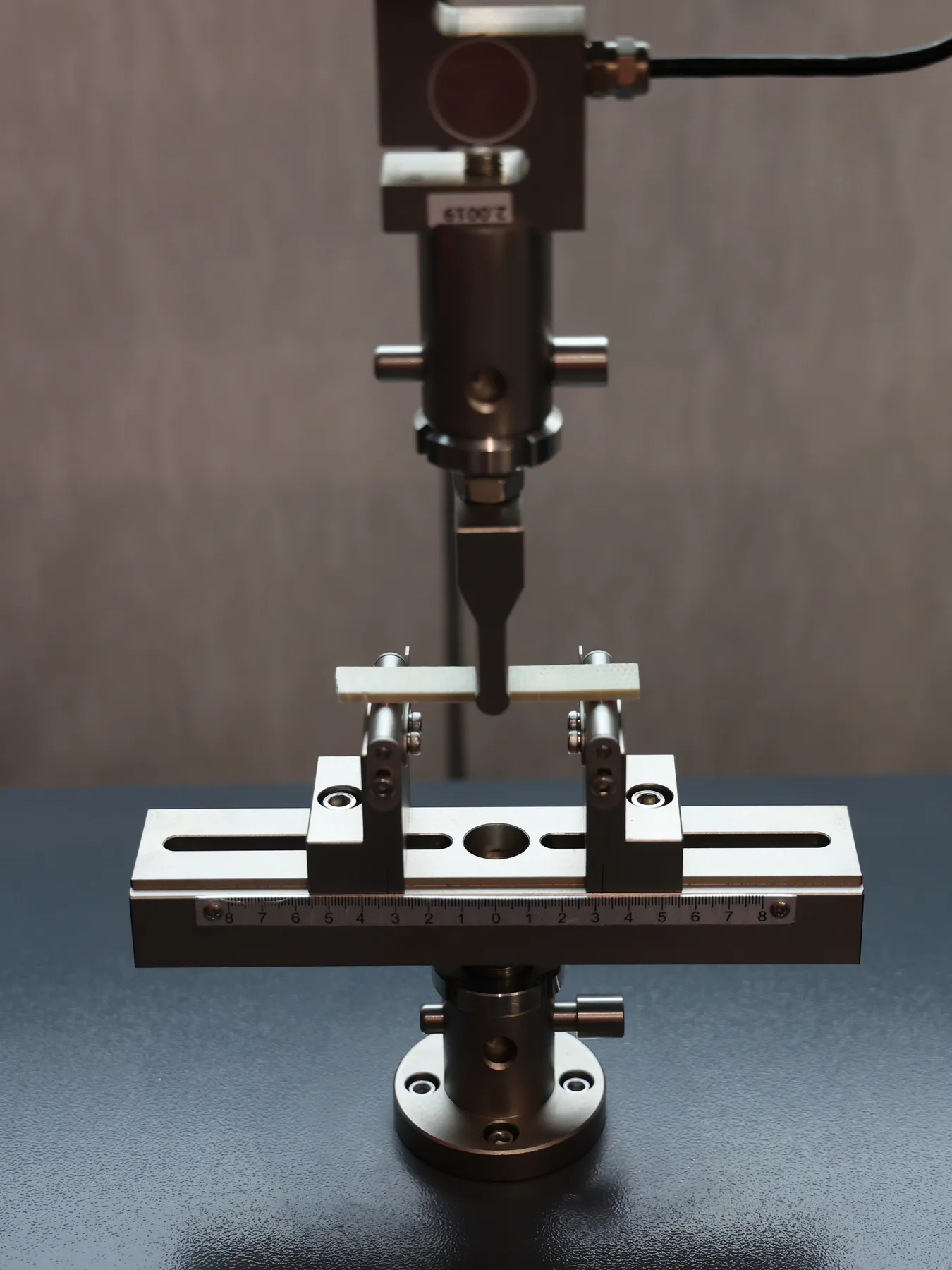
Tensile modulus is the slope of a selected region of the stress and strain curve. A higher modulus indicates less strain for the same small increase in stress in that test region. It is often used to compare how stiff specimens respond in tension, but it is not a strength at break and it does not state how much force a complete panel can carry.
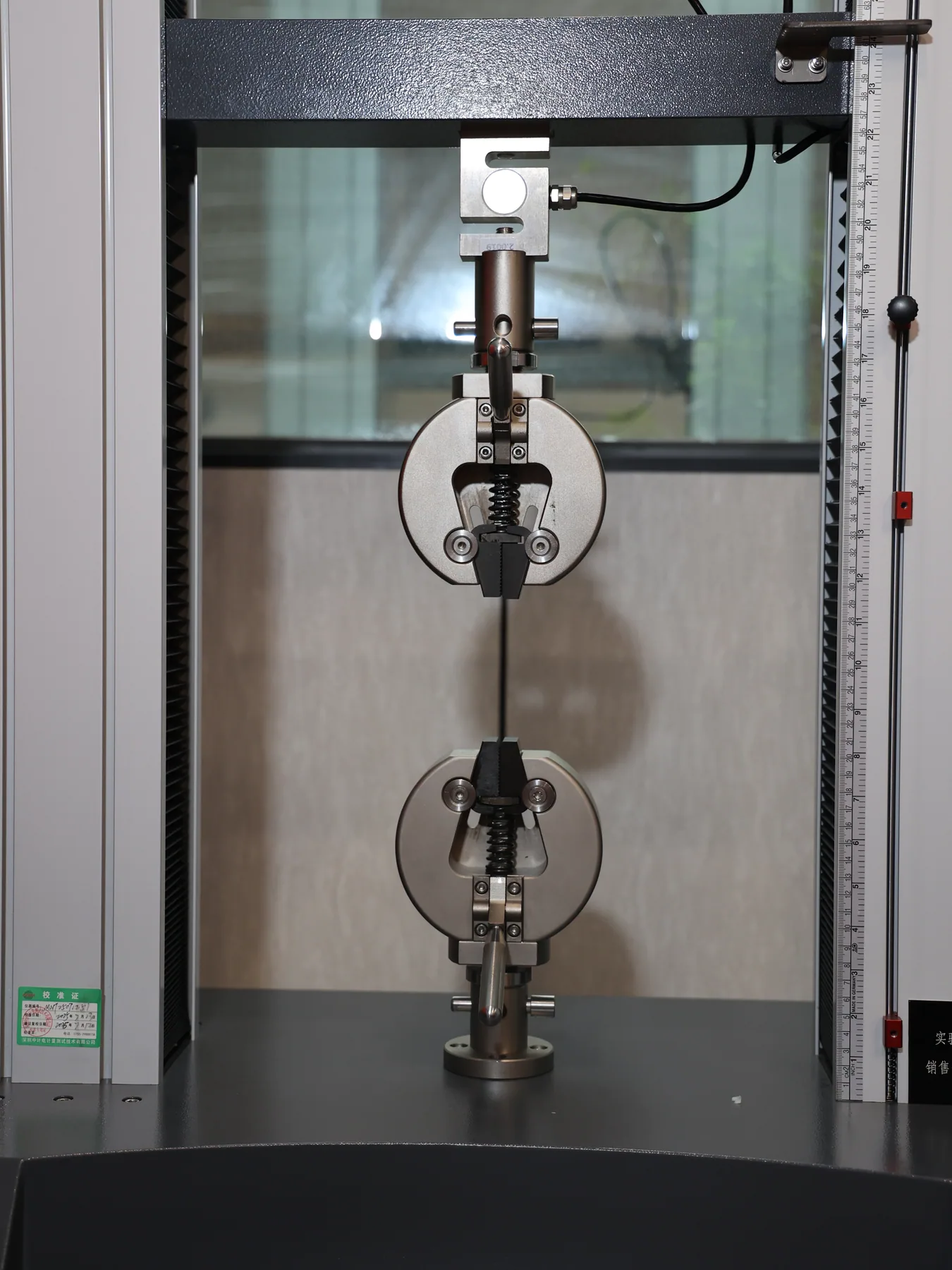
The QEEHUA data sheet identifies ASTM D638-22 as the method for its tested tensile values. That method label should stay with the result, along with the specimen, grade, orientation, rate, and test environment. A modulus value should not be treated as an unchanged constant for every temperature, loading time, or product grade.
For a fabricated part, tensile modulus is only one property to review. A wall that spans between supports bends, and its deflection depends on section shape, thickness, span, support, and load. Long-term loading can also produce creep, which is gradual deformation under sustained stress. A short tensile test cannot replace a panel bending or creep evaluation when those conditions set the design.
Compare matching test records
Compare values only when the test basis is clear. Check whether the test used the same method and specimen geometry, whether the specimens had the same thickness and orientation, and whether temperature, humidity, and pulling speed matched. If a report omits a condition needed for the comparison, ask the supplier to clarify it. If one report uses a different specimen or test method, treat the figures as separate evidence rather than as a direct ranking.
Also separate a resin data sheet from a finished-sheet test report. Resin data often describes a molded test specimen made from pellets. A finished extruded sheet may have a different thickness, processing history, or direction of manufacture. A resin result can explain a material family or a supplier's intended application, but it cannot be copied into a different company's finished-sheet specification.
Record the exact property name, value, unit, method, and report date. If the project requires a minimum, ask whether that limit applies to each production lot and what sampling plan verifies it. If it asks for a design value, have the responsible engineer identify the property and conditions the calculation needs. Do not compare one guaranteed minimum against another supplier's typical result as if the two had the same status.
Read the QEEHUA sample values
For the tested sample, the QEEHUA data sheet reports PP sheet tensile strength and tensile modulus as separate results. Each entry uses ASTM D638-22, and the data sheet does not identify a production-grade code for the tested sample.
| Propriedade | Resultado relatado | Unit | Test method and scope |
|---|---|---|---|
| Resistência à tracção | 30 | MPa | ASTM D638-22; tested sheet sample |
| Módulo de tração | 1,820 | MPa | ASTM D638-22; tested sheet sample |
| Alongamento na ruptura | 37 | % | ASTM D638-22; tested sheet sample |
These three values describe different points or measurements in the same sample's tensile data. They are not limits for every offered grade, color, or thickness. Confirm the exact grade and data sheet for a project before adding a value to a material specification.
Match the data to the part
Start a material review with the equipment part and its job. A tank wall, cover, duct, guard, or machined insert can place different demands on a sheet. LyondellBasell's polypropylene selection guide lists the conversion process, appearance, mechanical function, and any additive need as separate criteria. That is a useful way to organize a request because a tensile number alone does not choose the grade or prove a fabricated assembly.
For a panel, give the drawing, span, support points, openings, welds, service temperature, and load duration. Identify whether the concern is breaking a coupon, limiting panel deflection, carrying a short load, or resisting deformation over time. A design review may need flexural data, creep information, chemical compatibility, or a joint test in addition to tensile strength or modulus.
O Gama de chapas PP QEEHUA is the product starting point for a grade inquiry. The environmental engineering application page gives an equipment context for process panels. Use the PP sheet data-sheet reading guide to separate a test result from a product limit and the material traceability guide to keep the result connected to the offered material and order record.
Send the drawing and the exact property question through the Página de contato QEEHUA. Ask for the report that applies to the quoted grade, thickness, and production condition. If the project has a required test method or acceptance value, include it in the request so the response can identify what is documented and what remains to be tested.
Perguntas frequentes
Is tensile modulus the same as tensile strength?
No. Tensile strength is a stress reported at a stated test point, while tensile modulus is the slope of a selected region of the stress and strain curve.
Does a higher tensile modulus mean a sheet will never bend?
No. Modulus describes a specimen’s tensile response under test conditions. Panel bending also depends on thickness, span, support, section shape, load, and time.
Can I use a resin tensile result as the value for a finished PP sheet?
Only if the supplier provides evidence that connects that resin result to the finished sheet and the required specification. A resin data sheet alone does not establish a different manufacturer’s sheet result.