PP sheet chemical resistance for mixed or alternating solutions must be reviewed against the full exposure history, not one ingredient name. A mixture places several constituents in contact at once; an alternating process exposes the sheet to different media in sequence, sometimes with rinses or carryover between stages. Concentration, temperature, contact time, stress, and the part’s geometry can change what a compatibility entry means. Start with the process sequence and the material surface each stage reaches. Use screening information only for the listed conditions, then ask the project team what additional evidence is needed for the actual mixed duty.
Map the exposure sequence
Write the exposure in the order it occurs. A solution tank, rinse, cleaner, and shutdown hold do not create the same surface history as one stable liquid. Record which face or joint contacts each stage, how long it stays wet, whether a rinse removes carryover, and whether the next solution enters before the surface dries. A process diagram or shift description can show transitions that a chemical list misses.
A PP sheet chemical resistance review should distinguish two cases. In a mixed solution, the relevant medium is the combination in the vessel or at the surface. In an alternating process, the material sees a sequence of separate media. If one stage leaves residue that enters the next, the contact history includes that carryover. Do not treat either case as a simple lookup for a single pure chemical.
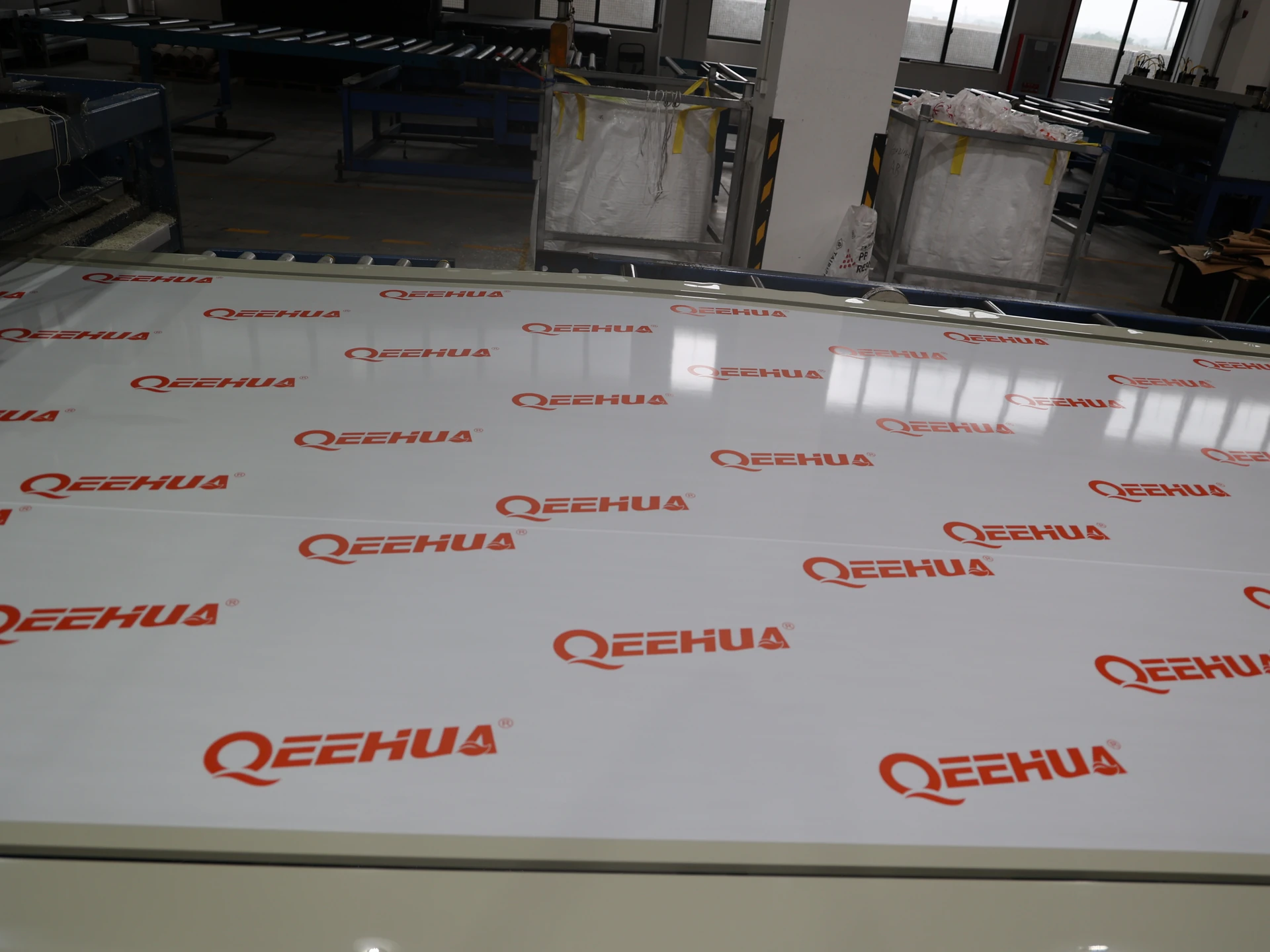
O Gama de chapas PP QEEHUA is the product starting point for a material inquiry. The electroplating application page provides an industry context where baths and rinse stages may form part of an equipment review. Neither page establishes compatibility with a particular process sequence.
Separate mixtures and sequences
A mixture and an alternating sequence need different records. A mixture requires the full composition or the best available formulation data, including any known concentration range. An alternating sequence requires a separate entry for each stage and the transition between stages. Temperature, contact duration, pressure or stress, and cleaning conditions should sit beside the relevant medium rather than in a broad note for the whole plant.
The LyondellBasell technical tip on chemical resistance of polypropylene explains that mixtures can behave differently from their individual components. It also identifies temperature, concentration, and applied stress as variables in chemical exposure. The document is general PP guidance. It does not give a rating for a QEEHUA sheet or a project-specific process mixture.
Do not infer compatibility by combining separate chart symbols or by averaging values from individual ingredients. A documented entry for each component can support an initial screen, but it cannot predict a mixture interaction unless the exact formulation and conditions have been covered. Where composition changes by batch or operating phase, record the allowed range and who controls that change.
Record every process stage
An exposure record makes the sequence reviewable by purchasing, process engineering, the fabricator, and the material supplier. Use the same identifiers as the process diagram, and mark where solution transfer, rinse, drying, or maintenance occurs. The record below uses generic stage names; it does not specify a chemical recipe.
| Stage | What to record | Condition fields | Decision question |
|---|---|---|---|
| Process solution | Mixture identity and available composition or range | Concentration, temperature, contact time, pressure or stress | Does the screening source cover this mixture and range? |
| Transition | Whether a rinse, drain, or direct transfer occurs | Carryover, residual film, elapsed time, exposed face | What remains on the sheet before the next stage? |
| Next solution | Separate medium or blend and its composition data | Concentration, temperature, duration, replenishment | Does a separate stage change the material review? |
| Shutdown or cleaning | Cleaning or idle exposure, if it contacts the sheet | Medium, duration, temperature, cleaning frequency | Is the idle or cleaning duty part of the specified service? |
This table is a process-record template. It contains no QEEHUA test result, hazardous assay recipe, or compatibility conclusion.
The responsible process team should supply the operating sequence and current chemical information. Use the site’s safety data and handling controls for any chemical review. This article does not provide directions for preparing or combining hazardous solutions in a laboratory.
Use screening data carefully
The QEEHUA chemical-resistance table can support a preliminary screen for the chemicals, concentrations, and temperatures it lists. A listed single-medium entry does not establish the performance of a mixed formulation or a sequence with carryover. A table symbol also does not qualify a welded tank, support, or fitting for service. The project still needs to confirm the exact duty and the evidence needed for its risk and acceptance requirements.
For PP sheet chemical resistance, the process sequence remains a separate question even when individual media appear in a screening table.
The existing chemical compatibility review explains how to use a compatibility screen during material selection. The chemical immersion coupon comparison guide covers how to prepare a controlled coupon record. This article addresses a different question: how to describe a changing process exposure before deciding whether a screen, sample test, or assembly review can answer it.
If an exact mixture is not covered, mark the gap. Do not copy a favorable symbol from one ingredient or suggest that a general PP rating applies to the combination. The follow-up may require supplier confirmation, process data, a project-specific test plan, or a fabricator’s review of the part. The chosen path depends on the medium, geometry, stress, and consequences of a failure.
Connect exposure to the part
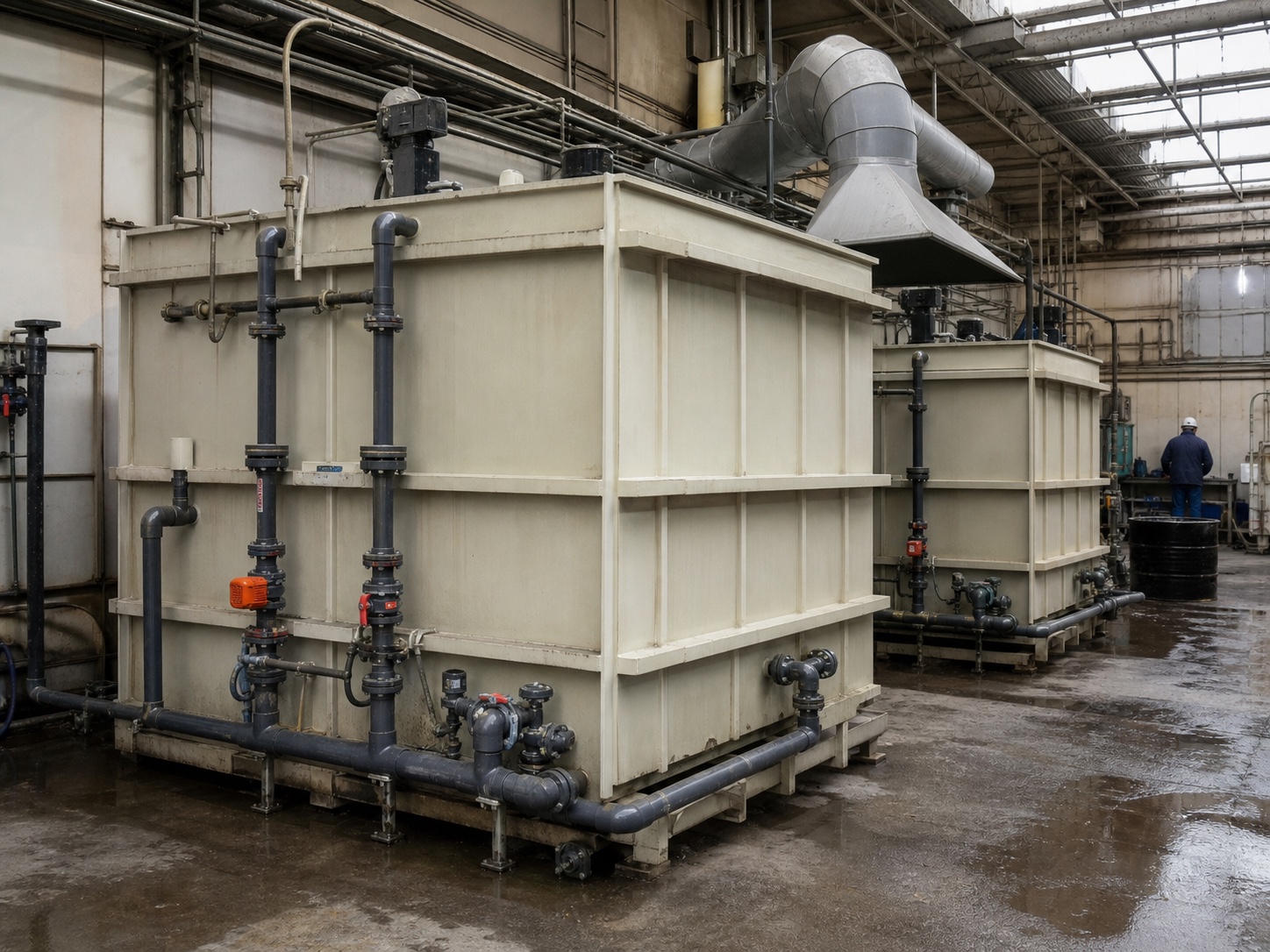
The part determines which surface and joint receive the solution. Identify tank walls, sumps, baffles, covers, penetrations, and welded regions that contact the mixture or carry residue between stages. Include pressure or vacuum, temperature changes, applied load, support, and the location of openings. A coupon or a chart cannot represent every feature of the fabricated equipment.
LyondellBasell cautions that laboratory specimens do not capture all of the geometry and stress conditions in an actual molded part. For sheet equipment, the same point calls for a review of the fabricated assembly and the real process path. A test on a flat coupon may screen material response to one stage; it does not qualify a weld or prove service life in a changing mixture.
Send the drawing, process flow, stated solution stages, and the decision that remains open through the Página de contato QEEHUA. Ask which grade and supporting documents apply to the quoted sheet. Keep the material question and any fabrication or equipment approval separate in the project record.
Perguntas frequentes
Can separate compatibility ratings be combined to predict a mixture?
No. Separate entries do not establish how a combined formulation behaves. Record the actual mixture and its conditions, then confirm whether the available evidence covers it.
How should alternating solutions be described?
List each process stage in order, including rinses, carryover, contact time, concentration, temperature, stress, and any cleaning or shutdown exposure that reaches the sheet.
Does a coupon comparison qualify a complete tank?
No. A coupon answers only the defined material exposure question. The tank’s geometry, welds, supports, pressure, and process sequence need their own project review.
Sources and scope
LyondellBasell’s “Chemical Resistance of Polypropylene” technical tip was read in the sections on solvation and chemical reaction, mixture composition, exposure temperature, concentration, applied stress, and specimen-to-part limits. Its general resistance table is not used to claim QEEHUA compatibility with a particular chemical or mixture. No ASTM or ISO procedure is reproduced here.
This article describes how to record mixed and alternating process exposure. It reports no QEEHUA mixture test, chemical combination, operating limit, or equipment approval. Confirm the actual material, process sequence, and project evidence requirements before selecting a sheet for service.