PP sheet can be considered for bunded chemical storage containers when the stored liquid, concentration, temperature, mechanical loading, weld design, and containment arrangement have been reviewed as one system. The decision is not made from the word “chemical” alone: the primary container and its secondary containment have different duties.
QEEHUA supplies PP sheet and PP welding consumables for chemical and structural applications. For a project enquiry, the useful question is not simply “Can PP be used?”but “Which parts are in contact with the liquid, which parts contain a loss of primary containment, and what operating and acceptance conditions apply?”/p>
1. Define the two containment jobs
A bunded container normally combines a primary vessel or inner storage space with an outer containment zone. The inner element holds the intended process liquid. The outer zone is a backup boundary for a leak, spill, residue, or precipitation where applicable. Treating them as one undifferentiated box can obscure the most important design inputs.
| Element | Question to resolve before material selection |
|---|---|
| Primary container | What liquid contacts it, at what concentration and temperature, and under what filling, emptying, or cleaning conditions? |
| Secondary containment | What release scenario must it contain, how will liquid be detected and removed, and what external exposure is expected? |
| Welded interfaces | Which seams, corners, stiffeners, nozzles, and penetrations require an accessible fabrication and inspection plan? |
| Operating boundary | Where do filling, venting, drainage, sampling, access, and handling occur without bypassing the containment arrangement? |
For the U.S. hazardous-waste container-storage context, 40 CFR 264.175 addresses an impervious base, liquid removal, capacity, run-on, and removal of accumulated material. It is a regulatory example for a defined context, not a universal construction drawing or a substitute for the applicable authority’s requirements.
2. Confirm chemical duty for bunded chemical storage containers
PP is often considered for acid, alkali, and saline solution applications, but a project should still document the exact chemical identity, concentration, temperature, exposure duration, contamination, and mechanical stress. These conditions can affect the suitability of any polymer, welded joint, gasket, fitting, or accessory.
The test conditions used to assess plastics in chemical environments matter. ASTM D543 is a standard test method for evaluating the resistance of plastics to chemical reagents; it reinforces why a generic chemical-resistance statement cannot replace service-specific review.
3. Design the fabrication scope around interfaces
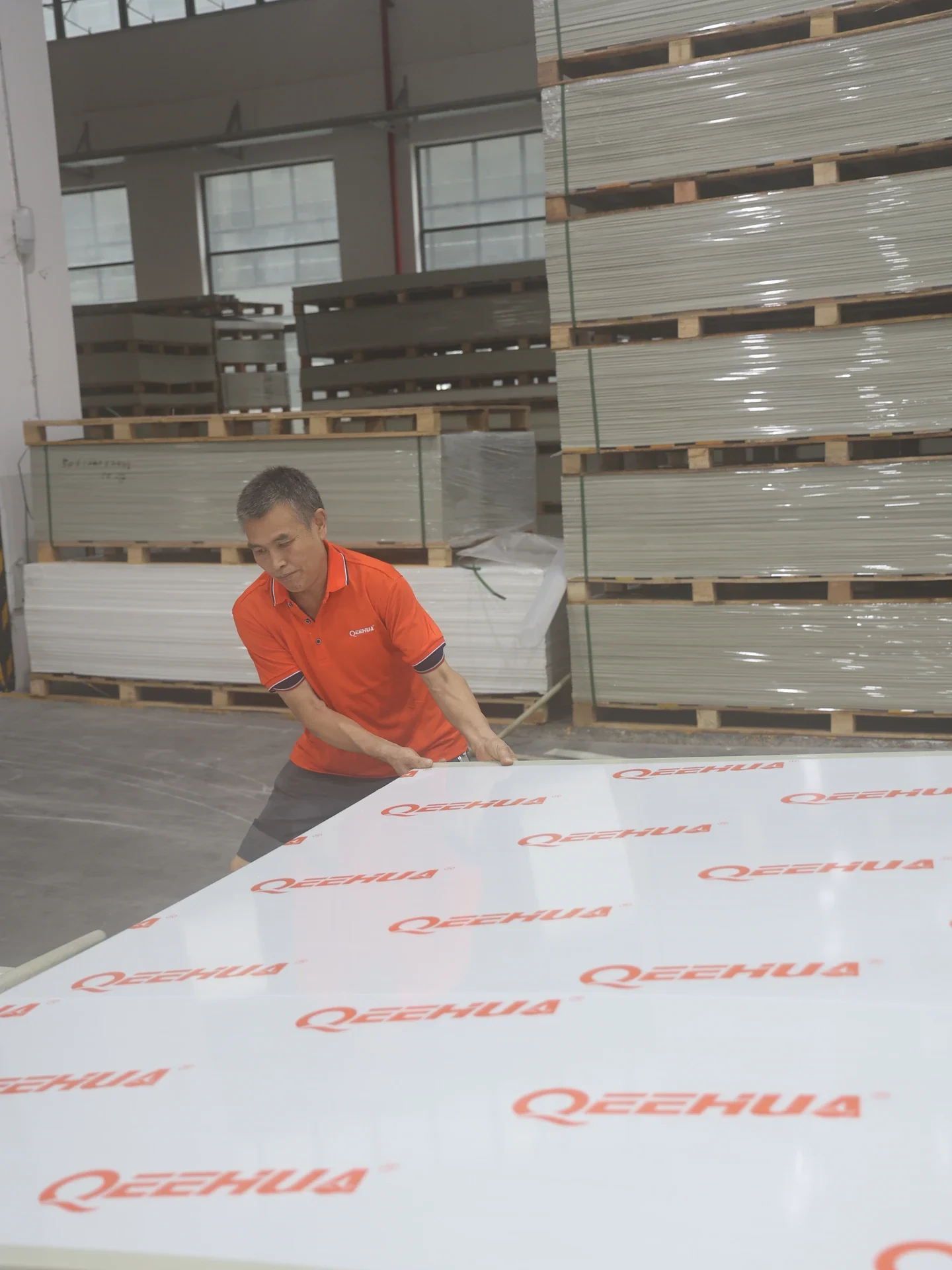
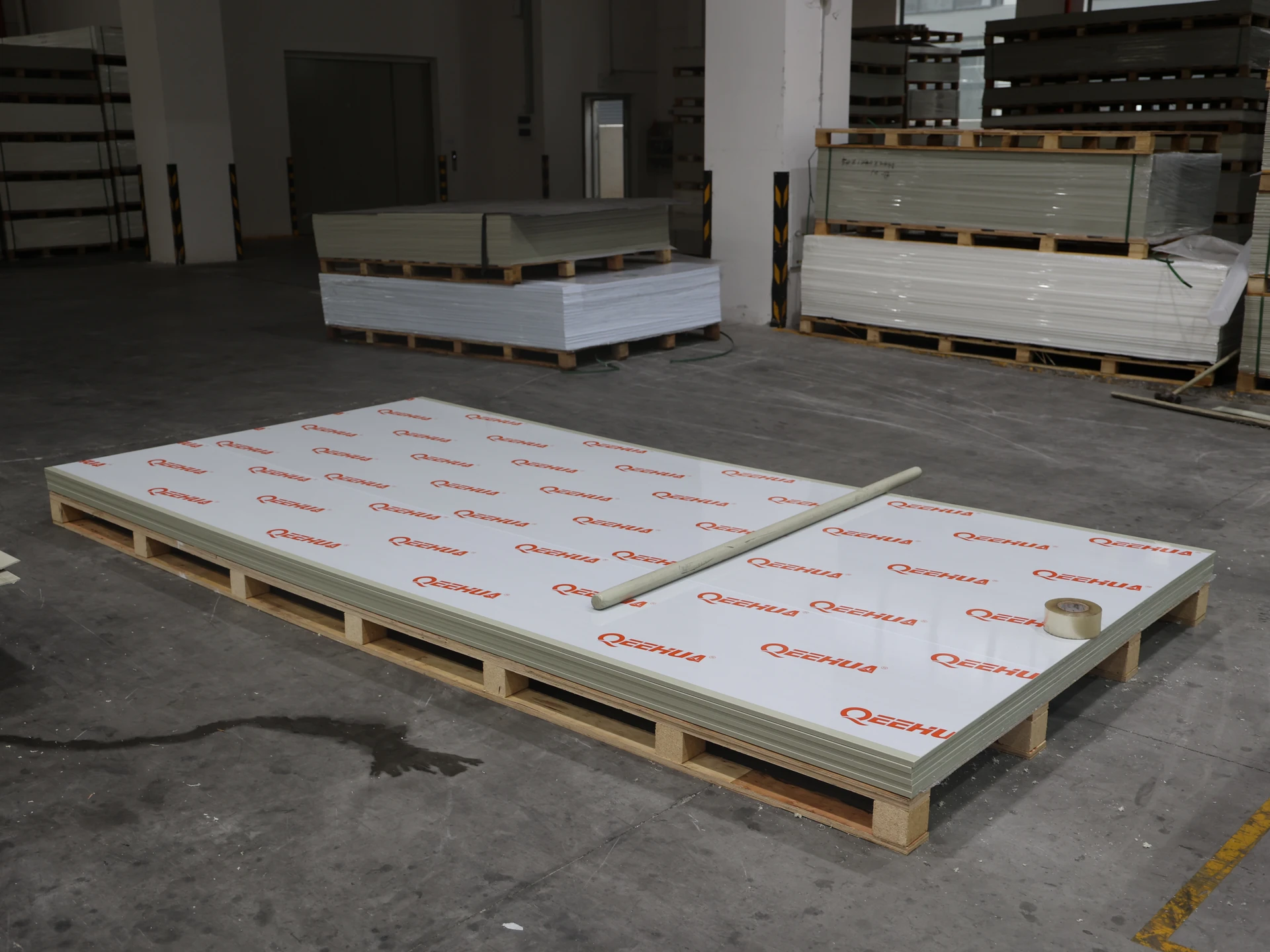
Flat panels are only part of the system. Corners, floor-to-wall transitions, supports, pipe entries, drain connections, access covers, and vent interfaces often determine whether the fabrication scope is practical to inspect and maintain. State which elements are PP sheet, which are separate components, and who confirms the interfaces.
The following PP sheet cutting-process video is relevant to panel preparation before container fabrication. It does not determine chemical compatibility, containment capacity, weld quality, or regulatory compliance.
Referência em vídeo: “PP Sheet Cutting Process: Cutting Motor and Cut Saw | QEEHUA” shows panel-cutting context only; container suitability still requires the documented service, design, and fabrication review.
- Provide an outline drawing with liquid-contact and secondary-containment boundaries marked.
- List each penetration and whether it is fixed, removable, sealed, or part of a drain arrangement.
- Identify where weld access is restricted by reinforcement, lifting features, or installed equipment.
- Define the cleaning, inspection, and liquid-removal approach before the geometry is frozen.
Use o Lista de verificação para solicitação de cotação (RFQ) de tanques PP to organize drawings, service conditions, and acceptance inputs. For a final seam-review plan, the PP welding-joint inspection guide covers the questions that should be agreed before release.
4. Keep portable pallet containment and fixed bunds separate
A bunded storage container is not automatically the same as a drum spill pallet or a repaired concrete bund. A pallet is typically a portable containment product for a defined drum arrangement, while a fixed bund may involve civil interfaces and a larger drainage plan. The existing spill containment pallet buyer checklist is useful for drum applications, and the PP sheet chemical tanks selection guide provides a material-selection baseline for fabricated containment equipment.
5. Prepare a project-ready request
For an initial QEEHUA review, provide the chemical service list, maximum and minimum temperatures, expected fill level, layout drawing, external exposure, handling method, access requirements, and proposed inspection criteria. If any information is unknown, mark it as open rather than assuming PP sheet suitability.
For broader product context, see Folhas de PP QEEHUA. This article owns the narrower bunded chemical storage containers decision path.
Perguntas frequentes
Can PP sheet hold chemicals in a storage container?
PP sheet may be considered when the actual liquid, concentration, temperature, duration of exposure, mechanical loading, and fabricated interfaces are reviewed. A generic chemical-resistance statement is not enough to confirm suitability for a specific container.
What is the difference between a primary container and a bund?
The primary container holds the intended liquid in normal service. A bund or secondary-containment area is a backup boundary intended to retain a release, spill, residue, or applicable precipitation. Each has separate design and operating inputs.
Does a PP sheet container meet every secondary-containment rule?
No. Regulatory duties depend on the jurisdiction, facility status, material, and application. For example, 40 CFR 264.175 applies to a defined U.S. hazardous-waste container-storage context. Confirm the authority and project requirements that govern your facility.
What should a PP bunded-container RFQ include?
Include the chemical service data, temperatures, layout drawing, fill and handling method, containment basis, all penetrations and drainage details, external exposure, welding and inspection expectations, and the required acceptance documentation.
Need a bunded chemical storage containers material and fabrication review?
Send the chemical service data, layout, interface list, and containment basis. QEEHUA can help structure the PP sheet and fabrication information required for a project enquiry.