A PP sheet material takeoff for a fabricated chemical tank should list the controlled drawing revision, each panel or cut part, specified material type, weld consumables, interfaces, allowances, and open assumptions. It is a quotation-control document, not a final tank design, thickness calculation, or approval of suitability for chemical service.
Use the takeoff as a controlled quotation record
A material takeoff is most useful when it makes the drawing review repeatable. Instead of asking a supplier to infer the complete tank from a broad description, the purchaser identifies what is known, what is included in the quote, and what remains open. That reduces the risk that a panel, flange, support interface, cover, or welding item is assumed by one party and excluded by another.
Start with the current general arrangement, fabrication drawings, nozzles or connection schedule, and any purchaser requirements. The takeoff should use the same document references and revision identifiers. For a broader project request, pair it with the Lista de verificação para solicitação de cotação (RFQ) de tanques PP; the RFQ defines the commercial and technical request, while the takeoff makes the proposed material scope traceable.
Do not turn an estimate into a design approval
A list of panels and quantities does not confirm wall thickness, tank stiffness, support design, chemical compatibility, temperature limit, weld design, pressure or vacuum capability, or site compliance. These need project-specific engineering and service information. QEEHUA can review a requested PP sheet and fabrication scope when those inputs are supplied, but the controlled takeoff should preserve any unresolved assumptions instead of hiding them inside a single total quantity.
PP Sheet Material Takeoff: fields to include
| Takeoff field | What to record | Quotation control purpose |
|---|---|---|
| Document control | Drawing title, number, revision, issue date, and the person or team that supplied it. | Keeps the quantity list tied to one identifiable project basis. |
| Item reference | Unique part mark, assembly name, or drawing callout for every shell panel, base, cover, stiffener, divider, or other listed part. | Lets both sides discuss a specific component without relying on a vague description. |
| Material description | Requested PP sheet grade or specified material reference, nominal dimensions from the drawing, colour or surface requirement if stated, and unit of measure. | Separates the requested material from unverified substitutions or assumptions. |
| Cut-part quantity | Finished-part quantity, cut dimensions where supplied, machining or slot details, and whether nesting or raw-stock assumptions are included. | Makes the relationship between finished parts and raw-sheet planning reviewable. |
| Fabrication consumables | Specified PP welding rod or other agreed consumable, joint reference, quantity basis, and whether the amount is preliminary. | Prevents consumables from disappearing into an unspecified allowance. |
| Interfaces and bought-out items | Nozzles, flanges, fittings, instruments, supports, gaskets, fasteners, or other items; identify whether they are supplied, excluded, or provided by another party. | Clarifies scope boundaries before the quotation is compared. |
| Assumptions and open items | Missing drawings, unknown service data, field measurements, testing requirements, packing requirements, and acceptance records still needed. | Turns uncertainties into visible actions instead of hidden quotation risk. |
Separate finished parts, raw stock, and allowances
Keep three levels distinct. First, list the finished components that appear on the drawing. Second, list the raw PP sheet basis used to make those components only when the quotation is expected to cover it. Third, show any cutting, nesting, trimming, trial-fabrication, or contingency allowance separately and label the reason. Combining these levels in one unexplained total makes later changes difficult to review.
For the PP material itself, preserve the public data-sheet reference and the project-specific selection decision separately. The PP sheet data-sheet fabrication guide helps the purchaser identify the information that belongs in a material review. It does not replace a tank calculation or a compatibility assessment for the actual process stream.
Include fabrication and documentation items before comparing quotes
A takeoff should not stop at large panels. Ask whether the requested scope includes cut parts, formed or machined details, welding consumables, preassembly, marking, inspection records, photographs, packaging, and delivery interfaces. If a supplied drawing shows flanges, fittings, supports, or instruments, identify their source and responsibility even when their quantities are not yet final.
Where a project needs material submittals, include the requested data sheets, material identification, drawing revision, and approval path in the takeoff or its attached register. The Lista de verificação para envio de chapas de PP para projetos EPC provides a related documentation path. For polymer-density testing terminology, see ASTM D792; it is not a tank-design method or a substitute for QEEHUA product confirmation.
This QEEHUA video shows a general material-feeding stage in PP sheet manufacturing. It is included as production context only; it does not validate a particular bill of materials, tank design, panel quantity, or fabrication acceptance requirement.
Referência em vídeo: Fabricação de chapas de PP: Misturador industrial de funil para alimentação de materiais | QEEHUA. The video provides a limited manufacturing-context reference and does not determine a project material takeoff or chemical-tank suitability.
Review the open-item list before release
Before a quotation is released or compared, check that every item has a drawing reference, a unit, a quantity basis, and a scope status. Then review the open-item list with the project team: service conditions, final dimensions, design responsibility, connection details, testing, documentation, packing, and installation scope are common reasons to pause rather than assume.
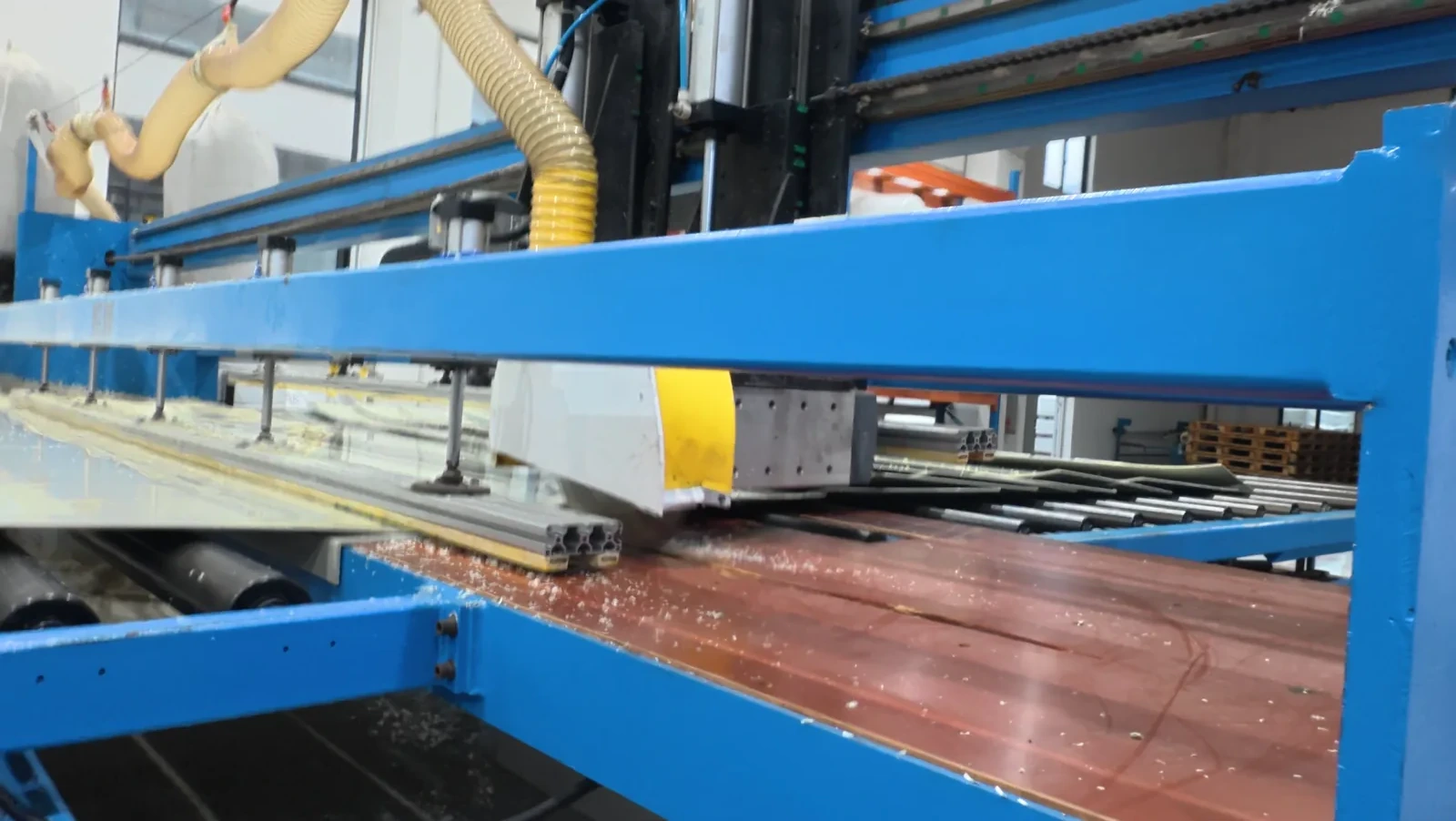
For an initial PP tank material takeoff, provide the latest drawings, part list, required material references, fabricated and bought-out scope boundaries, expected documents, and every assumption that needs confirmation. QEEHUA can then review the requested PP sheet and fabrication scope more efficiently without presenting an incomplete list as an engineering approval.
Perguntas frequentes
Is a PP sheet material takeoff the same as a tank design calculation?
No. A material takeoff lists the requested components and quantity basis for quotation control. A tank design calculation evaluates engineering requirements such as loads, geometry, supports, joints, and service conditions. Keep those responsibilities and documents separate.
Should the takeoff include a cutting or nesting allowance?
Include it only when the quotation requires it, and show it separately from the finished-part quantity. State the assumption, unit, and reason so the purchaser can compare it with other quotations and revise it if the drawings change.
How should PP welding rod be shown in a tank material takeoff?
List the specified welding consumable, its quantity basis, related joint or drawing reference, and whether the amount is preliminary. The takeoff should not imply that a generic consumable quantity confirms weld design or final acceptance.
What information is still needed if the drawing is incomplete?
Flag the missing dimensions, process-duty data, interfaces, supports, testing requirements, documents, and installation responsibilities as open items. Do not replace missing information with an unsupported material, quantity, or fabrication assumption.
Need a PP sheet material takeoff reviewed against your tank drawings?
Send the latest drawing package, part list, process inputs, scope boundaries, and required documents so QEEHUA can review the requested PP sheet and fabrication scope.