PP sheet for wet scrubbers is assessed against the actual project duty. Wet scrubber selection should start with the actual equipment duty and drawing. A wet scrubber should be described through its gas stream, scrubbing liquid, condensate, cleaner, temperature, pressure or vacuum, and vessel drawing. Condensate can collect at seams and low points, while a fan condition can alter the mechanical duty. PP sheet can be discussed when the actual conditions are confirmed. The material request needs the chemical, temperature, geometry, support, joint, and inspection information that applies to the finished assembly. QEEHUA internal data can support a first material discussion, but it should not be expanded into a grade-wide promise, an equipment design calculation, or an approval for unlisted conditions. Send the project information with the sample request so the proposed sheet, rod, or profile can be reviewed against the real use before material is released.
Project duty
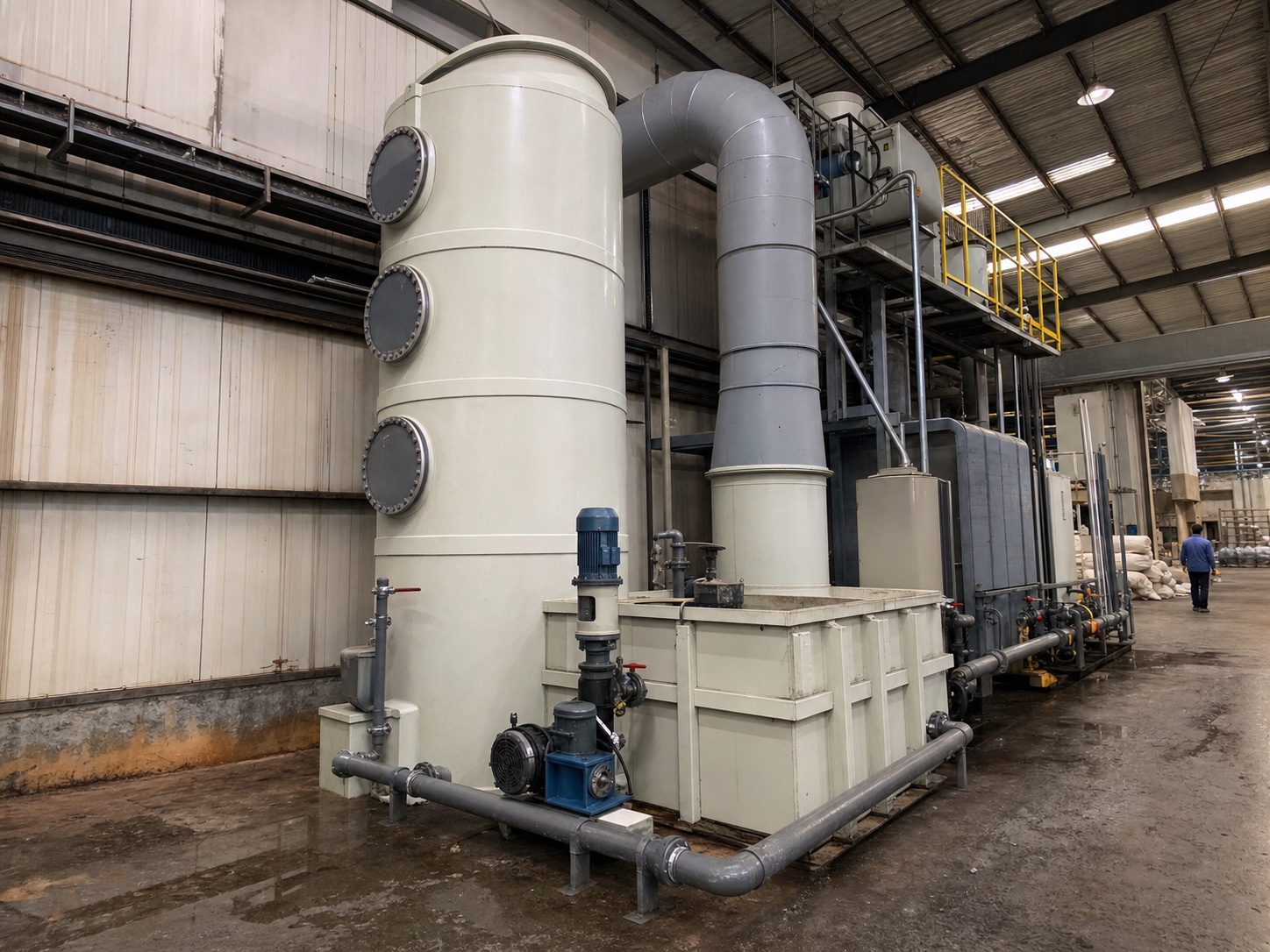
A wet scrubber should be described through its gas stream, scrubbing liquid, condensate, cleaner, temperature, pressure or vacuum, and vessel drawing. Condensate can collect at seams and low points, while a fan condition can alter the mechanical duty. PP sheet can be discussed when the actual conditions are confirmed.
Use o QEEHUA industry applications page as context for the equipment category. The final decision needs the stated project information and should not rely on a generic application label.
A wet scrubber has two duties that must be recorded together. The gas side defines temperature, condensate, flow path, access doors, and fan-related pressure or vacuum. The liquid side defines the scrubbing liquor, make-up water, recirculation, drain, cleaning fluid, and the zones where liquid can remain after shutdown.
Do not describe the whole vessel with one process label. A sump, spray section, inlet transition, mist-eliminator support, drain leg, and duct connection can have different liquid collection and support details. The drawing should show those interfaces so that the material review is tied to the equipment that will be fabricated.
Material role
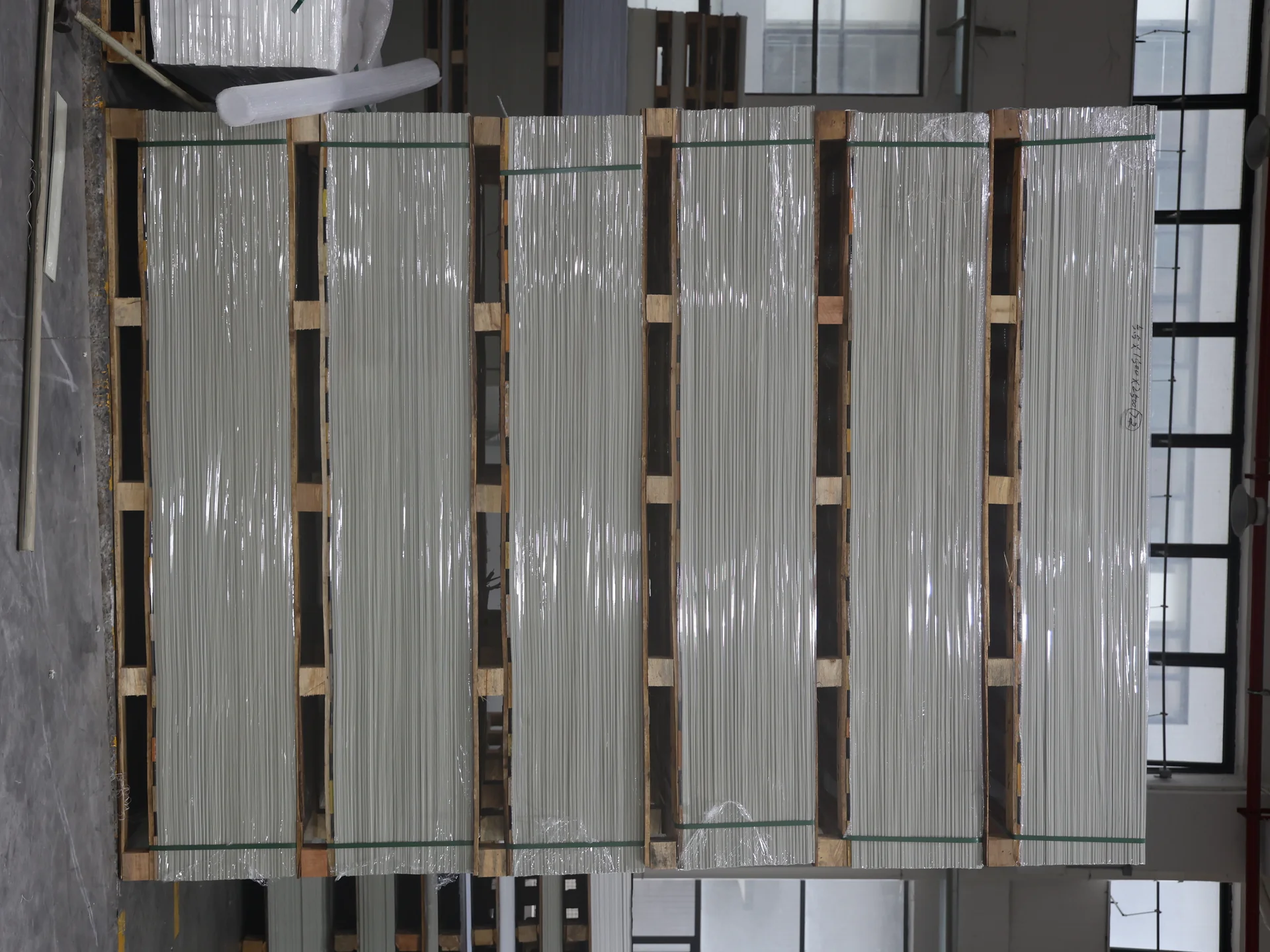
The Gama de chapas PP QEEHUA is the base product reference. The selection question is whether the proposed material, construction detail, and service conditions work together. A panel, a welded joint, a profile, and a support interface can have different demands in the same equipment.
Separate the initial material screen from the equipment approval. This keeps a useful data-sheet discussion from being mistaken for a design calculation or a production commitment.
Conditions to confirm
Service conditions
State every relevant medium, concentration, normal and maximum temperature, exposure duration, cleaning condition, and upset condition. If the project includes no chemical contact, state the installation environment and operating temperature instead. Do not infer performance from a similar chemical or a broad process name. The same condition-based approach is reflected in ASTM D543.
Geometry and support
Record panel spans, liquid height or process load, positive or negative pressure where relevant, supports, penetrations, reinforcement, welding access, and inspection points. These details determine what the fabricator and project engineer need to review.
The service sheet should distinguish normal operation from washdown, cleaning, start-up, and shutdown. Condensate at a low point can be a different condition from the recirculating liquid in the main section. Record its source, expected temperature, and any chemical carryover. If the process owner cannot identify a liquid, leave the item open for project confirmation.
For the mechanical review, state whether the fan can create positive pressure or vacuum and where the vessel is supported. Large flat areas, access openings, transitions, and stiffener locations should be visible on the drawing. A data-sheet tensile value is not a substitute for the vessel design basis or a check of a fabricated seam.
Relevant data
The following table keeps the reported data or required project inputs with the condition that gives them meaning. It is not a substitute for the equipment design basis.
| Project data | Reported value or input | Material or condition | Method or check |
|---|---|---|---|
| Densidade | 912 kg/m³ | Tested PP sheet sample | ASTM D792-20 |
| Resistência à tracção | 30 MPa | Tested PP sheet sample | ASTM D638-22 |
| Flexural test result | 1.870 MPa | Tested PP sheet sample | ASTM D790-25 |
| Deflection temperature under load | 137.0 °C | Tested PP sheet sample | ASTM D648-18 |
Scope of the data: The reported values are for a tested PP sheet sample. They are not design allowables or universal grade claims. Confirm the material, service conditions, geometry, support, and joints for the project.
The purchase request should name the scrubber component as well as the material. A request for a vessel shell, sump, transition, internal baffle, or access cover gives the reviewer a clear starting point. Add the gas and liquid duty beside that component. The result is a short project record that procurement can use without losing the information the fabricator and engineer need for the technical check.
Fabrication checks
Define the cut edges, joint type, sequence, access, process equipment, and inspection requirement before issuing the production request. When a thermoplastic welded detail is involved, include the matching PP welding rod request. When a channel or reinforcement feature is involved, include the PP U-shaped slot section drawing and mating dimensions.
Joint quality and finished-equipment performance depend on the assembly process. The safest specification is the one that makes the drawing, service duty, material, and inspection condition visible to the same review.
Plan the fabrication around the gas and liquid interfaces. Identify the seam sequence, drain slope or low-point detail, spray-pipe supports, access-door frame, duct connection, and any internal support that must be fitted before the vessel closes. The inspection plan should identify what is examined after welding and what is checked after the equipment is assembled.
Exemplo de solicitação
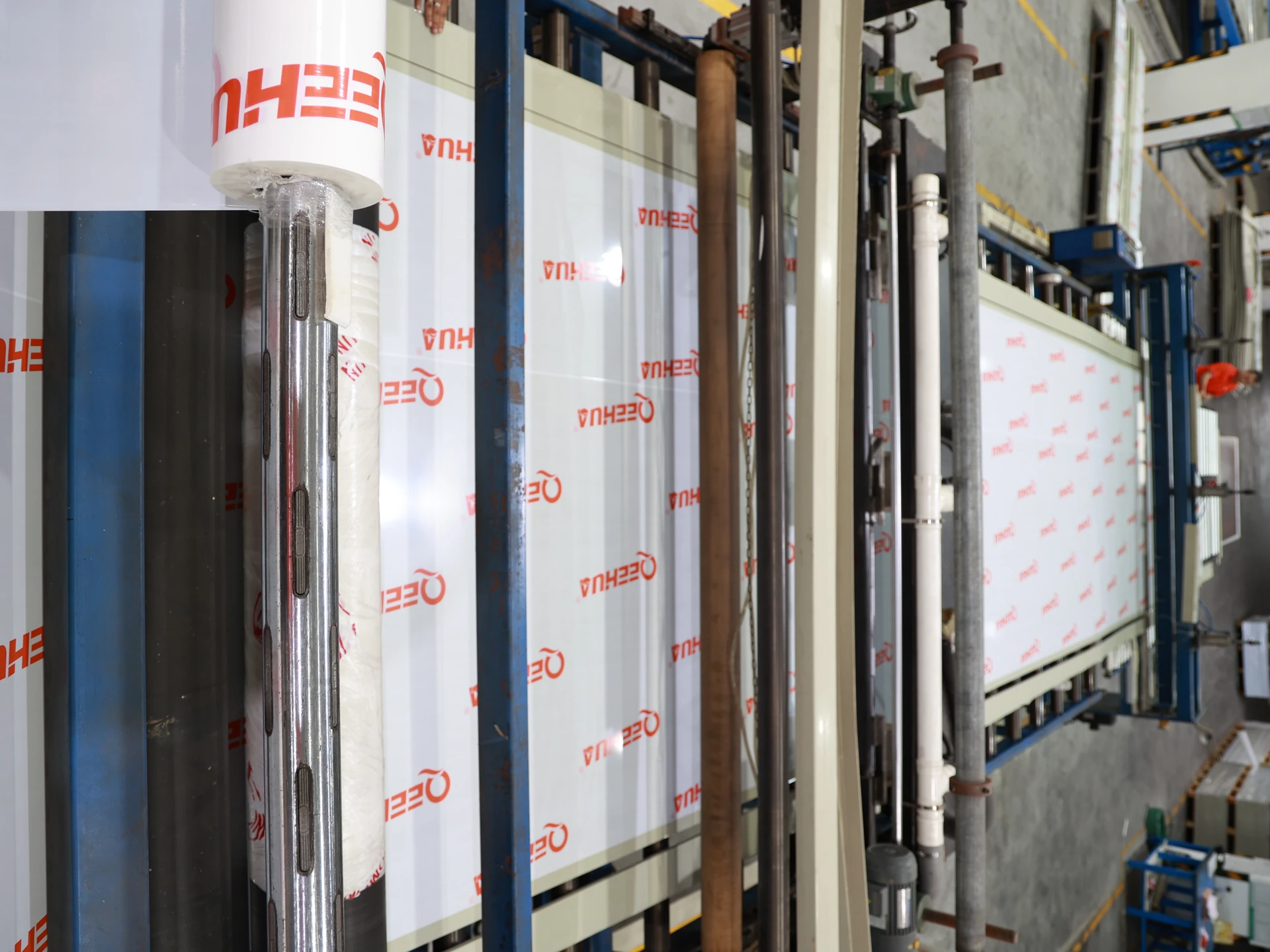
Send the drawing, equipment use, chemical and temperature information where relevant, requested dimensions, fabrication route, sample purpose, and any test or approval requirement. Request a project sample or submit the equipment information. An open point should be marked as open, not replaced with an assumed typical condition.
For a related selection example, see the QEEHUA PP sheet guide for chemical tanks. It explains why the product data and the project duty must be read together.
A sheet coupon is useful when the buyer needs to review the material surface or machining. When the concern is an inlet transition, a welded flange, or an internal support, ask for a detail sample based on that feature. Include the relevant drawing view and the acceptance question with the request.
Perguntas frequentes
What information is needed for a wet scrubber review?
Provide the equipment drawing, service conditions, dimensions, fabrication route, quantity, and any inspection or approval requirement.
Can a single data-sheet value approve the full assembly?
No. Material test results are inputs to a project review. The final assembly also depends on geometry, loads, supports, joints, service conditions, and the design basis.
Why should the drawing be sent with the material request?
The drawing shows spans, penetrations, supports, joint access, and interfaces that cannot be determined from a material name or panel size alone.
What should be included with a sample request?
Send the project duty, drawing, requested material or detail, fabrication plan, sample purpose, and acceptance requirement so the sample can be discussed against the real use.