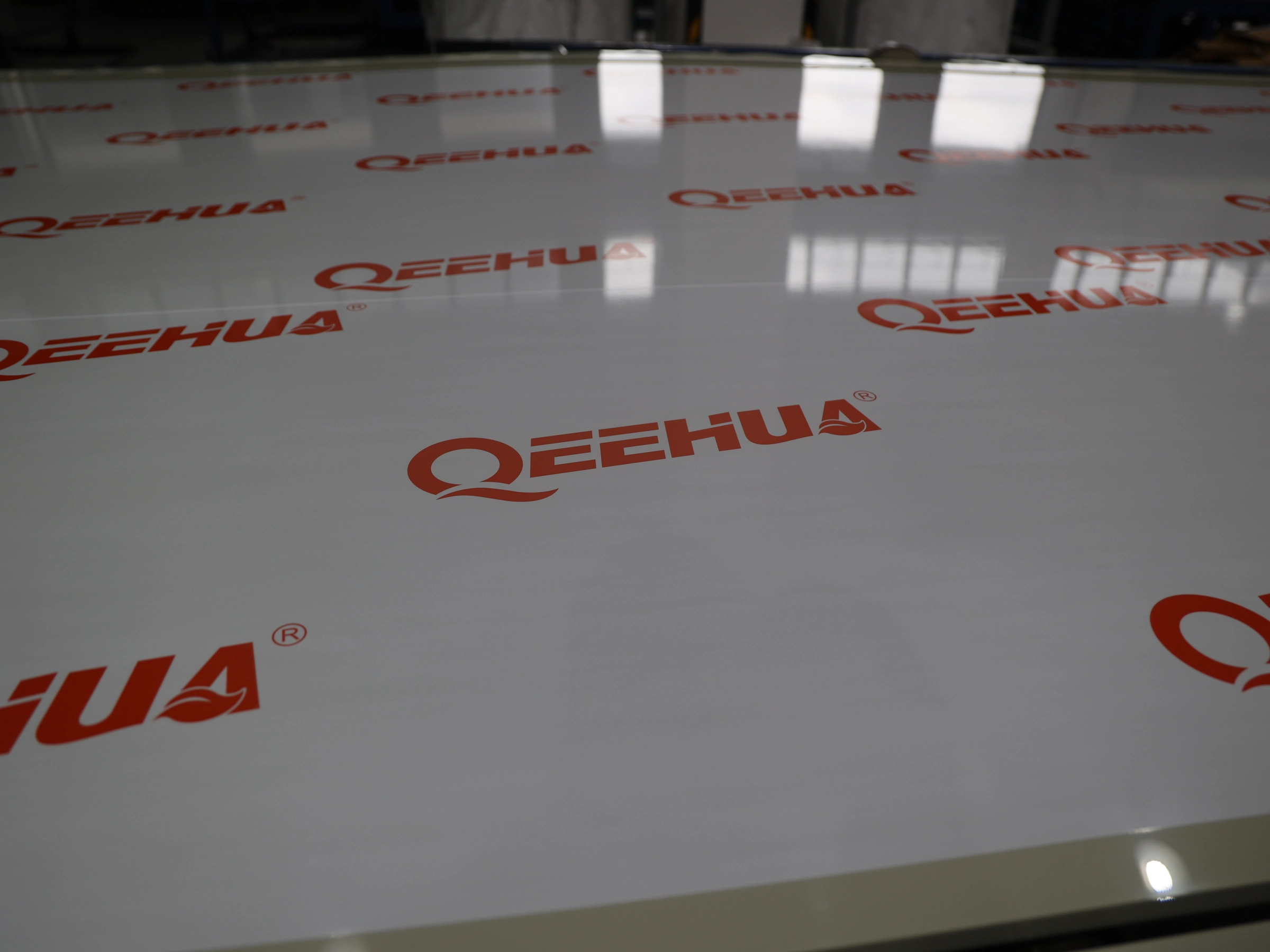
To match a white PP sheet across a fabricated assembly, approve a physical reference at the required thickness and surface finish, then compare production samples under the same light. Mark the viewing face, film state, and panel orientation. Include a trial welded seam if the joint will remain visible. A color name or phone image does not set a usable acceptance limit. Historical QEEHUA descriptions include porcelain-white and milk-white, but those names do not confirm current availability or a batch tolerance. Send the drawing, reference sample, finish request, lot size, and seam details for confirmation before release.
White PP sheet appearance
The word white describes an appearance range, not one exact shade. A part may look warmer, cooler, brighter, or duller depending on its material, thickness, surface, and viewing light. Historical QEEHUA descriptions include porcelain-white and milk-white. Those names do not define a measured color range or prove that either shade can be supplied for a current order.
Write down which parts must match. A cover and an inner tank wall may not share a viewing condition. A front panel may be checked face-on, while an exposed cut edge is seen from the side. Decide whether acceptance applies to the sheet face, the cut edge, the welded seam, or the assembled part. The sample and purchase record should use the same scope.
O QEEHUA PP sheet page is a product inquiry starting point. Ask QEEHUA to confirm the current sheet, color, dimensions, and order scope. A page label or broad color name should not replace a physical approval sample.
White appearance also sits apart from product function. It does not establish food-contact suitability, clean-room compliance, UV stability, chemical resistance, or any other functional grade. State those requirements separately and request the matching documents before a project treats them as approved.
Compare like surfaces
Compare samples that represent the proposed sheet thickness, face, and surface finish. A smooth sample and a textured one can reflect light differently even when their base colors are close. If the sheet is transparent or translucent, thickness can also change the amount of light passing through it. LyondellBasell’s polypropylene material-selection guide treats appearance as one selection input and describes grade-dependent clarity. Its resin guidance is background only; it does not set a QEEHUA finished-sheet shade or tolerance.
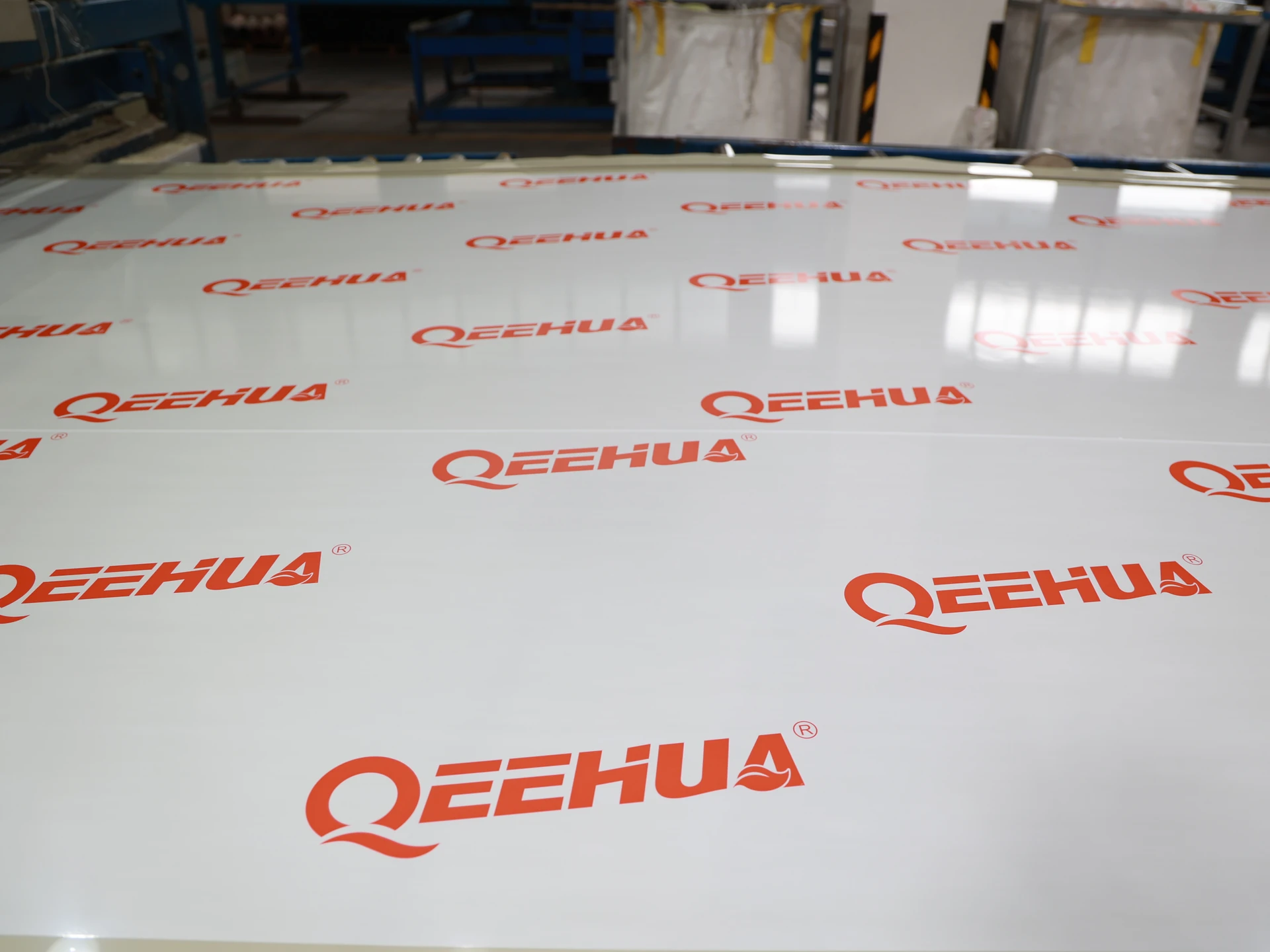
Set a repeatable viewing arrangement before judging a lot. Place the master sample beside the production sample, align the same face and direction, and use the light source agreed by the buyer and supplier. Keep strong window light, colored walls, and screen images from becoming accidental acceptance tools. If the part will be seen under more than one important light, state which conditions matter and review both samples under those conditions.
SABIC’s color-match request guide asks users to identify the product grade, surface, light source, and opacity needs, and to provide a physical color target. It also says that shape, texture, and the target material affect visual and numerical assessment. The guide shows the details to include in a color request and does not define QEEHUA shade availability or tolerance.
Approve a physical reference
A physical reference gives purchasing and fabrication teams the same object to inspect. A paper color chip or digital reference can help describe the aim, but it may not reproduce the appearance of a finished PP panel at its intended thickness and surface. SABIC’s guide specifically notes that the target should account for the product and sample material; where a numerical comparison is requested, the measuring setup and tolerance need to be stated.
Choose who keeps the approved master and how production pieces will be compared with it. Give the sample an identifier, approval date, sheet grade or product description, thickness, surface, and viewing-face mark. If a supplier proposes a substitute material or surface, review a new sample instead of assuming the old approval carries over.
For a lab cabinet or enclosure project, the lab clean-room application page provides an industry navigation point. Its page wording does not approve a particular sheet grade, finish, cleanliness level, or shade for your project. Use the drawing and project acceptance record to define those requirements. The PP sheet sample request guide explains which project inputs help a sample review stay tied to the intended equipment.
If a colorimeter or spectrophotometer will be used, agree on the measurement geometry, instrument setup, sample thickness, measurement locations, and acceptance range before production. A number without those conditions can be hard to compare. A visual review and an instrument reading may answer different questions, so the buyer should state which one controls acceptance.
Mark face and film state
Mark which face will be visible on the finished part and keep the same orientation during comparison. If a sheet has a directional surface, turn and compare it in the same direction each time. The drawing can label the viewing face and show how panels are oriented in the assembled unit. This makes the inspected face clear to production and quality staff.
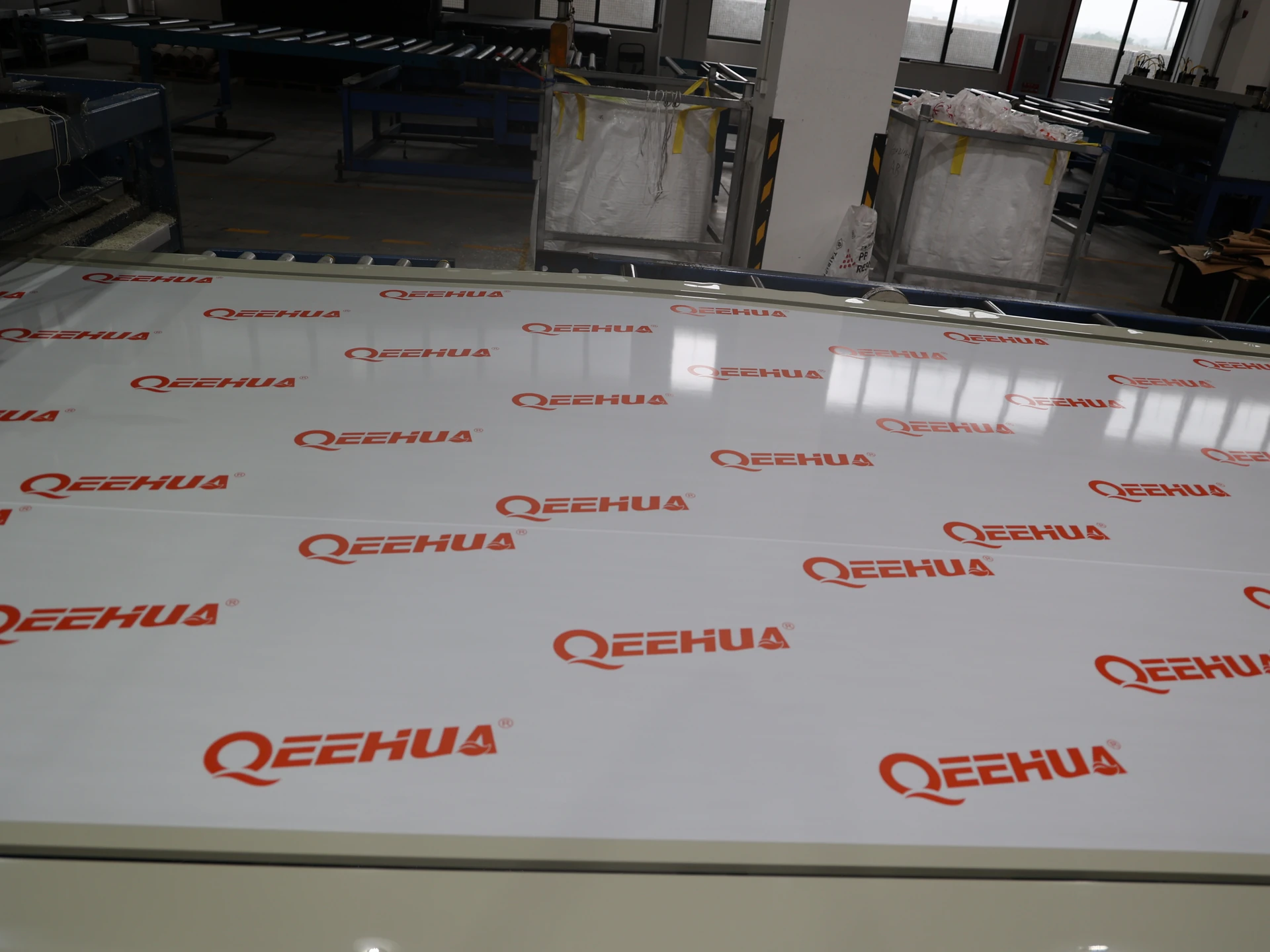
If a sample has protective film, compare all pieces with film in the same condition or remove it from every sample before judging the surface. The film can add reflections, printed markings, or handling differences that hide the underlying surface. Record whether the approved appearance applies before or after removal. Do not let one sample with film represent a bare sheet while another is judged through film.
Inspect clean, dry surfaces without changing them by polishing, sanding, or wiping with an unapproved cleaner. If the project has a cleaning step before inspection, define it and apply it consistently. Note visible marks, scratches, or surface texture separately from shade. A buyer may accept a color match while rejecting a face defect, so the inspection record should not collapse both decisions into one word.
Review the welded seam
Review a trial seam when the joint will remain visible. A color sample of the sheet alone cannot predict the final seam appearance because the welding rod, joint shape, heat history, operator method, and cooling can affect how the finished area looks. Ask for the proposed rod to be identified with the sheet sample and request a welded coupon made by the intended process.
Check the trial seam beside the approved sheet sample after the piece has cooled and reached the inspection state defined by the project. Look at both the bead and the heat-affected area. If the visible joint must match closely, make its shade and appearance part of the acceptance decision. If the project prioritizes material compatibility or joint performance, record that separately from color.
Do not assume that a pale-looking rod has the right material grade or will create a matching seam. Confirm the rod identity, profile, and material relationship with the sheet supplier. The PP welding rod selection guide covers the information a buyer can send about a joint and fabrication process. A matching appearance is not proof of a sound weld, and a sound weld result does not automatically mean the seam passes a visual color requirement.
Record each production lot
Use the approved sample and a written acceptance record to compare a production lot. The record should let another person identify the reference, reproduce the viewing condition, and trace the inspected sheet and welded sample to the order. A short phone photograph may help with a visual log, but it should not replace the physical master because exposure and display settings can change image appearance.
| Comparison item | What to record | Unit or basis | How to compare | Sample scope |
|---|---|---|---|---|
| Shade reference | Master sample ID and approved date | Project reference | Side-by-side under agreed light | Same sheet type and thickness |
| Surface | Finish, face mark, and film state | Finish description | Same face and viewing direction | Same sheet surface |
| Visible seam | Sheet ID, rod ID, and trial joint | Product or sample ID | Inspect cooled trial seam beside master | Intended sheet and rod |
| Batch decision | Acceptance range and result | Buyer-defined criterion | Record accepted, held, or rejected | Identified production lot |
The table records comparison inputs without setting a QEEHUA color tolerance or confirming current shade options. The buyer and supplier should agree on the reference sample, method, and decision criteria before release.
Send the supplier the part drawing, required shade description, sample ID, sheet thickness, surface, face direction, quantity, intended light, and whether the welded seam will be visible. The Página de contato QEEHUA can receive the project inquiry. Ask for written confirmation of current options and the exact sample that will be used for approval.
Perguntas frequentes
Can I approve a white PP sheet from a phone photo?
A phone photo can support a record, but it should not be the only color-approval reference. Compare physical samples with the same thickness, face, surface, film state, and viewing light.
Are porcelain-white and milk-white current QEEHUA options?
Those names appear in historical QEEHUA color descriptions. Ask QEEHUA to confirm current availability, the exact sheet, and the sample used for your order.
Does a white surface prove food-contact or clean-room suitability?
No. Appearance does not establish a functional grade or regulatory approval. Request the records that match the exact product and intended use.