For a PP sheet price comparison, two quotes are comparable only when the grade, dimensions, quantity, processing, inspection, packing, and delivery scope are stated for both offers. A nominal thickness or a price per sheet does not tell the buyer how much usable material will arrive or which work is included. Start with the part drawing and the sheet format that the fabricator can use. Then record any cut-to-size work, surface or edge requirement, sample review, documentation, and shipping destination. QEEHUA can prepare a project response from those inputs, but this page does not publish a fixed price, minimum order quantity, stock promise, or lead time for every grade.
PP sheet price drivers
PP sheet price begins with a defined item. The phrase may refer to a raw full sheet, a cut panel, a batch of machined parts, or material packed for an international project. Comparing those offers as if they were the same product produces a misleading unit price. Put the requested form beside each price and identify work that is excluded.
El QEEHUA PP sheet page is the product entry point. For a fair quotation, the buyer still needs a grade and usable dimensions. If a project has a drawing, use it instead of asking a supplier to infer the part from a general application name. The custom PP sheet specification guide explains how to write dimensions, surface, and acceptance information in a purchase record.
- Name the item being priced: raw sheet, cut blank, machined part, or fabricated detail.
- State the unit used in the offer: per sheet, per square metre, per kilogram, or per completed part.
- Mark whether sample preparation, testing, packing, and freight are included or separate.
Material and grade inputs
The grade affects what documents and processing are required. A request for a standard sheet and a request for a specific functional grade should not be treated as identical. The buyer should state the resin or finished-sheet grade when known, color, intended service, and documents needed for approval. If the grade is not fixed, ask the supplier to identify a proposed product and the limits of its data.
Do not use a color name or a broad phrase such as “chemical resistant” as a substitute for the material specification. A functional claim needs a matching grade and report. Current QEEHUA product documents do not establish those antistatic, conductive, flame-retardant, UV, food-contact, or anti-algae properties for every sheet grade. Pricing such a claim without identifying the grade would also make two quotations impossible to compare.
The current QEEHUA tested-sample data sheet can support a technical discussion, but its reported properties are not a universal price category. A quoted material needs to be linked to the actual grade and offered size. If the quotation names a different product, its technical documents need to match that product.
Dimensions and order volume
Nominal thickness alone does not specify how a sheet can be used. Add width, length, usable face, allowed trim, orientation where relevant, and quantity. A fabricator cutting several parts may need a nesting plan. A larger full sheet can have a different usable yield from smaller cut blanks even when the nominal area looks similar.
Usable size
State whether the dimensions are for the delivered full sheet or the finished cut part. List the edge finish and which side of the panel will be visible. If a project needs a tolerance, put the requested value and measurement method in the inquiry, then confirm what the supplier can meet. Do not copy a tolerance from an unrelated catalog or infer one from a material-property test.
Quantity changes the scope of setup, sampling, packing, and logistics, but it does not justify assuming a specific discount. State the present order quantity and any separate forecast. Do not merge a possible future volume into a current committed order. If multiple thicknesses or colors are required, list each line separately so the supplier can quote the right mix.
Processing and inspection
Cutting, drilling, routing, edge preparation, and labeling are distinct requests. Tell the supplier which work is required before shipment and which work the buyer’s fabricator will perform. A price for raw sheet cannot be compared directly with a price for delivered finished panels. The drawing should identify holes, cutouts, critical edges, and surfaces to be inspected.
Inspection requirements also affect what is included. The buyer may need a dimensional report, a material identity record, a sample approval, or documentation tied to a particular batch. Ask which of these are part of the offer. A generic “quality checked” phrase does not answer whether the project-specific measurement or report will be supplied.
Utilice el environmental engineering application page to describe the equipment setting, then attach the actual component and inspection request. An application page alone cannot specify a cut panel for pricing.
Packing and delivery scope
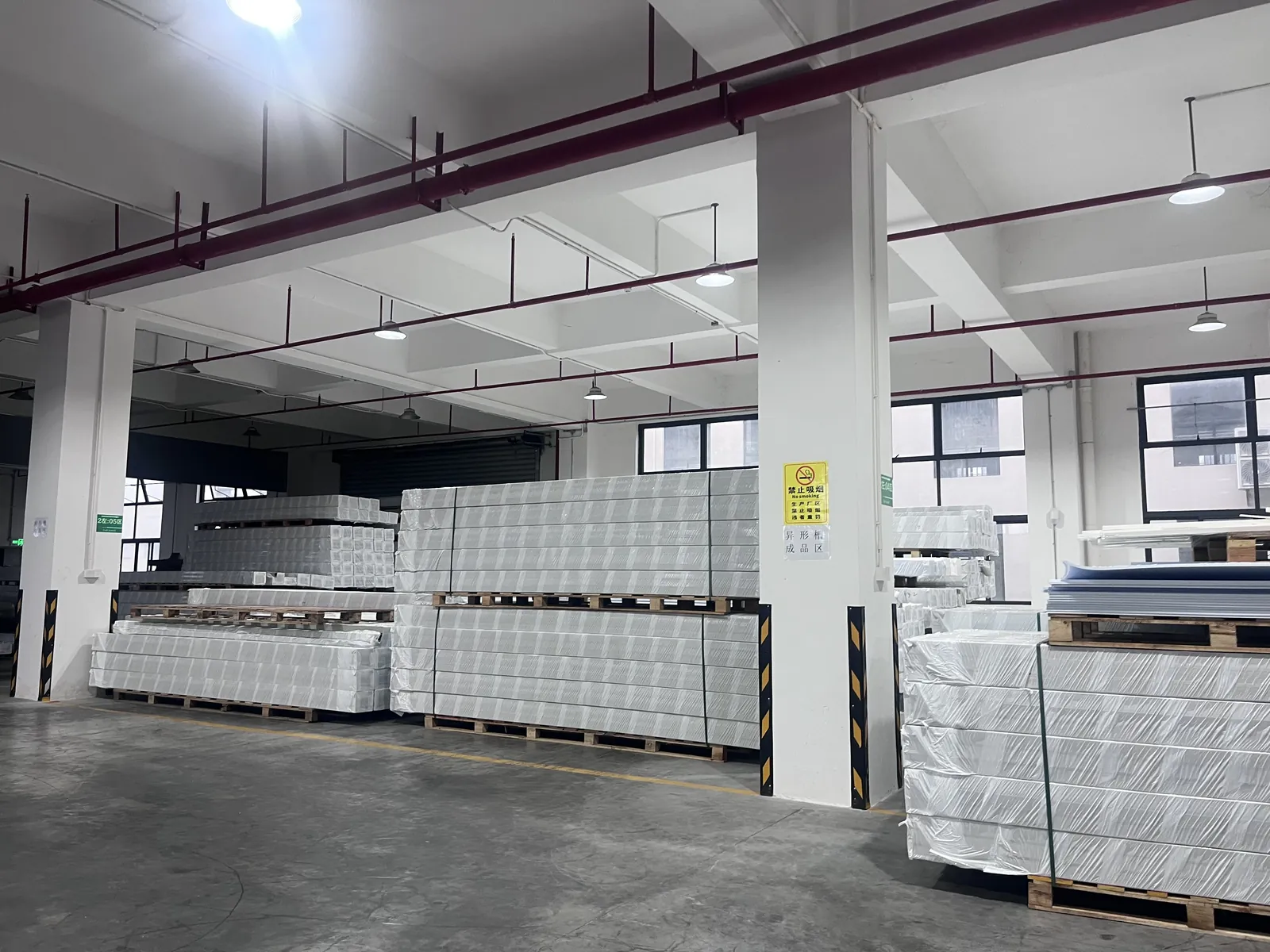
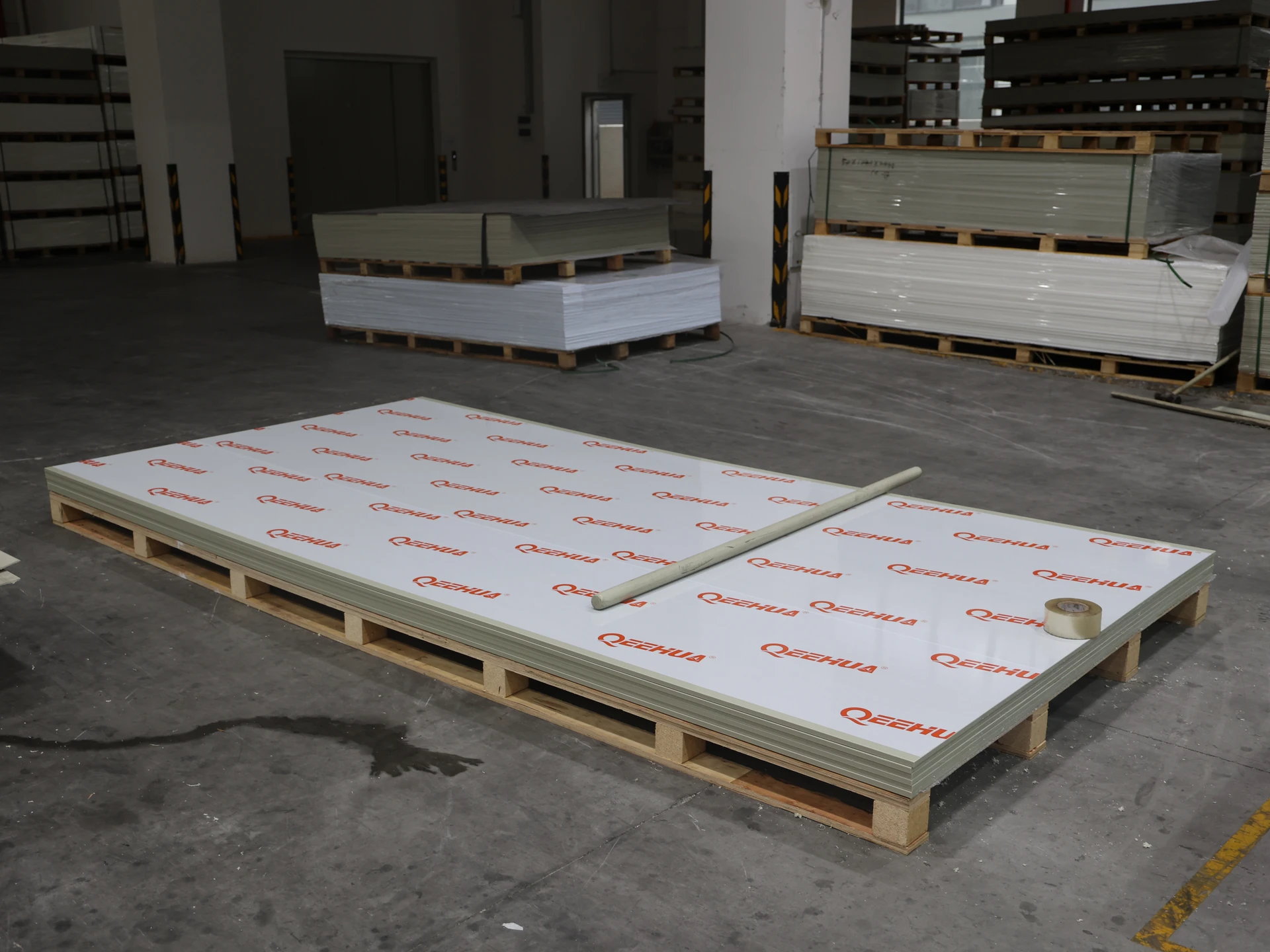
Large or heavy panels may need support, protection, labels, and a transport plan. The supplier and buyer must agree whether the quote covers only material at the factory, packing for collection, domestic transfer, or delivery to a named destination. State who provides handling equipment and who is responsible for damage inspection on receipt.
Shipment basis
Write the destination, requested packing form, stack or pallet limit if known, and any site receiving restriction. A project may accept loose full sheets but require separated cut panels with part IDs. The project-shipping article lists the packing questions that should be answered. It does not make a standard export-packaging guarantee for every order.
Do not compare a delivered price with a factory-collection price without separating freight, insurance, duties, and local handling where applicable. Those commercial elements depend on the actual offer and route. A transport rate and the applicable shipping term must come from the actual written offer.
Send a comparable RFQ
Use one shared RFQ sheet for each supplier. Put the same dimensions, quantities, grade requirement, processing, documents, packing, and delivery basis on it. Leave a separate field for proposed alternatives so a supplier can suggest another size or grade without silently changing the comparison. The table below is an input map, not a price list.
| Campo RFQ | Information to supply | What to check in the returned quote |
|---|---|---|
| Material | Proposed grade, color, intended duty, required documents | Exact offered grade and exclusions |
| Sheet format | Thickness, full width and length, usable size, tolerance request | Raw sheet versus cut-part dimensions |
| Quantity | Units per line, present order, separate forecast | Quote unit and minimum batch conditions |
| Added work | Cutting, holes, edge finish, sample, inspection | Work included and acceptance record |
| Delivery | Packing, destination, receiving limits, requested date | Packing and freight scope, not assumed lead time |
This table lists questions for a comparable RFQ. It is not a current QEEHUA price list, a promise that every listed service is available, or a statement of delivery time.
- Send the current drawing and one line per grade, color, thickness, and panel size.
- Ask each supplier to identify assumptions, alternatives, excluded work, and document availability.
- Compare the returned offers by the same unit and scope before comparing price.
El Página de contacto de QEEHUA is the route for a project quote. Include the RFQ fields above so the response can address a real order rather than a vague price search.
FAQ and sources
Why can two quotes for the same nominal PP thickness differ?
They may cover different grades, usable sizes, quantities, processing, inspection, packing, or delivery scope. Compare those fields before treating the unit prices as equivalent.
Are cutting and export packing included in every PP sheet price?
No universal inclusion is established here. State the requested work and packing in the RFQ, then read the supplier’s written quote for inclusions and exclusions.
Can a fixed PP sheet price be given without a drawing?
A general product inquiry can start without a drawing, but a project-comparable quote needs at least grade, dimensions, quantity, required work, documents, and delivery basis.
The RFQ fields above are not a current QEEHUA price sheet. Confirm product and order details in a written offer for the specified project.