
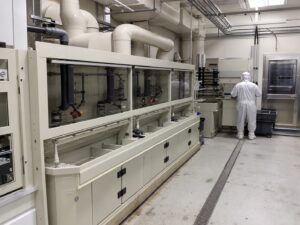
When Should Conductive PP Sheet Be Used in Semiconductor Wet-Process Equipment?
Conductive PP sheet for semiconductor wet-process equipment is justified only when the project has a defined static-control risk and a measured electrical requirement. It is not a default upgrade for every wet bench or chemical tank. The decision should connect the equipment zone, process chemistry, cleanliness controls, grounding path, and surface-resistance test method. Short answer: Specify conductive PP when a component must dissipate charge through a controlled, grounded path and the project can verify the required resistance range on the supplied material and finished part. Use ordinary PP or antistatic PP when the risk, target range, or grounding design does not justify the lower-resistance material. For the wider chemistry, temperature, geometry, and fabrication decision, see QEEHUA’s semiconductor wet-process PP sheet selection guide. When should conductive PP sheet for semiconductor wet-process equipment be used? Conductive PP is worth considering when charge accumulation can affect a wafer, electronic component, chemical delivery path, measurement, or hazardous-area control. The requirement should come from the process risk assessment or equipment specification, not from the word “semiconductor” alone. Use conductive PP for a defined charge-dissipation path. The component must be connected to a grounding or bonding design that gives the charge somewhere to go. Use antistatic
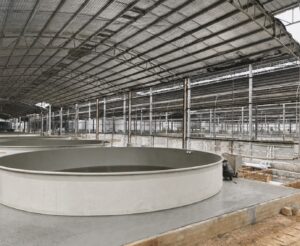
How to Plan PP Equipment Drainage and Cleanout Access for Chemical Process Areas
Plan PP equipment drainage design and cleanout access for chemical process areas with practical inputs for low points, outlets, cleaning, fabrication, and RFQs.
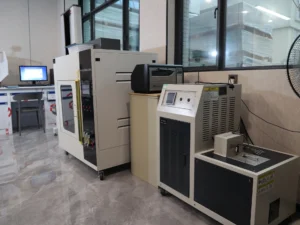
How to Document PP Weld Repairs and Nonconformances Before Equipment Handover
Use PP weld repair documentation to close NCRs with repair maps, reinspection evidence, welding-rod records, and handover checks for fabricated equipment.