PP sheet water absorption is evaluated by measuring an identified sheet sample before and after a defined water exposure, then reporting the conditioning and test conditions. That is different from the amount of moisture in a sample before exposure, and different again from swelling after contact with a chemical liquid. A water result cannot predict performance in every acid, solvent, cleaner, or mixed process bath. Ask for the finished sheet grade, thickness, exposure, starting and ending mass, and any dimensional or visible change. Request a report tied to the exact finished sheet and intended exposure.
Separate absorption from moisture content
Water content and water absorption answer different questions. A moisture-content result describes how much water is present in a material sample at a stated point in its preparation or use. A water-absorption comparison asks how the specimen changes after a defined period in water or a humid environment. The two results should not be substituted for one another.
The sample state matters. A resin sample that has been stored, dried, or exposed to humid air is not the same test object as a finished sheet coupon that is immersed in water. A supplier may be discussing water already present in a sample, water gained during exposure, or visible dimensional change. Ask which question the report answers and what specimen the laboratory used.
For an equipment drawing, the useful result is tied to the actual finished material under review. If the inquiry concerns a fabricated PP sheet assembly, name the grade or product description and thickness. A general statement about polypropylene cannot say how a particular panel, edge, weld, or loaded assembly will behave.
Read a mass-change result
A mass-change test compares a specimen’s recorded starting mass with its mass after a defined exposure. Calculate signed percentage mass change as 100 × (m_after – m_before) / m_before, where m_before is the starting mass and m_after is the mass after exposure and the agreed surface-liquid removal. A positive result is a net mass gain; a negative result is a net mass loss. The laboratory still needs to define how the sample is conditioned, exposed, handled after exposure, and weighed. The calculation alone is not a complete test method.
Before comparison, record the initial mass and specimen identity. After exposure, use the agreed procedure to remove surface liquid without changing the specimen, then record the final mass. If two suppliers use different conditioning, exposure time, temperatures, specimen thicknesses, or surface-drying steps, their percentages may not describe comparable conditions. A result should travel with the method and test record that produced it.
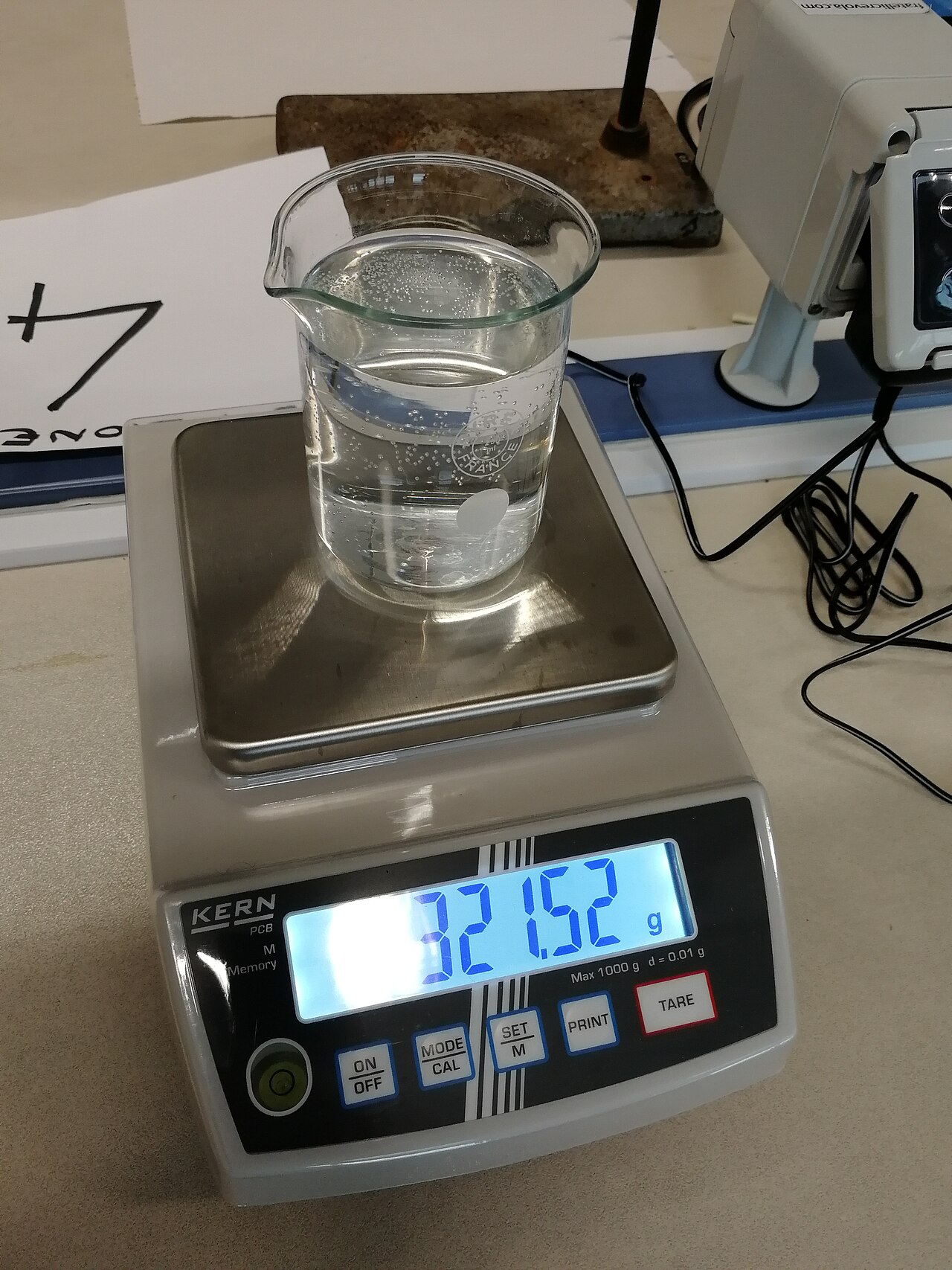
The result is a mass comparison for the named specimen and exposure. It does not, by itself, show where the liquid went, whether a chemical reaction occurred, or whether the part retains its shape under load. For a fabricated component, the report should also state any dimensional change, surface change, cracks, softening, or other observations that the project has defined for review.
PP sheet water absorption scope
A mass gain needs context before it can support a design decision. Compare only values from the same test question and specimen conditions. A number without the starting mass, exposure period, temperature, and sample identity cannot show whether a different sheet would behave the same way. If the lab observes a size change, request the original dimensions and measurement direction, then review the specimen with the engineer responsible for the assembly. A laboratory coupon does not include every corner, support, seam, or load in a finished part, so the project team should review how the coupon result applies to its design.
Keep water and chemicals separate
Chemical swelling is a separate exposure question. LyondellBasell’s polypropylene chemical-resistance technical tip distinguishes liquid absorption that can swell or soften a polymer from a chemical reaction that changes polymer structure. The guide also discusses exposure temperature, chemical concentration, and stress as factors in chemical resistance. It describes general polypropylene mechanisms and does not establish a QEEHUA finished-sheet result.
This distinction changes the test request. Water is one exposure liquid. A chemical solution may include a solvent, oxidizer, detergent, additive, or mixture that interacts with the polymer in another way. A mass increase after contact may reflect liquid absorption, while mass loss or surface damage may point to other changes. No single mass number should be treated as a complete explanation without the specimen observations and exposure record.
For tanks, ducts, and process panels, describe the exact liquid or mixture, concentration, temperature, contact duration, and whether the material carries load or stress. Continuous immersion, splashes, vapour, and occasional cleaning describe different exposure patterns. The environmental engineering application page gives an industry navigation point for water-treatment equipment, but it does not approve a grade or test result for a specific process.
Define the sample and exposure
The report should identify the specimen before it identifies a percentage. Record the finished sheet type, grade or supplier designation, thickness, dimensions, cut-edge condition, and any relevant face or surface treatment. Note whether the sample was taken from a supplied sheet or prepared from a resin specimen. Those details help purchasing compare like material with like material.
The exposure record should name the test liquid, concentration where applicable, temperature, duration, and contact mode. State the initial conditioning, weighing device or measurement approach, surface-liquid removal step, and the number of specimens. If the project needs an acceptance threshold, write it before testing. A lab result without agreed pass criteria can describe a change but cannot decide whether the change is acceptable to the equipment owner.
Use the same specimen preparation and weighing approach for the before and after readings. If the sample has a film, coating, printed surface, or edge seal, include that condition in the report. If the project needs a comparison across lots, identify the lot and repeat the same process on representative samples. Do not apply a result from one thickness, resin grade, or test condition to a different finished sheet without a documented reason.
Request a report in scope
| Report item | Value to report | Unit or basis | Exposure or measurement record | Specimen scope |
|---|---|---|---|---|
| Water absorption | Starting mass, final mass, and calculated change | g and percent mass change | Defined water exposure and conditioning | Identified finished sheet sample |
| Moisture content | Water present at the stated sampling point | Mass fraction or reported unit | State how the sample was prepared and measured | Named material form and grade |
| Chemical exposure | Mass, dimensions, and visible changes before and after | g, length, and percent change where used | Exact liquid, concentration, temperature, and duration | Identified grade, thickness, and stress state |
This table lists reporting fields, not a measured result or pass limit. The buyer and supplier should agree on the test conditions and acceptance limit for the selected grade and sample.
El QEEHUA PP sheet page is a product inquiry starting point. For a chemical tank or liner, the chemical compatibility review guide y Guía de selección de tanques químicos cover project-duty questions. Those guides do not replace a measured result for the product and exposure you plan to use.
Borealis lists sheets and profiles among the intended uses for its BE55 polypropylene homopolymer and labels the listed properties as typical values that should not be used for specification work. Its BE55 product data sheet is a resin-specific document, not a measurement of QEEHUA finished sheet. Request a report for the actual product sample if the project requires a water or chemical-exposure value.
Send the test question, drawing, specimen thickness, current material record, liquid details, exposure window, and required acceptance criteria with the inquiry. The Página de contacto de QEEHUA is the destination for a project-specific request. Do not infer food-contact approval or universal chemical resistance from a water-absorption result.
Preguntas frecuentes
Does a moisture-content result prove water absorption performance?
No. Moisture content reports water present at a stated sampling point. Absorption compares a specimen before and after a defined water exposure.
Can a water-absorption result predict chemical swelling?
No. A chemical liquid can interact with polypropylene through different mechanisms. Identify the liquid, concentration, temperature, exposure time, and specimen conditions for a separate review.
What should a PP sheet water absorption report include?
It should identify the finished sheet sample and record conditioning, dimensions, water exposure, starting and ending mass, the calculation, and any defined visual or dimensional change.