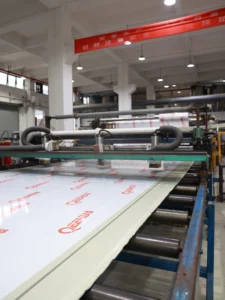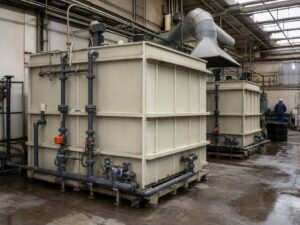
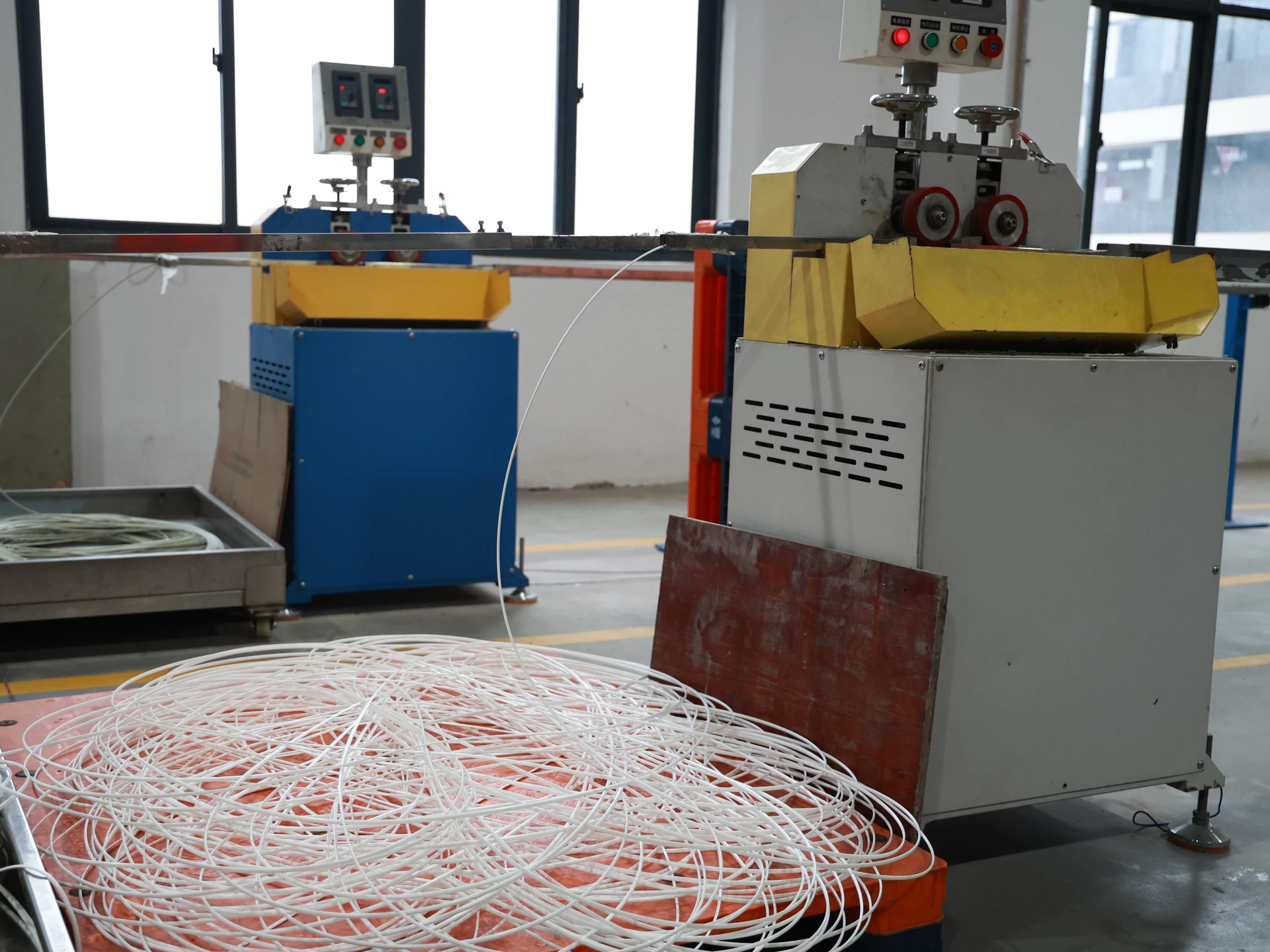
Pręt spawalniczy PP do płyt PP jest oceniany w odniesieniu do rzeczywistych obowiązków projektowych. Wybór pręta spawalniczego PP powinien rozpocząć się od rzeczywistych obowiązków sprzętowych i rysunku. Zamówienie pręta spawalniczego rozpoczyna się od arkusza PP, rysunku złącza, metody spawania, profilu spoiwa, dostępu i wymagań inspekcyjnych. QEEHUA może omówić profile prętów spawalniczych PP dwużyłowych, okrągłych, trójkątnych lub półokrągłych, pod warunkiem potwierdzenia zgodności gatunku i wymiarów. Sam profil pręta nie gwarantuje gotowego złącza. Zamówienie materiałowe wymaga informacji dotyczących składu chemicznego, temperatury, geometrii, podparcia, złącza i inspekcji, które mają zastosowanie do gotowego zespołu. Wewnętrzne dane QEEHUA mogą stanowić podstawę do wstępnej dyskusji na temat materiału, ale nie powinny być rozszerzane na obietnicę dla całego gatunku, obliczenia projektowe sprzętu ani zatwierdzenie dla warunków niewymienionych w wykazie. Informacje o projekcie należy przesłać wraz z zamówieniem próbki, aby proponowany arkusz, pręt lub profil mógł zostać porównany z rzeczywistym zastosowaniem przed dopuszczeniem materiału do sprzedaży.
PP welding rod for fabricated equipment należy dokonać przeglądu w kontekście udokumentowanych obowiązków projektowych, rysunków, zakresu produkcji, dokumentacji materiałowej i wymagań akceptacyjnych.
Obowiązek projektowy
PP welding rod for fabricated equipment: project review
Przed oddaniem projektu do użytku porównaj odpowiednie materiały, procesy produkcyjne i kontrolę jakości, korzystając z udokumentowanych wymagań projektu.
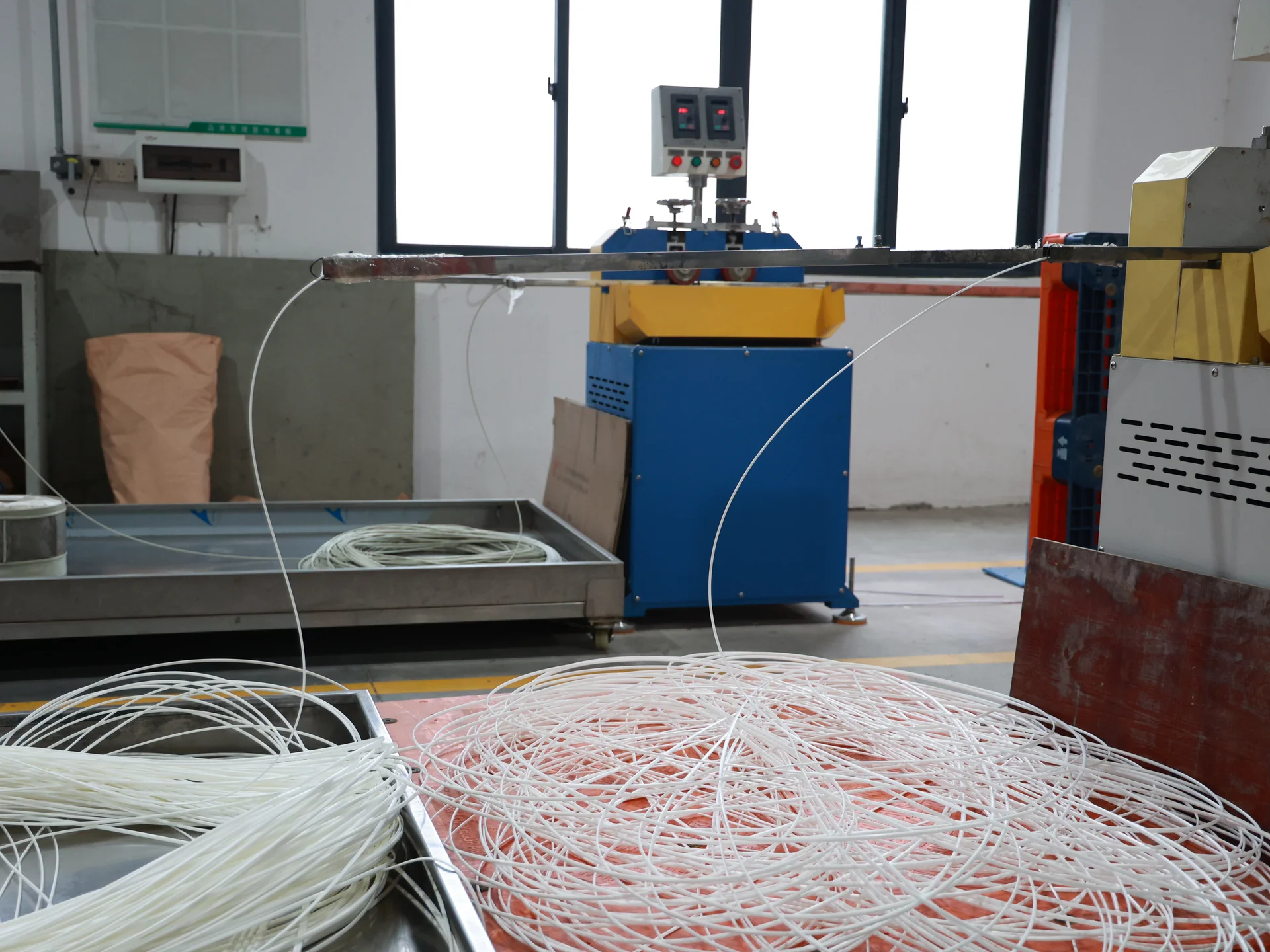
Zamówienie pręta spawalniczego rozpoczyna się od arkusza PP, rysunku złącza, metody spawania, profilu spoiwa, dostępu i wymagań inspekcyjnych. QEEHUA może omówić profile prętów spawalniczych PP: dwużyłowe, okrągłe, trójkątne lub półokrągłe, pod warunkiem potwierdzenia zgodności gatunku i wymiarów. Sam profil pręta nie gwarantuje uzyskania gotowego złącza.
Użyj Zastosowania przemysłowe QEEHUA strona jako kontekst dla kategorii sprzętu. Ostateczna decyzja wymaga podania informacji o projekcie i nie powinna opierać się na ogólnej etykiecie aplikacji.
Zamówienie pręta spawalniczego rozpoczyna się od określenia łączonych części. Należy określić proponowaną płytę PP, kształt złącza, miejsce spoiny, dostęp do niej oraz planowaną metodę produkcji. Sama nazwa profilu nie mówi, czy spoiwo pasuje do płyty, czy operator ma dostęp do złącza, ani czy ukończony montaż spełnia wymagania projektu.
QEEHUA może omawiać profile prętów spawalniczych PP: dwużyłowe, okrągłe, trójkątne lub półokrągłe. Rysunek powinien wskazywać, który profil jest brany pod uwagę, jego żądane wymiary oraz rodzaj połączenia, w którym będzie stosowany. Ostateczny wybór wymaga jeszcze potwierdzenia dopasowania materiału i procesu produkcji.
Rola materialna
Ten Asortyment arkuszy PP QEEHUA jest bazowym punktem odniesienia produktu. Kwestią wyboru jest to, czy proponowany materiał, detale konstrukcyjne i warunki eksploatacji są ze sobą kompatybilne. Panel, połączenie spawane, profil i interfejs wsporczy mogą mieć różne wymagania w tym samym sprzęcie.
Oddziel wstępny etap selekcji materiałów od zatwierdzenia sprzętu. Dzięki temu użyteczna dyskusja w karcie katalogowej nie zostanie pomylona z kalkulacją projektową lub zobowiązaniem produkcyjnym.
Warunki do potwierdzenia
Warunki świadczenia usług
Należy podać wszystkie istotne media, stężenia, temperatury normalne i maksymalne, czas ekspozycji, warunki czyszczenia i warunki destabilizacji. Jeśli projekt nie obejmuje kontaktu z chemikaliami, należy zamiast tego podać środowisko instalacji i temperaturę pracy. Nie należy wnioskować o wydajności na podstawie podobnej substancji chemicznej lub ogólnej nazwy procesu.
Geometria i wsparcie
Rejestruj rozpiętości paneli, wysokość cieczy lub obciążenie procesowe, nadciśnienie lub podciśnienie (jeśli dotyczy), podpory, przejścia, zbrojenie, dostęp do spawania i punkty kontrolne. Te dane określają, co wykonawca i inżynier projektu muszą sprawdzić.
Arkusz roboczy powinien obejmować gotowy montaż, a nie tylko pręt spawalniczy. Należy odnotować medium, stężenie, temperaturę, warunki czyszczenia oraz wszelkie warunki ciśnienia lub próżni występujące po spawaniu. Warunki te określają, co wykonawca i inżynier projektu muszą sprawdzić w miejscu połączenia i w pobliżu blachy.
Geometria złącza decyduje o tym, czy pręt może być użyty zgodnie z przeznaczeniem. Należy uwzględnić przygotowanie krawędzi, układ wrębów, dostęp do narożników, pozycję spawania i pobliskie zbrojenie. Jeśli spoina znajduje się blisko dyszy, kołnierza lub podpory, należy zaznaczyć ten interfejs na rysunku. Artykuł nie gwarantuje szczelności złącza, ponieważ jakość spoiny zależy od dopasowania materiału, przygotowania, sprzętu i kontroli procesu.
Istotne dane
Poniższa tabela przedstawia zgłoszone dane lub wymagane dane wejściowe projektu wraz z warunkami, które nadają im znaczenie. Nie zastępuje ona podstawy projektowania sprzętu.
| Dane projektu | Zgłoszona wartość lub dane wejściowe | Materiał lub stan | Metoda lub kontrola |
|---|---|---|---|
| Materiał arkuszowy | Proponowany gatunek arkusza PP | Komponent wytworzony | Potwierdź dopasowanie materiału |
| Profil pręta | Podwójny, okrągły lub trójkątny/półkolisty | Wymiary wymagają potwierdzenia | Potwierdź połączenie i przetwórz |
| Wspólna forma | Zaokrąglenie, zakładka, narożnik lub listwa | Wymagany rysunek | Przegląd dostępu i przygotowania |
| Kontrola | Wymagania dotyczące akceptacji projektu | Montaż gotowy | Potwierdź metodę i kryteria |
Zakres danych: Rodziny profili stanowią wewnętrzne informacje o produkcie. Wymiary i klasa dopasowania wymagają potwierdzenia. Łączny wynik zależy od przygotowania, dopasowania arkuszy, sprzętu, kontroli procesu i kontroli.
Zachowaj decyzję dotyczącą pręta dołączoną do rysunku połączenia do momentu zamknięcia projektu. Dział zaopatrzenia powinien mieć dostęp do proponowanego arkusza, profilu pręta, kształtu połączenia, zamówienia próbki i wymagań dotyczących kontroli w jednym rekordzie. Jest to bardziej przydatne niż ogólny opis pręta, ponieważ jasno wskazuje, które szczegóły zostały potwierdzone, a które nadal wymagają decyzji w zakresie produkcji lub inżynierii.
Kontrole produkcyjne
Przed złożeniem zlecenia produkcyjnego należy określić krawędzie cięcia, rodzaj złącza, kolejność, dostęp, urządzenia procesowe i wymagania dotyczące kontroli. W przypadku detalu spawanego z tworzywa termoplastycznego należy uwzględnić odpowiednie parametry. Pręt spawalniczy PP żądanie. W przypadku kanału lub elementu wzmacniającego należy dołączyć rysunek przekroju szczeliny w kształcie litery U z PP oraz wymiary połączenia.
Jakość połączeń i wydajność gotowego urządzenia zależą od procesu montażu. Najbezpieczniejsza specyfikacja to taka, która umożliwia wgląd w rysunek, zakres prac, materiał i stan kontroli podczas tej samej kontroli.
Zapisz wymagania dotyczące produkcji i kontroli w kolejności, w jakiej warsztat ich potrzebuje. Zacznij od identyfikacji blachy i pręta, następnie od rysunku złącza, kolejności spawania, wymagań dostępu i uzgodnionego punktu kontroli. Jeśli wymagany jest kupon kwalifikacyjny, określ geometrię kuponu i kontrolę, którą musi on przejść. Pozwoli to uniknąć traktowania niepołączonej próbki pręta jako dowodu na kompletny montaż.
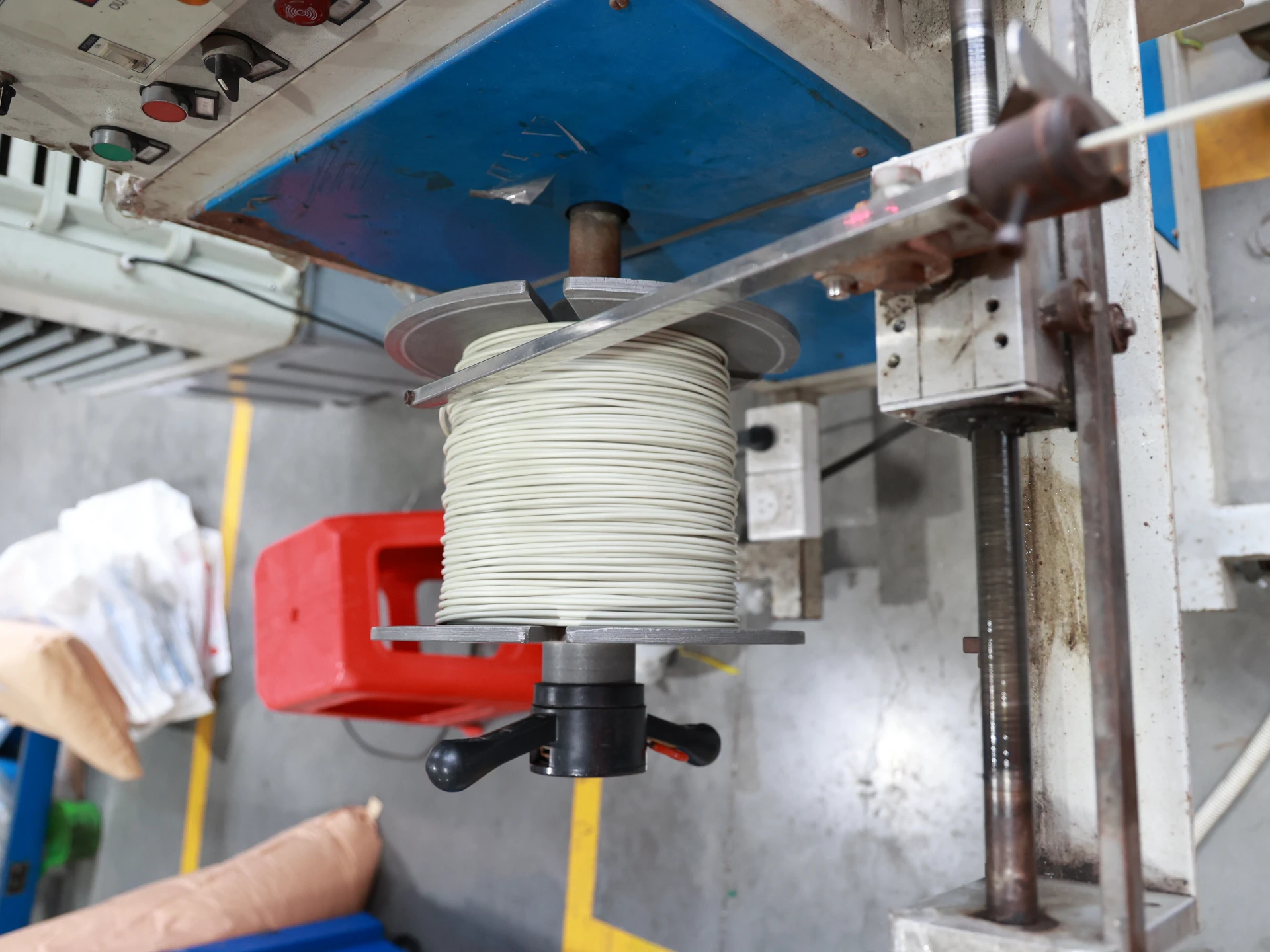
Żądanie próbki
Prześlij rysunek, informacje dotyczące zastosowania sprzętu, substancji chemicznych i temperatury (jeśli ma to zastosowanie), żądane wymiary, metodę produkcji, cel próbki oraz wszelkie wymagania dotyczące testów lub zatwierdzeń. Poproś o próbkę projektu lub prześlij informacje o sprzęcie. Punkt otwarty należy oznaczyć jako otwarty, a nie zastępować go przyjętym stanem typowym.
Przykład powiązanego wyboru można znaleźć w Przewodnik po arkuszach PP QEEHUA dla zbiorników na chemikalia. Wyjaśnia, dlaczego dane dotyczące produktu i obowiązki projektowe należy czytać łącznie.
Poproś o próbkę pręta z informacjami, które czynią ją użyteczną: przewidywanym profilem, proponowanymi wymiarami, pasującą blachą, rodzajem złącza i powodem oceny. Kupujący, który sprawdza spoinę, powinien poprosić o dopasowany kupon lub uzgodniony szczegół, natomiast kupujący, który sprawdza sposób transportu lub formę profilu, może skorzystać z prostszej próbki.
Często zadawane pytania
Jakich informacji potrzeba do recenzji pręta spawalniczego PP?
Podaj rysunek sprzętu, warunki serwisowania, wymiary, trasę produkcji, ilość oraz wszelkie wymagania dotyczące kontroli lub zatwierdzenia.
Czy pojedyncza wartość z arkusza danych może zatwierdzić cały montaż?
Nie. Wyniki badań materiałowych stanowią dane wejściowe do przeglądu projektu. Ostateczny montaż zależy również od geometrii, obciążeń, podparć, połączeń, warunków eksploatacji i założeń projektowych.
Dlaczego rysunek należy przesłać wraz z zamówieniem na materiały?
Na rysunku pokazano rozpiętości, przejścia, podpory, dostęp do połączeń i interfejsy, których nie można określić wyłącznie na podstawie nazwy materiału lub rozmiaru panelu.
Co powinno zawierać zamówienie na próbkę?
Prześlij obowiązki projektowe, rysunki, żądane materiały lub szczegóły, plan produkcji, cel próbki i wymagania dotyczące akceptacji, aby można było omówić próbkę w kontekście rzeczywistego zastosowania.
Dla PP welding rod for fabricated equipment, zapisz ostateczne założenia projektu i kontrole akceptacji przed zwolnieniem zakresu produkcji lub zakupu.