
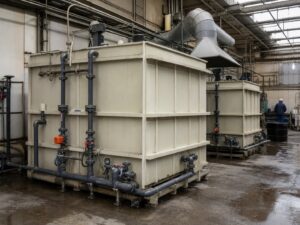
How to Review PP Sheet Chemical Compatibility Before Choosing a Tank Liner
PP sheet chemical compatibility should be reviewed against the real chemical duty, not selected from a chemical name alone. Before choosing a polypropylene tank liner,
PP sheet chemical compatibility should be reviewed against the real chemical duty, not selected from a chemical name alone. Before choosing a polypropylene tank liner,
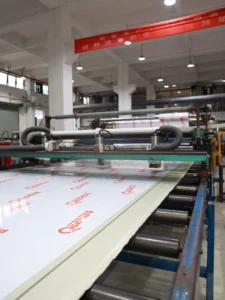
For a custom polypropylene sheet order, start with clear polypropylene sheet specifications: define the end use, then lock the material, thickness, width, cut format, surface
Polypropylene sheet thermoforming is appropriate when a project needs repeatable curved or contoured parts, a controlled forming tool, and a clear plan for cooling, trimming,
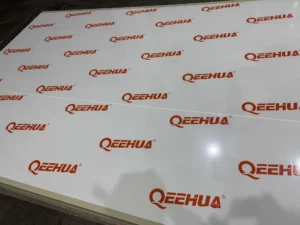
PP sheet flatness should be specified with the part function, measurement condition, and acceptance method in view. For a CNC-cut or welded panel, do not
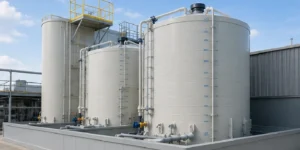
Learn when a PP secondary-containment bund needs an isolated drain and sample point, with valve control, spill segregation, access, testing, and RFQ details.

Specify a PP scrubber spray header and mist eliminator RFQ with process duty, nozzle coverage, wash access, drainage, materials, and acceptance documents.
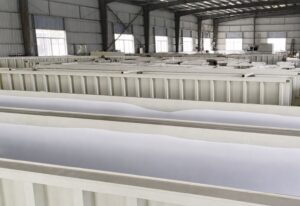
Specify PP tank supports and saddle interfaces with load cases, contact geometry, restraint, thermal movement, and inspection access before fabrication.
Learn what a PP chemical tank leak test record should include: test boundary, method, weld traceability, repair evidence, results, and shipment release.
Review when PP sheet can be considered for battery charging and electrolyte tanks, including concentration, temperature, ventilation, containment, welding, cleaning, and RFQ inputs.