
Anti-Static PP Sheets for Industrial Equipment
QEEHUA can review anti-static polypropylene sheet options for projects with a controlled static requirement. Start with the target resistance range, test method, equipment design, grounding approach, cleaning method and required documentation.
No fixed resistance value is published until the exact product grade and supporting report are confirmed.
Define the Static-Control Requirement Before Selecting the Sheet
Anti-static selection is project-specific. Record the electrical requirement and the way the finished component will be installed, grounded, cleaned and maintained.
Target Resistance Range
State the required range and whether it applies to surface or volume resistivity.
Test Method and Conditions
Specify the method, conditioning, electrode arrangement and acceptance record required by the project.
Equipment and Grounding Review
Describe the component, grounding path, connections and responsible equipment design.
Cleaning and Surface Use
Identify cleaning agents, wiping, abrasion, contamination controls and expected maintenance.
Request a Grade-Specific Static-Control Sample
A sample request should name the proposed grade, target resistance range, test method and planned fabrication. State whether the sample will be used for measurement, cleaning, machining, welding or visual review.
A small sample does not validate the grounding design or finished equipment. Confirm the test plan and acceptance conditions before relying on a sample result.
Confirm the Anti-Static Grade and Electrical Data
Confirm the grade and electrical data before publishing resistance values. The table below lists what must be documented for the proposed anti-static grade.
| Product grade | Confirm the exact saleable anti-static grade and order designation. |
|---|---|
| Surface resistivity | Confirm the documented range, unit, test method, specimen and conditioning. |
| Volume resistivity | Confirm whether a value is available and relevant to the project. |
| Test method | Confirm the method, voltage, electrode arrangement, environment and report reference. |
| Thickness, color and surface | Confirm the available range for the named grade. Do not assume that a result transfers across thicknesses, colors or surface finishes. |
| Dokumentacja | Current product-grade data sheet and the grade-specific third-party or accepted test report required by the project. |
Control Resistance, Grounding and Surface Condition as One System
Anti-static sheet selection depends on the defined resistance target and the way the finished component is installed, grounded, cleaned and maintained. Machining, welding, surface wear, contamination and cleaning agents can change the condition that is measured.
Use a documented inspection method for the finished component. State the measurement locations, environment, equipment and acceptance range. Recheck the requirement when the design, grade, thickness or cleaning process changes.
Verification requirements to confirm with the project team
| Verification item | What to define |
|---|---|
| Measurement locations | Where resistance is measured on the finished component. |
| Środowisko | Temperature and humidity conditions for measurement. |
| Equipment | Meter, electrode arrangement and calibration record. |
| Acceptance range | Target range and acceptance criteria required by the project. |
| Re-check trigger | Change in design, grade, thickness or cleaning process. |
This page does not claim explosion-proof performance, semiconductor-grade compliance or permanent anti-static behavior.
Grounding design, inspection and finished-equipment validation remain the responsibility of the project team. No fixed resistance range is stated here.
Conditional Uses for Anti-Static PP Sheet
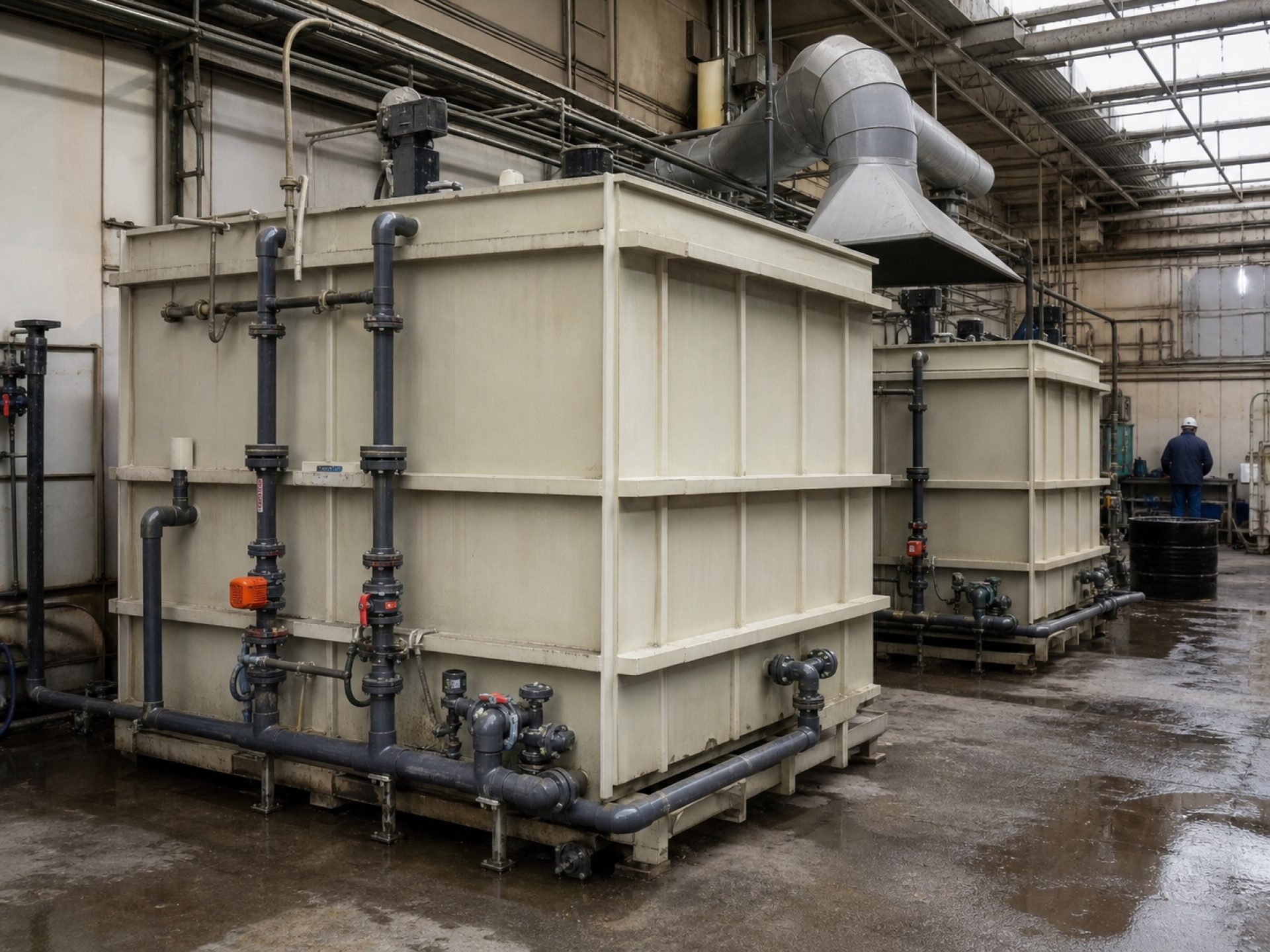
Semiconductor equipment
Review only when the owner defines the target resistance, contamination controls, cleaning process, grounding and documentation. Do not label the product semiconductor-grade without evidence.
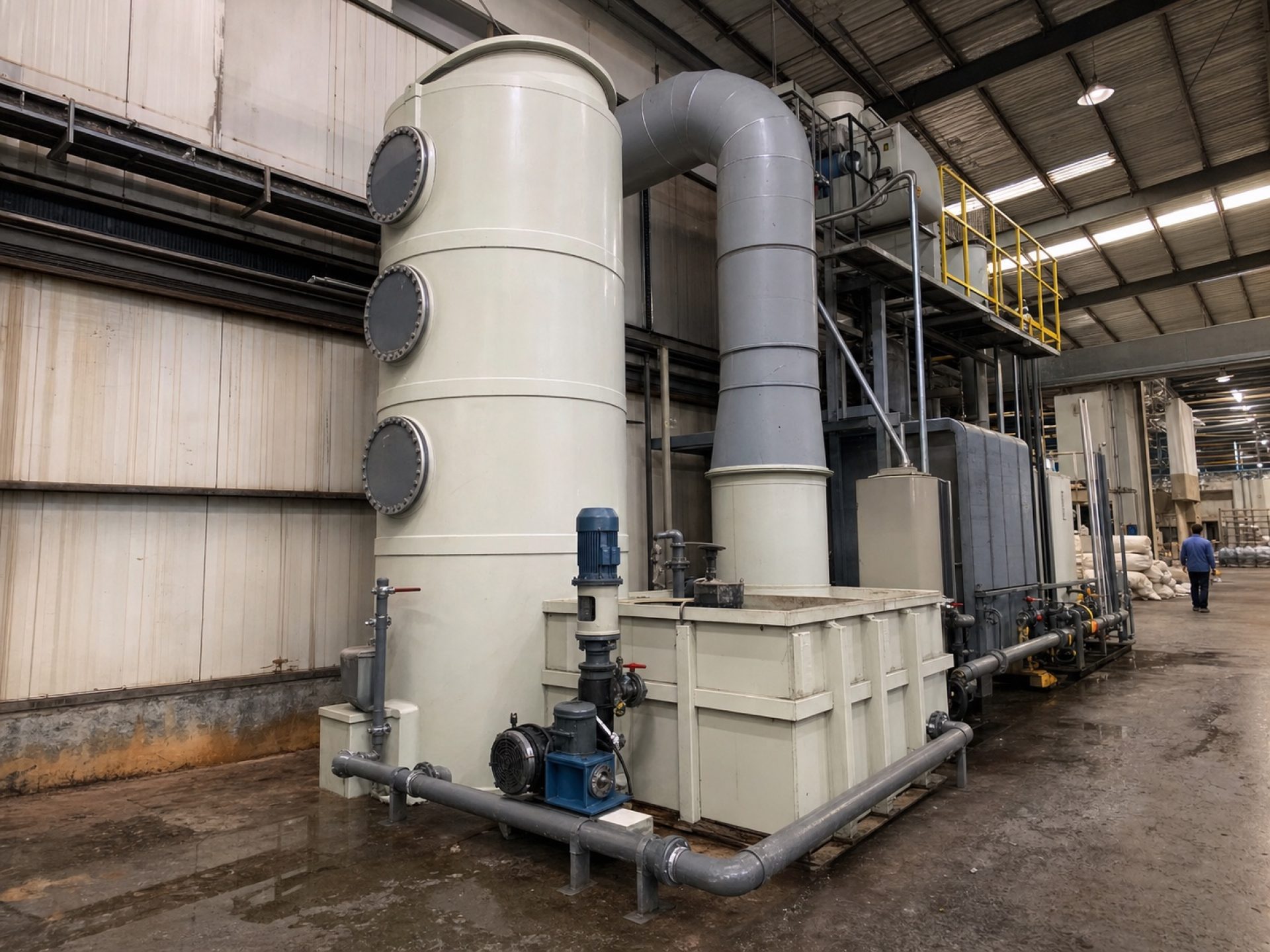
Cleanroom fixtures
Confirm the room classification, surface requirement, cleaning agents, grounding and acceptance method for the named component.
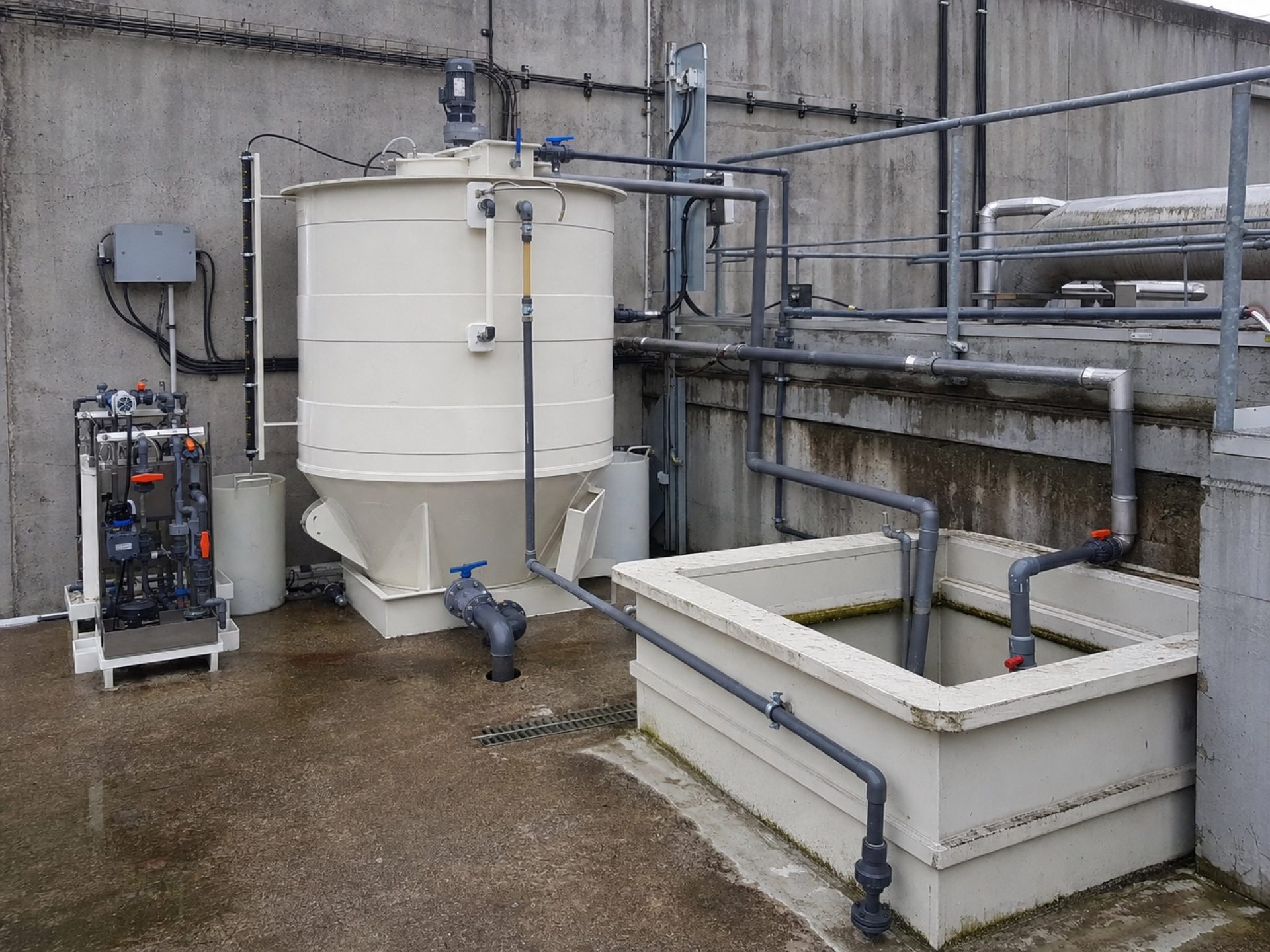
Static-sensitive industrial equipment
Identify the static risk, component function, grounding path, operating environment and required test record.
Require a Report for the Proposed Anti-Static Grade
The evidence package must connect the saleable grade to the reported resistance range and test conditions. A generic ESD statement or an unrelated sample result is not sufficient.
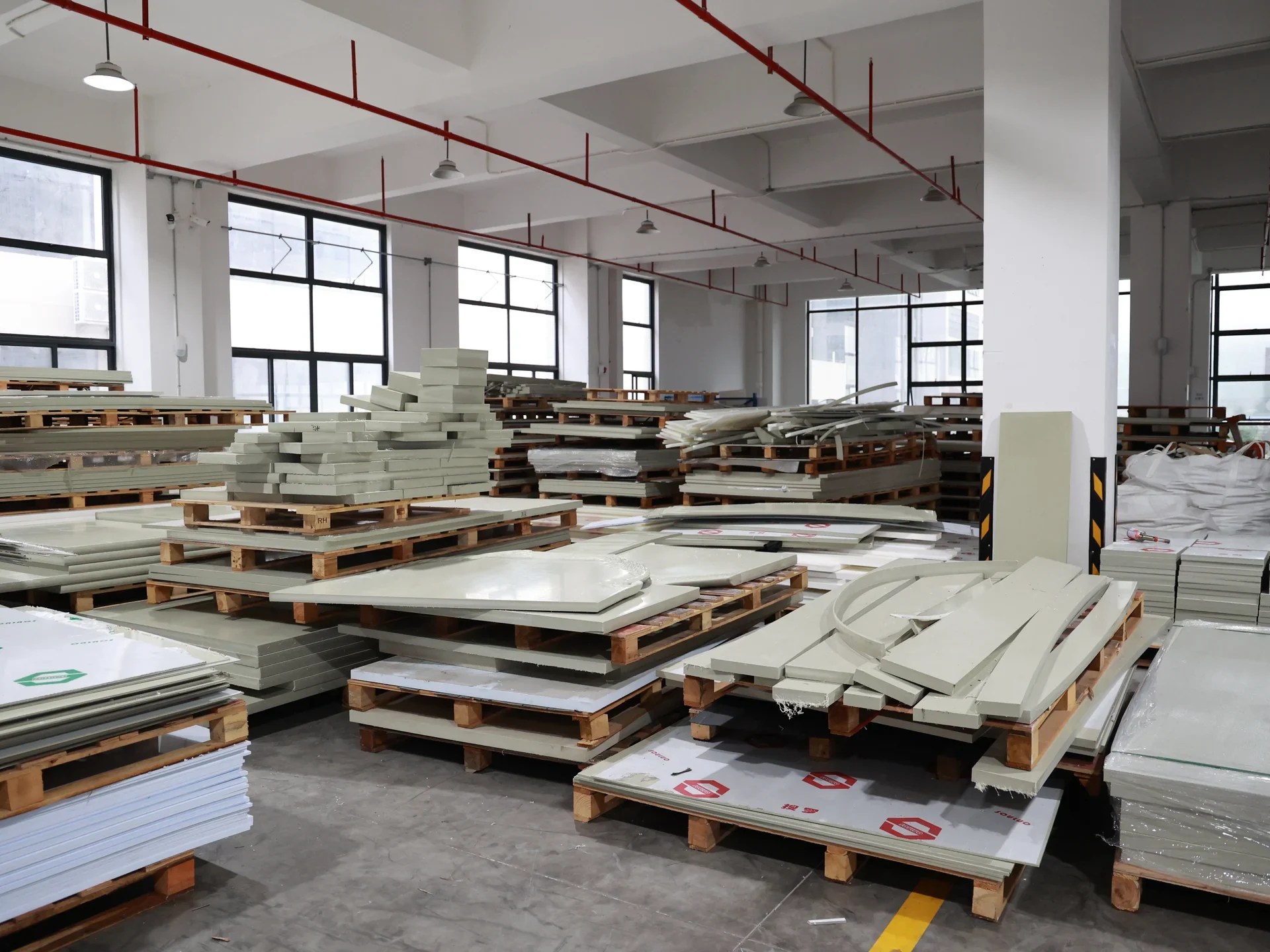
Grade and data sheet
Named anti-static product grade with its current product-grade data sheet.
Test and conditions
Surface and volume resistivity where applicable, with test method, conditioning and the tested thickness, color and surface.
Report and batch mapping
Third-party or accepted report, plus order or batch mapping when required.
Publish resistance values only when a grade-specific report is available. Do not use generic placeholders.
Review Machining, Welding, Cleaning and Grounding
Send the drawing, sheet dimensions, thickness, quantity, color and proposed grade. Describe machining, welding, fastening and any surface-contact parts. Include the cleaning method and grounding design prepared by the responsible equipment team.
Ask whether the planned fabrication or cleaning process requires a new measurement on a representative part. Keep the acceptance method with the drawing and order record.