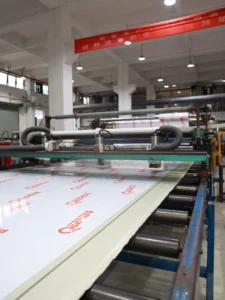
Arkusz PP do szaf do przechowywania chemikaliów: lista kontrolna dla kupującego

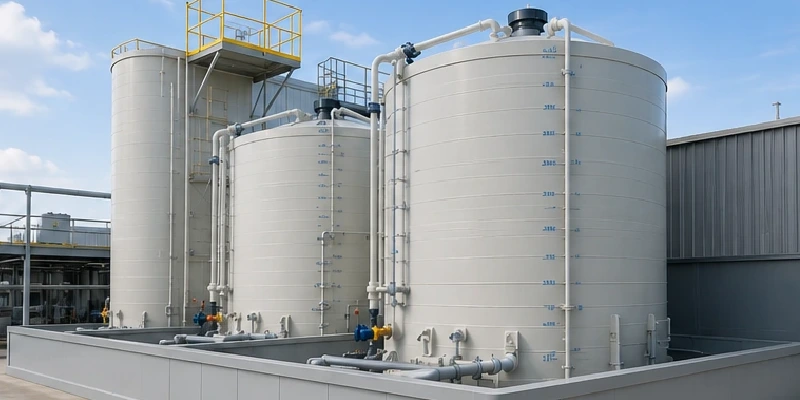
Zbiorniki procesowe z PP w strefie wtórnego zabezpieczenia

A PP sheet chemical storage cabinet review should define the cabinet parts, the secondary-containment path, the chemical exposure, and the information the supplier must confirm. This checklist helps buyers separate a material enquiry from cabinet compliance, fire protection, ventilation, and site-safety decisions.

Short answer: PP sheet for chemical storage cabinets

PP sheet for chemical storage cabinets should be selected only after the stored chemicals, containment function, joints, interfaces, and maintenance conditions are defined.

A cabinet, shelf, liner, or removable tray can have a different role in the same storage area. Start with the chemical inventory and the relevant Safety Data Sheets (SDS), then describe which surfaces may see a spill, leak, condensate, or cleaning agent. OSHA’s Wskazówki dotyczące komunikacji zagrożeń explains why chemical hazard information, labels, and SDS access are part of a responsible workplace process. They do not, by themselves, specify a PP cabinet design.
Ważna granica: PP sheet selection does not automatically make a cabinet fire-rated, code-compliant, leak-proof, or suitable for every chemical. Confirm the cabinet’s complete design, the site requirements, and the chemical-specific conditions with the responsible safety and engineering teams.
PP chemical storage cabinet in a controlled industrial workspace
A storage-cabinet visual establishes the application; the purchase specification still needs a documented containment and chemical-service review.

Define the secondary-containment function before choosing sheet

Secondary containment is a project function, not a keyword on a purchase order. State whether the PP sheet is intended for a cabinet base, removable spill tray, shelf liner, back panel, door liner, or a fabricated enclosure. Explain where liquid would collect, how an operator would inspect it, how the part would be removed, and what happens if the primary container leaks.

  1. List the chemicals: name the substances or mixtures, concentration, temperature, expected contact time, and whether vapour or condensate is possible.
  2. Map the containment path: identify the primary container, shelf, tray, cabinet base, joints, seams, penetrations, and any drain or transfer point.
  3. Separate normal use from spill response: record routine cleaning and storage conditions separately from an abnormal leak or emergency response.
  4. Define inspection and access: specify removable panels, clearances, visibility, lifting points, and the records the operator must maintain.

Użyj QEEHUA PP Sheets Lab Clean Rooms page as an application reference when the cabinet is part of a controlled laboratory or clean-room area. Keep contamination control, ventilation, storage compatibility, and secondary containment as separate review lines in the project brief.

Szafki PP do przechowywania w pomieszczeniu czystym
Storage cabinetry in a controlled area shows why cabinet function, access, and containment boundaries should be recorded separately.

Check interfaces, fabrication, and maintenance

Cabinet performance depends on interfaces as much as on the sheet itself. The RFQ should identify the connection between the PP component and doors, frames, fasteners, seals, shelves, handles, ventilation fittings, or adjacent materials. If the cabinet is welded or thermally formed, include the joint locations and the inspection method required by the project.

For material discussions, begin with the Arkusze PP QEEHUA information. If the project includes a documented functional requirement outside a standard material review, ask about Modyfikowane arkusze PP only after providing the relevant service conditions. Do not assume that a modified option or a standard PP sheet resolves cabinet certification or site-code obligations.

Build a supplier-ready purchase checklist

  1. Project scope: cabinet type, indoor or outdoor location, room classification, access frequency, and responsible design party.
  2. Material duty: chemical list, concentration, temperature, contact duration, cleaning agent, and expected spill or condensate condition.
  3. Component schedule: panels, shelves, trays, liners, doors, joints, supports, hardware, and interfaces with non-PP parts.
  4. Fabrication information: drawings, dimensions, tolerances, joint details, inspection points, packaging, and handling requirements.
  5. Documentation: required material records, SDS references, inspection records, project approvals, and any applicable local or site requirements.

For a related equipment discussion, review PP Sheet for Chemical Tanks and Process Equipment, then keep the cabinet brief focused on storage, access, and containment rather than treating it as a tank-design document.
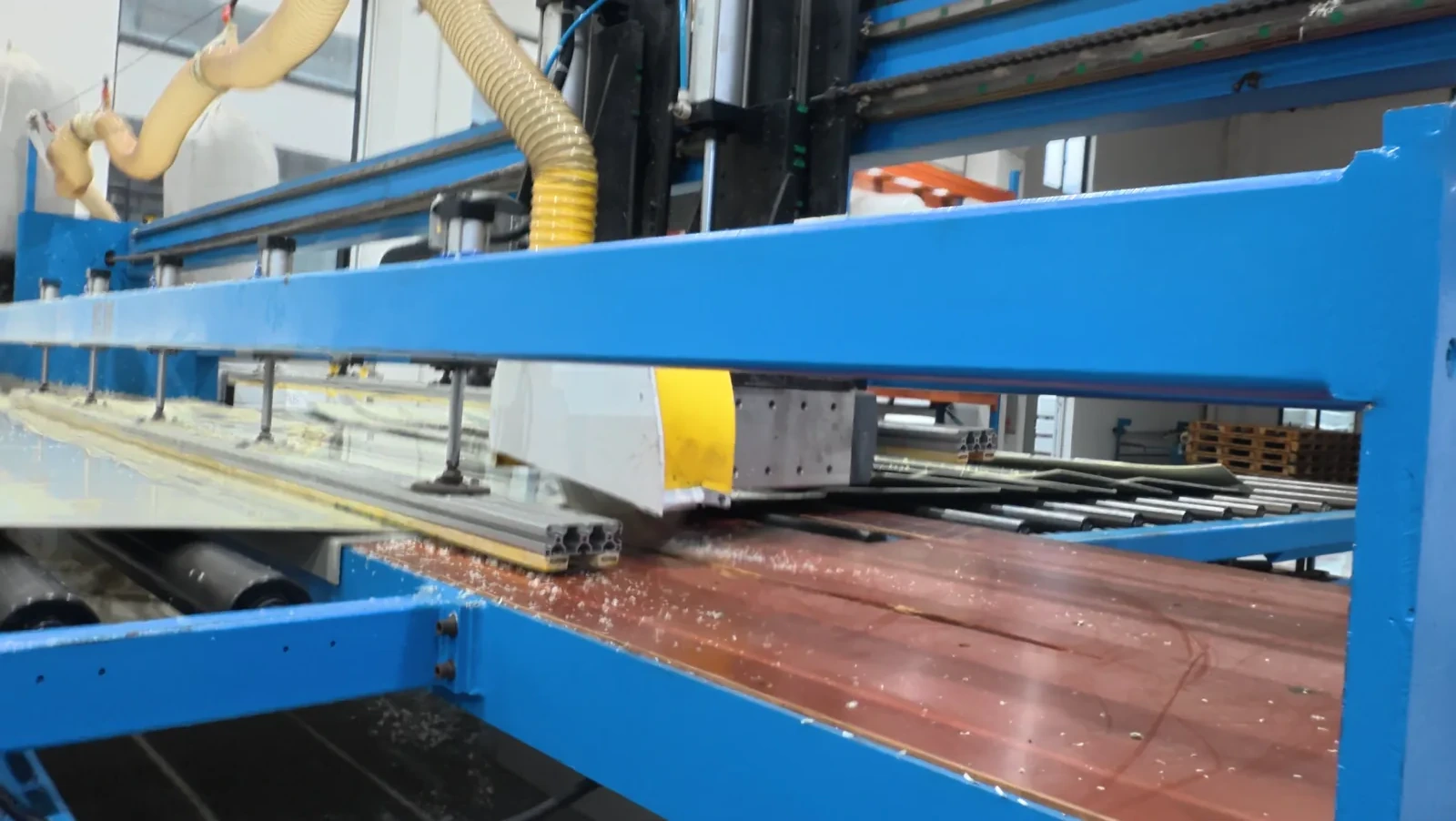
Sprzęt do produkcji arkuszy PP w fabryce QEEHUA
Supplier documentation is easier to review when the requested cabinet parts, fabrication route, and inspection records are listed as separate deliverables.

Video: a fabrication reference for PP cabinet parts

The following approved-playlist video shows a PP sheet cutting process that can provide general context for preparing fabricated cabinet panels. It does not prove cabinet containment, chemical compatibility, fire performance, or regulatory compliance.

Odniesienie do filmu: PP Sheet finished Products: Finished Products | QEEHUA. It gives general fabricated-panel context; it does not confirm cabinet containment, ventilation, fire performance, or regulatory compliance.

Review the request before approval

Before approving the purchase, ask whether a different person owns chemical compatibility, cabinet construction, ventilation, fire protection, spill response, and site acceptance. A clear responsibility map prevents a supplier’s material quotation from being mistaken for a complete storage-cabinet approval.
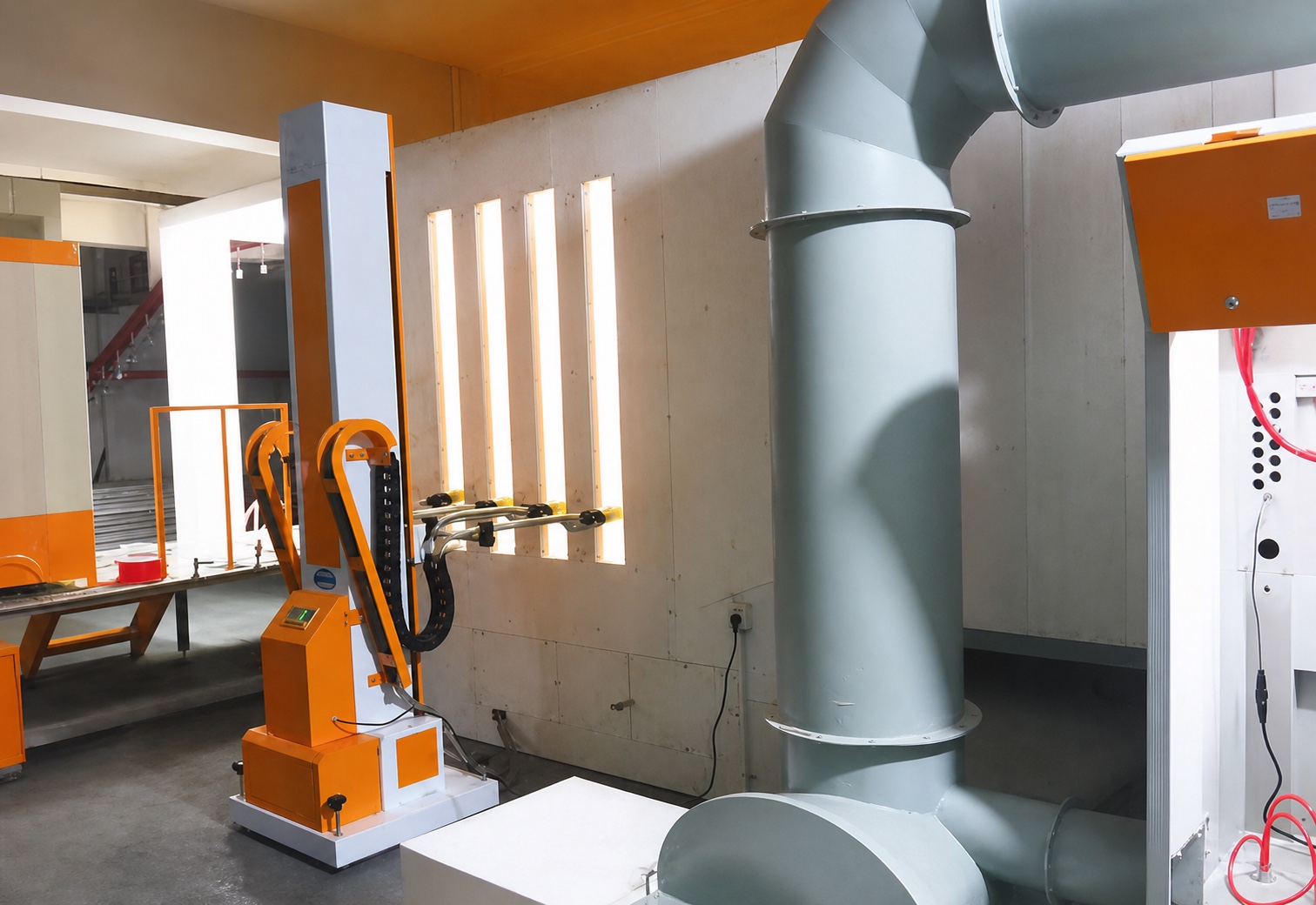
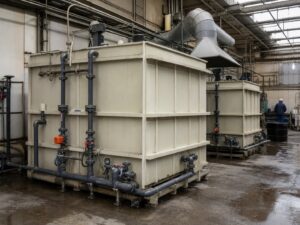
Jednostka oczyszczania spalin metodą natryskową PP w warsztacie fabrycznym
Adjacent process equipment can affect cabinet interfaces, ventilation, and maintenance responsibilities, so those boundaries belong in the project review.

Często zadawane pytania

Does a PP sheet cabinet automatically provide compliant secondary containment?

No. The cabinet design, containment path, chemical conditions, site rules, and responsible safety review must establish whether the complete installation meets the applicable requirements.

What chemical information should a buyer send with a cabinet enquiry?

Send the chemical or mixture name, concentration, temperature, contact duration, cleaning agent, spill or condensate scenario, and the relevant SDS or project requirement.

Should every chemical storage cabinet component use the same PP sheet review?

No. Trays, liners, shelves, doors, joints, supports, and interfaces may have different functions and exposure conditions. Review each component and its connection to the containment path.

Prepare a clearer chemical-storage cabinet enquiry

Send the cabinet drawing, chemical list, SDS references, containment function, quantity, and delivery location so QEEHUA can review the request against the available PP sheet options.

Skontaktuj się z QEEHUA, aby uzyskać zapytanie dotyczące arkuszy PP

Spis treści

Może Ci się też spodobać

Zbiorniki procesowe PP w warsztacie przetwórstwa chemicznego

How to Review PP Sheet Chemical Compatibility Before Choosing a Tank Liner

PP sheet chemical compatibility should be reviewed against the real chemical duty, not selected from a chemical name alone. Before choosing a polypropylene tank liner, document concentration, temperature, exposure time, mixed chemicals, mechanical stress, contact mode, and the liner or tank construction. Then connect the screening data to the drawing, weld details, supports, and acceptance plan. Short answer: use a PP chemical-resistance table to screen candidate materials, then confirm the exact chemical, concentration, temperature, contact duration, stress, and fabricated geometry. A chart can remove unsuitable options; it cannot approve a complete tank liner or guarantee service life for an unverified chemical blend. Compatibility review should connect the proposed PP sheet to the actual tank duty and fabricated assembly. Why a chemical name is not enough for PP sheet selection “Is polypropylene resistant to this chemical?” is a useful starting question, but it is not yet a tank-liner specification. The same chemical can produce a different result when concentration, temperature, exposure time, stress, or contamination changes. A liner that sees continuous immersion has a different duty from a splash guard or a tank exterior exposed to vapour and condensate. For a fabricated chemical tank, the sheet is also part of a

Przeczytaj więcej »
Linia produkcyjna arkuszy PP i obszar podawania materiału w QEEHUA

How Should PP Sheet Specifications Be Written for a Custom Order?

For a custom polypropylene sheet order, start with clear polypropylene sheet specifications: define the end use, then lock the material, thickness, width, cut format, surface texture, corona-treatment requirement, inspection method, and packing condition. A single request for “PP sheet” leaves too much room for a technically correct sheet that cannot be printed, welded, machined, or fitted to the drawing. Short answer: Write the order as a controlled specification, not a shopping-list keyword. State the intended process, nominal thickness and tolerance, usable width and length, smooth or textured surface, treated side and treatment test for any corona requirement, plus the sample, inspection, and packaging evidence needed before release. This guide covers the custom-order decisions that appear repeatedly in supplier RFQs. It complements QEEHUA’s PP Sheet selection, fabrication, and applications guide. The existing PP sheet thickness review for fabricated equipment focuses on structural and equipment decisions; this article focuses on turning a buyer’s dimensional and surface requirements into a production-ready sheet specification. Polypropylene sheet specifications start with the downstream job The same polypropylene sheet specification can be suitable for one conversion route and unsuitable for another. A tank panel, a machined guard, a thermoformed cover, and a printed or laminated sheet may

Przeczytaj więcej »
Linia produkcyjna arkuszy PP i obszar podawania materiału w QEEHUA

When Is Polypropylene Sheet Thermoforming Appropriate for Fabricated Equipment?

Polypropylene sheet thermoforming is appropriate when a project needs repeatable curved or contoured parts, a controlled forming tool, and a clear plan for cooling, trimming, and joining the formed component to the rest of the equipment. It is usually not the first choice for a one-off large tank made from flat panels, heavily welded assemblies, deep undercuts, or designs whose chemical and mechanical duty is still undefined. Short answer: choose polypropylene sheet thermoforming when the part geometry can be formed reliably from a qualified sheet and the production quantity justifies a tool or forming fixture. Choose welded PP plate when the equipment is large, highly customized, dominated by flat panels and welded seams, or likely to change during site fit-up. A hybrid route often gives the best result: thermoform the repeatable shell or cover, then weld it to fabricated PP panels, flanges, nozzles, supports, or access details. Sheet quality and processing history influence whether a PP part can be formed consistently for fabricated equipment. What thermoforming changes in a fabricated-equipment project Thermoforming heats a thermoplastic sheet, shapes it over or into a tool using vacuum, pressure, mechanical assistance, or a combination, then cools and trims the part. The result is

Przeczytaj więcej »

Chcesz wypróbować bezpłatną próbkę?

Złóż wniosek do QEEHUA, aby otrzymać spersonalizowaną próbkę dostosowaną do Twoich potrzeb. Odezwiemy się w ciągu 24 godzin.