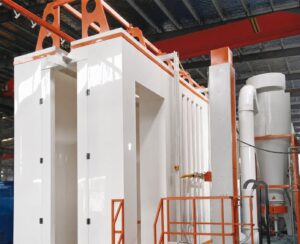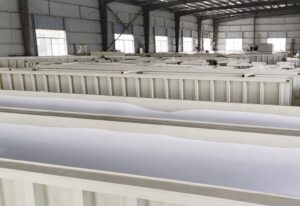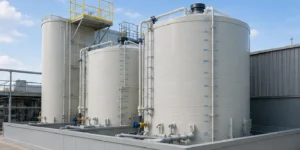
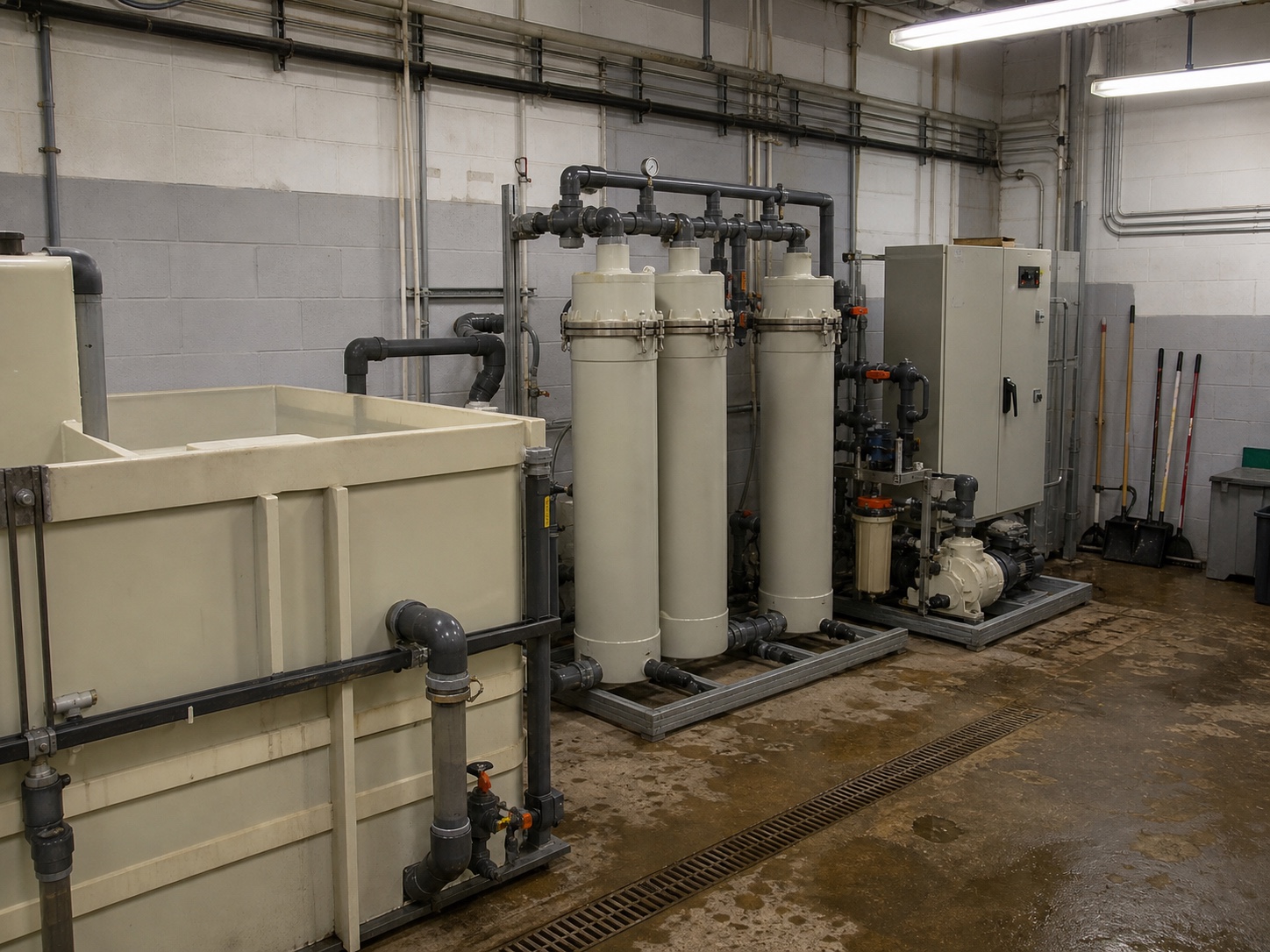
UV-resistant PP sheet enclosures for outdoor wastewater equipment can be considered when the project team verifies the actual sunlight, rain, chemical-contact, temperature, structural, fastening, and maintenance conditions together. The material review should define the enclosure’s job first; it should not substitute a site-specific equipment or structural design review.
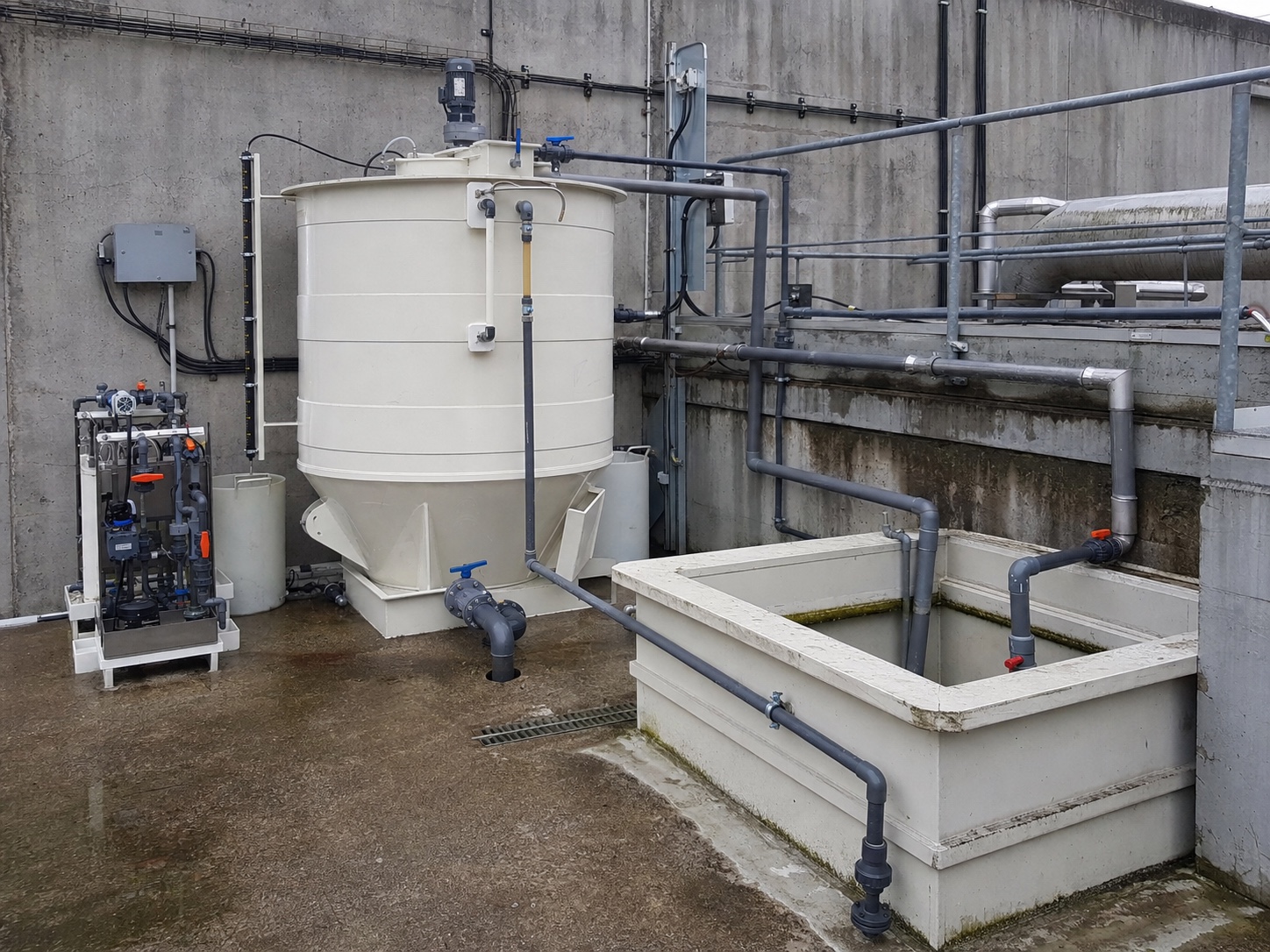
Specify UV-Resistant PP Sheet Enclosures Around the Actual Wastewater Duty
An outdoor enclosure may shield a pump area, cover a tank-side component, separate operators from splashes, protect instruments, or create an access panel. Those uses impose different requirements. A removable cover, for example, needs a clear lifting and fastening plan; a fixed wall panel needs support spacing and penetrations defined; a splash shield needs the process fluid and cleaning routine identified.
A specification for UV-resistant PP sheet enclosures should identify which of those functions the panel must perform before the material is approved.
For wastewater projects, include the location of the enclosure, whether it sees direct sun or reflected heat, rainfall drainage, wind exposure, wash-down, process splash, vapour, and nearby metal or plastic interfaces. These conditions are also the right context for the site’s PP sheet weathering-data guide; an accelerated exposure result is useful evidence, but it is not a promised field service life.
Confirm the material evidence against the actual duty
QEEHUA’s current PP sheet data sheet identifies UV and weathering protection as product considerations and records accelerated UV-exposure testing. ASTM G154 describes a fluorescent-UV and water exposure apparatus for evaluating effects associated with UV, moisture, and heat; ASTM also states that the procedure alone does not prescribe the exposure conditions best suited to a particular application. Treat test information as a comparison input, then confirm the real project environment.
ASTM G154: fluorescent UV exposure of materials
Chemical suitability needs the same discipline. Identify every liquid, splash, vapour, cleaning agent, concentration, operating temperature, contact duration, and the part of the enclosure that may be exposed. ASTM D543 notes that meaningful chemical-resistance comparisons depend on how closely the test conditions represent end use. Do not infer suitability for an unlisted chemical or duty from a general PP statement.
ASTM D543: evaluating plastics against chemical reagents
Build an RFQ for UV-Resistant PP Sheet Enclosures Around the Interfaces
A useful enquiry gives the fabricator enough information to distinguish a material request from an equipment-interface request. The following checklist keeps the conversation focused on verifiable inputs.
- Equipment and location: equipment tag, outdoor location, photos, drawings, and whether the panel is a cover, wall, guard, access door, or instrument enclosure.
- Exposure map: direct sunlight, rainfall, wash-down, splash, vapour, leakage path, drainage route, nearby heat source, and expected cleaning agents.
- Geometry: finished dimensions, panel thickness requested by the project designer, bends, returns, cut-outs, inspection openings, and access clearances.
- Support and fastening: frame material, support locations, fastener and gasket interfaces, removable-panel requirement, and restrictions on drilling or welding on site.
- Acceptance: drawing revision, visual requirements, dimensional checks, identification, packing, delivery condition, and any customer-specified inspection record.
Use a decision table before approving a panel layout
| Project condition | What to define | Decision owner |
|---|---|---|
| Direct outdoor exposure | Orientation, duration, rain path, heat build-up, and weathering evidence required | Project engineer with material review |
| Process-side splash or vapour | Chemical identity, concentration, temperature, contact time, cleaning regime | Process owner |
| Large or removable panel | Panel size, supports, handling method, stiffening, fasteners, and access needs | Equipment or structural designer |
| Wastewater process interface | Drainage, inspection, pipe penetration, leak route, and maintenance clearance | Project team |
For the broader equipment context, review PP sheet selection for wastewater-treatment equipment. For a material submission, the PP sheet data-sheet fabrication guide helps separate published material data from the project’s own design requirements.
See the production context, then keep the selection decision project-specific
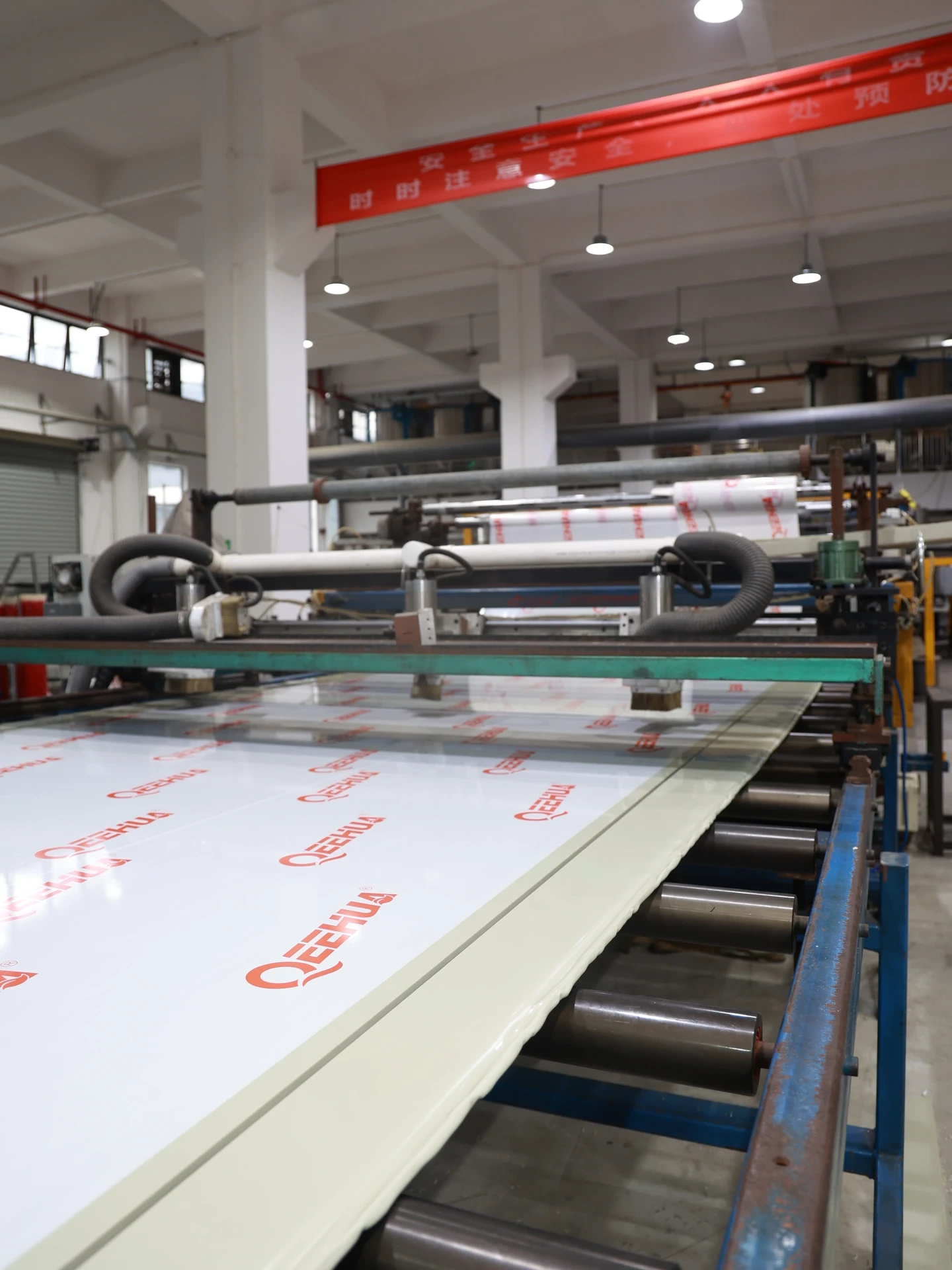
The following production video is relevant because enclosure panels start with PP sheet handling and cutting. It does not demonstrate outdoor durability, chemical compatibility, load capacity, welding quality, or suitability for a particular wastewater system.
Odniesienie do filmu: “PP Sheet Extrusion: Sheet Formation Process | QEEHUA” shows general sheet-formation context only; project-specific enclosure suitability still requires review of the stated duty and drawing.
Plan the installation and maintenance route
Outdoor equipment rarely stays untouched after commissioning. Define how operators will remove a panel, inspect behind it, clean it, replace a gasket, and keep water from collecting at seams or cut-outs. If an enclosure surrounds pipework or a tank, the drawing should preserve valve access, drain paths, instrument visibility, and clearance for routine work.
The result is a more useful procurement package: the supplier can price a defined fabrication scope, while the project team retains responsibility for service conditions, support design, and compliance obligations.
Request a review with the right project information
When your team has the exposure map, drawings, dimensions, and material-duty information, send them with an industrial PP sheet quote request. A defined RFQ for UV-resistant PP sheet enclosures lets QEEHUA confirm the available material and fabrication scope against the documented project inputs. Do not treat this article as a structural calculation, a chemical-compatibility guarantee, or a substitute for the project engineer’s approval.
FAQ
Can UV-resistant PP sheet be specified for any outdoor wastewater enclosure?
Not automatically. Confirm the sheet’s documented weathering information against the actual exposure, chemical contact, temperature, panel design, supports, fasteners, drainage, and maintenance needs before approval.
What information should a supplier receive before quoting an enclosure panel?
Provide the equipment location, exposure map, process media and cleaning agents, drawings, dimensions, cut-outs, support and fastening details, removable-panel needs, and acceptance requirements.
Does an accelerated UV test establish outdoor service life?
No. Accelerated UV exposure is useful comparative evidence, but site conditions such as sunlight, moisture, heat, pollution, installation, and mechanical loading must still be evaluated for the intended use.
Who should approve panel thickness and support spacing?
The equipment or structural designer should approve panel thickness, support spacing, framing, fastening, and loading assumptions for the actual enclosure geometry and site conditions.