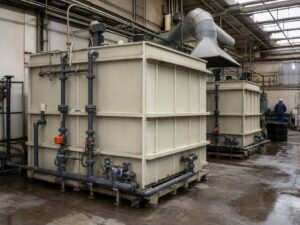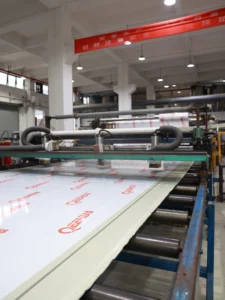
Para escolher o certo vareta de solda PP, Primeiro, selecione a vareta adequada para a chapa ou componente de polipropileno a ser soldado e, em seguida, verifique o processo de fabricação, os requisitos químicos, a geometria da junta e os requisitos de inspeção. Para a pergunta de cauda longa Como escolher varetas de solda PP para fabricação de tanques de plástico, A resposta prática é controlar a compatibilidade dos materiais antes de otimizar a técnica de soldagem.
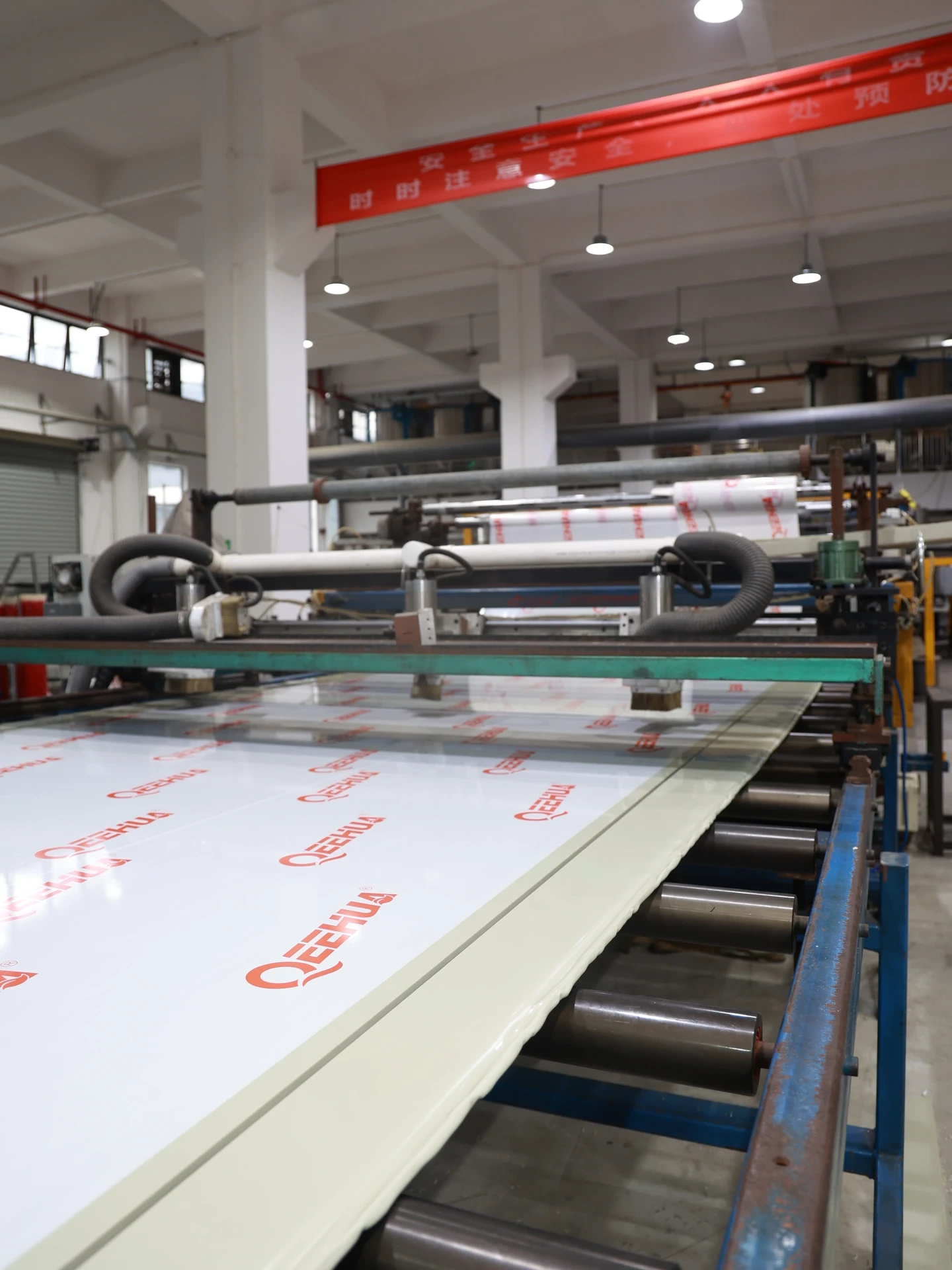
Este guia abrange tanques químicos, dutos de processo, componentes de lavadores de gases e outros equipamentos plásticos fabricados a partir de chapas de PP. Também explica como Varetas de solda PP, perfis de varetas de solda de polipropileno e Folhas de PP encaixam-se numa especificação de aquisição.
Por que a seleção de varetas de solda de PP é importante na fabricação de produtos químicos
PP welding rod for chemical tanks: project review
Utilize os requisitos documentados do projeto para comparar os materiais, a fabricação e os insumos de controle de qualidade relevantes antes da liberação.
Um tanque ou duto soldado é um sistema que envolve polímero, juntas, entrada de calor e geometria. Se a haste não for compatível com a chapa base, a solda pode se tornar o ponto fraco, mesmo que as dimensões do equipamento estejam corretas. Um erro comum na compra é especificar uma haste apenas pela cor ou diâmetro, sem identificar o material PP e o método de soldagem.
Para aplicações químicas, revise com o fabricante as características do líquido ou vapor, a concentração, a temperatura, o tempo de exposição e a carga mecânica. Orientações gerais sobre materiais não substituem uma análise de resistência química ou uma verificação de projeto por um engenheiro.
Como combinar a haste com a folha de PP e o equipamento
1. Confirme a compatibilidade do polímero.
Comece com o material base: a chapa de PP deve ser soldada com uma vareta de polipropileno compatível. Solicite a designação do material utilizado na chapa e na vareta e mantenha a identificação do fornecedor nos registros do projeto. Não presuma que um termoplástico visualmente semelhante seja intercambiável.
2. Adeque o formato da vareta ao processo de soldagem.
Os métodos de soldagem a ar quente, extrusão e outros métodos de soldagem de termoplásticos impõem diferentes exigências quanto à alimentação da vareta, ao comportamento da fusão e à preparação da junta. O diâmetro e o perfil da vareta devem ser adequados ao equipamento de soldagem e ao projeto da junta. O processo correto é aquele que produz fusão controlada, sem superaquecimento, vazios ou contaminação.
3. Prepare a junta antes de aquecê-la.
Limpe, seque e chanfre corretamente as superfícies de junção. Remova a oxidação ou contaminação de acordo com o procedimento do fabricante, mantenha o alinhamento e utilize as configurações do fabricante do equipamento como ponto de partida. Para ferramentas de preparação e planejamento do processo, consulte Equipamento para preparação de juntas de soldagem de PP.
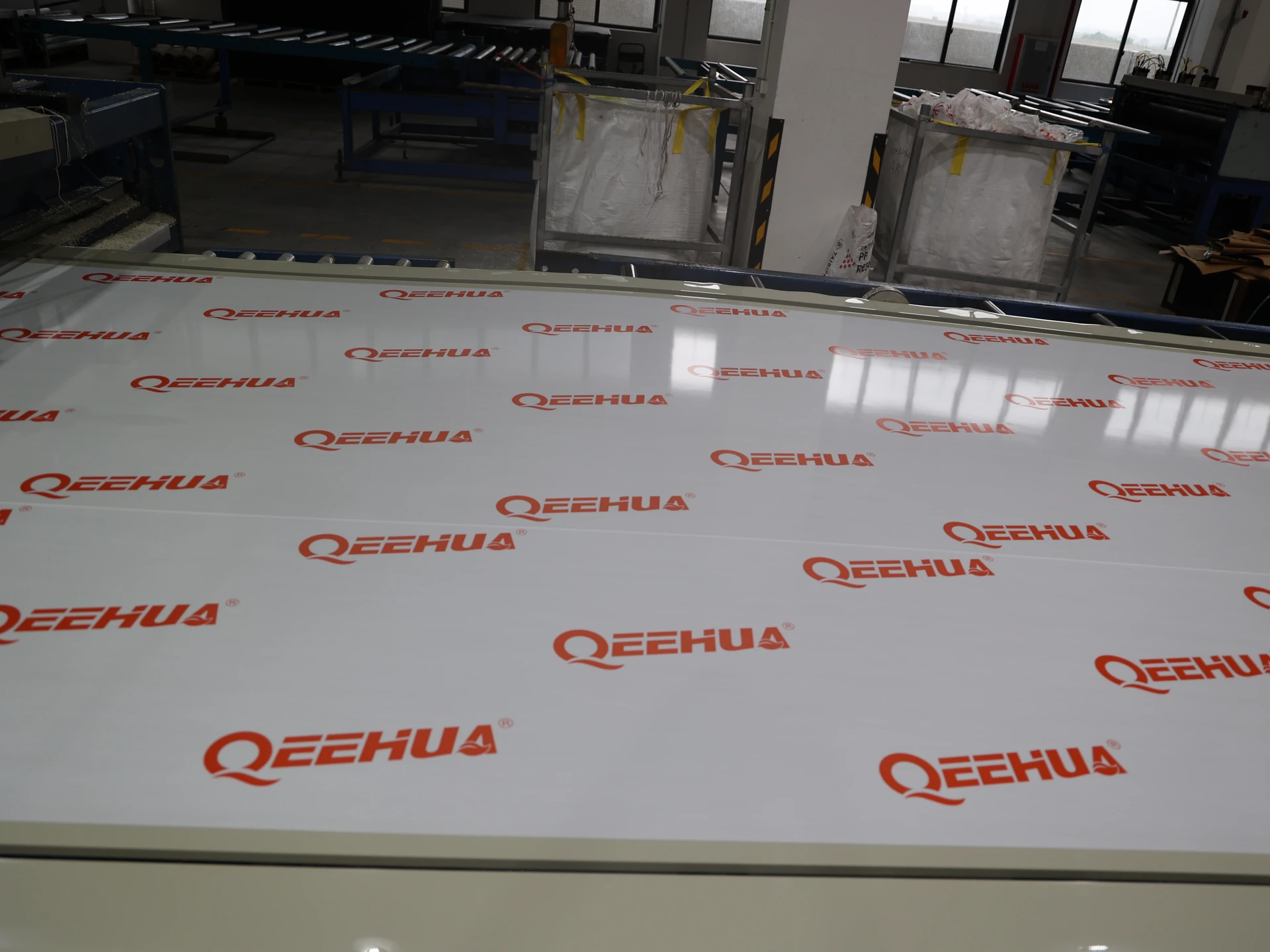
Tabela de seleção de varetas de solda PP
| Questão de fabricação | O que verificar | Por que isso importa |
|---|---|---|
| Qual é o material base? | Designação de chapas ou componentes de PP, documentação do fornecedor e rastreabilidade. | A haste deve ser compatível com o polímero que está sendo unido. |
| Que equipamentos estão sendo fabricados? | Tanque, duto, componente do depurador, coifa, conexão de tubulação ou invólucro personalizado; localização e carregamento da junta. | A geometria e as cargas de serviço influenciam o projeto das juntas e o acesso para soldagem. |
| Qual processo de soldagem será utilizado? | Equipamento de soldagem por ar quente ou extrusão, bocal ou sapata, alimentação de vareta e procedimento do operador. | O tamanho das hastes e o controle do processo devem funcionar em conjunto. |
| O que é o serviço químico? | Identidade química, concentração, temperatura, exposição ao vapor e ciclo de limpeza. | A adequação do material é específica para cada aplicação; uma alegação genérica de compatibilidade não constitui uma aprovação de projeto. |
| Como a solda será inspecionada? | Inspeção visual, verificação dimensional, teste de vazamento ou outro método de inspeção aprovado pelo projeto. | Os requisitos de inspeção devem ser acordados antes da fabricação, e não depois que ocorrer um vazamento. |
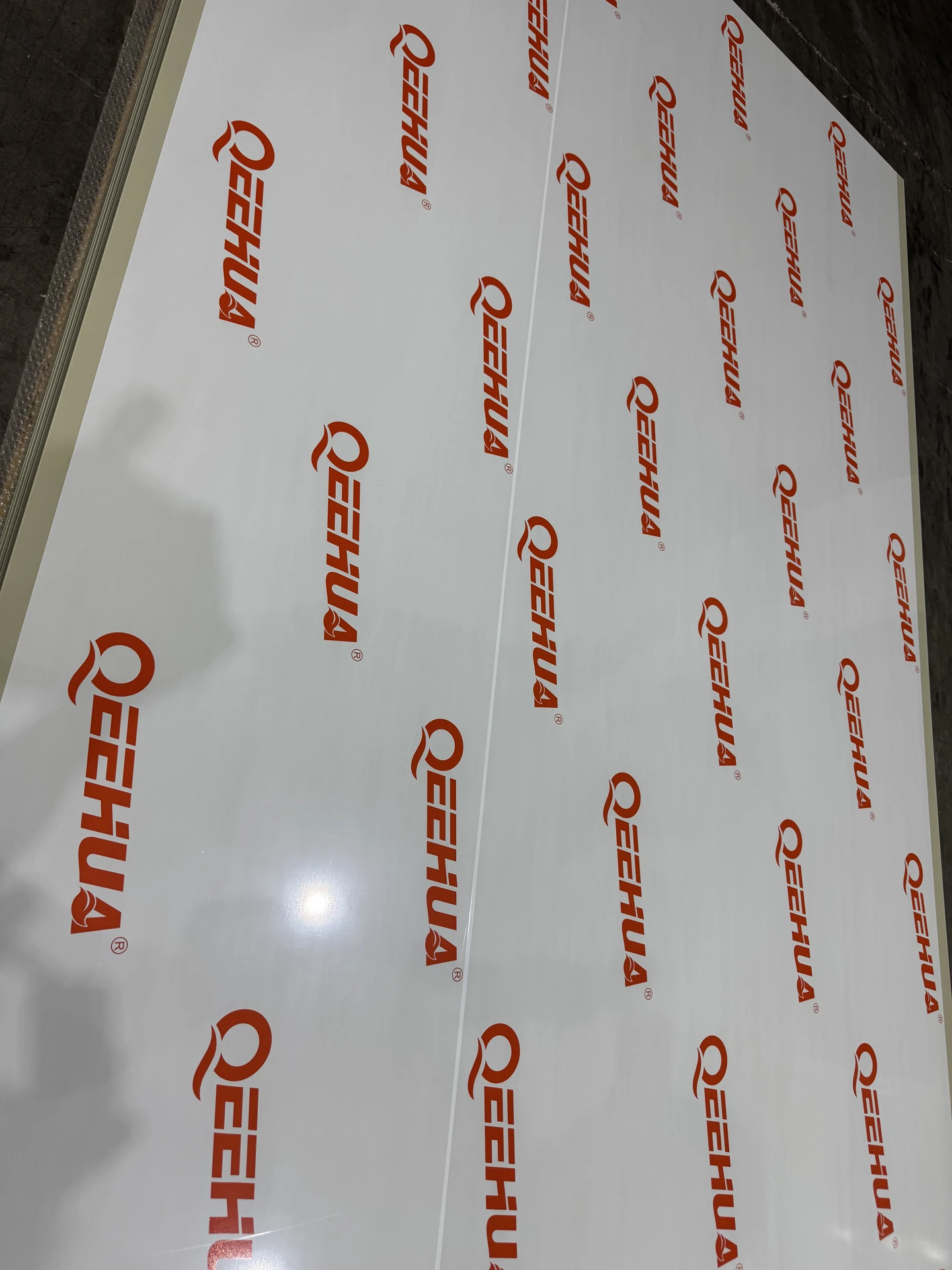
Para pacotes de EPC e aquisições industriais, documente o material, as dimensões, o método de soldagem, as expectativas de inspeção e as exclusões. Apresentação de material em chapa de PP para projetos EPC Pode ajudar a manter a decisão relevante visível durante a revisão.
Verificações de aplicação para tanques e dutos químicos
tanques químicos
A fabricação de tanques exige mais do que a simples seleção de hastes. É necessário analisar a altura manométrica do líquido, o espaçamento dos suportes, as cargas nos bocais, as aberturas de acesso, os ciclos térmicos e o revestimento ou arranjo estrutural proposto. A altura manométrica do líquido é apenas uma consideração preliminar, não sendo um cálculo completo da espessura da parede ou do projeto estrutural de um tanque de polipropileno. Um engenheiro deve verificar as condições de contorno do projeto.
Dutos de processo e componentes de lavagem de gases
Os dutos e componentes do depurador podem ser expostos a vapores químicos, pressão negativa ou positiva, variações de temperatura, ventiladores, suportes e vibração. Verifique os detalhes dos flanges, transições, cantos, acesso à solda e folgas de movimentação. A compatibilidade das hastes continua sendo essencial, mas a geometria da junta e a qualidade da instalação geralmente determinam se o conjunto funcionará conforme o esperado.
Para terminologia geral e informações técnicas sobre soldagem de termoplásticos, consulte o Guia de soldagem de plástico TWI. Para obter uma referência de normas utilizadas em tubulações termoplásticas e aplicações industriais, consulte [referência]. ISO 15494 e confirme a edição e a aplicabilidade do projeto com o engenheiro responsável.
Erros comuns na seleção de varetas de solda de PP
- Escolher uma haste porque sua cor é semelhante à do lençol.
- Alterar o diâmetro da vareta sem verificar a pistola de solda, o bocal ou a sapata de extrusão.
- Soldagem sobre uma junta suja, oxidada ou mal alinhada.
- Utilizar a resistência química como substituto para o projeto estrutural, térmico ou de pressão.
- Deixar os requisitos de inspeção e teste de vazamento indefinidos até que o equipamento esteja completo.
Perguntas frequentes
Qual é a melhor vareta de solda PP para fabricação de tanques de plástico?
A melhor vareta de solda para PP é uma vareta de polipropileno compatível com a chapa ou componente de PP e adequada ao processo de soldagem selecionado. Confirme a especificação do material, o formato da vareta, o projeto da junta e as condições de serviço com o fabricante.
Varetas de solda de polipropileno podem ser usadas em dutos químicos?
A vareta de solda de polipropileno pode ser usada para componentes de dutos de PP compatíveis, desde que o ambiente químico, a temperatura, a pressão, os suportes e o projeto da junta sejam avaliados. A vareta, por si só, não determina a adequação do duto.
A soldagem de chapas de PP requer preparação da junta?
Sim. A soldagem de chapas de PP normalmente requer superfícies limpas e secas, preparação adequada das bordas, alinhamento e aporte térmico controlado. A preparação exata depende da junta e do processo de soldagem.
Como especificar varetas de solda PP em um pacote EPC?
Especifique o material PP compatível, a identificação da chapa e da barra, o processo de soldagem, os detalhes da junta, o método de inspeção, as condições de serviço e a documentação necessária. Evite especificar apenas a cor ou o diâmetro nominal.
A aprovação ISO 15494 é equivalente à aprovação do projeto de um tanque?
Não. Uma declaração padrão de referência e conformidade de materiais não substitui uma revisão de projeto de tanque por um engenheiro, uma avaliação de compatibilidade química ou um plano de inspeção específico do projeto.
Lista de verificação de compras e próximos passos
Antes de encomendar, envie ao fabricante o tipo de equipamento, a identificação da chapa de PP, o serviço químico, a temperatura de operação, as dimensões, os detalhes das juntas, o processo de soldagem, os requisitos de inspeção e a documentação de entrega necessária. Se houver incerteza quanto ao material ou aos limites do projeto, resolva essa incerteza antes da produção.
Precisa de ajuda para definir os requisitos de varetas e chapas de solda de PP? Compartilhe seus desenhos de tanques, dutos ou equipamentos, condições de serviço e processo de fabricação através do Página de contato QEEHUA Para uma avaliação específica do projeto.
Para PP welding rod for chemical tanks, Registre as premissas finais do projeto e as verificações de aceitação antes de liberar o escopo de fabricação ou compra.