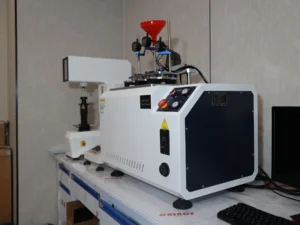
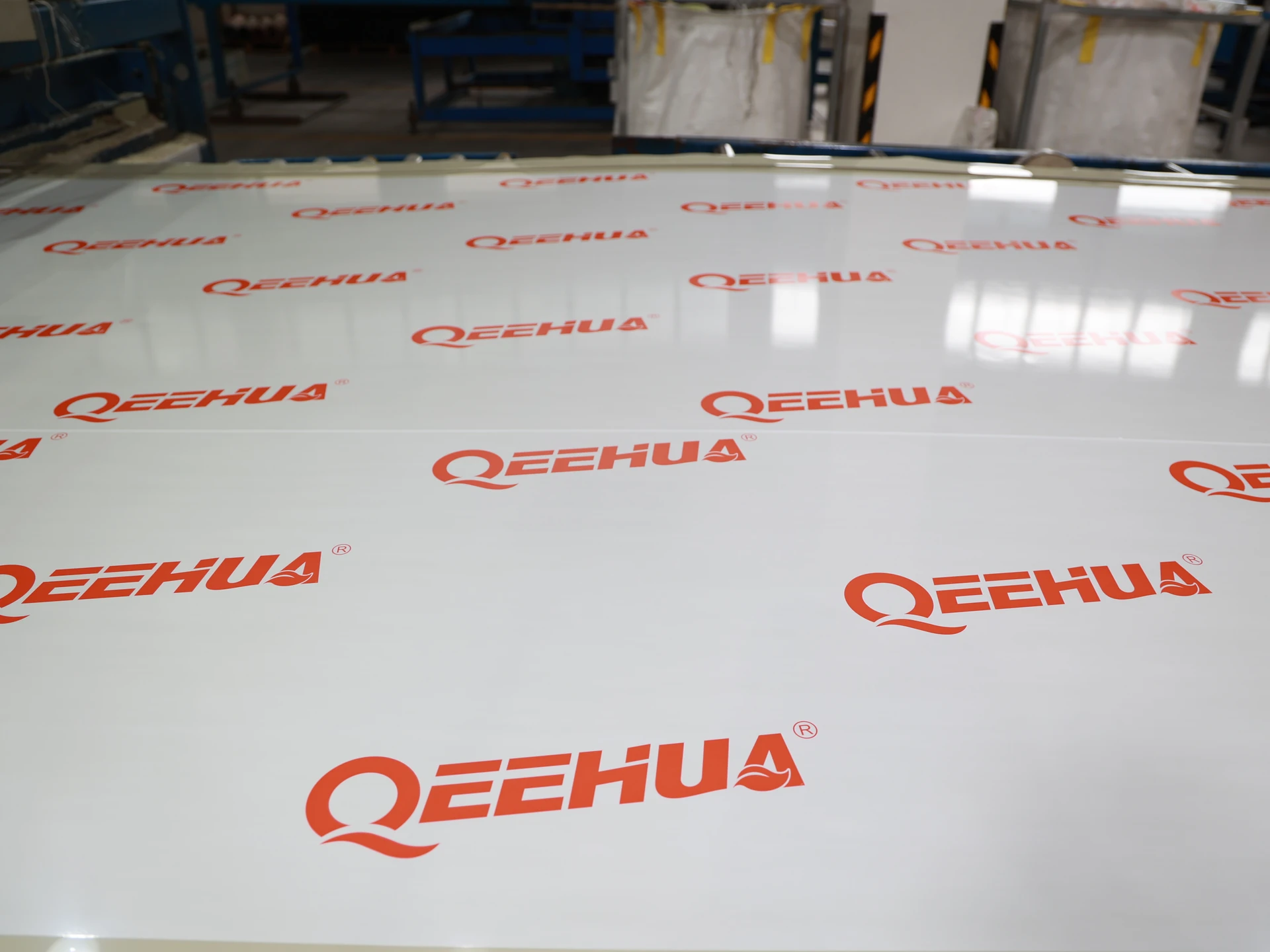
To use PP sheet density for a rectangular sheet, theoretical weight in kilograms equals length, width, and thickness in metres multiplied by the density of the specified grade in kg/m³. A hypothetical 1 × 1 × 0.005 m sheet at 912 kg/m³ weighs 4.56 kg before packaging. The 912 kg/m³ value comes from one tested QEEHUA polypropylene-sheet sample under ASTM D792-20; it is not a default for every current product. Use the supplier’s grade-specific density when preparing an order or freight estimate. Then add cut allowance, any retained offcuts, pallet and protective material, and the actual quantity. Send the drawing and grade request to confirm the estimate before booking transport.
PP sheet density formula
PP sheet density gives a mass-per-volume input, while dimensions give the volume of a simple rectangular blank. Multiply the four quantities only after converting dimensions to consistent units. A calculator that takes millimetres for thickness and metres for length without conversion will be wrong by a factor of one thousand. State the formula and the input grade beside every result.
The theoretical formula is weight (kg) = length (m) × width (m) × thickness (m) × density (kg/m³). It estimates the material in an uncut rectangular sheet of uniform thickness. It does not include a pallet, wrapping, labels, cut waste, drilled holes, welded features, or any packed assembly. A real freight booking needs a packing plan and the quantity of items in the shipment.
Convert dimensions
Convert millimetres to metres by dividing by 1,000. For example, 5 mm is 0.005 m and 10 mm is 0.010 m. Keep the width and length in metres in the same calculation. If the drawing is in inches, convert each dimension first rather than mixing the two systems in one formula. Record the original drawing dimensions and the converted values so someone else can check the arithmetic.
O QEEHUA PP sheet page describes the product discussion. The formula cannot tell whether a particular size, thickness, or density value is currently available for an order.
Use the correct grade
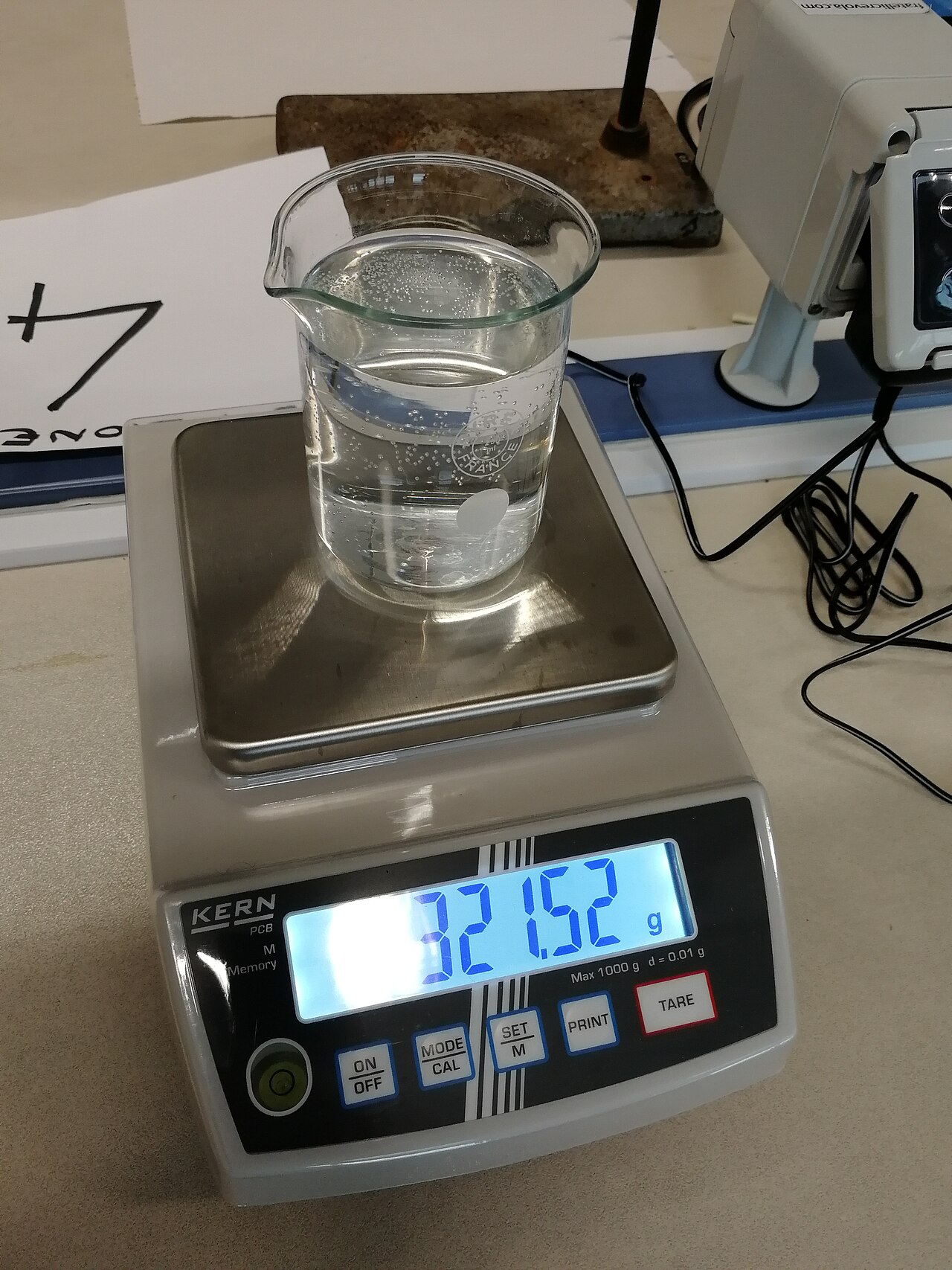
Density is measured on a specified material specimen. ASTM D792-20 describes density and specific-gravity methods for solid plastics, including sheets. The method’s public explanation notes that composition and specimen history can affect a reported density. A number from another supplier’s grade or a generic web table should not silently replace the value for the sheet being purchased.
The QEEHUA June 2026 data sheet reports 912 kg/m³ for a tested polypropylene-board sample under ASTM D792-20. The sheet does not state a production-grade code for that result. Use it below as a transparent teaching input, then request the current grade’s data for a purchase estimate. If a supplier quotes density in g/cm³, the units must be converted before using a kg/m³ formula. The stated 912 kg/m³ corresponds arithmetically to 0.912 g/cm³ for that sample.
Ask for the grade code, data-sheet revision, and whether the result applies to the offered color, filler, and thickness. If the project specifies a weight or density tolerance, that tolerance must come from the order requirement and an agreed measurement plan. The single QEEHUA sample value cannot establish it.
Worked weight examples
The following sizes are hypothetical teaching examples, not a list of QEEHUA stock. Each calculation uses the same 912 kg/m³ tested-sample input to show how dimensions affect theoretical mass. A buyer must replace that input with the offered grade’s confirmed density before treating the result as an order estimate.
| Hypothetical length × width × thickness | Volume | Calculation at 912 kg/m³ | Theoretical sheet mass |
|---|---|---|---|
| 1.00 × 1.00 × 0.005 m | 0.005 m³ | 0.005 × 912 | 4.56 kg |
| 2.00 × 1.00 × 0.010 m | 0.020 m³ | 0.020 × 912 | 18.24 kg |
| 2.44 × 1.22 × 0.010 m | 0.029768 m³ | 0.029768 × 912 | 27.15 kg, rounded |
The table uses nominal dimensions. Actual delivered mass can differ if the size or thickness is different from the example, if the material grade has another density, or if the shipment includes cut parts and packing. A theoretical sheet weight is a useful check on an RFQ, not a verified weighbridge result.
Round the result
Keep enough digits to check the multiplication, then round the displayed value for the purpose at hand. The third example is 27.148416 kg before rounding. Printing many decimal places in a quotation can imply a precision that the input dimensions and density do not support. State the assumptions instead of making the number look more exact.
Cutting and usable yield
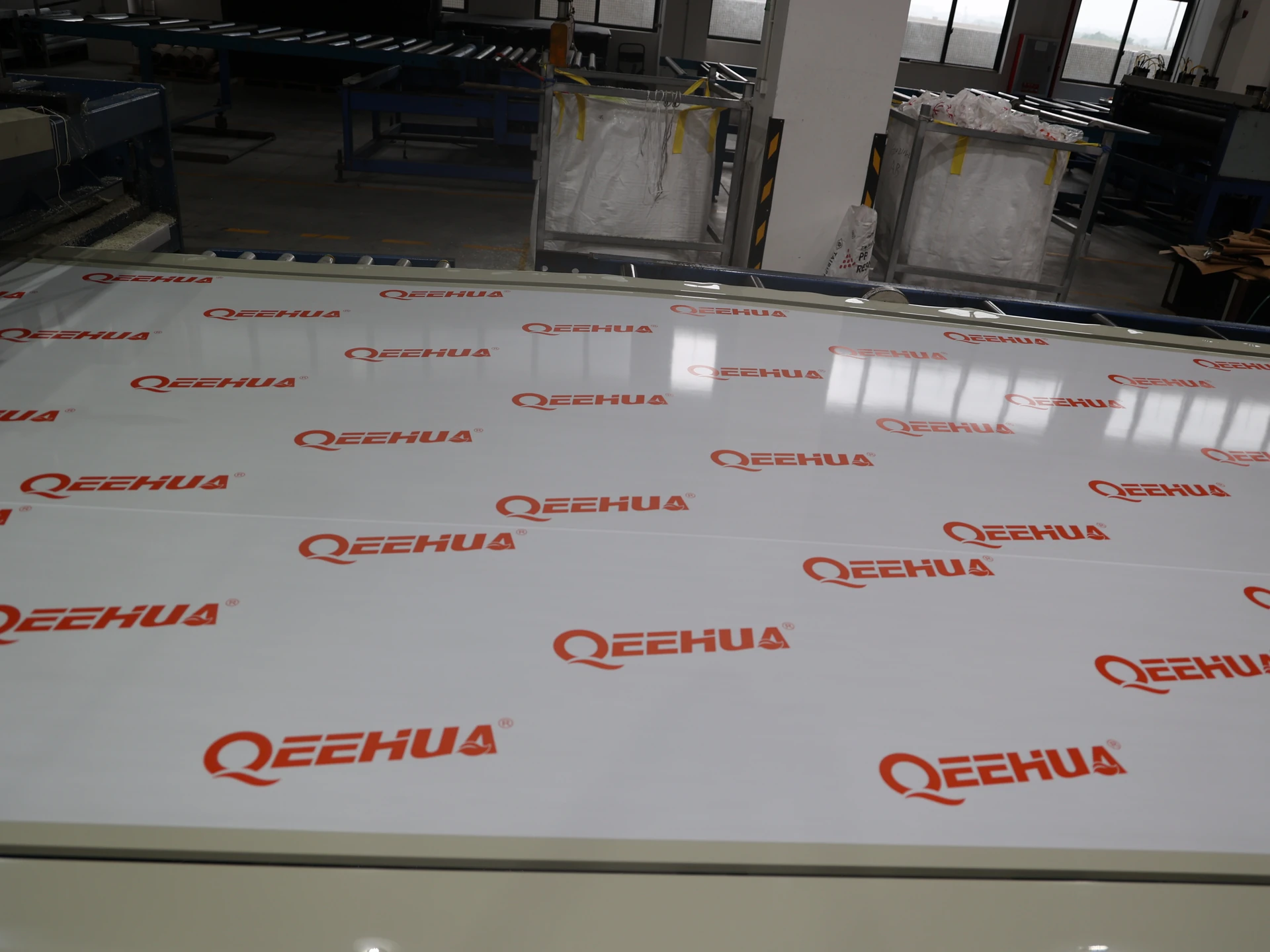
The mass of a full sheet is not the same as the mass of finished parts cut from it. A nesting plan can leave trim, offcuts, and material around holes. The buyer may pay for full sheets while receiving cut panels. State whether the weight estimate covers purchased input, usable finished parts, or material remaining after cutting.
For a simple rectangular cut, calculate each delivered blank using its dimensions. For complex parts, use an agreed cut list or CAD-derived area and retain a separate allowance for offcuts. Do not subtract the volume of every hole from a shipping estimate unless the fabrication route and scrap handling are defined. The data-sheet reading guide helps keep the material grade and measured properties separate from the drawing geometry.
If another fabricator will weld or assemble the parts, the finished equipment weight requires more inputs: welding material, fittings, supports, and attachments. A sheet-only formula cannot produce a tank or duct assembly mass.
Packing and freight weight
Freight planning needs the gross packed load. Count the sheets or cut parts, then add pallets, separators, wrapping, corner protection, labels, and any other handling material. Large panels may require a support plan to prevent damage, even when the plastic itself is light enough for a simple calculation. The project-shipping guide lists the questions a buyer should ask before dispatch.
The destination and handling route matter. A site may have a maximum package size or forklift limit. A carrier may rate a shipment by dimensions as well as actual mass. Do not infer a freight charge from the sample density. The supplier’s quotation and final packing list should identify the package count, dimensions, gross weight, and collection or delivery terms.
- Calculate net theoretical material weight from the offered grade and named dimensions.
- Add the number of items and the agreed packing components to prepare a gross estimate.
- Confirm the final packed dimensions and measured gross weight before booking transport.
Confirm an order estimate
Send the drawing revision, requested full-sheet or cut-part sizes, quantities, grade, color, and destination. Ask which density value the supplier will use and whether the offered product’s data sheet supports it. A PP sheet density estimate should name that value and grade. If packaging is part of the order, ask for a separate packing estimate. That keeps material weight, packed weight, and commercial freight weight distinct.
O environmental engineering application page shows one context in which several panel sizes may be specified. Use the Página de contato QEEHUA to confirm the actual grade, size and packing plan. A project inquiry should include the intended equipment part so the reply can address a real order.
FAQ and sources
Can I use 912 kg/m³ for every PP sheet order?
No. QEEHUA reports 912 kg/m³ for a tested sample under ASTM D792-20. Obtain the density of the actual offered grade for an order estimate.
Why might the delivered shipment weigh more than the calculation?
The formula estimates a rectangular material blank. A shipment can include more sheets, offcuts, pallets, separators, wrapping, labels, and other packing material.
Should cutting waste be included in a PP sheet weight estimate?
State whether the estimate covers purchased full sheets or delivered cut parts. Use the agreed cut list and packing plan to account for any retained offcuts.
Method reference: ASTM D792-20, Density and Specific Gravity of Plastics by Displacement. The 912 kg/m³ input comes from the QEEHUA June 15, 2026 polypropylene-board data sheet and is used within its tested-sample boundary.