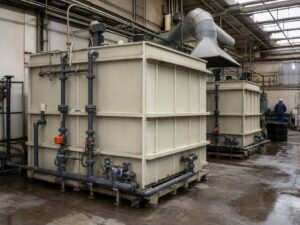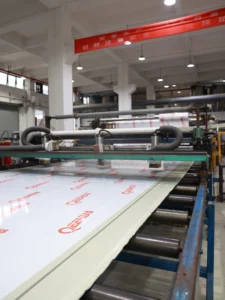
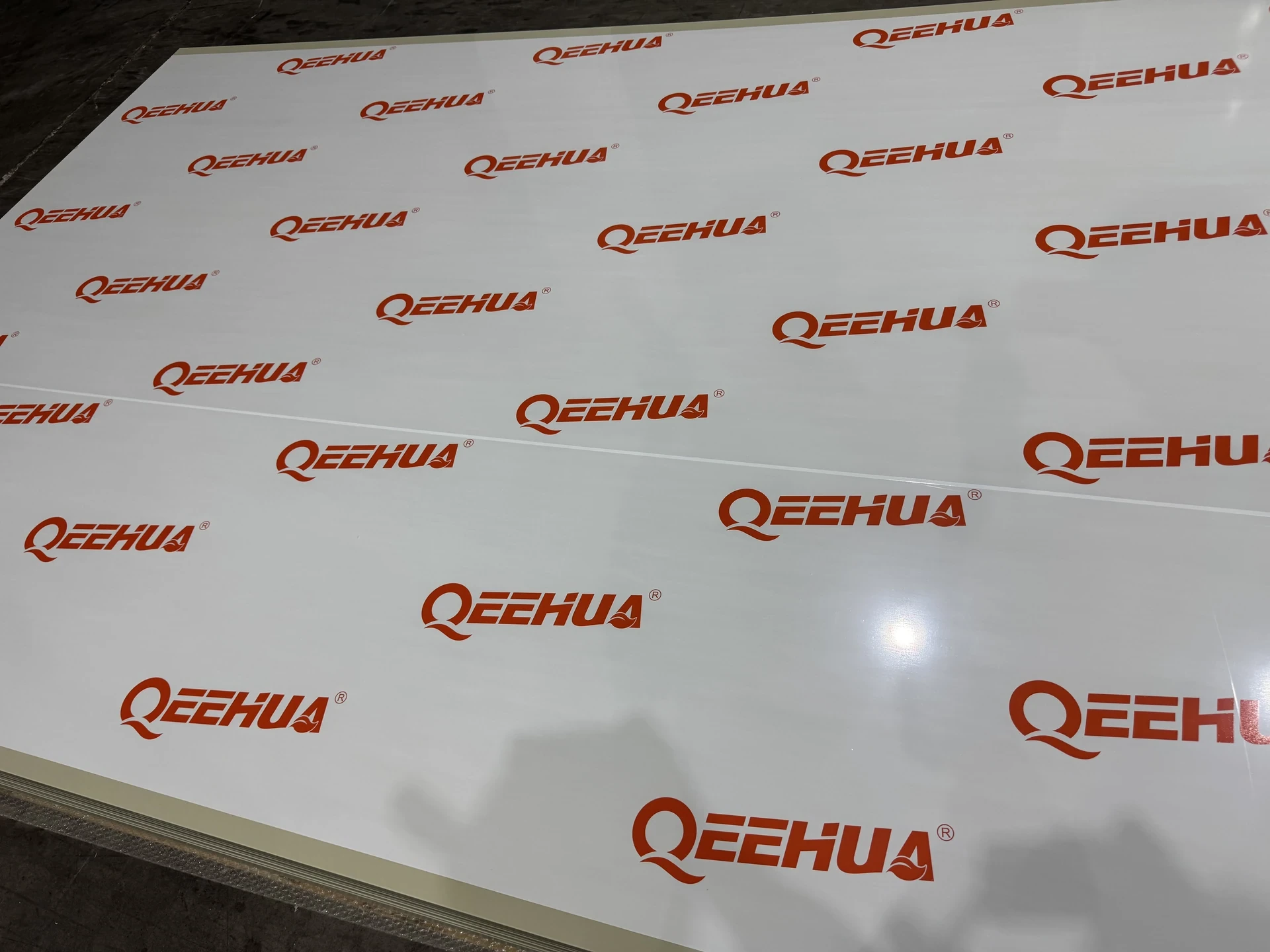
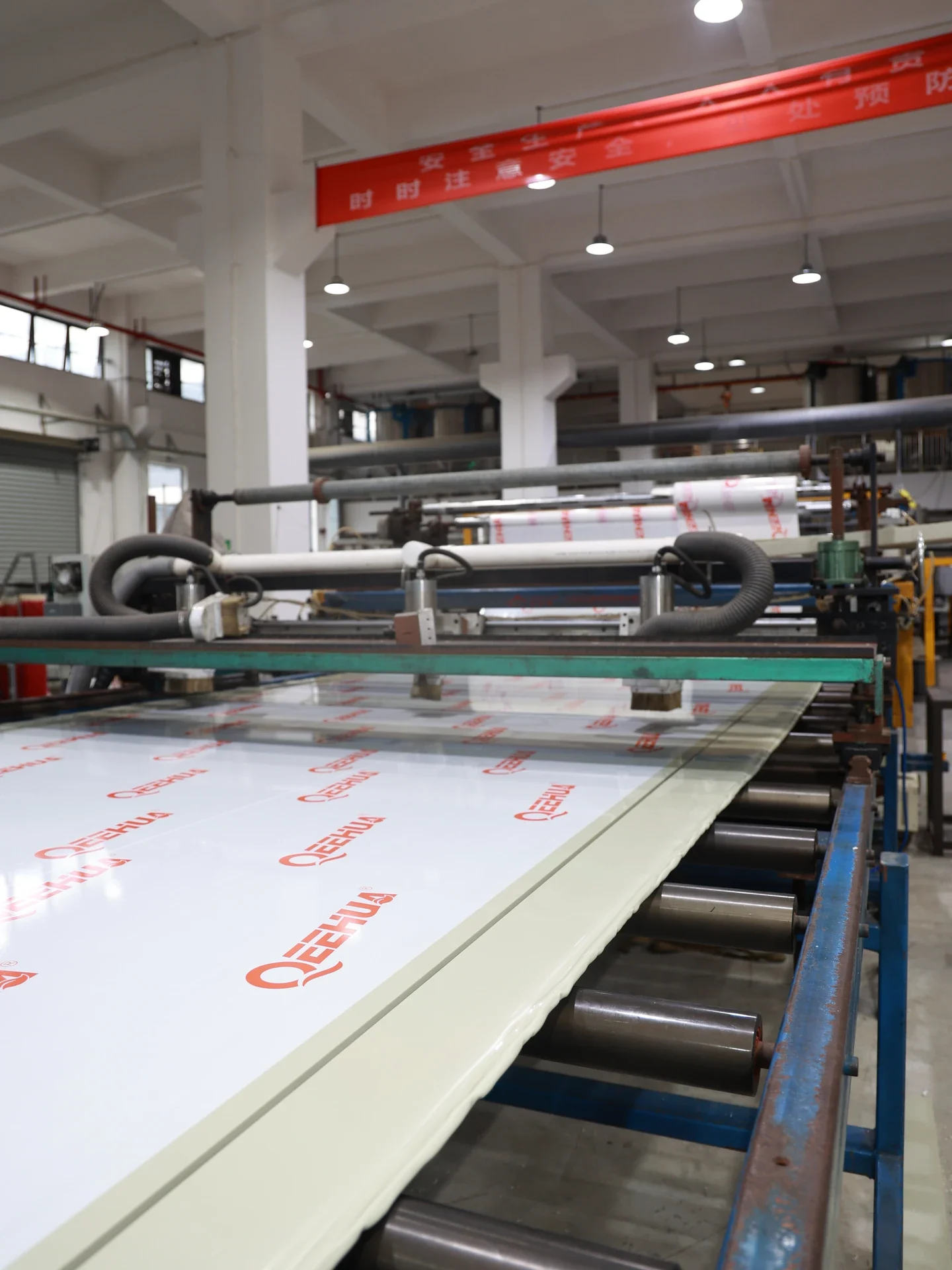
A каландрирование полипропиленовых листов Видео может помочь покупателю обсудить ожидаемые параметры толщины и поверхности, не превращая короткий ролик в техническое задание. В письменном запросе по-прежнему должны быть указаны требуемая толщина листа, размеры, состояние поверхности, функциональность компонентов и назначение проекта. В нем также должны быть указаны все детали резки, механической обработки, сварки или контроля, которые будут выполнены позже. Встроенное видео QEEHUA демонстрирует этап каландрирования в качестве производственного примера. Оно не содержит универсальных допусков, классификации поверхности или разрешений для каждого листа полипропилена. Используйте определенный образец и проверку чертежей, чтобы подтвердить потребности проекта.
каландрирование полипропиленовых листов Необходимо провести проверку на соответствие задокументированным проектным задачам, чертежам, объему работ по изготовлению, документации по материалам и требованиям приемки.
Контекст проекта
PP sheet calendering: project review
Используйте задокументированные требования к проекту для сравнения соответствующих материалов, методов изготовления и контроля качества перед выпуском.
Поверхность и толщина не являются самостоятельными терминами при закупке. Для панели, используемой в качестве видимого покрытия, может потребоваться другой пример вопроса, чем для панели, которая будет обрабатываться, свариваться или устанавливаться за другим компонентом. Назовите готовую деталь и объясните, как поверхность или размеры влияют на ее использование.
В проекте также следует указать условия эксплуатации, которые могут повлиять на готовую сборку. Включите в описание химический контакт, очистку, температуру, нагрузку, точки опоры и воздействие внешних факторов, где это применимо. Это позволит избежать ошибочного принятия визуального обсуждения процесса производства за утверждение выбора материалов.
Для понимания контекста применения ознакомьтесь с материалами QEEHUA. отраслевые приложения и сопоставить запрос с конкретным компонентом, а не с общим обозначением материала.
Видеоссылка
В видеоролике QEEHUA показан этап каландрирования, описываемый как контроль толщины и поверхности. Он полезен для читателей, желающих ознакомиться с производственной темой, рассматриваемой в статье. В нем не показан полный план контроля или результаты приемки по конкретному проекту.
При проверке заказа определите, что должен демонстрировать образец. Это может быть визуальное сравнение поверхностей, проверка размеров в указанной точке, пробная обработка или подгонка в изготовленной детали. Изложите цель в письменном виде, указав изменения в чертеже и предлагаемый материал.
Видеоссылка: PP Sheet Calendering: Thickness and Surface Control | QEEHUA. It illustrates thickness and surface-control context; confirm the applicable tolerance, surface requirement, and inspection method for the order.
Проверка материалов
В техническом паспорте QEEHUA приводятся данные о плотности, результатах испытаний на изгиб, прочности на растяжение и относительном удлинении при разрыве для испытанного образца листового материала. Эти значения должны соответствовать используемым методам испытаний и ограничениям по размеру образца. В паспорте не указываются требования к площади поверхности, допуски по толщине или утверждение о том, что все коммерческие марки будут демонстрировать одинаковые результаты.
Начните с Ассортимент листов полипропилена QEEHUA, Затем сравните запрос с условиями эксплуатации и чертежом. Для оборудования, работающего с химическими веществами, руководство по выбору резервуаров для химических веществ Объясняет, почему среда, концентрация, температура, нагрузка и геометрия должны оставаться в рамках обзора.
Данные проекта
Приведенные ниже значения представлены в качестве краткой справочной информации для обсуждения в рамках анализа материалов. Они остаются привязанными к испытанному образцу и методу. Эти значения не предназначены для копирования в расчеты готового оборудования.
| Свойство | Заявленное значение | Образец и условия | Метод |
|---|---|---|---|
| Плотность | 912 кг/м³ | Образец технической документации на полипропиленовый лист QEEHUA; параметры обработки и производственного класса не указаны. | ASTM D792-20 |
| тест на изгиб | 1870 МПа | Образец технической документации на полипропиленовый лист QEEHUA; параметры обработки и производственного класса не указаны. | ASTM D790-25 |
| Предел прочности | 30 МПа | Образец технической документации на полипропиленовый лист QEEHUA; параметры обработки и производственного класса не указаны. | ASTM D638-22 |
| Удлинение при разрыве | 37% | Образец технической документации на полипропиленовый лист QEEHUA; параметры обработки и производственного класса не указаны. | ASTM D638-22 |
Это значения, указанные в техническом паспорте образца. Они не определяют спецификацию товарного сорта, производственный допуск или конструкцию готового оборудования. Подтвердите сорт, толщину, чертеж, технологическую среду и условия эксплуатации для проекта.
Источники и ограничения: Встроенное видео процесса QEEHUA демонстрирует обсуждаемую здесь производственную ситуацию. Прогиб под нагрузкой по стандарту ISO 75-1 и Эталонная температура ISO 1 для размеров Укажите опубликованный метод или контекст измерения. В таблице по-прежнему указаны методы ASTM, использованные для представленного образца QEEHUA. Ни один из внешних источников не преобразует значение испытанного образца в спецификацию заказа; подтвердите требования проекта перед выпуском.
Перед оформлением заказа на закупку сравните техническую документацию с фактическим запросом построчно. Проверьте предлагаемый продукт, марку или требуемую функцию, толщину, размеры панели, цвет (при необходимости), технологический режим, изменения в чертеже и назначение образца. Цифра, не связанная с конкретным компонентом и условием, не может определять решение по проекту.
Если проект требует возможностей, выходящих за рамки утвержденной документации, четко сформулируйте это требование. Это может включать функциональный класс, одобрение применения, специальный целевой показатель сопротивления, допуск или испытание при изготовлении. Таким образом, QEEHUA сможет подтвердить имеющуюся информацию, вместо того чтобы позволять общему видео или значению, полученному на испытанном образце, подразумевать больше, чем доказывать.
Заводские проверки
Указание на производственный объект должно способствовать формулированию более четкого запроса, а не более широкого требования. Укажите формат листа, цвет, требуемое состояние поверхности, способ резки или обработки, а также точку, подлежащую проверке. Если покупателю требуется измеренный допуск, укажите характеристику, единицы измерения и метод приемки в документации заказа.
При изготовлении панели оборудования также следует проверить этап после поставки листового металла. Сварной шов, фланец, отверстие, опорная рейка или усиление могут изменить функциональные возможности панели. Отправьте соответствующий чертеж вместе с запросом на материалы, чтобы бригада изготовителей могла определить пределы возможностей образца.
Ограничения на видео
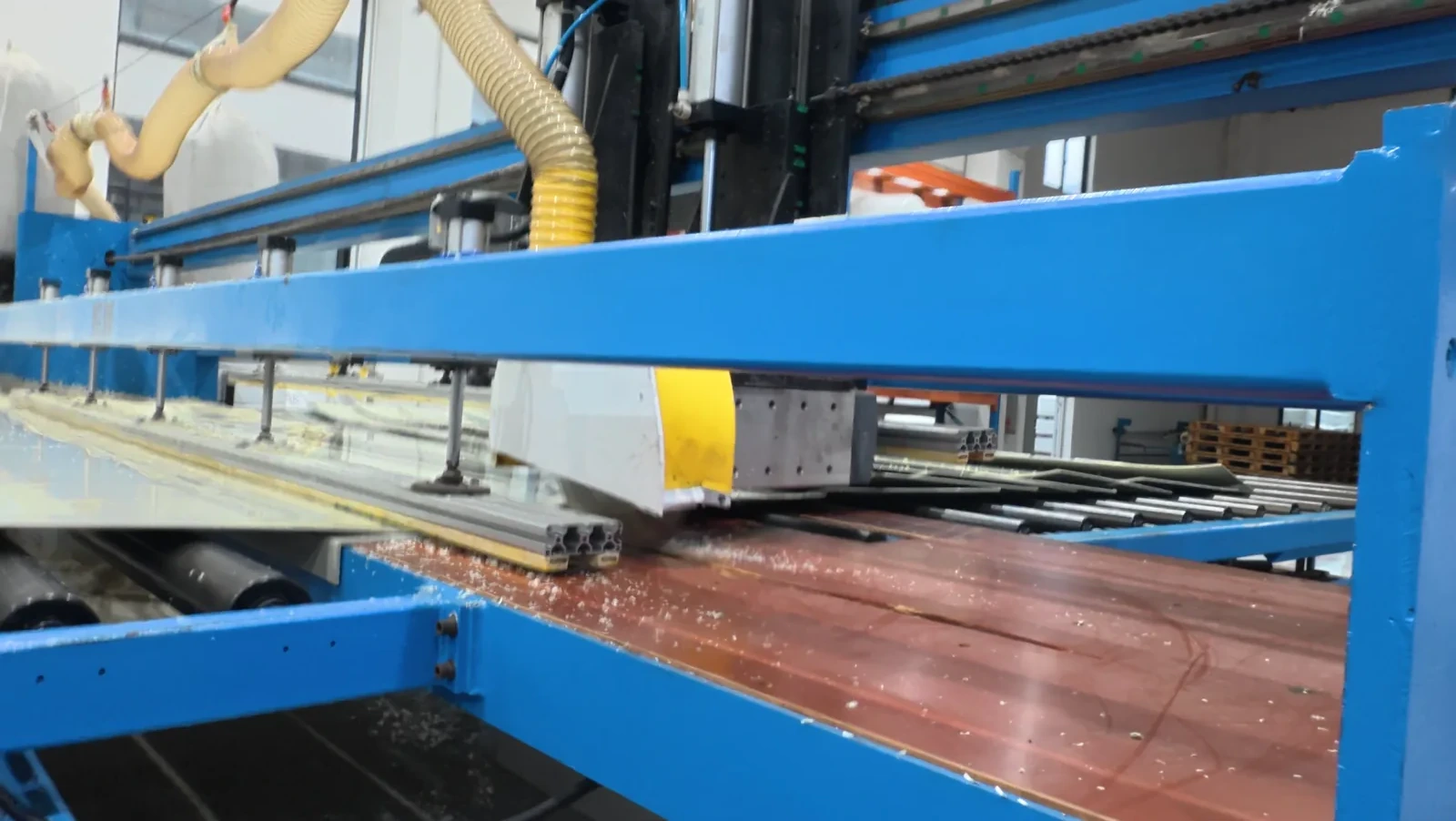
Видеоролик, демонстрирующий производственный процесс, может показывать этап, но он не отображает все марки материалов, точки контроля или требования заказа. Его ни в коем случае нельзя использовать для определения фиксированного времени выполнения заказа, универсального допуска, сертификации, функциональных характеристик или конструкции готового оборудования.
Запись о выпуске
Ведение документации по выпуску должно быть простым и отслеживаемым. В ней должны быть указаны компонент заказчика, редакция чертежа, предлагаемый лист, размеры, условия, определяющие проверку, запрашиваемое изготовление, цель образца и лицо, которое будет утверждать результат. При изменении одного из этих пунктов проверка должна быть возобновлена для измененного пункта.
Этот документ также позволяет отделить техническое обсуждение от коммерческого предположения. Изображение с производства, видеоролик о процессе, образец листа и чертеж готового оборудования имеют разные цели. Каждый документ должен быть привязан к вопросу, на который он может ответить, а затем следует зафиксировать любые требования, которые еще нуждаются в подтверждении в рамках конкретного проекта.
Пример запроса
Для проверки поверхности укажите требуемый цвет, отделку, размер образца и метод сравнения. Для изготовленной детали запросите лист или деталь, иллюстрирующие соединение, обработку или вопрос подгонки. См. руководство по запросу образцов полипропиленовой пленки. для контрольного списка проекта, затем Отправьте чертеж и запросите образец проекта..
Часто задаваемые вопросы
Гарантирует ли видеоролик о каландрировании качество поверхности?
Нет. Видео является демонстрационным образцом. Для конкретного заказа необходимо уточнить требуемое состояние поверхности и способ приемки.
Могу ли я запросить допуск по толщине из видео?
Нет. Укажите требуемый допуск, точку измерения и согласованную основу в проектной документации или документации по заказу.
Что доказывает таблица данных в листе ПП?
В нем приводятся значения для испытанного образца, полученные с использованием указанных методов. Он не определяет все товарные сорта или требования к готовым панелям.
Какой образец подходит для видимой панели?
Запросите репрезентативный образец листа с требуемым цветом, поверхностью, размером и методом визуального сравнения.
Для каландрирование полипропиленовых листов, Перед утверждением объема работ по изготовлению или закупке необходимо зафиксировать окончательные проектные предположения и результаты приемочных проверок.