A PP sheet chemical-equipment design should use a removable access panel when inspection, cleaning, component replacement, or future modification is expected and the opening can be isolated without weakening containment. The PP sheet removable access panels decision is not a universal substitute for a welded wall or a sealed access door: it depends on service hazard, access frequency, clear opening, gasket compatibility, structural support, drainage, and the maintenance procedure.
In a PP sheet removable access panel decision, the access task and the containment boundary must be reviewed together. A panel that is easy to remove but difficult to reseal is not a maintainable chemical-equipment detail.
PP sheet removable access panels: start with the maintenance task
The right question is not “Can polypropylene be made removable?” It is “What must a technician reach, how often, and under what safe isolation condition?” A chemical tank, scrubber, process enclosure, wet bench, or duct transition may need access for cleaning deposits, replacing a spray header, checking a demister, removing a pump component, inspecting welds, or recovering a dropped part. Each task leads to a different opening size, location, seal, and removal method.
Use an access task list with the process flow diagram and equipment layout. Mark the component to be reached, the tool envelope, the direction of removal, the lifting path, and the clearance needed to reinstall the panel. ISO 15534-2 describes principles for determining dimensions required for access openings; it is a useful ergonomics reference, but the project engineer and site safety procedure still control the final dimensions.
Separate routine access from entry. A removable panel for tools, visual inspection, or component removal is not automatically a manway or confined-space entry. If a person could enter the vessel or enclosed equipment, the design must be reviewed under the project’s confined-space, isolation, ventilation, rescue, and permit requirements before any panel is approved.
Choose a removable panel when the access benefit is real
A PP sheet removable access panel is usually appropriate when one or more of the following conditions apply:
- Frequent cleaning: deposits, crystals, sludge, or process residue must be removed without cutting a welded wall.
- Replaceable internals: a pump, spray header, demister, filter, sensor, or baffle has a defined replacement path.
- Large service opening: a small inspection door cannot provide the viewing angle or tool access required by the maintenance task.
- Modular installation: the equipment is shipped or installed in sections and a panel permits final assembly or future reconfiguration.
- Cleanroom or product-protection needs: a smooth, controlled opening can be cleaned and repackaged more reliably than an improvised cut-out.
- Inspection evidence: the owner needs repeatable access to a weld, drain, internal coating, or component that must be recorded during planned inspections.
By contrast, a removable panel is usually the wrong first choice when the wall is part of a continuously sealed hazardous-gas boundary, when opening it would release an unisolated chemical, when a pressure or vacuum design depends on a continuous welded shell, or when the panel would be removed so rarely that its seal and fasteners cannot be maintained. In those cases, consider a welded construction, a purpose-designed gasketed access door, or a formally engineered manway.
Compare panel types before selecting the detail
| Access approach | Best fit | Main design question |
|---|---|---|
| Bolted removable panel | Planned maintenance with a defined flange and repeatable opening | Can the fasteners, flange, gasket, and tightening sequence maintain the chemical boundary after each service event? |
| Clamped or quick-release panel | Frequent inspection or cleaning where tools and access time must be minimized | Does the clamp remain secure under vibration, thermal movement, pressure or vacuum, and chemical exposure? |
| Lift-off panel | Large opening with overhead clearance and a controlled lifting method | Can operators lift and store the panel without damaging edges, gasket faces, or clean surfaces? |
| Hinged access door | Repeated small-to-medium access where the door must remain attached | Do the hinge, latch, gasket, and swing clearance suit the PP wall and the maintenance route? |
| Welded or permanently sealed wall | Continuous containment, cleanability, pressure/vacuum integrity, or no routine access | Is the loss of removable access acceptable, and has another inspection method been provided? |
SMACNA’s duct-cleanliness guidance makes a useful general point for access planning: the specifier should define the size, location, and type of access opening needed for maintenance. The document is not a PP design standard, so use its access-planning principle without copying metal-duct construction values.
Detail the chemical and ventilation boundary around the panel
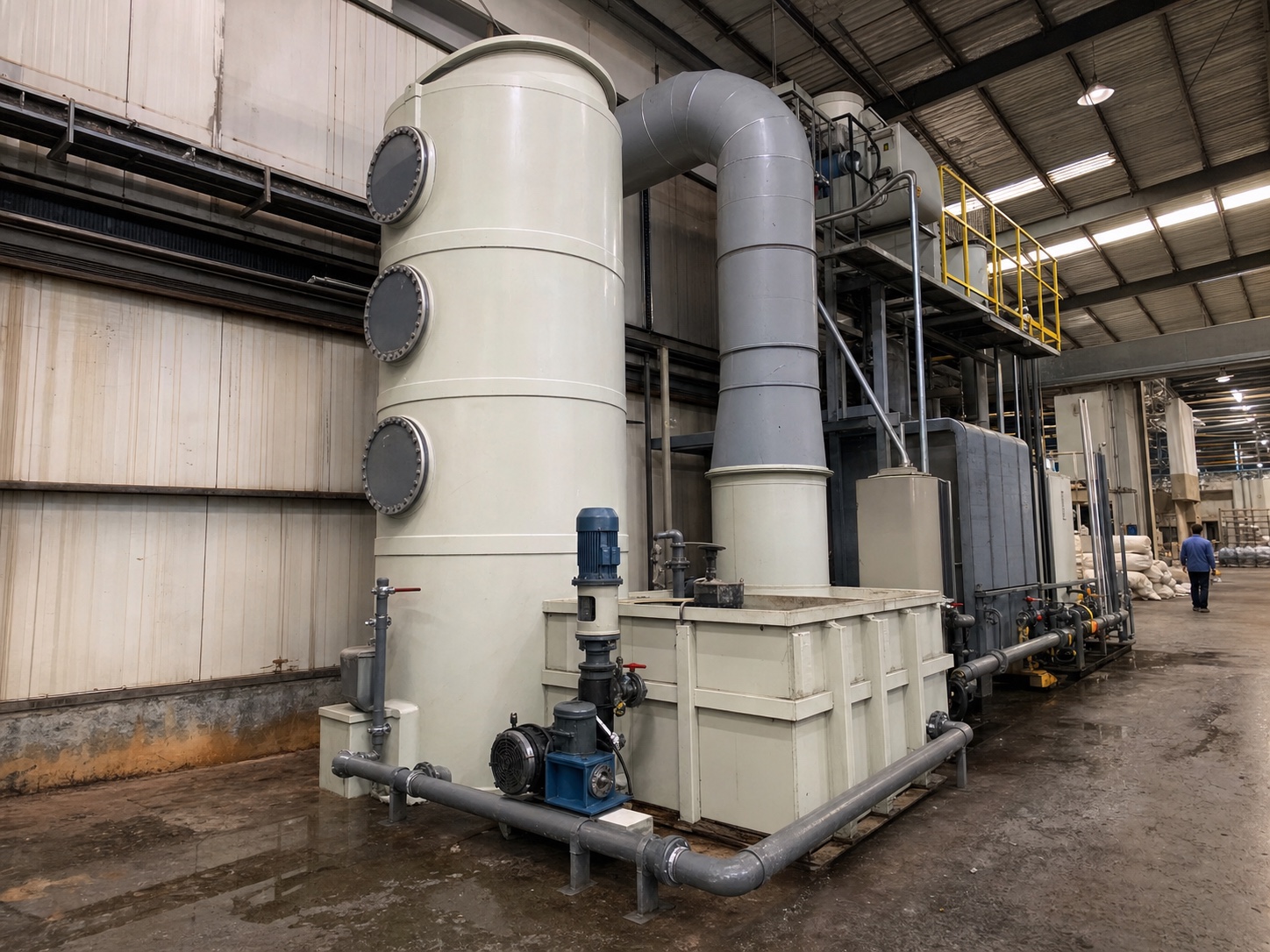
The removable panel is only as reliable as its surrounding boundary. The drawing and RFQ should identify the PP grade and thickness, frame or collar, gasket material, fastener material, washers or inserts, panel orientation, and any backing or reinforcement. Confirm compatibility for the actual chemical, concentration, temperature, exposure time, and stress state; a general PP chemical-resistance statement does not qualify every gasket, bolt, sealant, or insert.
For exhaust equipment, show whether the panel sits on the negative-pressure side, near a fan or damper, or inside a scrubber where condensate can reach the seal. A gasket that works in a dry room may swell, harden, or lose compression in a wet chemical service. If the panel opens into a contaminated zone, add an isolation, purge, drain, or decontamination note as required by the project procedure.
OSHA’s ventilation guidance recommends routine inspection of hoods, ductwork, access and clean-out doors, and related operating records. That supports a practical design rule: if a panel cannot be safely inspected, resealed, and recorded after maintenance, it is not a complete access solution.
Protect the panel frame, seal, and surrounding welds
Large openings interrupt a PP sheet wall and can create distortion, stress concentration, or a difficult weld sequence. Show the frame or collar, corner radii, reinforcement, weld IDs, and support points on the fabrication drawing. Do not place a panel edge through a tank corner, nozzle intersection, or unsupported flat span without an engineering review.
QEEHUA’s internal PP-use practice is to inspect first and process second. Before welding a panel frame, verify the sheet grade, thickness, edge integrity, surface condition, lot identity, and protective-film status. Keep the joint clean and dry, match the welding rod to the base material, protect the gasket face from machining debris, and avoid forced bending or impact around a completed weld. These steps are practical controls that keep a removable detail from becoming a leak or rework point.
After fabrication, check panel flatness, bolt-hole alignment, gasket seating, clamp engagement, door or lift-off clearance, and the absence of sharp internal projections. Record any repair or nonconformance against the panel and drawing revision rather than relying on a verbal release.
Make cleaning and drainage part of the access decision
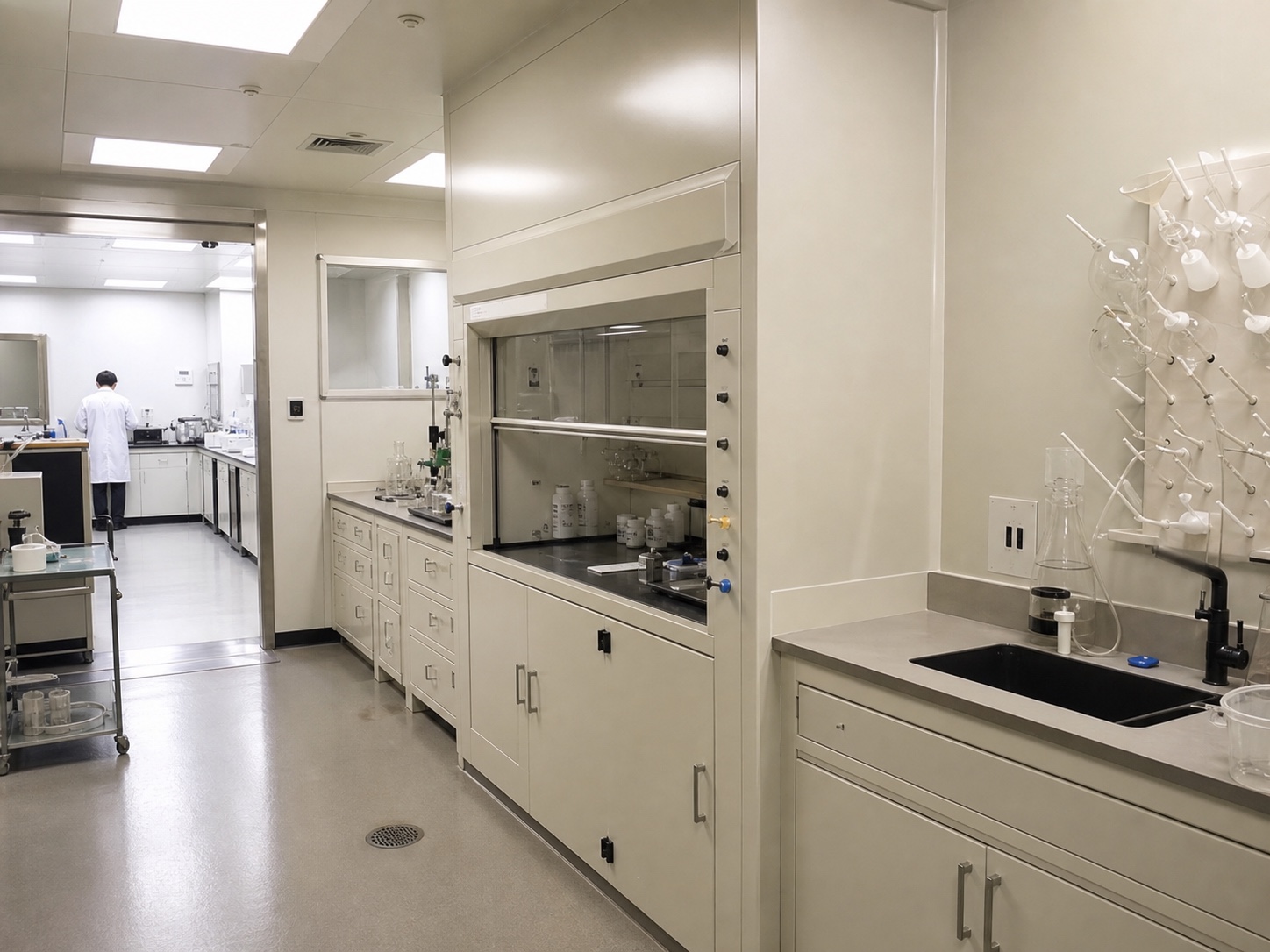
A panel should improve cleanability, not create a new liquid trap. Show how the panel face, frame ledge, gasket groove, and adjacent internal surface will drain or be wiped. Avoid a horizontal shelf behind the panel, a concealed pocket under a collar, or a fastener that protrudes into a flow path unless the project has accepted the cleaning consequence.
For equipment that is washed or can condense liquid, coordinate the panel with low-point drains, isolation valves, sampling points, and cleanout access. The PP equipment drainage and cleanout guide covers the system-level question; this article focuses on the panel’s frame, seal, and removal sequence. A panel that cannot be removed without first draining or isolating the equipment is acceptable only when that step is explicit in the maintenance procedure.
Put the removable-panel requirements into the RFQ and handover file
The buyer, fabricator, and maintenance team should be able to use the same access schedule. Include the following fields in the drawing, RFQ, and handover package:
For a PP sheet removable access panel, these fields should be approved before cutting the opening or welding the frame; changing the panel after fabrication can affect the wall, gasket face, drain path, and inspection record.
| Требование | What to specify | Evidence at handover |
|---|---|---|
| Purpose and frequency | Inspection, cleaning, component replacement, sampling, or reconfiguration; expected service interval | Maintenance task and access schedule |
| Opening and clearance | Usable clear opening, panel size, removal direction, tool envelope, lifting or storage space | Approved drawing and site-fit check |
| Containment | Panel type, frame, gasket, fasteners, isolation, purge, drain, and pressure/vacuum condition | Seal inspection and leak or functional test record |
| Material compatibility | PP grade/thickness plus gasket, insert, bolt, latch, sealant, and any backing material | Material list, lot traceability, and supplier documents |
| Fabrication controls | Weld IDs, joint preparation, reinforcement, inspection hold points, repair limits, and revision | Weld log, inspection record, as-built drawing, and NCR disposition |
| Cleaning and safety | Isolation, decontamination, confined-space boundary, PPE, lockout/tagout, and reassembly sequence | Approved maintenance procedure and sign-off |
For related procurement decisions, review the PP ductwork inspection-door RFQ guide, то PP chemical-storage cabinet buyer checklist, и custom PP sheet specification guide. Используйте PP sheet selection and fabrication hub for the broader material and application context, then контакт QEEHUA with the equipment drawing and maintenance requirement.
Related QEEHUA process video: this cooling-process reference illustrates why the fabrication record should identify material condition and process history. It is not access-panel qualification, chemical compatibility evidence, or a maintenance safety procedure.
Video reference: PP Sheet Cooling Process: Cooling Platform and Conveyor System | QEEHUA, from the approved QEEHUA playlist. Manufacturing context only.
Часто задаваемые вопросы
When is a removable PP access panel better than a small inspection door?
Use a removable panel when the maintenance task needs a larger clear opening, a defined tool path, or removal of an internal component. A small inspection door is usually better for visual checks or limited cleaning when opening size and seal complexity must stay minimal.
Can a removable panel be used on a chemical exhaust enclosure?
It can be used when the panel, gasket, fasteners, frame, and isolation procedure preserve the exhaust boundary for the actual pressure, temperature, and chemical service. The project engineer must approve the containment and maintenance method; a generic PP panel claim is not enough.
Does a removable panel need its own leak or functional test?
Normally yes when the panel forms part of a liquid, vapor, pressure, or vacuum boundary. The project procedure should define the test, acceptance criteria, reassembly check, and record required after the panel is installed or removed.
What information should be sent to a PP fabricator?
Send the equipment layout, service conditions, access purpose and frequency, clear opening, removal path, gasket and fastener requirements, drainage and isolation details, material grade/thickness, drawing revision, inspection plan, and handover records required by the owner.
Send the equipment drawing, process medium, operating conditions, maintenance task, access clearance, gasket requirements, drainage plan, and inspection criteria. Contact QEEHUA for a project-specific fabrication review.