PP sheet surface defects should stop bending, rolling, or welding when they can reduce the remaining section, concentrate stress, or enter a joint or formed radius. A light cosmetic mark may be documented and accepted for a non-critical face, but a crack, broken edge, deep cut, branching scratch, impact dent, delamination, or defect in a high-stress zone needs isolation and engineering disposition before processing.
This guide is for buyers, EPC teams, and fabricators specifying polypropylene sheet for chemical tanks, ducts, covers, scrubbers, water-treatment equipment, guards, and other fabricated assemblies. It complements QEEHUA’s industrial PP sheet range и Руководство по выбору, изготовлению и применению полипропиленовых листов.. The selected grade, drawing, customer specification, welding procedure, and service conditions remain controlling.
Define when a PP sheet surface defect becomes a stop-work condition
A surface defect becomes a stop-work condition when it changes the material’s load path or can grow during the next process. Bending and rolling stretch one face and compress the other; welding adds heat, restraint, and a stress-sensitive joint. A defect that looks stable on a flat sheet can open when the sheet is formed, clamped, heated, or cooled.
| Observed condition | Default action before forming or welding | Why the action matters |
|---|---|---|
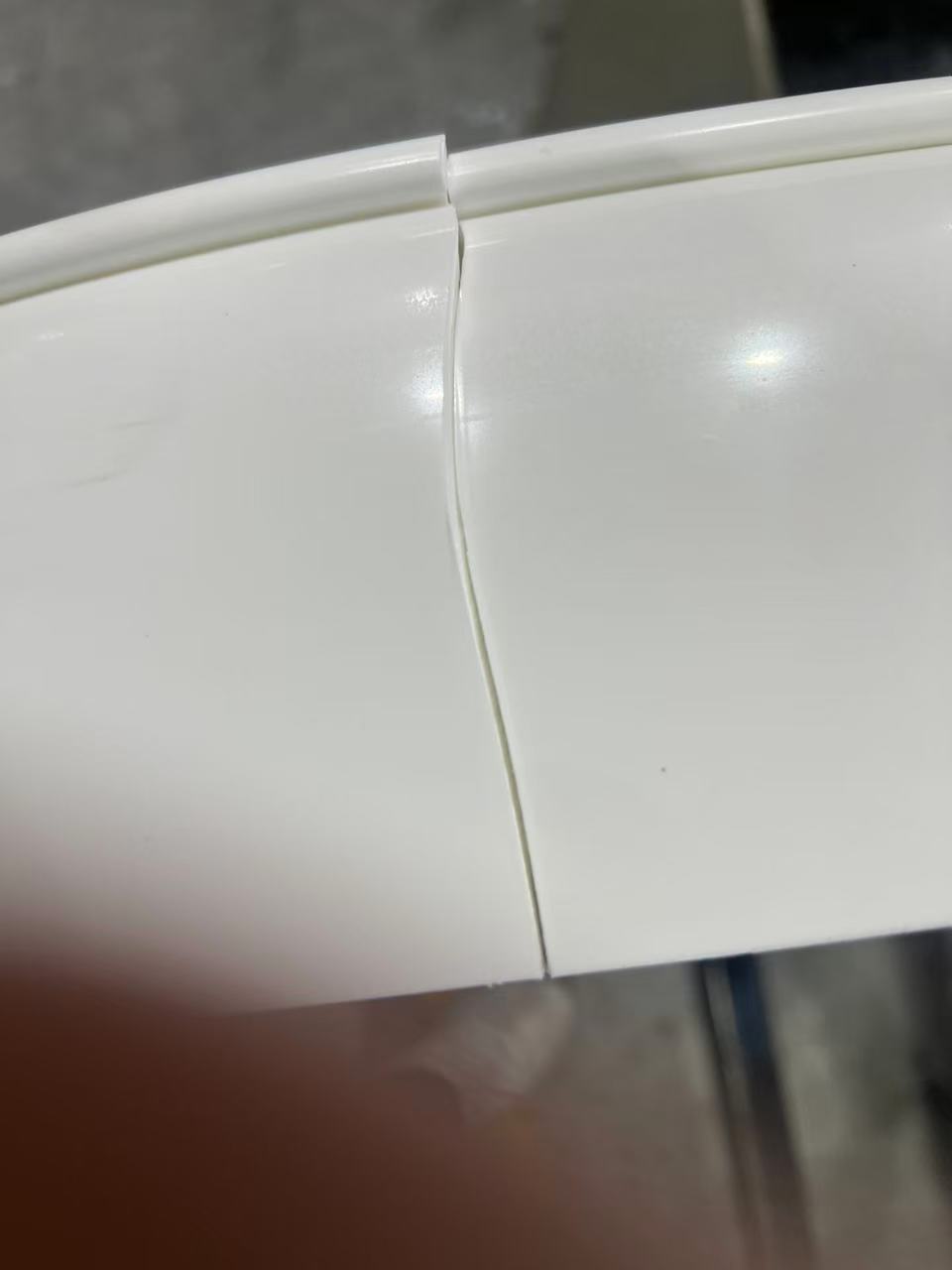
| Crack, broken edge, or branching fracture | Stop, segregate, photograph, and disposition; do not bend or roll through it. | The crack tip can propagate when the sheet is stretched, heated, or restrained. |
| Deep cut, gouge, or sharp notch | Measure depth and remaining section; remove only if the approved geometry and edge radius remain achievable. | A notch concentrates stress and can become a failure origin near a bend, hole, or weld. |
| Long or deep scratch in a formed zone | Map its length, direction, and location; hold the part for review before rolling or hot bending. | Scratch orientation and remaining thickness affect the local forming risk. |
| Bubble, delamination, inclusion, or abnormal brittle area | Hold the sheet and verify material identity and lot condition before use. | The internal discontinuity may not be removable by surface finishing. |
| Light mark on a non-functional visible face | Document against the project appearance requirement; accept only when the service and customer criteria allow it. | Not every mark has the same structural significance, but acceptance must be explicit. |
Inspect the sheet before bending or rolling
Inspect the complete blank before setting a roller, heater, former, or fixture. Check flatness, visible warpage, edges and corners, deep scratches or cuts, impact marks, bubbles, delamination, inclusions, grade, thickness, length, width, and protective-film condition against the purchase and technical requirements. Record the sheet or lot reference and mark the defect location so the disposition follows the material.
QEEHUA’s internal PP use manual treats defects as a process decision rather than a cosmetic sorting issue. It advises not using cracked or broken edges for bending or rolling and not placing sheets with deep scratches, cuts, or mechanical damage into load-bearing structures or forming work until the defect is removed or the material is replaced. This is an internal working rule, not a universal code limit; the project drawing and approved quality plan still control.
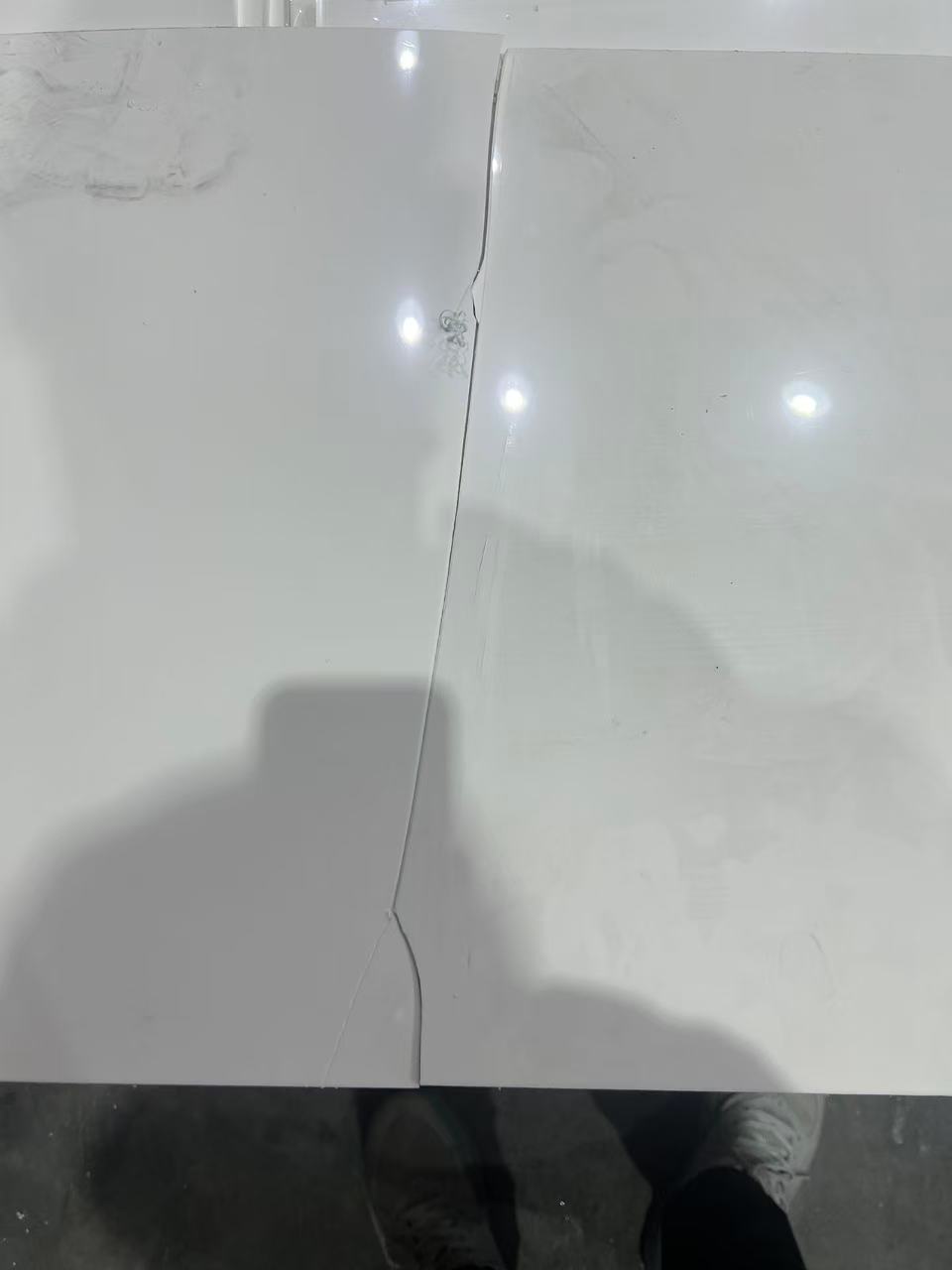
Stop bending or rolling when the defect lies in the strain path
Stop bending or rolling when a crack, deep scratch, cut, gouge, or impact-damaged area lies across the expected tension face, near the neutral-axis transition, along a formed radius, or close to an edge that will be restrained. Also stop when the defect is growing during trial forming, when whitening or splitting appears around it, or when removing it would reduce thickness below the drawing requirement.
Do not apply one fixed bending radius or forming temperature to every PP sheet. Material type, thickness, radius, heating uniformity, heating time, equipment, and production sequence must be validated together. The manual’s below-5°C guidance is a project-level handling warning: move cold sheet indoors and warm it to at least 5°C before processing rather than cold-bending or impacting it. It is not a universal design temperature for every grade.
When a defect is outside the strain path, removal may be possible, but the repair must be controlled. Define the removal method, minimum remaining thickness, edge radius, inspection method, and approval authority. A polished-looking surface is not evidence that the original stress concentration has been eliminated.
Stop rolling when geometry or support makes the defect unpredictable
Rolling can amplify a local defect because the sheet passes repeatedly through a changing contact pressure and curvature. Stop if the defect catches on a roller, opens as the radius tightens, causes a local flat spot, or produces a visible line that remains after the pass. Recheck support, roller alignment, sheet temperature, and the planned radius before deciding whether a controlled trim or replacement is possible.
For large or thick blanks, keep the sheet supported and protect edges during lifting and setup. Do not drag the sheet over a rough table, let a clamp sit on a sharp edge, or use a wire rope directly around a corner. A handling impact can create a second defect that is difficult to distinguish from the original surface condition after forming.
Stop welding when a defect enters the joint or heat-affected zone
Stop welding when a crack, cut, sharp notch, severe scratch, impact mark, or brittle area enters the weld preparation, the remaining ligament beside the joint, or the zone that will be heated and restrained. Clean, dry, compatible PP base material and welding rod are prerequisites; a weld bead cannot compensate for an unqualified or damaged base sheet.
Before repair or welding, remove the affected material only under an approved method that protects the designed thickness and geometry. Inspect the prepared area for crack tips, voids, contamination, and remaining sharp corners. For tanks, vessels, liquid-retaining structures, piping, or pressure-related equipment, require the project welding procedure and its specified inspection, leak test, or NDT evidence. Do not force-cool a hot-formed or welded area with water when the project procedure requires controlled natural cooling.
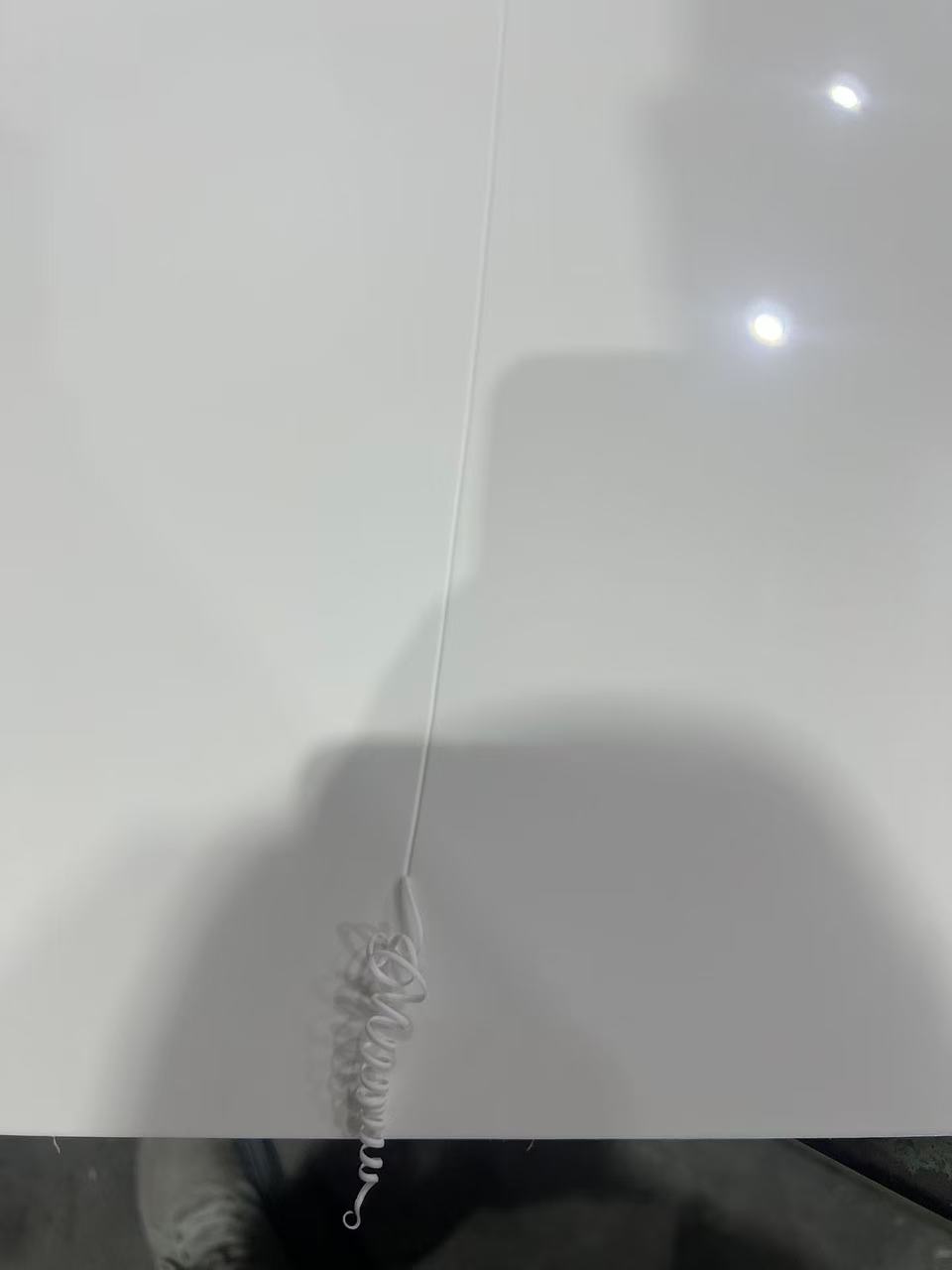
Use a defect disposition record instead of a verbal release
A useful record connects the defect to the part and the decision. Include the sheet or lot number, drawing revision, defect type, location, measured length and depth where practical, photographs, remaining-thickness result, affected process, proposed removal or repair, responsible reviewer, disposition, and reinspection result.
Classify the outcome as accept-as-is, remove and re-inspect, repair under an approved procedure, downgrade to a non-critical use, or reject and replace. A disposition should also state whether the defect is outside the service side, away from a weld or bend, and compatible with the customer’s appearance and containment requirements. If the defect cannot be characterized confidently, the safe action is to hold the material and request engineering review.
For the inspection sequence, use QEEHUA’s Контрольный список входного контроля полипропиленовой пленки. For dimensional release after forming or welding, cross-check the completed part against the PP sheet flatness and warpage guide. The record should remain with the drawing revision and weld or assembly documentation.
What to put in an RFQ when surface condition matters
Write the defect boundary into the quotation request instead of leaving “good surface” open to interpretation. State:
- PP grade, thickness, blank size, visible face, protective-film requirement, and batch or lot traceability.
- Permitted cosmetic marks versus rejectable cracks, cuts, gouges, scratches, bubbles, delamination, and broken edges.
- Inspection condition, lighting or cleaning assumptions, measuring method, photographs, and the required defect map.
- Whether the sheet will be bent, rolled, machined, welded, liquid-retaining, load-bearing, or exposed to a specified chemical duty.
- Repair limits, minimum remaining thickness, approval authority, first-piece review, and reinspection evidence.
- Packaging and handling controls that prevent new edge or surface damage after inspection.
ISO 15013:2022 covers specified requirements and test methods for certain solid flat extruded PP-H, PP-B, and PP-R sheets in its stated scope, including appearance and dimensional considerations. It is a material-standard reference, not an automatic acceptance decision for a fabricated tank or weld. The project still needs to define the service, defect limits, and forming or welding acceptance plan. Review ISO 15013:2022 alongside the approved drawing.
Röchling’s PP/PE sheet handling guideline also emphasizes inspection before processing and references DVS welding guidance. Its instructions are useful industry context, but its product parameters and acceptance boundaries should not be copied as QEEHUA specifications without a grade- and project-specific review.
Часто задаваемые вопросы
Can a scratched PP sheet still be bent or rolled?
Only after the scratch is assessed for depth, direction, location, remaining section, and downstream strain. A deep or sharp scratch in a formed radius or tension face should be isolated, removed under an approved method, or rejected before forming.
Should a crack be welded closed before bending?
No. Stop the process and obtain a disposition first. A repair may be possible for a qualified fabricated part, but the crack tip, remaining thickness, base material, welding procedure, and inspection evidence must be addressed before the part returns to service.
What defect requires immediate rejection?
There is no single universal visual limit for every PP grade and application. Cracks, broken edges, branching damage, deep cuts, delamination, and defects that enter a weld or formed radius should be held immediately until the project quality plan or engineering reviewer decides the disposition.
What should I send QEEHUA for a defect review?
Send clear photographs with scale, sheet or lot information, grade and thickness, drawing revision, defect location and dimensions, intended bending or welding operation, service medium, temperature, and the required acceptance result. This allows QEEHUA to separate a cosmetic issue from a fabrication or containment risk.
QEEHUA’s approved playlist includes a short visual reference to PP sheet cutting. It provides process context for why a released edge should be inspected before a damaged or notched area is carried into forming or welding.
Видеоссылка: PP Sheet Cutting Process: Precision Edge Cutting | QEEHUA. It shows cutting-stage context only; it does not establish a universal defect limit, bending radius, welding procedure, or acceptance result.
Need a PP sheet surface-defect review?
Share the defect photos, sheet grade and thickness, drawing revision, intended bending, rolling, or welding operation, and service conditions. QEEHUA can help identify the evidence needed before a damaged area is accepted, repaired, or replaced.