
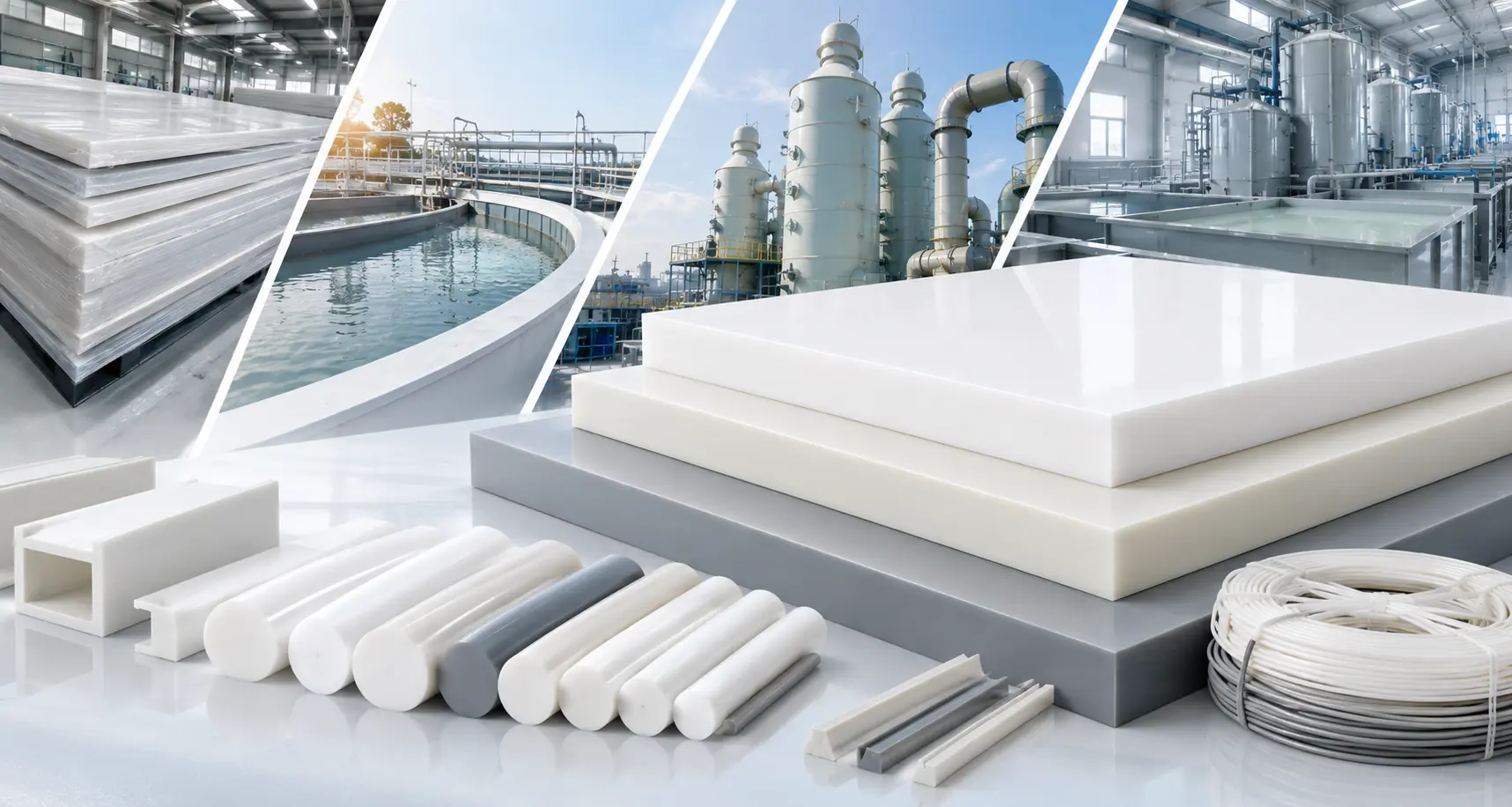
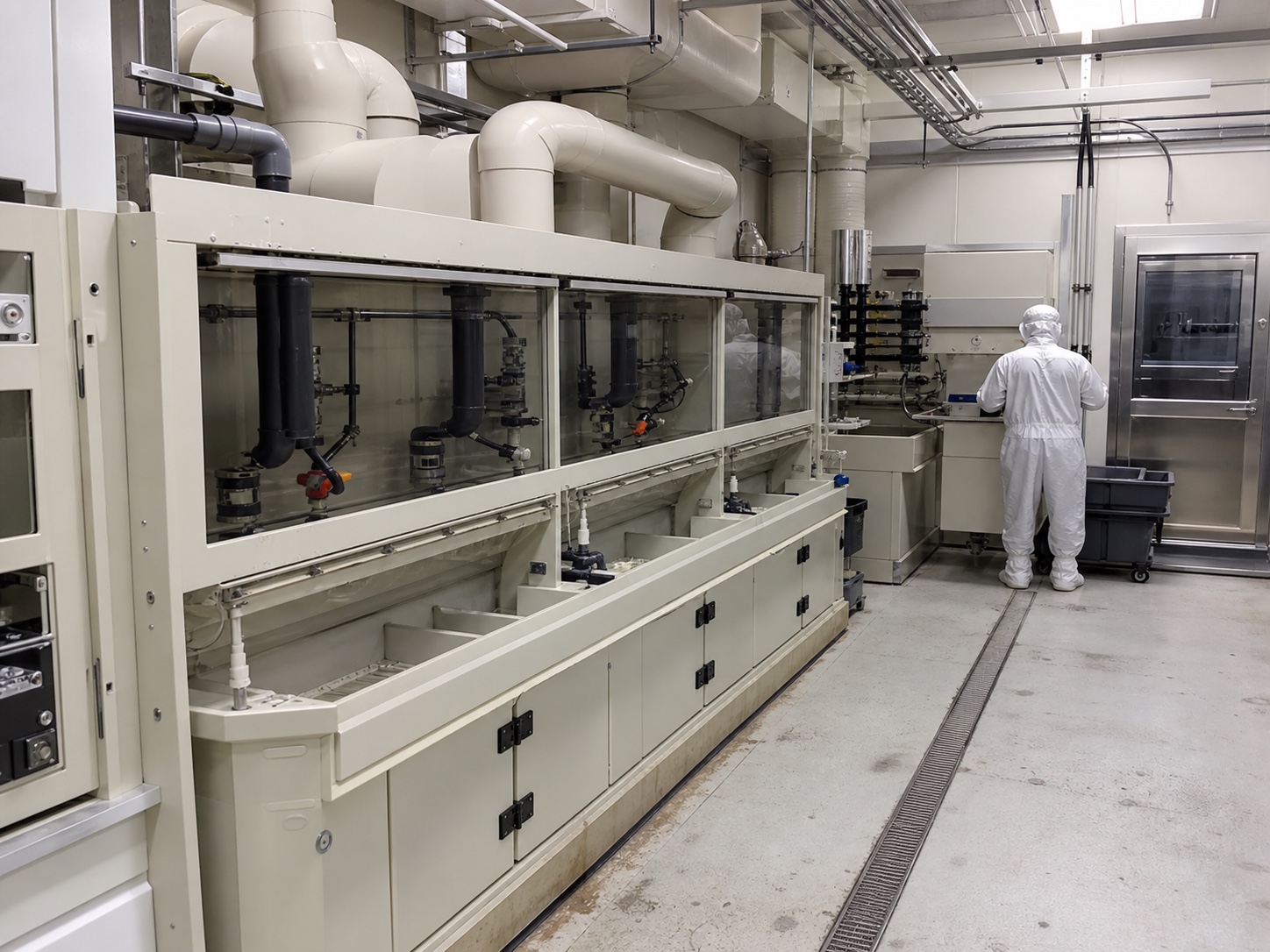
Ultra-pure PP sheets and high-precision valves for chemical mechanical polishing (CMP) and cleaning stations.
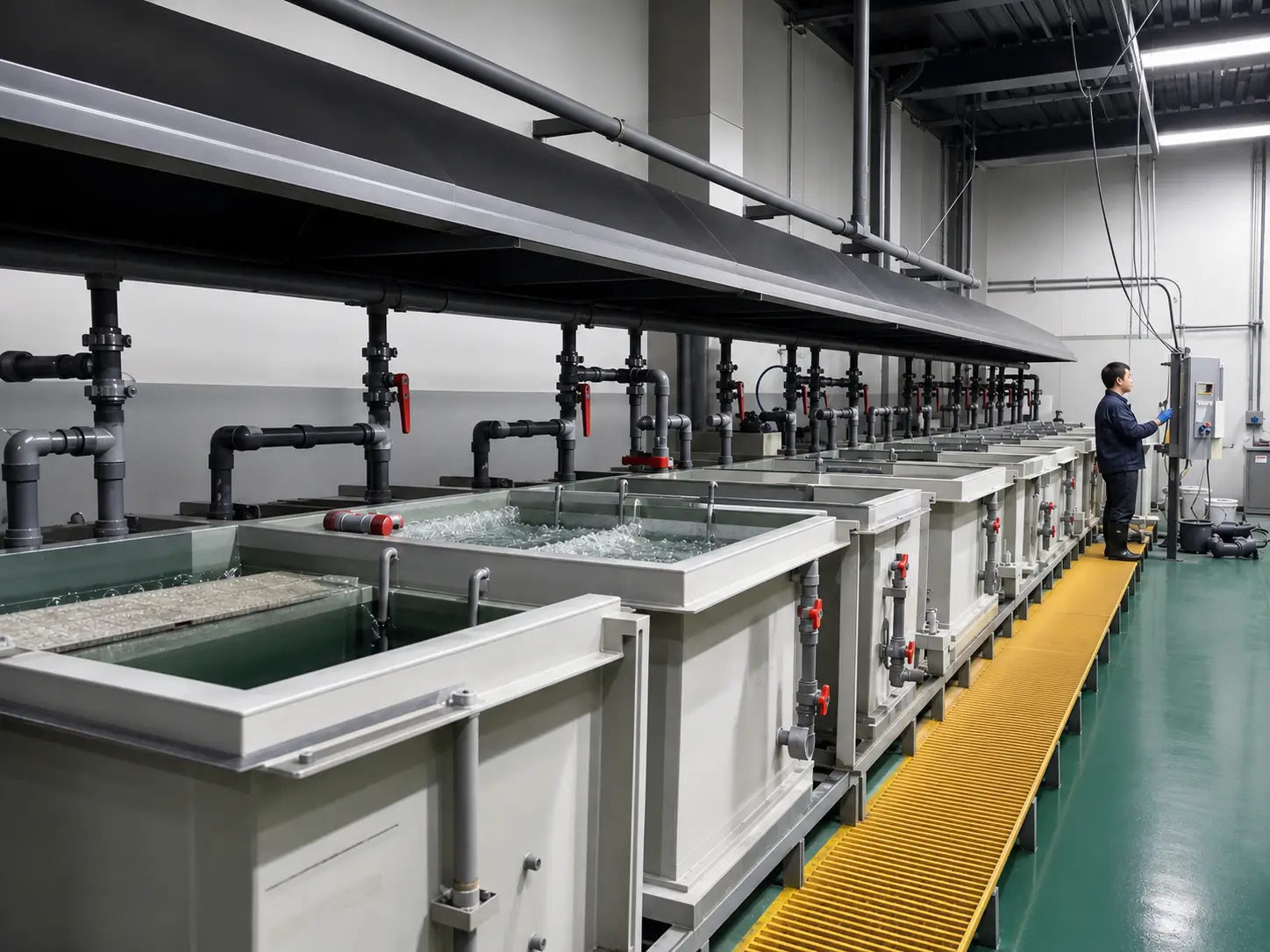
Chemical-resistant tank construction and drainage systems.
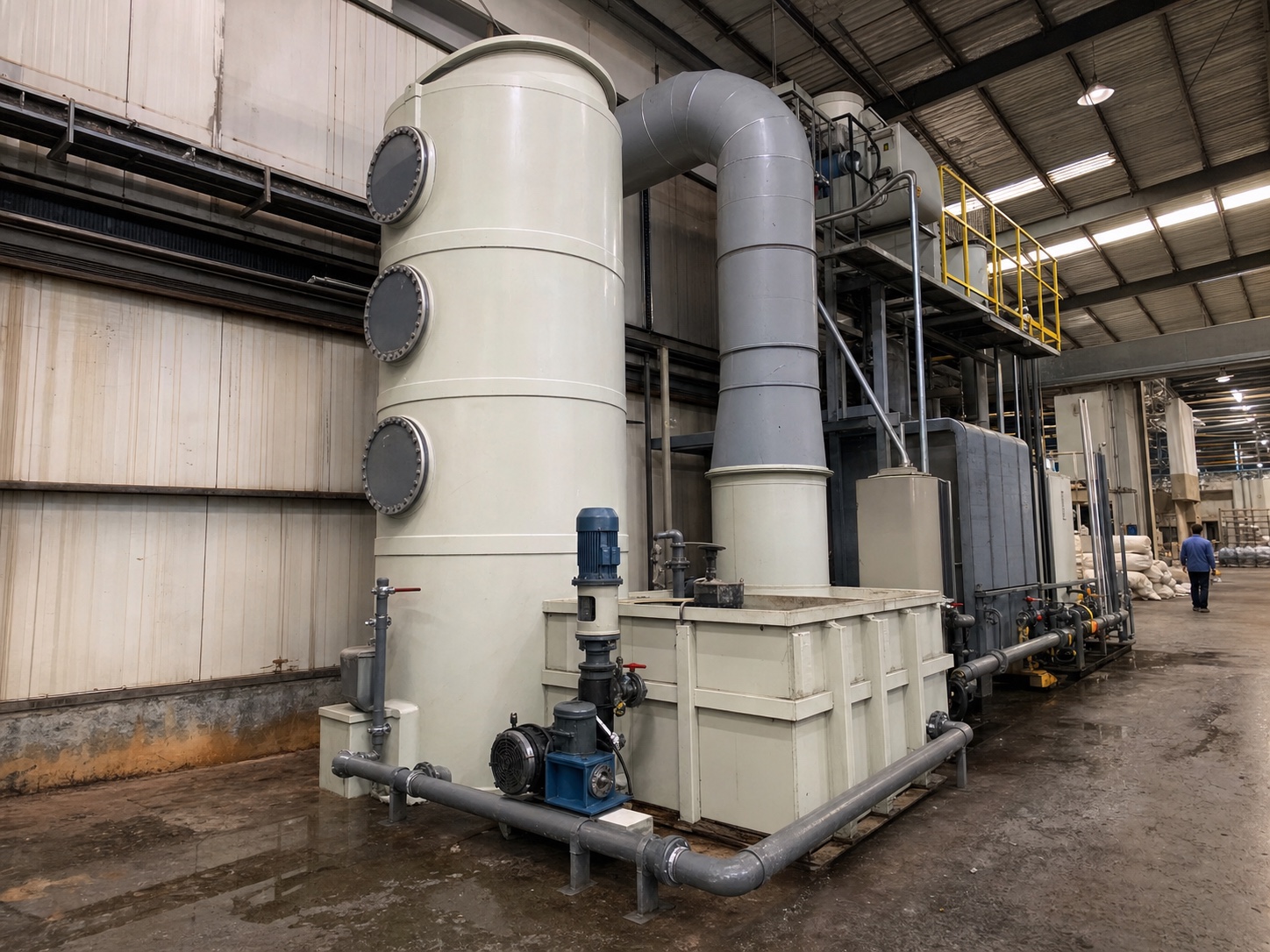
Scrubber systems and corrosion-proof ducting.
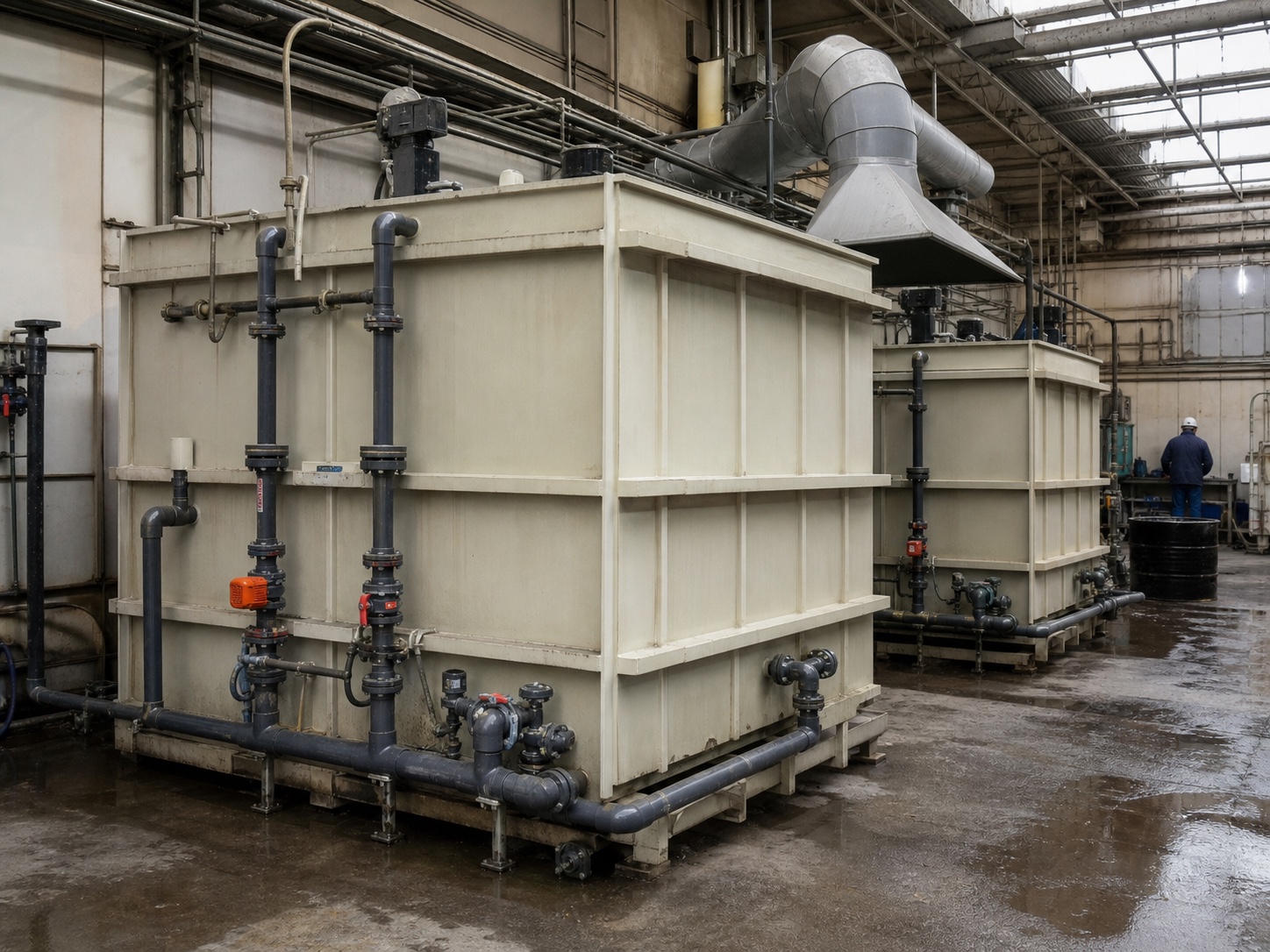
High-performance PP tank components and security-grade containment solutions.
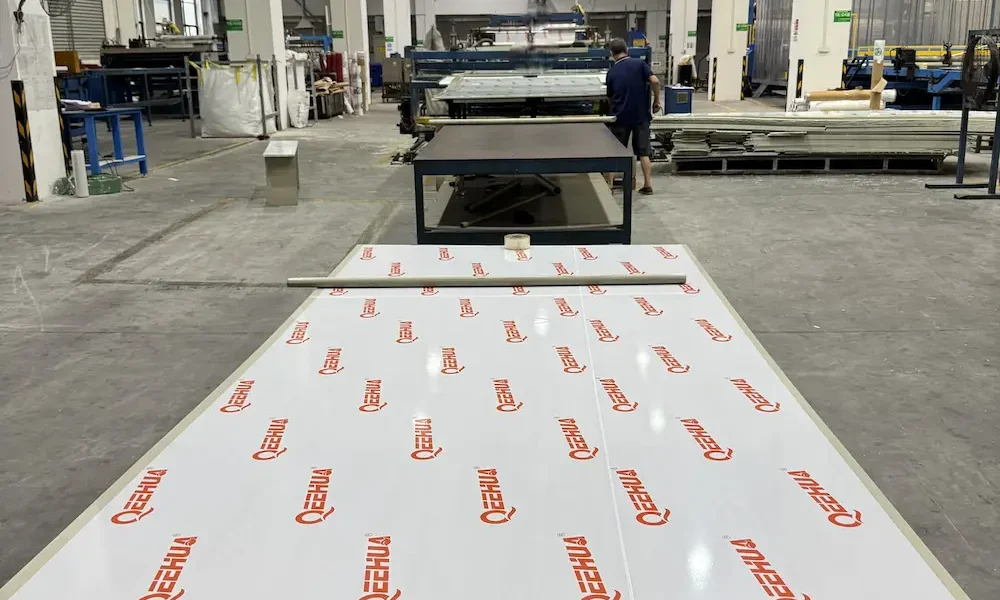
Standard PP Sheets
Acid & alkali resistant, up to 3,300mm ultra-wide capacity for large-scale tank construction.
READ MORE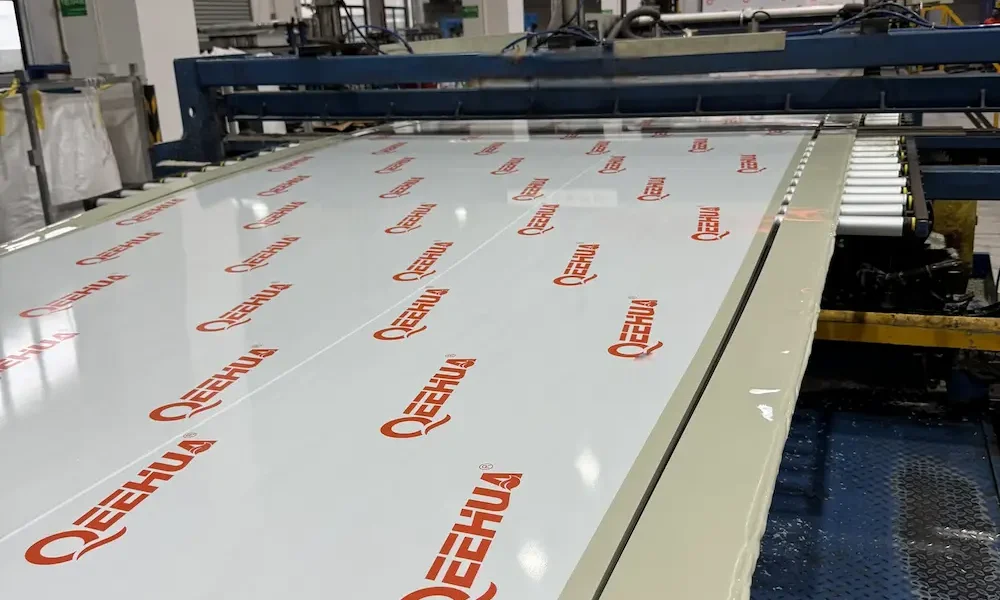
Functional Modified Sheets
UL 94 V-0 flame retardant properties with enhanced UV resistance for 8-15 years outdoor life.
READ MORE


When Is Polypropylene Laboratory Cabinetry Appropriate for Corrosive Chemical Rooms?
Learn when polypropylene laboratory cabinetry fits corrosive chemical rooms, including chemistry, ventilation, cleanability, fabrication, access, and RFQ checks.
Does Polypropylene Melting Temperature Set Service Limits?
Polypropylene melting temperature does not set a safe continuous service temperature for a fabricated PP part. Melting, heat deflection under load, and Vicat softening are different measurements. A buyer must connect each result to the tested sample, method, load, duration, and actual equipment duty before using it in a specification. The QEEHUA data sheet reports 137.0°C for deflection temperature under load and 155.2°C for Vicat softening for its tested board sample. It does not identify a saleable grade or publish a continuous service limit for every QEEHUA sheet. Send the operating temperature profile, component geometry, supports, chemicals, and acceptance question for review. Three temperature measures Polypropylene melting temperature describes a thermal transition of a material under a particular measurement method. It is not the temperature at which a loaded tank wall, panel, or joint can operate indefinitely. A heat-deflection result asks how a standard specimen responds under a specified flexural load as temperature rises. A Vicat result follows a defined penetration test. Those measurements answer different questions, so their numbers should not be used as synonyms. The thermal decision also depends on the exact material grade. A data sheet for one tested sample cannot determine the permitted operating temperature of

How Do You Calculate PP Sheet Density and Weight?
To use PP sheet density for a rectangular sheet, theoretical weight in kilograms equals length, width, and thickness in metres multiplied by the density of the specified grade in kg/m³. A hypothetical 1 × 1 × 0.005 m sheet at 912 kg/m³ weighs 4.56 kg before packaging. The 912 kg/m³ value comes from one tested QEEHUA polypropylene-sheet sample under ASTM D792-20; it is not a default for every current product. Use the supplier’s grade-specific density when preparing an order or freight estimate. Then add cut allowance, any retained offcuts, pallet and protective material, and the actual quantity. Send the drawing and grade request to confirm the estimate before booking transport. PP sheet density formula PP sheet density gives a mass-per-volume input, while dimensions give the volume of a simple rectangular blank. Multiply the four quantities only after converting dimensions to consistent units. A calculator that takes millimetres for thickness and metres for length without conversion will be wrong by a factor of one thousand. State the formula and the input grade beside every result. The theoretical formula is weight (kg) = length (m) × width (m) × thickness (m) × density (kg/m³). It estimates the material in an uncut rectangular