
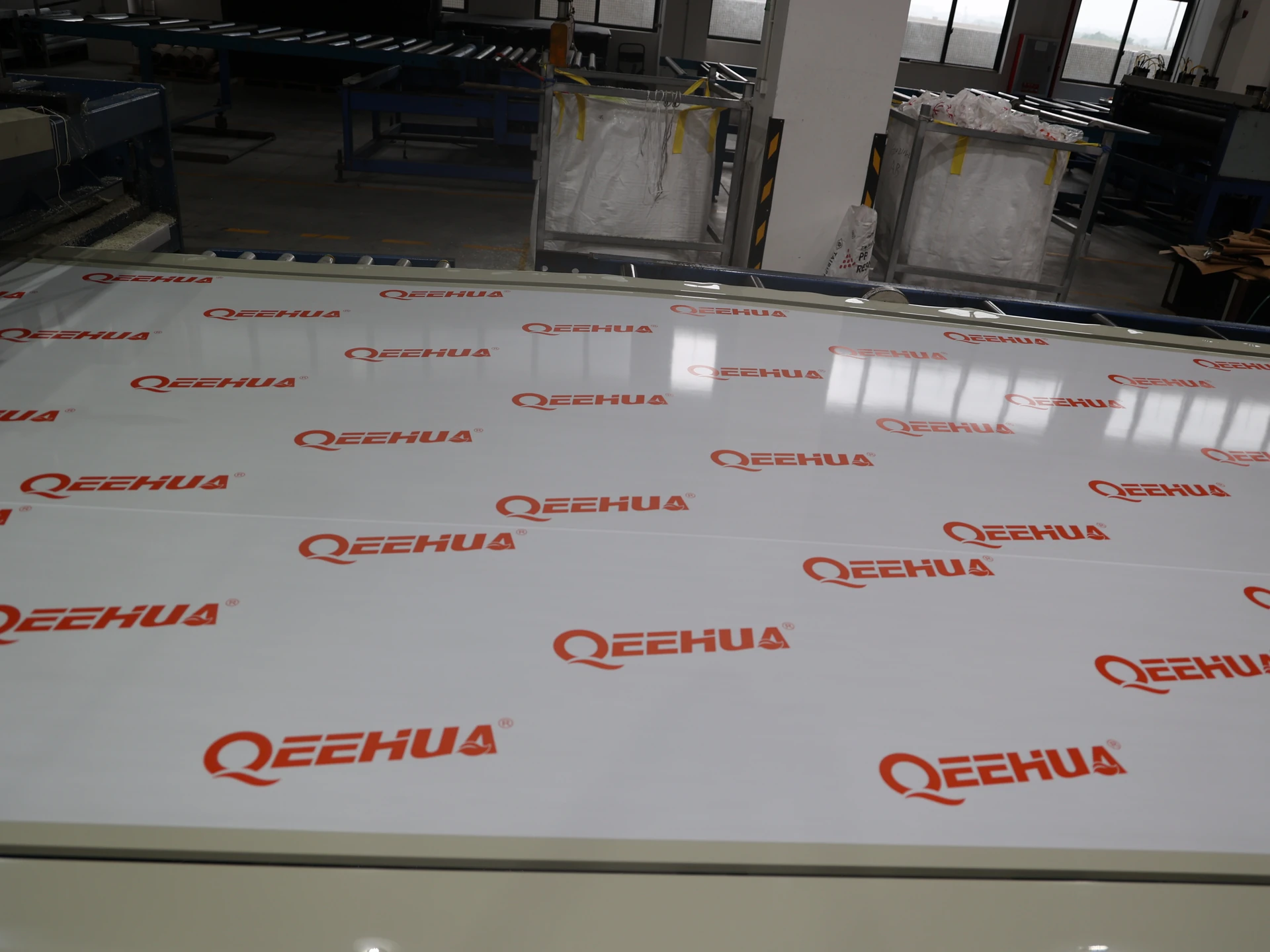
A useful PP sheet impact strength result is a method-specific test value, not a prediction that a finished tank, panel, or cover will survive every drop or collision. The QEEHUA data sheet reports 59 J/m for notched Izod impact strength under ASTM D256-24, for a tested polypropylene sheet sample. Read the value with its method, specimen, failure code, and sample identity. Do not compare it directly with a Charpy result reported in kJ/m². For a project decision, first define the impact event, temperature, part geometry, and acceptance rule, then ask whether the reported specimen represents the sheet and condition being purchased.
Read the reported result
The QEEHUA entry says that a tested polypropylene sheet sample reached a notched Izod impact result of 59 J/m under ASTM D256-24. Its report also carries a `C` failure code, which the test report identifies as a complete break. Keep the code with the number because it describes how the specimen failed. The data sheet does not map this sample to a current saleable grade, thickness range, or finished equipment design.
The compact entry can be read in this order. Identify the property, read the value and unit, check the method and version, then confirm which specimen and failure type the record covers. A result without those fields may be easy to quote but hard to compare. For an order review, the QEEHUA PP sheet range is a starting point for asking which product and sample the project should evaluate.
For a PP sheet impact strength review, the value belongs beside the exact sample and test description. The number is easier to use when the report, data sheet, and purchase request identify the same material.
| Report item | Recorded information | Unit or notation | Method or record context | Applies to |
|---|---|---|---|---|
| Notched Izod impact strength | 59 | J/m | ASTM D256-24 | Tested polypropylene sheet sample |
| Failure type | C, complete break | Letter code | Test report note for the Izod result | Sample A in the report |
| Saleable grade mapping | Not stated | Not applicable | Not provided in the data-sheet entry | Result remains sample-specific |
The table describes a tested sample. It does not establish a grade-wide requirement or a design value for a completed part.
Understand the test
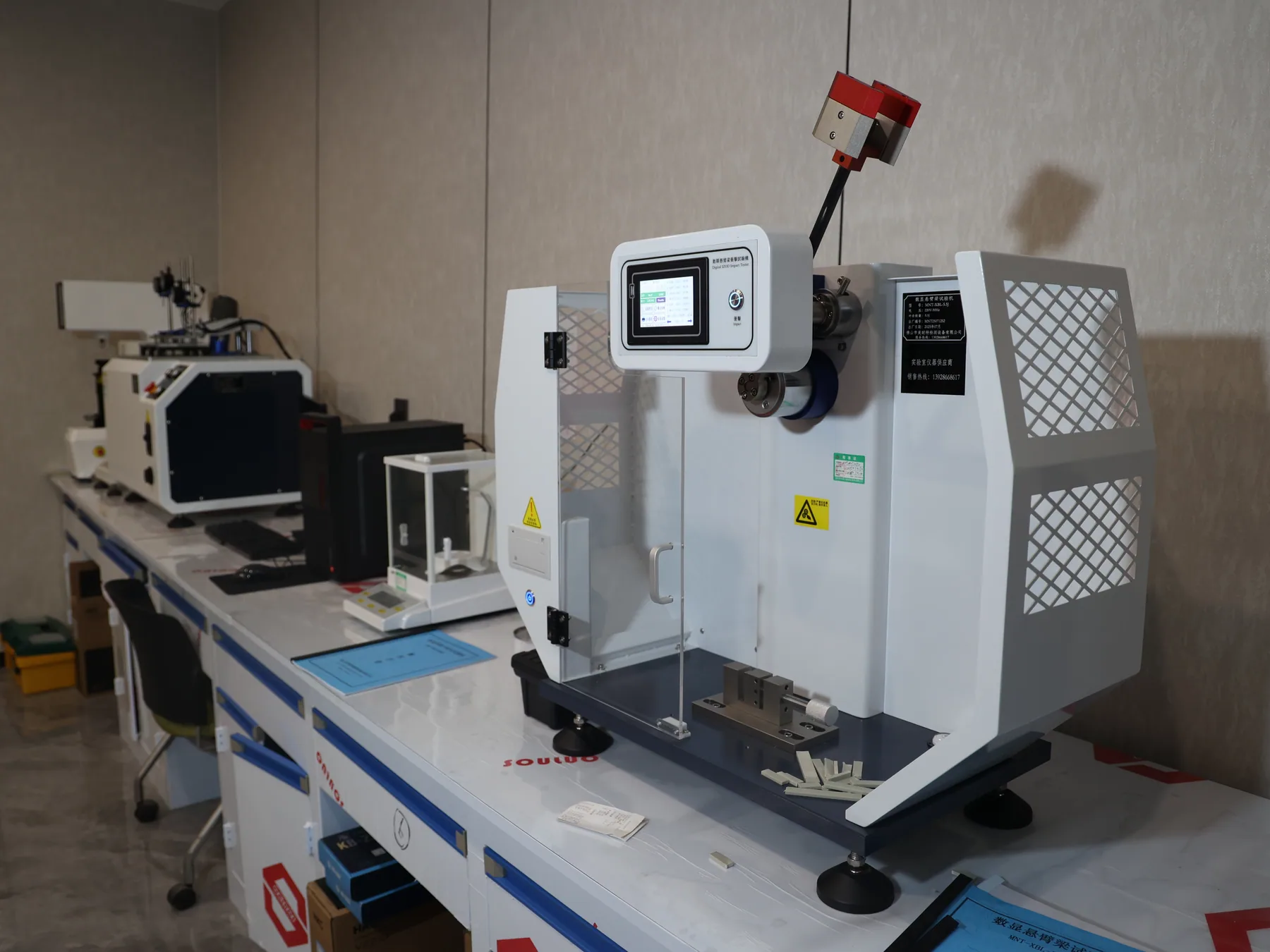
A notched Izod test uses a pendulum to strike a prepared specimen held as a cantilever. The notch concentrates stress at a defined location, and the reported value describes the specimen’s response under the stated test setup. It is a controlled comparison result. It is not an impact rating for every panel made from the same polymer family.
Izod and Charpy are different records
Izod and Charpy use different specimen arrangements and reporting conventions. A value in J/m is energy normalized by length, while kJ/m² is energy per area. Unit conversion alone cannot make those results equivalent. The notch, specimen size, orientation, test temperature, conditioning, and failure category also affect the comparison. A notched Charpy value for a resin is not a substitute for a notched Izod value from a finished sheet sample.
For example, the Borealis BE55 sheet and profile resin data sheet lists notched Charpy results under ISO 179 in kJ/m². That is a separate resin product and a separate method. Its values illustrate why a buyer should keep method and unit labels attached to a result. They do not describe QEEHUA sheet performance.
Check the test record
The number alone does not show how the test pieces were made or conditioned. A useful record identifies the sample and source sheet, specimen dimensions, notch preparation, test direction where relevant, test temperature and conditioning, number of specimens, individual results or average, and failure types. These details help a reader decide whether two reports describe comparable specimens.
Look for a clear distinction between a tested sheet sample and a production grade. If the document identifies a sample as “A-sheet” or “Sample A,” do not convert that label into a commercial grade name. Ask for the grade and batch that will be offered, and request a representative sample if the project needs to check a defined condition. The data-sheet and fabrication guide explains how to connect a reported property to the requested product documentation.
If a test summary shows only a mean, ask whether the underlying specimen results and break codes are available. A mean can hide mixed failure types or scattered readings. The test record should make the acceptance rule explicit, including whether the project compares individual pieces, an average, or a specified failure category. Do not assume a supplier has run a test just because a machine appears in a photograph.
Compare matching methods
Compare results only when the material form, method, specimen geometry, notch, conditioning, test temperature, and failure category are sufficiently alike for the decision. A sheet sample and a resin pellet specimen do not share the same manufacturing history. A machined notch and a molded notch may also produce different results. If the reports omit a condition that controls the intended use, mark the comparison incomplete instead of ranking the materials by the headline value.
For a PP sheet impact strength comparison, keep these conditions attached to each result.
When two candidate sheets are being reviewed, use the same property and method for both. Keep the specimen thickness and orientation consistent, and check whether the reports use the same test-method edition. Record the units as printed before making any conversion. If the target specification uses Charpy, request Charpy data for the target material under the specified method instead of trying to translate an Izod result.
The incoming inspection checklist can help purchasing and quality teams keep the delivered sheet identity tied to the material documents and acceptance record. That receiving check does not replace a mechanical test or qualify a finished assembly. For a project comparison, send a focused request that names the part, impact direction, expected event, operating temperature, and material grade or sample under review. Ask for the matching test method, report date, specimen preparation, units, sample identity, and failure types. If the supplier cannot connect the report to the offered sheet, request a clearly identified sample before treating the result as a purchase requirement.
Keep the project test procedure and acceptance limit in the engineering specification. When the test is complete, retain the result with the drawing revision and material record so the purchase and inspection teams use the same basis. To discuss a sample and attach the drawing, use the QEEHUA contact page. Include the material identity and test question so the reply can be tied to the right sheet request.
Relate coupons to parts
A coupon result describes the specimen in the test. A finished tank, duct, or access cover also has geometry, support conditions, edges, cutouts, welds, and service loads that the coupon does not reproduce. Impact direction and the point of contact matter. A flat specimen value cannot show how a supported panel will respond to a dropped object at a corner or near a nozzle.
Define the event before applying the number. State whether the concern is a tool strike during fabrication, an accidental impact during maintenance, or a handling event before installation. Include the part location, likely direction, temperature, support, and the consequence of damage. The environmental engineering applications page gives equipment context, while the project drawing and requirement must define the acceptance check.
If an impact event can cause a leak, release, or unsafe interruption, the project engineer should set the test or inspection plan for the actual component. A coupon can screen material options, but the completed part may need a separate review. Do not infer impact design limits, service temperature, or structural dimensions from the 59 J/m entry.
Frequently asked questions
What does 59 J/m mean for QEEHUA PP sheet?
It is the reported notched Izod impact result for a tested polypropylene sheet sample under ASTM D256-24. It is not a grade-wide guarantee or a finished-part impact rating.
Can I compare this Izod result with a Charpy value in kJ/m²?
No. The method, specimen arrangement, and reported unit differ. Compare results only when the material, method, specimen, conditioning, and failure type match the project requirement.
Does the result prove that a tank wall will withstand a dropped object?
No. The result applies to the tested specimen. The finished wall also depends on its geometry, support, joints, impact location, temperature, and project acceptance rule.
Sources and scope
The method identifier in this article comes from the QEEHUA data sheet and its test report. The standard procedure is not reproduced here. The Borealis BE55 data sheet is used only to show a separate Charpy reporting example for a resin sold for sheet and profile applications. No value from that resin document is applied to QEEHUA sheet.
This article explains how to read a reported impact entry. It does not add a low-temperature result, a QEEHUA product-grade claim, a Charpy conversion, or a design limit. Confirm the offered grade and the project’s test condition before using a specimen result in a purchase specification.