High-Performance PP Sheets for Corrosive Applications
QEEHUA Delivers Corrosion-Resistant PP Solutions for Chemical, Semiconductor & Wastewater Industries.
ISO 9001:2015 CERTIFIED
CE TECHNICAL COMPLIANCE
SGS MATERIAL TESTED
NSF COMPATIBLE MATERIALS
Optimized for Your Sector
Our engineering plastics and valve systems are purpose-built to meet the rigorous demands of specialized industries.
Ultra-pure PP sheets and high-precision valves for chemical mechanical polishing (CMP) and cleaning stations.
High-performance PP tank components and security-grade containment solutions.
Core Solutions & Products
Precision-engineered polymer systems for the most demanding industrial environments.
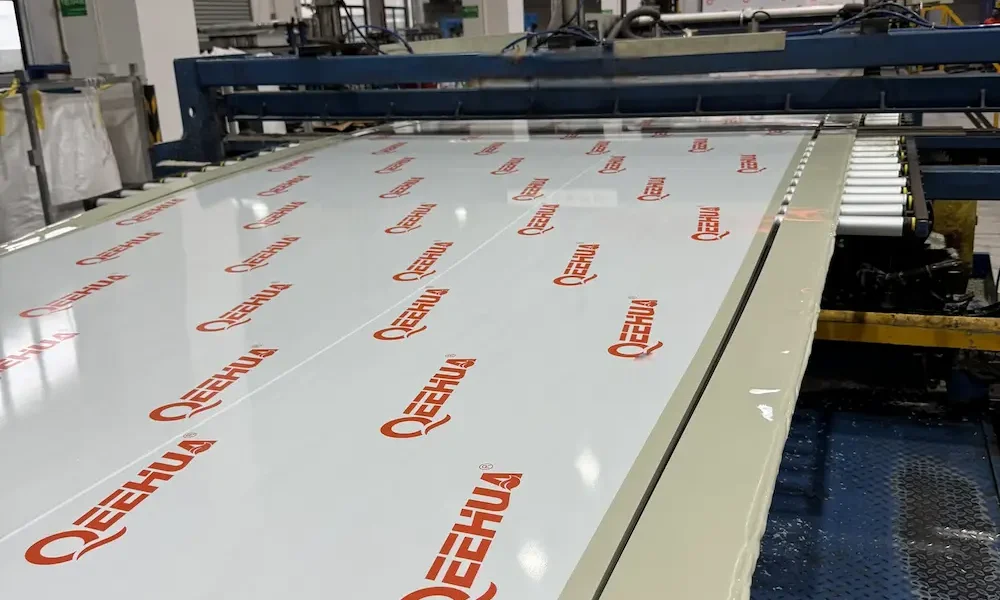
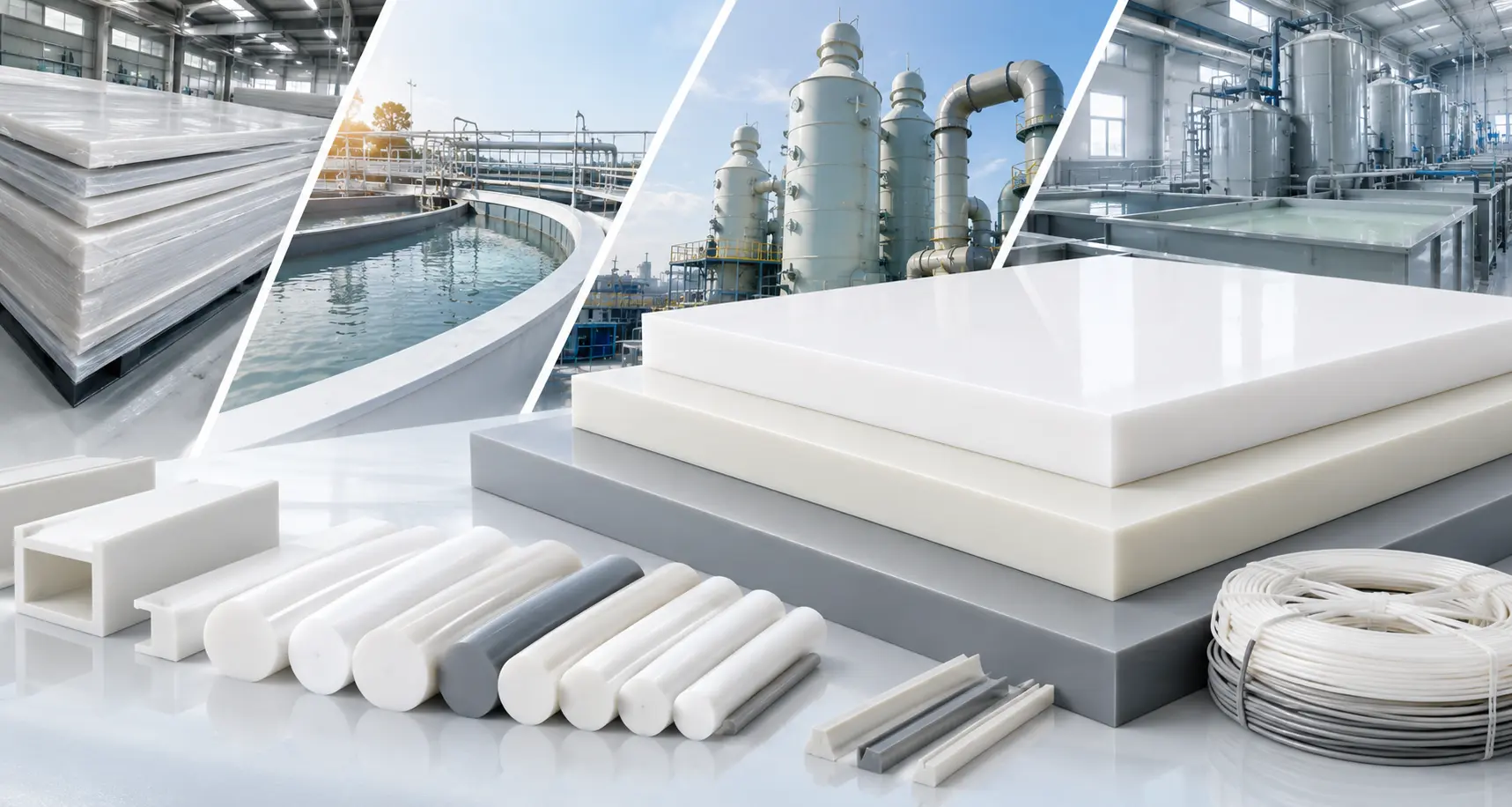
Standard PP Sheets
Acid & alkali resistant, up to 3,300mm ultra-wide capacity for large-scale tank construction.
READ MOREFunctional Modified Sheets
UL 94 V-0 flame retardant properties with enhanced UV resistance for 8-15 years outdoor life.
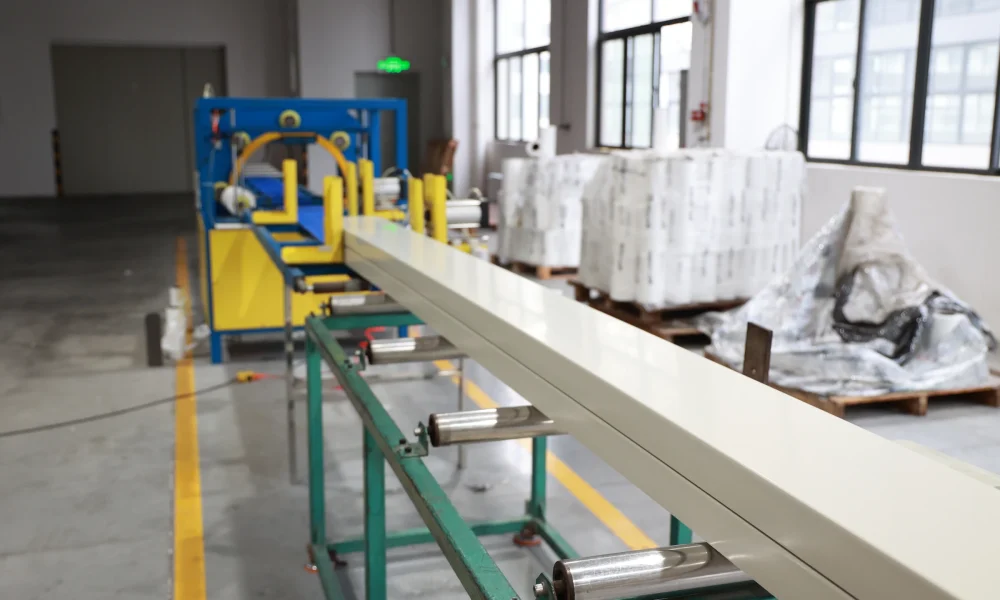
READ MOREPP U-Shaped Slots
Structural reinforcement for equipment spans >= 500mm, ensuring long-term stability.
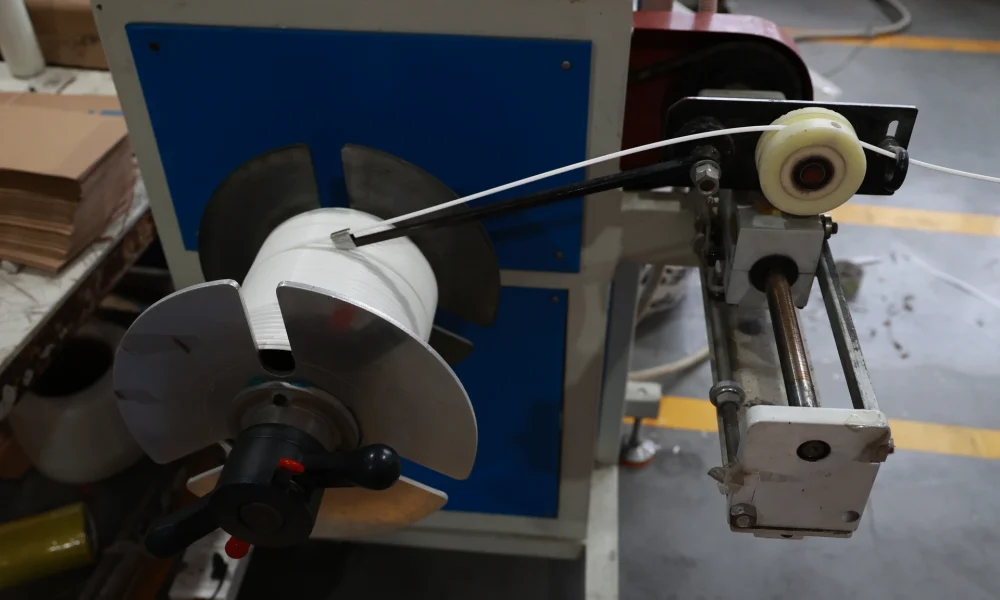
READ MOREPP Welding Rods
High-quality extrusion technology for zero-leakage assembly and low maintenance costs.
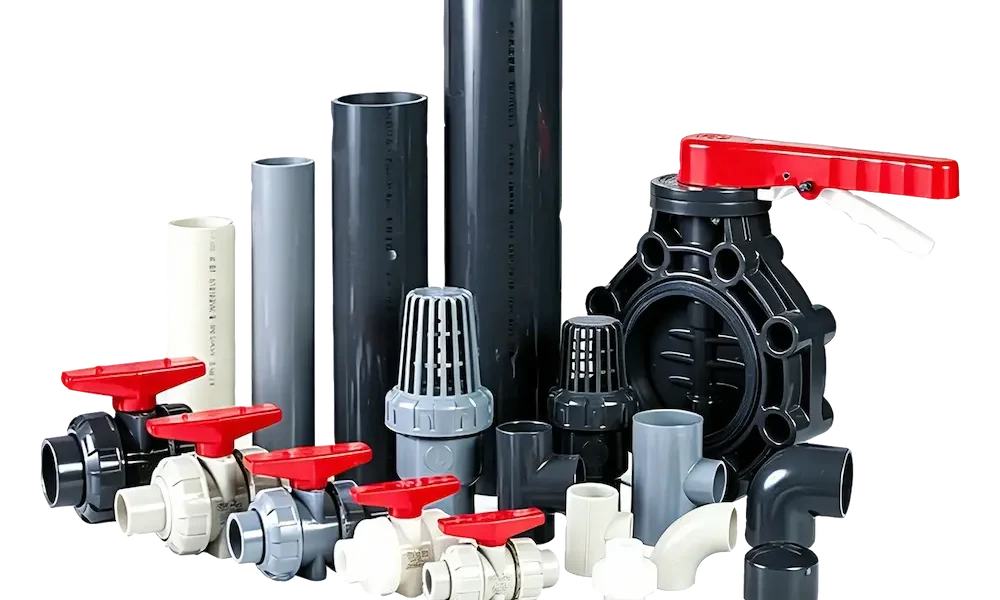
READ MOREIndustrial Piping System
High-performance PPH/PVDF systems for semiconductor and lithium battery ultrapure water.
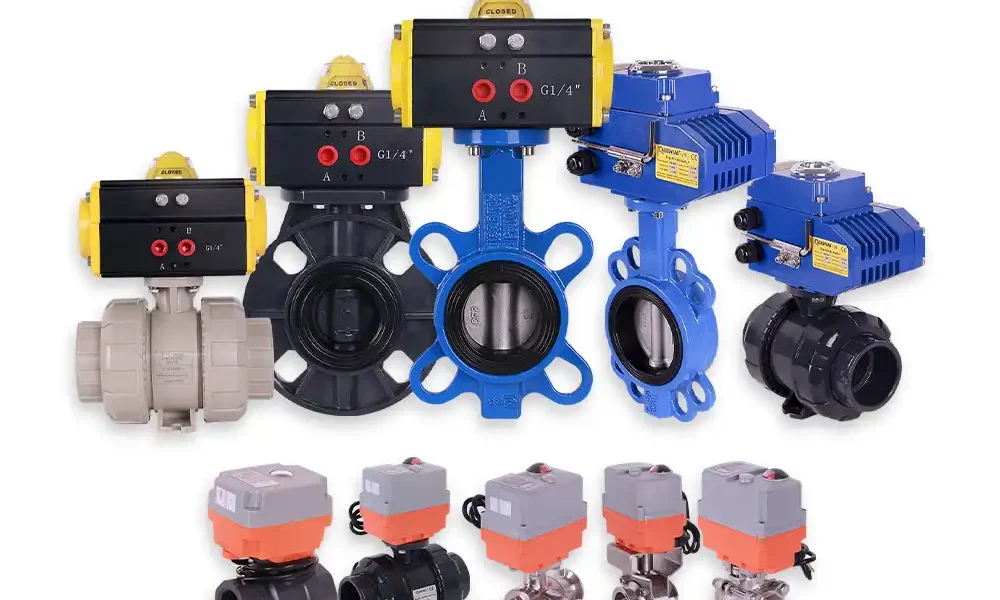
READ MOREMotorized & Pneumatic Valves
Precision flow control with advanced actuators for automated industrial chemical management.
READ MOREInstant Fire Auto-Extinguishment
Non-Toxic & Chemical Safety Guaranteed
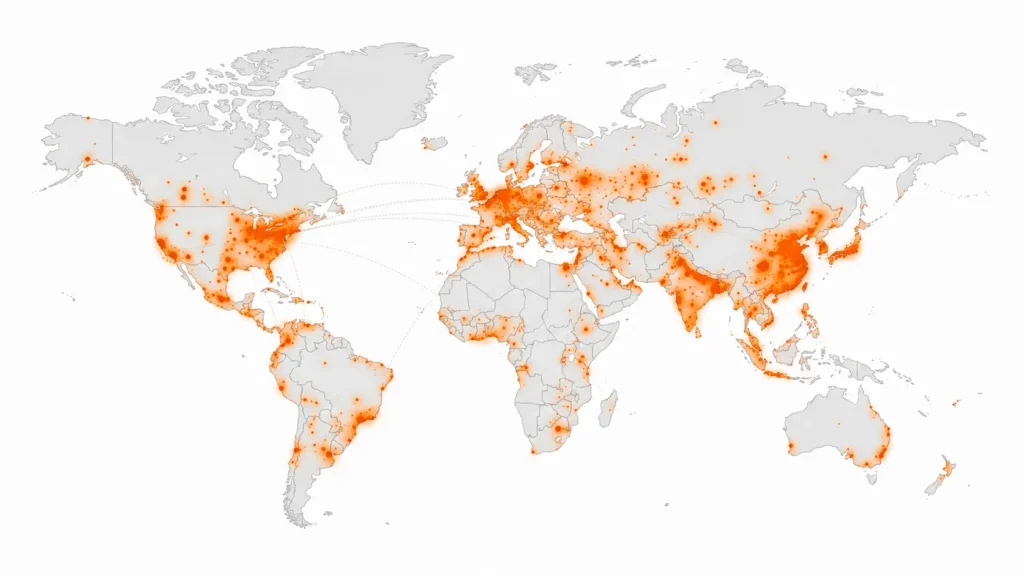
Global Distribution Network
Our integrated supply chain network ensures high-performance polymer solutions reach critical industrial facilities across the globe with precision and speed.
Ready to try a free sample?
Apply to QEEHUA for a customized sample tailored to your needs. Get back to you within 24 hours.
Latest News

How to Choose PP Fittings for Corrosive Chemical Piping Systems
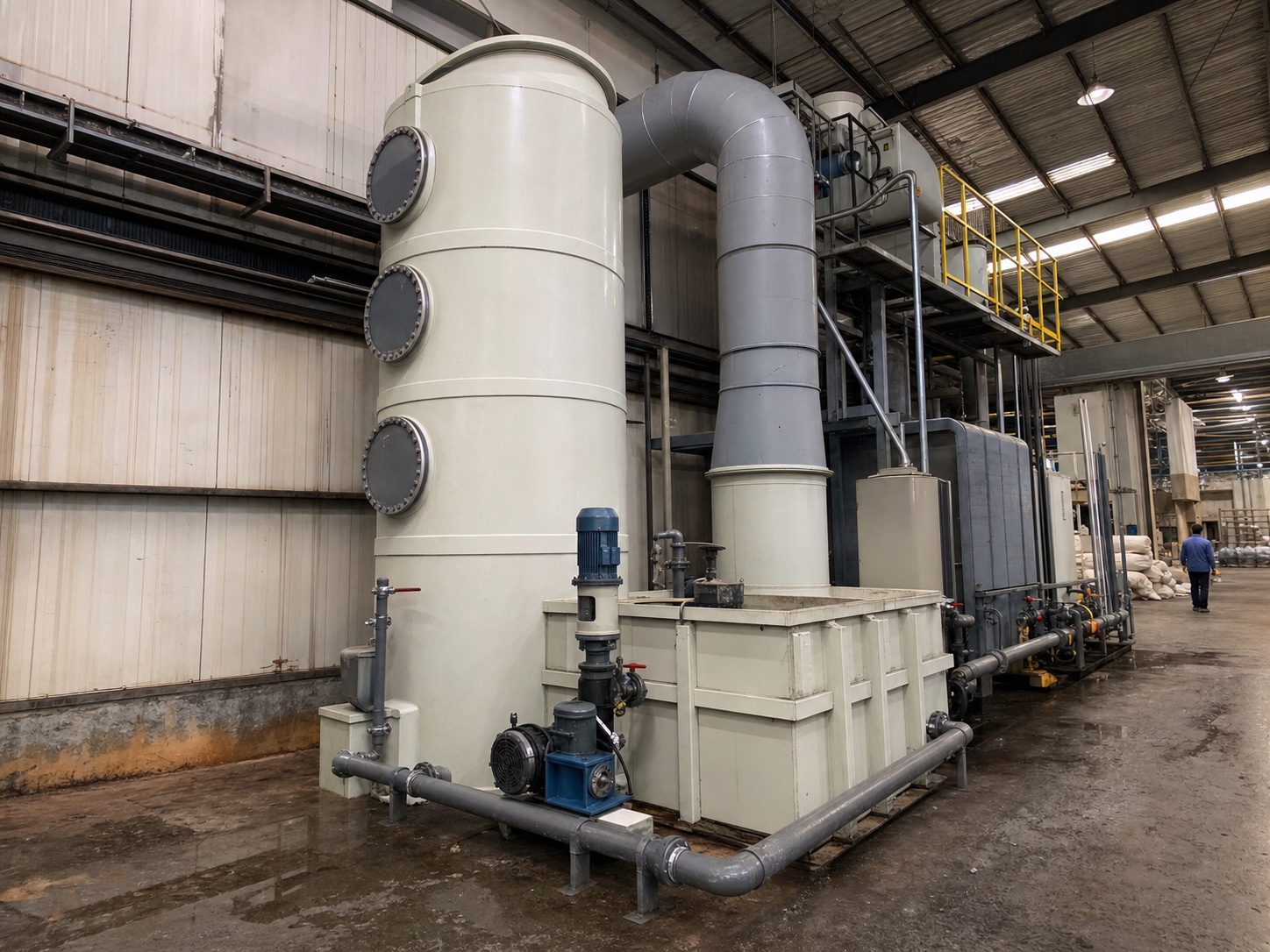
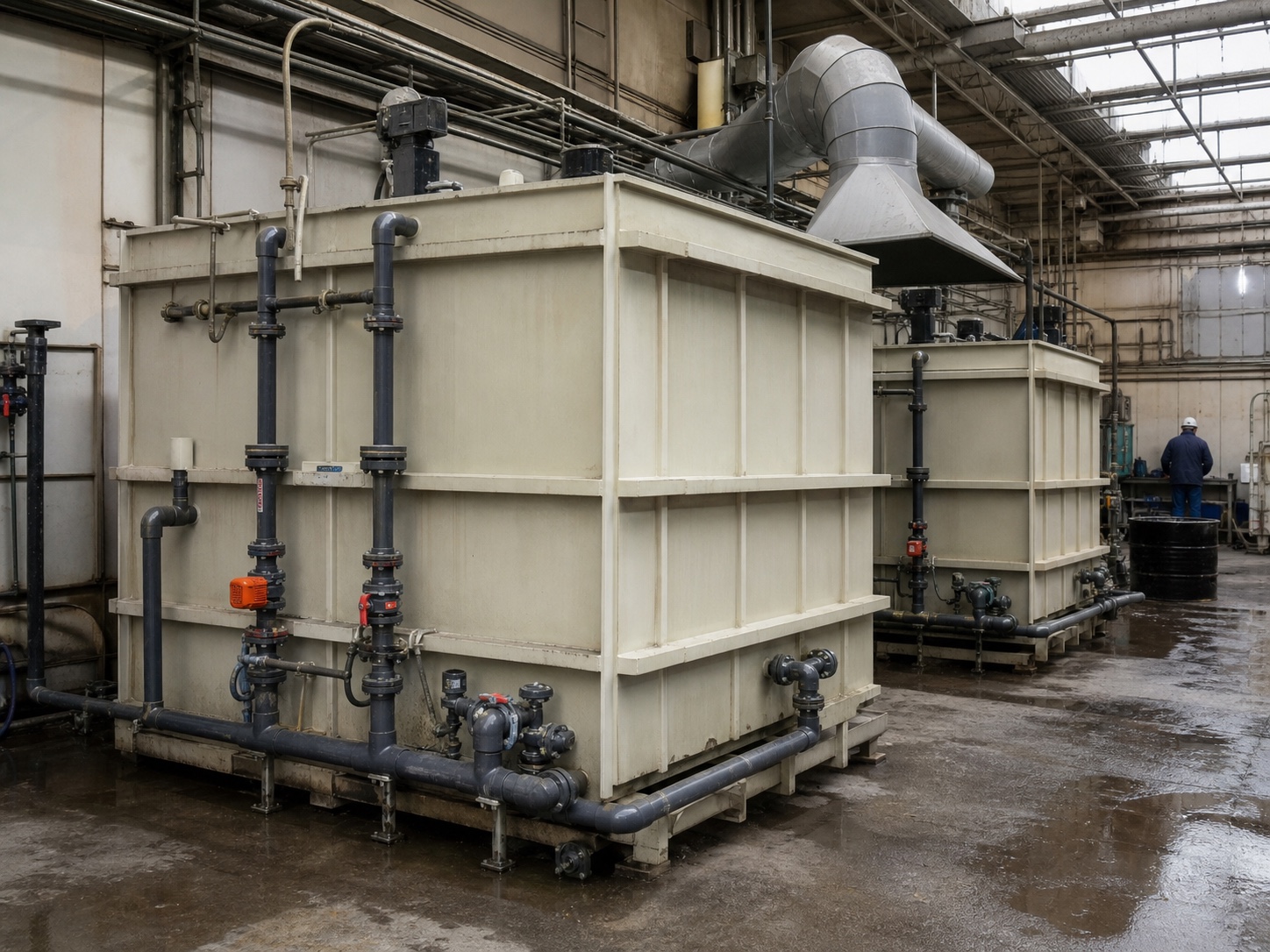
Short answer: choose PP fittings for a corrosive chemical piping system only after checking the actual chemical, concentration, temperature, pressure, connection method, pipe material and support layout together. PP can be a strong option for many acid, alkali, salt and wastewater services, but corrosion resistance is not a universal approval. The fitting, joint and installation design must match the complete service condition. Real QEEHUA production imagery: confirm the selected PP or PPH system and dimensions against the current project drawing. Why PP fitting selection is harder than choosing a pipe size In a chemical line, the fitting is not a minor accessory. Elbows, tees, reducers, unions, flanges, adapters and valves determine how the system changes direction, branches, connects to equipment and gets maintained. A fitting can be chemically compatible while the joint, gasket, thread, flange, support or operating temperature is not. A reliable selection process starts with service data rather than nominal diameter. The Plastics Pipe Institute TR-19 chemical-resistance report warns that unstressed plastic test results do not automatically represent a pipe or fitting under constant pressure, repeated stress or other mechanical loads. The five checks to complete before ordering PP fittings Selection item What to confirm Why it matters

How to Select PP Sheet for Electroplating Tanks by Chemical Duty
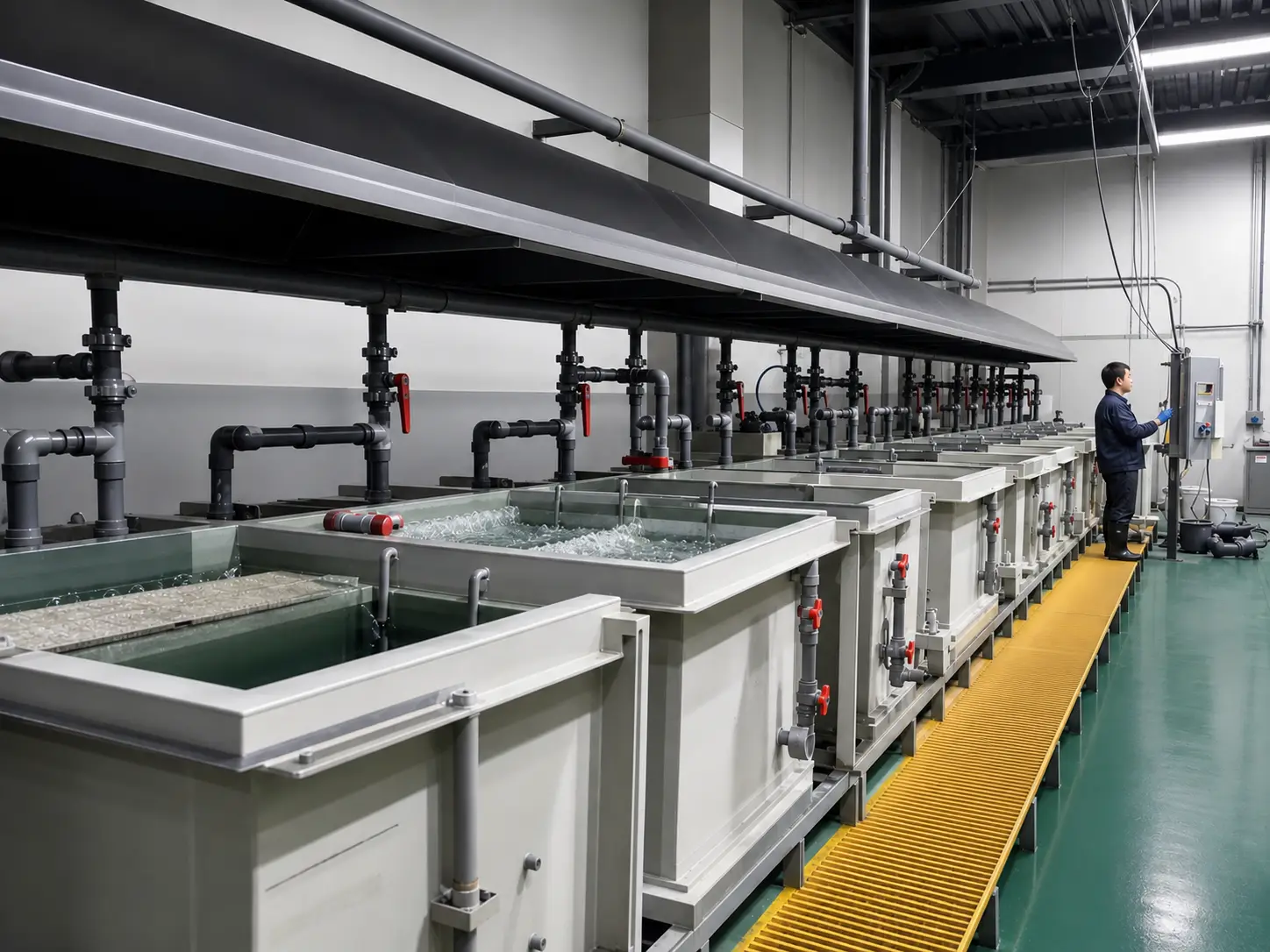
For an electroplating tank, the material choice starts with the bath. The word “chemical” is not enough. Before a sheet is selected, the project record should show the liquid, concentration, temperature range, liquid height, agitation, support spacing, and welding method. PP sheet for electroplating tanks can suit many wet-process components, but the sheet grade is only one part of the decision. Tank geometry, local loads, welded joints, cleaning chemicals, and upset conditions all belong in the same review. Start with the actual bath and compare the requirements with the QEEHUA PP sheet range before asking for a quotation. Real QEEHUA production imagery: check the supplied sheet grade and dimensions against the current project drawing. What problem does an electroplating tank need to solve? An electroplating line rarely has just one liquid. It may include acid baths, alkaline cleaners, rinse tanks, metal-bearing solutions, heated sections, pumps, agitation equipment, and overflow areas. Each part can expose the material to a different combination of chemistry, temperature, liquid load, and handling. The wastewater boundary matters as well. The U.S. EPA electroplating effluent guidance describes electroplating operations involving metals including copper, nickel, chromium, zinc, lead, cadmium, and silver. That guidance does not choose a tank

PP Sheet Packaging for Project Shipping: What to Confirm
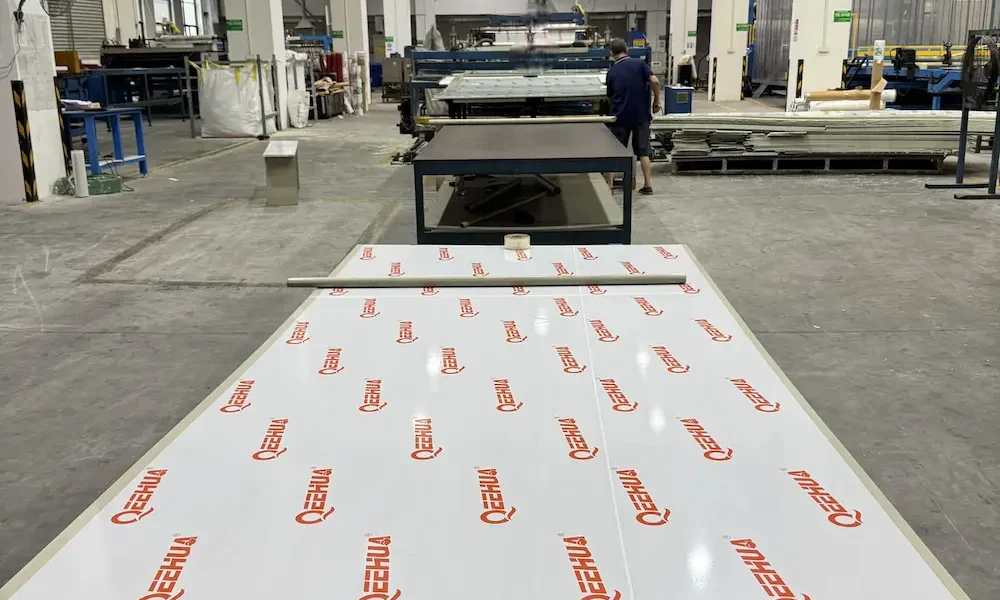
A PP sheet packaging discussion should begin with the actual project panels and transport route. Identify sheet sizes, quantity, panel faces, labels, handling points, destination, and the condition that will be checked on arrival. Packaging must be confirmed for the order. A storage or dispatch image shows product context, not a guarantee of a pack design, export route, delivery condition, or transport performance. Put the packaging question into the written project request. Project brief The shipping record needs to connect each pack with its panels and the parts they will become. This matters when sheets have different dimensions, surface requirements, or drawing revisions. A visible pack label helps receiving teams avoid mixing material before fabrication. Use the QEEHUA PP sheet range with the component record. The industry applications page can help the buyer place the request in an equipment context, but the drawing and actual duty remain the project evidence. Give the project file a short decision statement. It should say what is being selected, what condition controls the review, and what evidence will close the item. This is more useful than copying a material label into several documents. A buyer, fabricator, and inspector can then see the same scope
Technical FAQ
Our products are certified under ISO 9001, ISO 14001, and CE standards. We also provide FDA-compliant materials for pharmaceutical and food-grade applications. Test reports and certificates are available upon request.
Yes, we offer light customization services covering sheet thickness (3mm–100mm), rod diameters, welding rod specifications, and special formulations (including UV-resistant, flame-retardant, and conductive-grade PP materials).
MOQ varies by product type. Standard items typically have a low MOQ of 100kg, while custom profiles may require 500kg minimum. Contact our sales team for specific product MOQs.
Absolutely. Our engineering team provides comprehensive technical consultation including material selection, chemical compatibility analysis, and installation guidance. We also offer on-site support for large-scale projects.
We ship globally via sea freight, air freight, and express courier. Standard production lead time is 7–15 days depending on order volume. Rush production is available for urgent orders with surcharge.