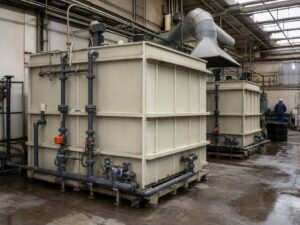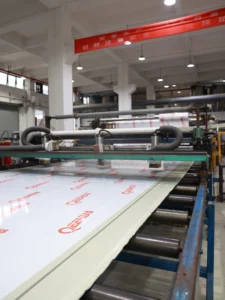
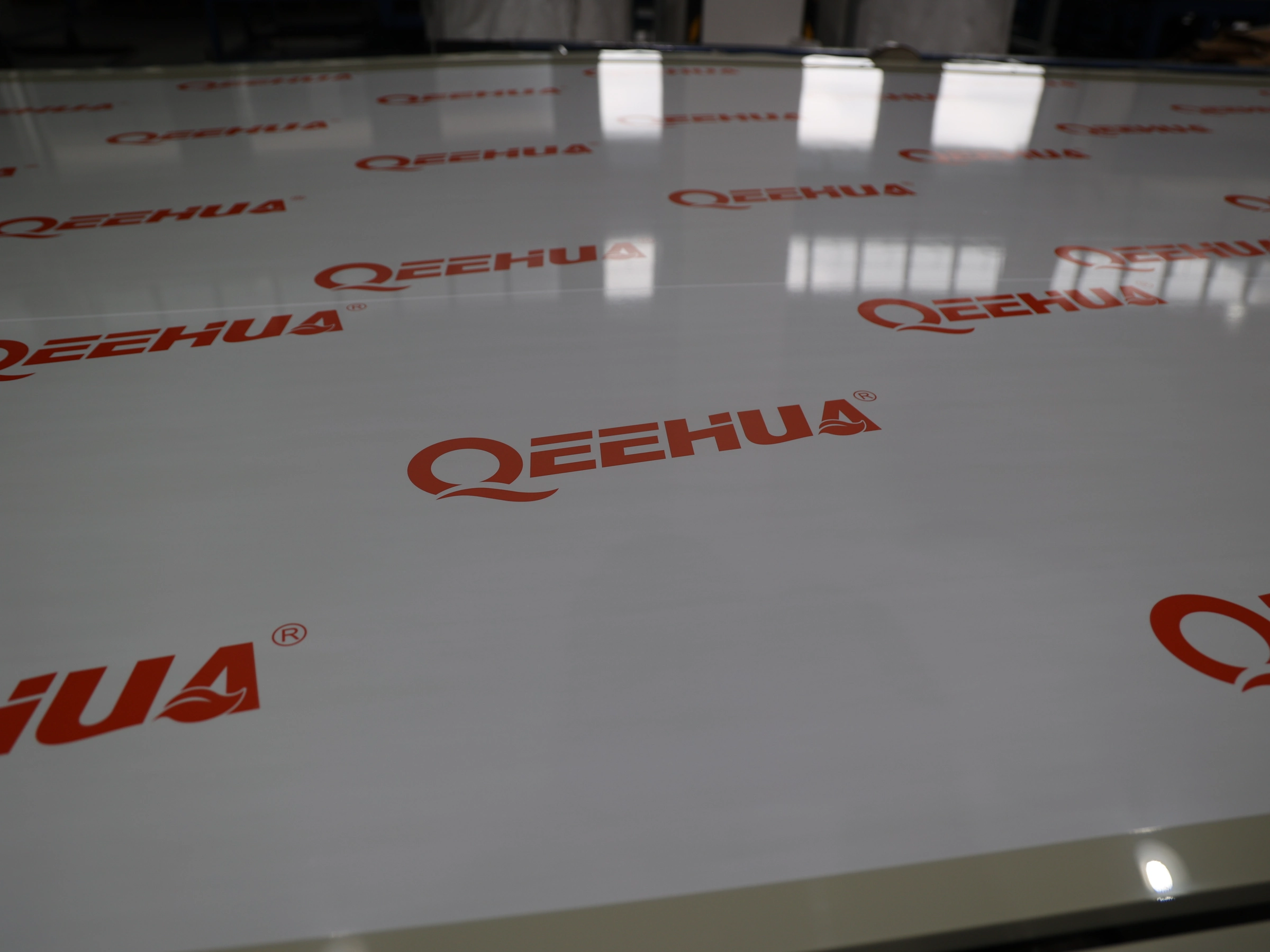
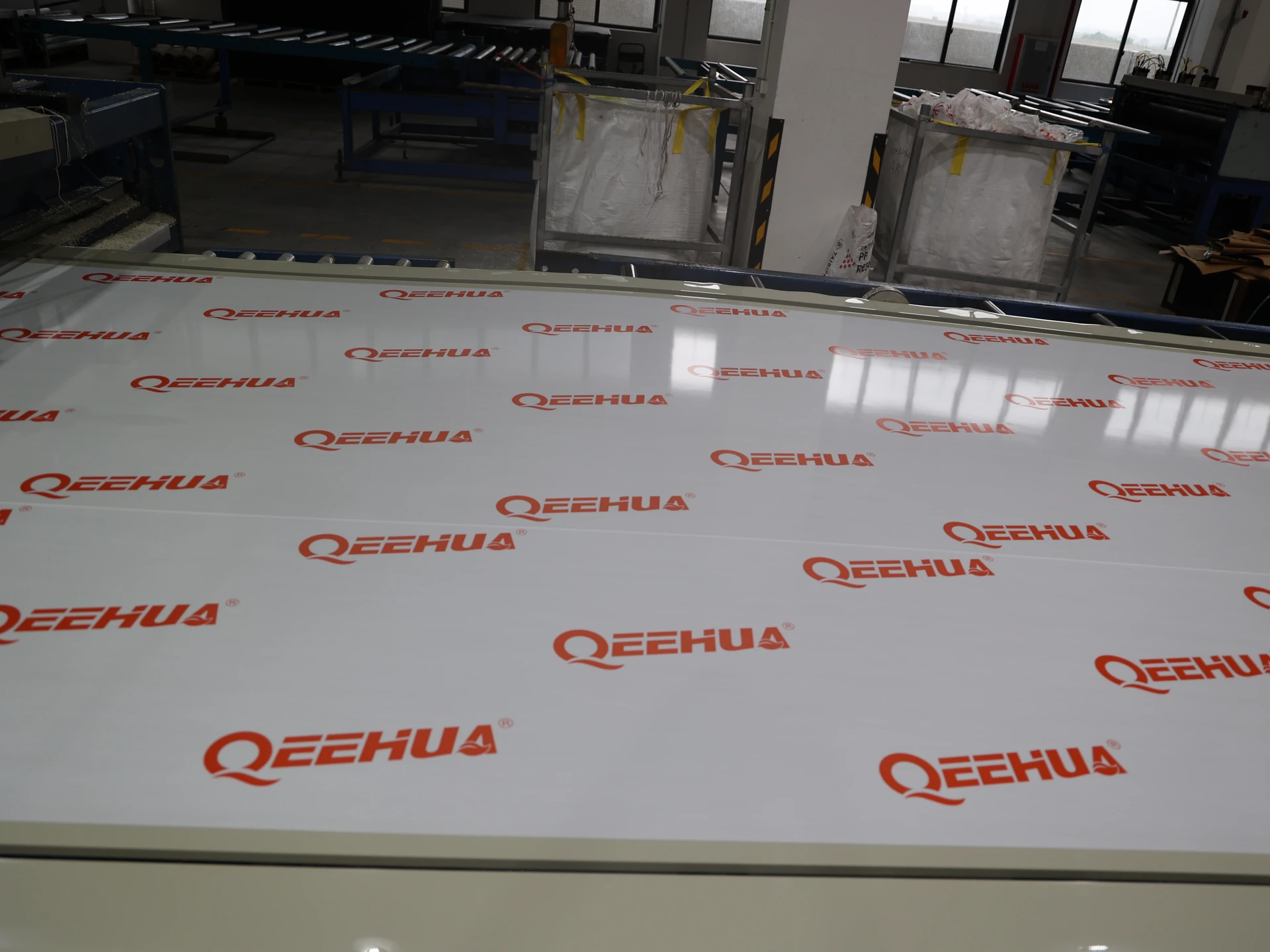
ال سحب ومعايرة ألواح البولي بروبيلين تُعدّ هذه المرحلة مهمة للمشترين الذين يرغبون في مرجع مرئي للجزء الأخير من عملية إنتاج الألواح. وهي لا تُغني عن المتطلبات المكتوبة. لا يزال المشروع بحاجة إلى تحديد الدرجة المقترحة، والسماكة، والأبعاد، والتوقعات السطحية، والمنتج النهائي، ومتطلبات التركيب. كما يحتاج إلى تفاصيل الهندسة والتصنيع التي لا يُمكن لفيديو الإنتاج إظهارها. يُرفق مقطع الفيديو QEEHUA كمرجع للعملية فقط. ولا يُحدد هذا المقطع سماحية السماكة العامة، أو نتيجة السطح المضمونة، أو إعدادات الخطوط لطلبك. يُرجى تأكيد هذه العناصر في طلب المواد ومراجعة الرسومات.
سحب ومعايرة ألواح البولي بروبيلين ينبغي مراجعة ذلك في ضوء واجبات المشروع الموثقة، والرسومات، ونطاق التصنيع، وسجلات المواد، ومتطلبات القبول.
سياق المشروع
PP sheet haul-off and calibration: project review
استخدم متطلبات المشروع الموثقة لمقارنة المواد ذات الصلة، وعمليات التصنيع، ومدخلات مراقبة الجودة قبل الإصدار.
يجب التعبير عن متطلبات الأبعاد بلغة المشروع. حدد حجم اللوحة، وسماكتها، ومتطلبات القطع، وميزة التوصيل، والنقطة المراد قياسها. إذا كانت اللوحة ستُستخدم في امتداد طويل غير مدعوم أو بالقرب من حمولة، فسجل حالة هذه المعدات بشكل منفصل. لا تُحدد بيانات المواد وحدها التصميم الإنشائي.
ينبغي على المشترين أيضاً تحديد المتطلبات البصرية والوظيفية. قد يُستخدم نموذج مسطح لفحص المظهر السطحي. أما ملاءمة الإطار أو المفصل أو نقطة الاختراق فقد تتطلب قطعاً أو تفاصيل مصنعة. غالباً ما يؤدي دمج هذه الأسئلة في طلب عينة واحد غير محدد إلى سجل موافقة غير واضح.
للاطلاع على سياق التطبيق، راجع QEEHUA التطبيقات الصناعية وقم بمطابقة الاستفسار مع مكون محدد بدلاً من تسمية مادة عامة.
مرجع الفيديو
يُظهر الفيديو المرفق عملية نقل ومعايرة جهاز QEEHUA كمرجع. ويساعد القراء على فهم مرحلة الإنتاج المذكورة في المقال. ولا يُحدد الفيديو خطة قياس لورق معين، ولا ينبغي اعتباره دليلاً على اكتمال تجميع المعدات.
استخدم الفيديو كدليل لتحديد عملية التحقق من القبول الفعلية. حدد البُعد أو مساحة السطح المهمة، وتعديل الرسم، وحجم العينة، وطريقة المقارنة، والمسؤول عن اتخاذ القرار. هذا يُعطي المراجعة نتيجة واضحة بدلاً من طلب عام للوحة مُعايرة.
مرجع الفيديو: PP Sheet Extrusion: Haul-off and Calibration Process | QEEHUA. It shows the haul-off and calibration stage; confirm the actual dimensional and surface acceptance criteria for the project.
فحص المواد
يقدم تقرير QEEHUA معلومات عن الكثافة، ونتائج اختبار الانحناء، ومعامل الشد، وقوة الصدم المشقوقة لعينات صفائح البولي بروبيلين المختبرة. قد تكون هذه النتائج مفيدة في المراجعة الفنية، لكنها لا تُحدد مدى الامتداد المسموح به، أو تصميم الدعامات، أو توصية بشأن السماكة. تتطلب هذه العناصر معرفة الشكل الهندسي النهائي للقطعة، والحمل، وتكوين الوصلات، وأساس تصميم المشروع.
ابدأ بـ مجموعة ألواح البولي بروبيلين QEEHUA, ثم قارن الطلب بظروف التشغيل والرسم. بالنسبة للمعدات المستخدمة في المواد الكيميائية، فإن دليل اختيار خزانات المواد الكيميائية يشرح هذا لماذا يجب أن تبقى المادة والتركيز ودرجة الحرارة والحمل والهندسة في المراجعة.
بيانات المشروع
تُقدَّم القيم التالية كمرجع موجز لمناقشة مراجعة المواد. وهي تبقى مرتبطة بالعينة والطريقة المختبرة، وليست قيماً تُستخدم في حسابات المعدات النهائية.
| ملكية | القيمة المُبلغ عنها | العينة والحالة | طريقة |
|---|---|---|---|
| كثافة | 912 كجم/م³ | نموذج لبيانات ورقة البولي بروبيلين QEEHUA؛ لم يتم تحديد درجة التكييف والإنتاج. | ASTM D792-20 |
| اختبار الانحناء | 1870 ميجا باسكال | نموذج لبيانات ورقة البولي بروبيلين QEEHUA؛ لم يتم تحديد درجة التكييف والإنتاج. | ASTM D790-25 |
| معامل الشد | 1820 ميجا باسكال | نموذج لبيانات ورقة البولي بروبيلين QEEHUA؛ لم يتم تحديد درجة التكييف والإنتاج. | ASTM D638-22 |
| قوة تحمل الصدمات المشقوقة | 59 جول/متر | نموذج لبيانات ورقة البولي بروبيلين QEEHUA؛ لم يتم تحديد درجة التكييف والإنتاج. | ASTM D256-24 |
هذه قيم مُبلغ عنها لعينة ورقة البيانات. وهي لا تُحدد مواصفات الجودة القابلة للبيع، أو هامش التفاوت المسموح به في الإنتاج، أو تصميم المعدات النهائية. يُرجى التأكد من الدرجة، والسماكة، والرسم، ووسط المعالجة، وظروف التشغيل للمشروع.
المصادر والحدود: يعرض فيديو عملية QEEHUA المضمن مشهد الإنتاج الذي تمت مناقشته هنا. اختبار خواص الانحناء وفقًا لمعيار ISO 178 و انحراف ISO 75-1 تحت الحمل يرجى تقديم طريقة أو سياق قياس منشور. لا يزال الجدول يُحدد طرق ASTM المستخدمة لعينة QEEHUA المُبلغ عنها. لا يُحوّل أيٌّ من المصدرين الخارجيين قيمة العينة المختبرة إلى مواصفات طلب؛ لذا يُرجى التأكد من متطلبات المشروع قبل النشر.
قبل الموافقة على الشراء، قارن ورقة البيانات مع الطلب الفعلي سطرًا بسطر. تحقق من المنتج المقترح، والدرجة أو الوظيفة المطلوبة، والسماكة، وأبعاد اللوحة، واللون (إن وجد)، ومتطلبات العملية، ومراجعة الرسم، والغرض من العينة. لا يمكن اتخاذ قرار المشروع بناءً على رقم غير مرتبط بمكون أو شرط محدد.
إذا تطلّب المشروع قدرةً خارج نطاق سجل البيانات المعتمد، فحدد المتطلبات بوضوح. قد يشمل ذلك درجة وظيفية، أو موافقة تطبيق، أو هدف مقاومة خاص، أو هامش سماحية، أو اختبار تصنيع. وبذلك، يمكن لـ QEEHUA تأكيد المعلومات المتاحة بدلاً من السماح لفيديو عام أو قيمة عينة مختبرة بالإيحاء بأكثر مما تثبته.
عمليات فحص المصنع
احتفظ بسجل الطلب منفصلاً عن مرجع الإنتاج المرئي. يجب أن يوضح السجل الورقة المطلوبة، وأبعادها، ولونها إن وجد، والمعالجة المطلوبة، والكمية، ونقطة الفحص. إذا كانت هناك سمة محددة، فحدد الخاصية وأساس القياس المتفق عليه في وثائق المشروع.
عند تصنيع اللوحة النهائية لتُشكّل خزانًا أو حاويةً أو حوضًا أو إطارًا، أضف تفاصيل التركيب. قد تؤثر الدعامات والفتحات والزوايا الملحومة ووصلات الأنابيب وقيود النقل على مراجعة المشروع. لا يُمثّل النموذج المسطّح جميع هذه الشروط.
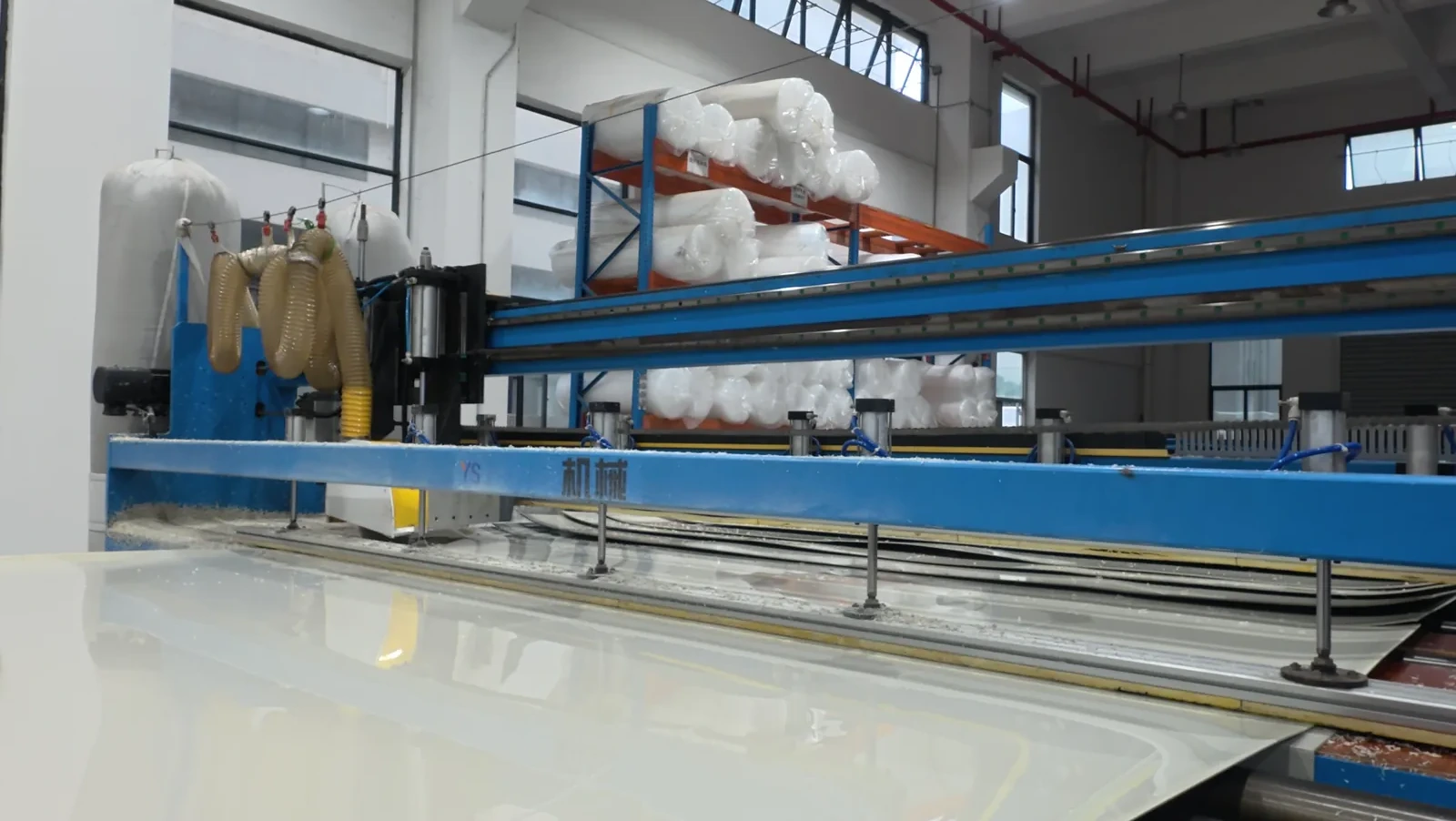
حدود الفيديو
قد يُظهر مقطع فيديو الإنتاج مرحلة من مراحل العملية، ولكنه لا يُظهر جميع درجات المواد أو نقاط الفحص أو متطلبات الطلب. ولا ينبغي استخدامه أبدًا للاستدلال على مدة تسليم ثابتة، أو هامش خطأ عام، أو شهادة، أو أداء وظيفي، أو تصميم معدات نهائية.
سجل الإصدارات
اجعل سجل الموافقة بسيطًا وقابلًا للتتبع. يجب أن يحدد مكون العميل، وتعديل الرسم، والورقة المقترحة، والأبعاد، والشرط الذي يتحكم في المراجعة، والتصنيع المطلوب، والغرض من العينة، والجهة التي ستوافق على النتيجة. عند تغيير أي من هذه العناصر، يجب إعادة فتح المراجعة لهذا العنصر المُعدَّل.
يُفرّق هذا السجل أيضًا بين النقاش التقني والافتراض التجاري. فلكلٍّ من صورة الإنتاج، وفيديو العملية، وقسيمة الشراء، ورسم المعدات المكتملة، أغراضٌ مختلفة. احتفظ بكل عنصر مُرفقًا بالسؤال الذي يُجيب عنه، ثم سجّل أي متطلبات لا تزال بحاجة إلى تأكيد خاص بالمشروع.
نموذج طلب
اطلب عينة مسطحة عند فحص السطح أو اللون أو عمليات التصنيع الأساسية. اطلب قطعة مصنّعة عند تقييم الملاءمة أو الوصلة أو الفتحة. قدّم للمراجع الرسم التوضيحي وطريقة القبول. راجع دليل طلب عينة من ورقة PP للحصول على قائمة مهام المشروع، ثم أرسل الرسم واطلب نموذجًا للمشروع.
الأسئلة الشائعة
هل يوضح فيديو عملية السحب والمعايرة مدى التفاوت المسموح به في صفائح البولي بروبيلين؟
لا، الفيديو هو مرجع للعملية. يجب التأكد من أي هامش خطأ للمنتج المطلوب وطريقة القياس.
ما الذي يجب قياسه في عينة المشروع؟
قم بقياس الخاصية المحددة في الرسم والطلب. قد تكون هذه الخاصية بُعدًا للورقة، أو مساحة سطح، أو خاصية قطع، أو تفاصيل تزاوج.
هل يمكن لبيانات الانحناء تحديد تباعد الدعامات؟
لا. يتطلب تباعد الدعامات والتصميم الهيكلي معرفة هندسة الجزء، والحمل، والوصلات، وأساس السلامة، وظروف الخدمة.
لماذا يُعدّ الغرض من العينة مهماً؟
يحدد الغرض ما إذا كانت القسيمة المسطحة أو اللوحة المصنعة أو التفاصيل المصنعة تقدم دليلاً مفيداً للمشروع.
ل سحب ومعايرة ألواح البولي بروبيلين, قم بتسجيل افتراضات المشروع النهائية وفحوصات القبول قبل إصدار نطاق التصنيع أو الشراء.