PP sheet for electroplating tanks can suit many wet-process components, but the sheet grade is only one part of the decision. Tank geometry, local loads, welded joints, cleaning chemicals, and upset conditions all belong in the same review. Start with the actual bath and compare the requirements with the QEEHUA PP sheet range before asking for a quotation.
What problem does an electroplating tank need to solve?
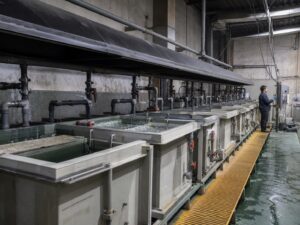
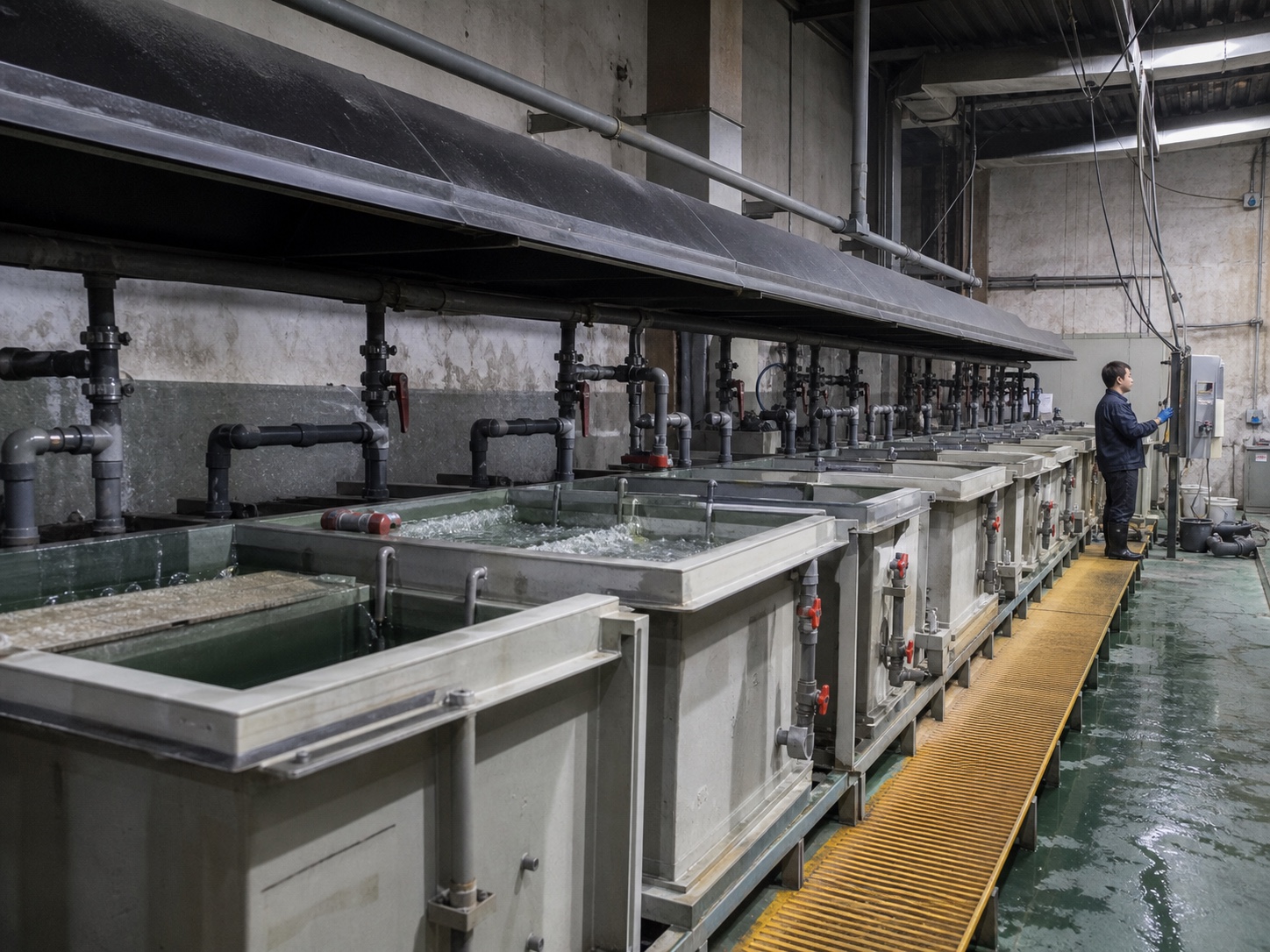
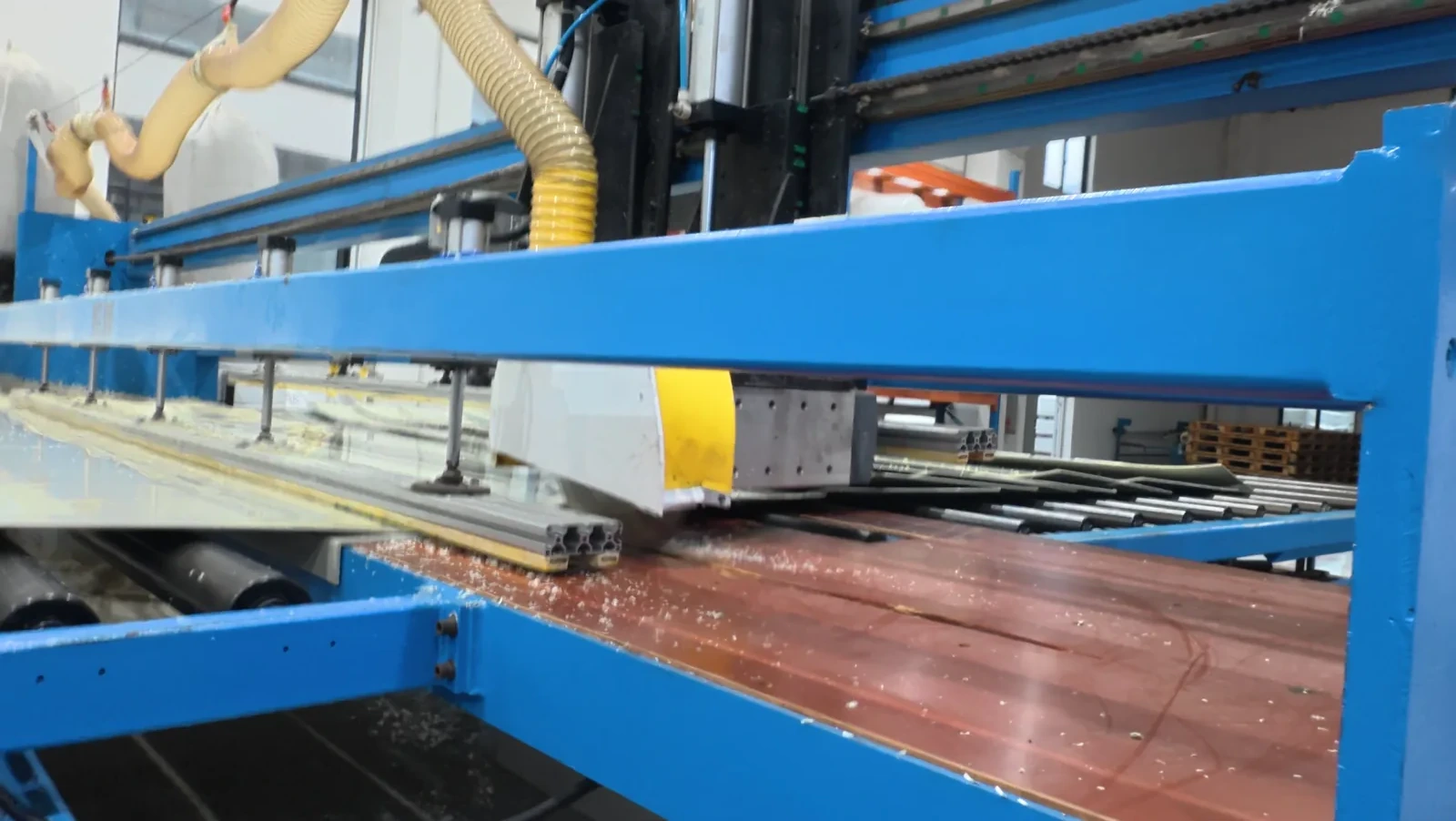
An electroplating line rarely has just one liquid. It may include acid baths, alkaline cleaners, rinse tanks, metal-bearing solutions, heated sections, pumps, agitation equipment, and overflow areas. Each part can expose the material to a different combination of chemistry, temperature, liquid load, and handling.
The wastewater boundary matters as well. The U.S. EPA electroplating effluent guidance describes electroplating operations involving metals including copper, nickel, chromium, zinc, lead, cadmium, and silver. That guidance does not choose a tank material. It does show why a buyer should identify the actual bath, rinse stream, contaminants, and treatment boundary instead of sending a quotation request labelled only “chemical tank.”
A common problem is an incomplete duty record. The normal bath is listed, but the cleaning chemical, temperature spike, concentrated drain, or heater-control failure is not. Those conditions may govern compatibility even if the tank spends most of its time in a milder solution.
Why do chemical concentration and temperature matter?
PP chemical resistance is not a single yes-or-no property. Concentration, temperature, exposure time, contamination, stress, and mechanical loading can change the practical duty. A resistance table is useful for first-pass screening; it is not a substitute for reviewing the complete operating envelope.
For a plating-tank review, separate the information into four operating states:
- Normal bath: chemical name, concentration, temperature, and expected exposure time.
- Maximum bath: the highest credible concentration and temperature, not just the normal set point.
- Cleaning and maintenance: wash, descaling, draining, and neutralization chemicals.
- Upset condition: accidental mixing, overflow, concentrated discharge, or heater-control failure.
If the liquid is a mixture, provide the available composition and identify the most aggressive component. If the data is incomplete, keep chemical compatibility as an open engineering item. Do not turn a table rating into a blanket service guarantee.
Where does PP sheet fit in an electroplating line?
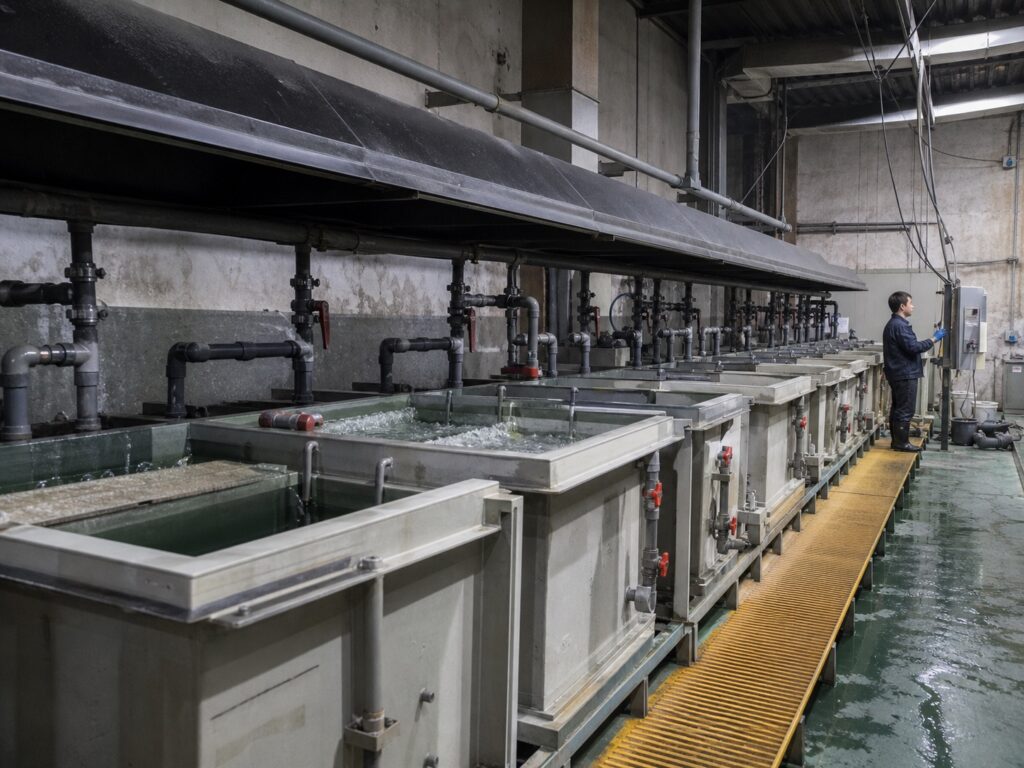
For a defined line, PP sheet may be considered for tank bodies, internal partitions, covers, overflow sections, drip areas, and other wet-process components. The QEEHUA page for PP sheet for electroplating tanks is useful for framing the application, while the drawing controls the final release.
Different parts of the same tank do not see the same duty. A wall carries continuous liquid contact and hydrostatic load. A cover may face vapour, sunlight, and repeated handling. A partition may see unequal liquid levels, agitation, and frequent cleaning. It is risky to assume that one grade and one thickness automatically suit every part.
Rinse and neutralization equipment also deserves its own line in the review. Once the chemistry changes, the downstream component should not be treated as if it were still holding the plating bath.
How should the tank material be selected?
| Selection item | What to document | Why it affects the decision |
|---|---|---|
| Chemical duty | Medium, concentration, contaminants, and exposure time | Resistance depends on the actual process liquid. |
| Temperature | Normal, maximum, cleaning, and upset temperatures | Heat can change stiffness and chemical-resistance behaviour. |
| Tank geometry | Length, width, liquid height, openings, and supports | Liquid load and support spacing affect wall and reinforcement design. |
| Process hardware | Heaters, coils, pumps, agitation, pipes, and lifting points | Local loads and heat sources can control the detail design. |
| Sheet grade | Standard or modified grade, with current data sheet revision | The grade must match the environment and documented requirements. |
| Thickness | Nominal thickness, tolerance, ribs, corners, and flanges | Thickness alone does not define tank strength. |
| Welding | Rod compatibility, joint design, procedure, and inspection | Seams can control leak-tightness and service reliability. |
Use hydrostatic pressure as a screening check
For a first-pass liquid-load estimate, use p = rho x g x h. Here, rho is liquid density, g is gravitational acceleration, and h is liquid height. With a water-like liquid at rho = 1000 kg/m3, g = 9.81 m/s2, and h = 1.5 m, the gauge pressure is approximately 14.7 kPa. The Penn State hydrostatic-pressure reference supports this relationship.
That number is a screening value, not a PP wall-thickness approval. Wall span, support spacing, temperature, welds, external loads, chemical density, and applicable design requirements still need review.
Match the sheet, welding rod, and joint design
A welded tank is a system rather than a stack of separate materials. Sheet grade, welding rod, joint preparation, welding method, backing, operator competence, and inspection all affect the seam. The independent TWI technical paper on welding and testing thermoplastic tanks and pipes discusses welding methods, testing, and the need to control weld quality.
For leak-sensitive equipment, specify the welding rod together with the sheet grade. Use the QEEHUA PP welding rod range as the product reference, then confirm the rod, joint detail, welding procedure, and test method against the drawing.
Check exposure beyond the liquid surface
The tank cover and external panels may see vapour, sunlight, humidity, and handling even when the wall is immersed. If the project has UV, static, conductive, fire, hygiene, or another special requirement, state it before the grade is selected. A modified-grade label by itself is not enough; request the current test method, report revision, and product scope.
A practical procurement workflow for PP electroplating tanks
- Define the bath. Record the chemical name, concentration, temperature range, exposure time, cleaning chemistry, and upset conditions.
- Map the equipment. Mark tank walls, partitions, covers, overflow areas, heaters, pumps, pipe connections, supports, and access points on the drawing.
- Screen the material. Compare the actual duty with current PP chemical-resistance evidence and flag every condition that still needs confirmation.
- Build the fabrication package. Align sheet grade, thickness, panel layout, welding rod, joint detail, reinforcement, inspection, and leak-test requirements.
- Document the release. Attach the current data sheet, chemical evidence, drawing revision, assumptions, and acceptance items to the PP sheet material submittal checklist.
This keeps the purchasing question concrete: which PP sheet and fabrication system fit this electroplating-tank duty under the documented conditions? A catalogue description alone cannot answer that question.
Frequently asked questions
Is PP sheet suitable for an electroplating tank?
PP sheet can suit many electroplating tanks and wet-process components when chemical duty, concentration, temperature, liquid height, mechanical loads, sheet grade, and welding method are reviewed together. Confirm the complete process duty before fabrication.
What information should a buyer send before requesting PP sheet for a plating tank?
Send the chemical name and concentration, normal and maximum temperatures, tank dimensions, liquid height, support spacing, heaters or agitation, indoor or outdoor exposure, welding method, drawing revision, and inspection expectations.
Can PP sheet be welded for a leak-resistant electroplating tank?
Yes, PP sheet can be fabricated with compatible PP welding rods and controlled procedures. Leak-tight performance depends on joint preparation, rod compatibility, welding equipment, operator skill, seam design, support, and inspection. Match the welding rod to the sheet grade.
Does PP resist every electroplating chemical?
No. Suitability varies with chemical identity, concentration, temperature, stress, contamination, and exposure time. Use a current resistance table for preliminary screening and request a project-specific review when the bath is mixed, hot, concentrated, or otherwise complex.
Conclusion: select the PP sheet from the bath and the drawing
The useful purchasing question is not whether PP is simply “good for chemicals.” It is whether a defined sheet, welding system, and tank design fit the actual electroplating bath and its credible operating conditions.
Before ordering, send the bath chemistry, temperature envelope, liquid height, equipment drawing, sheet and welding requirements, and inspection expectations. Contact the QEEHUA technical team with the drawing revision and process duty so the material review stays tied to the real equipment.