A تقديم مواد ألواح البولي بروبيلين يجب أن يجيب مشروع الهندسة والمشتريات والإنشاء (EPC) على سؤال محدد متعلق بالمشروع. ابدأ بالمكون، ومراجعة الرسم، وشكل الورقة المطلوب، ووظيفة التشغيل، ومسار التصنيع، ونقطة الموافقة. أضف البيانات فقط مع طريقة الاختبار وحدود العينة. يمكن لجدول مقاومة المواد الكيميائية QEEHUA أن يدعم الفحص الأولي للوسائط والتركيز ودرجة الحرارة المدرجة. لا يزال الاختيار النهائي يتطلب تحديد الوسط والضغط والإجهاد والهندسة والدعامات وظروف العملية بدقة.
تقديم مواد ألواح البولي بروبيلين ينبغي مراجعة ذلك في ضوء واجبات المشروع الموثقة، والرسومات، ونطاق التصنيع، وسجلات المواد، ومتطلبات القبول.
ملخص المشروع
PP sheet material submittal: project review
استخدم متطلبات المشروع الموثقة لمقارنة المواد ذات الصلة، وعمليات التصنيع، ومدخلات مراقبة الجودة قبل الإصدار.
غالبًا ما يمر ملف EPC عبر فرق التصميم والمشتريات والإنشاء والجودة. امنح كل صفحة رابطًا واضحًا للنظام، وعلامة المعدات، والمكون، والرسم الحالي. لا تُعدّ ورقة بيانات PP المنفصلة بمثابة تقديم مواد لحزمة كاملة.
استخدم مجموعة ألواح البولي بروبيلين QEEHUA مع سجل المكون. الـ التطبيقات الصناعية يمكن أن تساعد الصفحة المشتري في وضع الطلب في سياق المعدات، لكن الرسم والواجب الفعلي يظلان دليل المشروع.
أضف إلى ملف المشروع بيانًا موجزًا للقرار. يجب أن يوضح البيان ما يتم اختياره، والشروط التي تحكم عملية المراجعة، والأدلة التي ستؤدي إلى إغلاق البند. هذا أكثر فائدة من نسخ وصف المادة في عدة مستندات. وبذلك، يستطيع كل من المشتري والمصنّع والمفتش الاطلاع على نطاق العمل نفسه دون الحاجة إلى الاعتماد على الذاكرة.
مدخلات القرار
افصل الحقائق عن العناصر التي تحتاج إلى تأكيد. نتيجة اختبار العينة حقيقةٌ مدعومةٌ بمنهجية. أما الفحص الكيميائي فهو مرجعٌ خاصٌ بحالةٍ معينة. ويبقى طلب درجة الأداء الوظيفي، أو الموافقة على التطبيق، أو التفاوت المسموح به، أو نتيجة المعدات النهائية، مفتوحًا حتى يتم تأكيد الأدلة الداعمة للمشروع. هذا الفصل يحافظ على فائدة الطلب وقابليته للدفاع.
اكتب القيم المعروفة والقيم المجهولة بشكل منفصل. تتطلب مراجعة المواد سجلاً واضحاً للمكون المقترح، وظروف التشغيل، والأبعاد، وطريقة التصنيع. ينبغي أن يثير أي نقص في المتطلبات تساؤلاً، لا افتراضاً تلقائياً.
انتبه للشروط التي قد تُغفل بسهولة في طلب عرض سعر قصير. فالحمل الموضعي قرب فتحة، أو دورة التنظيف، أو الانتقال بين المواد، أو نقطة الدعم، أو أي تغيير بعد التركيب، قد يكون أهم من قيمة خاصية رئيسية. ضع الشرط بجوار المكون ذي الصلة بدلاً من إضافته كملاحظة عامة للمشروع بأكمله.
بيانات للمراجعة
البيانات التالية ذات صلة بمناقشة مراجعة المواد. كل قيمة تخص العينة المختبرة والطريقة المحددة. لا يمثل أي من هذه البيانات مواصفات درجة قابلة للبيع، أو حسابات الجزء النهائي، أو هامش التفاوت المسموح به في الطلب.
| ملكية | القيمة المُبلغ عنها | العينة والحالة | طريقة |
|---|---|---|---|
| كثافة | 912 كجم/م³ | تم اختبار عينة من صفائح البولي بروبيلين QEEHUA؛ لم يتم تحديد درجة الإنتاج أو التكييف. | ASTM D792-20 |
| قوة الشد | 30 ميجا باسكال | تم اختبار عينة من صفائح البولي بروبيلين QEEHUA؛ لم يتم تحديد درجة الإنتاج أو التكييف. | ASTM D638-22 |
| اختبار الانحناء | 1870 ميجا باسكال | تم اختبار عينة من صفائح البولي بروبيلين QEEHUA؛ لم يتم تحديد درجة الإنتاج أو التكييف. | ASTM D790-25 |
| قوة الصدمة المعتمدة من إيزود | 59 جول/متر | تم اختبار عينة من صفائح البولي بروبيلين QEEHUA؛ وتسجل ورقة البيانات رمز J/m C | ASTM D256-24 |
تُذكر هذه القيم لعينة مُختبرة في ورقة بيانات QEEHUA. يُرجى التأكد من الدرجة، والسماكة، والرسم، والوسط الكيميائي (إن وُجد)، وظروف التشغيل، ومتطلبات قبول المشروع قبل الاختيار النهائي.
اقرأ كل رقم كنتيجة محددة. توضح الطريقة للقارئ كيفية الحصول على القيمة. توضح الملاحظة النموذجية للقارئ ما تم اختباره. يوضح سجل المشروع للقارئ ما إذا كانت النتيجة ذات صلة بجدار، أو غطاء، أو جزء مقطوع، أو وصلة، أو دعامة، أو أي ميزة أخرى من ميزات المعدات. يؤدي حذف أي من هذه الأجزاء إلى تسهيل تكرار الرقم وإساءة استخدامه.
قم بإجراء فحص شامل للوثائق قبل الموافقة على الشراء. تأكد من أن ورقة البيانات، والرسم، والطلب، وسجل العينة هي أحدث الإصدارات. يمكن أن تبقى نتيجة المادة دون تغيير حتى لو تغيرت هندسة المكون، أو وظيفته، أو خطة التصنيع. يجب أن يواكب تقييم المشروع التغييرات الحاصلة، وليس مجرد تغيير عنوان الوثيقة.
اطرح سؤالاً أخيراً قبل الإصدار: ما هو الشرط الذي يجعل هذه الورقة أو الجزء المقترح غير مقبول لهذه المهمة؟ دوّن هذا الشرط في السجل مع تحديد اسمك. قد يكون هذا الشرط ميزة في الرسم، أو حالة تشغيل، أو نتيجة عينة، أو نقطة فحص، أو مستنداً لا يزال بحاجة إلى تأكيد.
للاطلاع على سياق الأسلوب العام، انظر تقييم الكواشف الكيميائية وفقًا لمعيار ASTM D543 و متطلبات إدارة الجودة وفقًا لمعيار ISO 9001:2015. توضح هذه المصادر الممارسات القياسية فقط، ولا تشير إلى شهادة QEEHUA أو تضيف أي ادعاءات متعلقة بالمنتج تتجاوز سجل البيانات الداخلي.
للاطلاع على سؤال متعلق بالمشروع، انظر إلى دليل المعرفة ذي الصلة QEEHUA و مقال مراجعة المشروع. احتفظ بكل مادة مرتبطة بالقرار المحدد الذي تتناوله.
سجل التصنيع
صف العمل بعد التسليم. دوّن عمليات القطع، والتشغيل الآلي، واللحام، والتقوية، وواجهة التركيب، وإمكانية الوصول للفحص عند الاقتضاء. يحتاج المصنّع إلى هذه المعلومات لتحديد ما إذا كان ينبغي مراجعة عينة مسطحة، أو جزء مقطوع، أو وصلة نموذجية. حافظ على توافق المستندات الفنية المقدمة مع مراجعة الرسم.
ينبغي أن يُمكّن سجلّ الموافقة موظفي المشتريات والتصنيع والجودة من التوصل إلى النتيجة نفسها. ويجب أن يُبيّن المكوّن المُحدّد، والرسم الحالي، والمواد المطلوبة، والشروط التي تُنظّم المراجعة، والأدلة التي لا تزال مطلوبة. وفي حال تغيّر أيٌّ من هذه العناصر، يجب تسجيل التغيير قبل معالجة اللوحة المتأثرة.
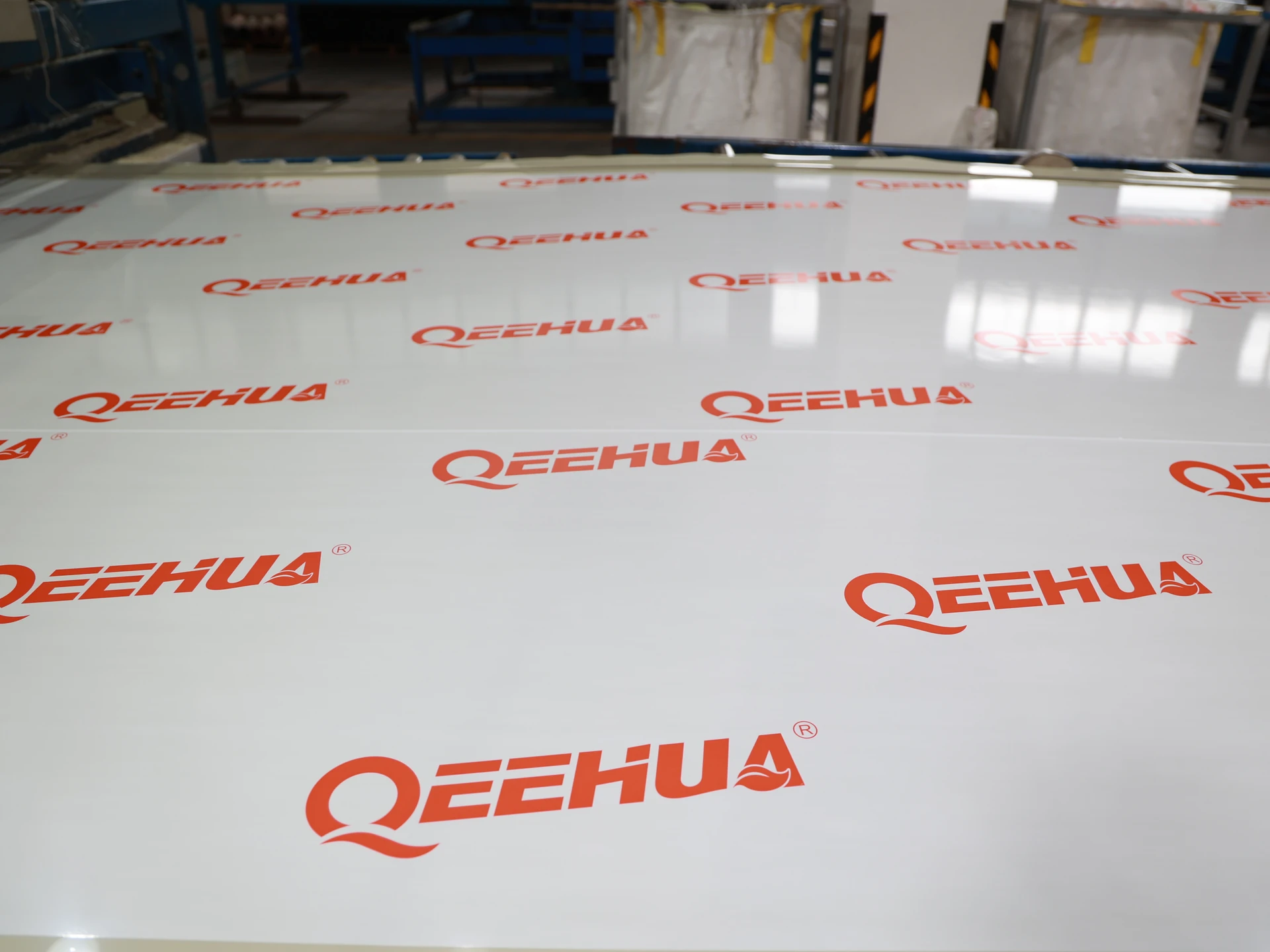
رتّب خطوات التصنيع حسب ترتيب حدوثها. يتم استلام المواد، وتحديدها، وقطعها أو تشكيلها، وربطها عند الحاجة، وفحصها، ثم تسليمها للعملية التالية. هذا الترتيب يُظهر أي ثغرات. على سبيل المثال، لا يمكن مراجعة تفاصيل اللحام من طلب لوحة مسطحة، ولا يمكن التحقق من واجهة التركيب من حجم صفيحة منفصلة.
نقاط التفتيش
يجب أن يُحدد سجل المراجعة الشخص أو الفريق الذي يُوافق على كل بند والأدلة المُستخدمة. لا تستخدم صورة إنتاجية أو فيديو أو جدول خصائص عام كبديل لسجل قبول المشروع. يجب أن يُؤدي أي تغيير في الحالة إلى تغيير في المراجعة، حتى لو لم يتغير اسم المادة الأساسية.
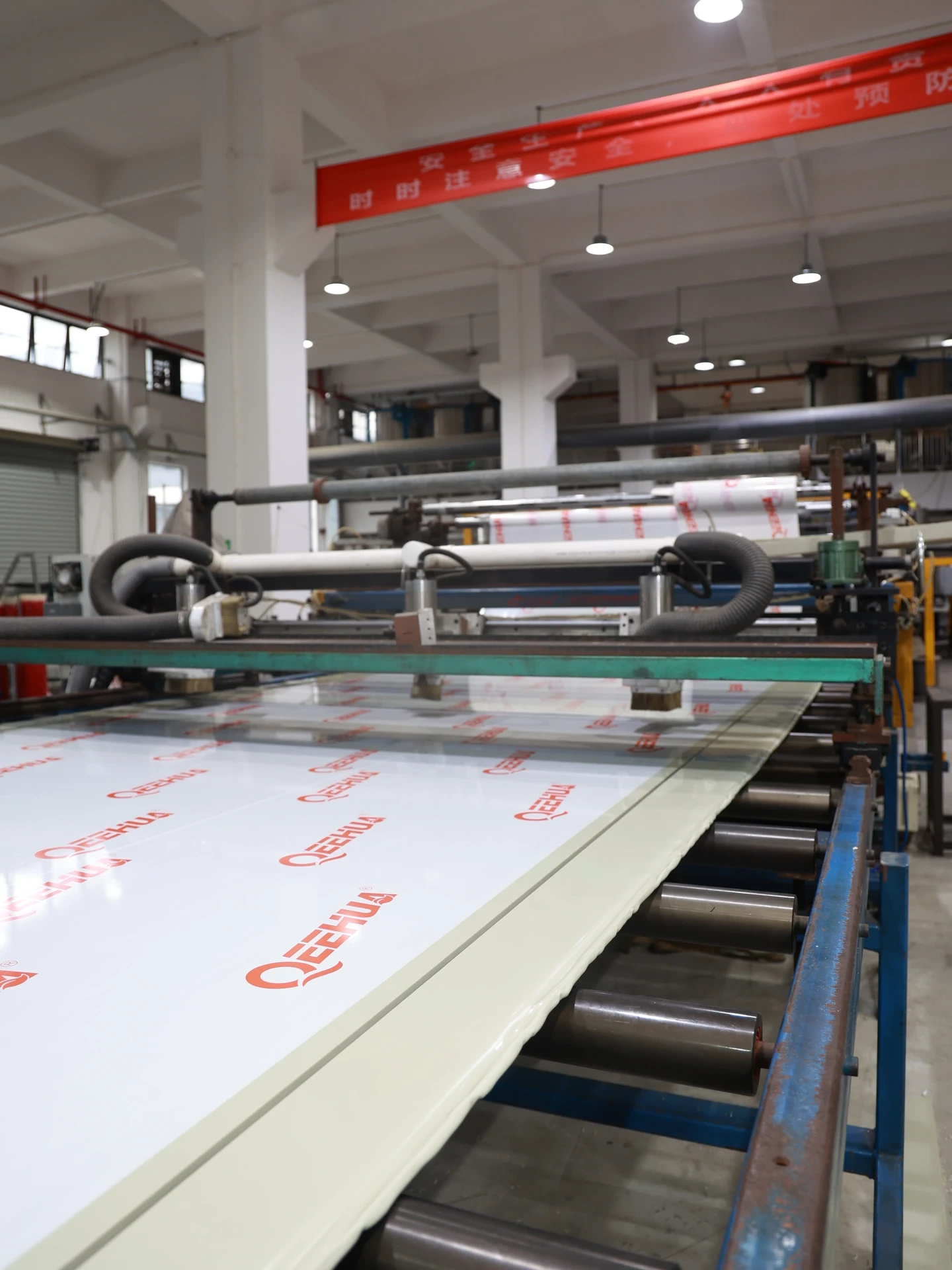
الهدف بسيط: جعل اللوحة المطلوبة والعملية المخطط لها وسؤال القبول مرئية للأشخاص الذين يتعاملون مع المواد. هذا يحافظ على صورة المنتج ونتيجة الاختبار والعينة والجزء النهائي في أدوارها الصحيحة.
إذا لم يكن للمشروع نقطة قبول محددة، فسجّل هذه المعلومة قبل بدء العمل. اطلب من المالك أو الفريق الهندسي تحديد ميزة الرسم ذات الصلة، أو مراجعة العينة، أو المستند، أو شرط الفحص. إنّ تحديد بند واضح غير مكتمل أفضل من الافتراض الضمني بأنّ وصفًا عامًا للورقة يغطي المعدات النهائية.
نموذج طلب
أرسل إلى QEEHUA بطاقة تعريف الجهاز أو اسم المكون، وأحدث رسم، ومعلومات الورقة المطلوبة، وظروف العملية، ومسار التصنيع، والسؤال المحدد الذي يجب أن تجيب عنه العينة أو سجل البيانات. قبل الإصدار،, أرسل الرسم واطلب نموذجًا للمشروع.
الأسئلة الشائعة
ما هو العنصر الأول في طلب تقديم مواد ألواح البولي بروبيلين؟
حدد مكون المعدات، ومراجعة الرسم الحالية، ونموذج الورقة المطلوب، وقرار المشروع الذي يجب أن يدعمه الطلب المقدم.
هل يمكن لجدول مقاومة المواد الكيميائية أن يوافق على مشروع EPC كامل؟
لا، إنها مجرد عملية فحص أولية للشروط المذكورة. يتطلب الاختيار النهائي تحديد الوسط والتركيز ودرجة الحرارة والضغط والإجهاد والشكل الهندسي والدعامات بدقة.
ما الذي يجب أن يبقى مفتوحاً في نموذج تقديم PP؟
ينبغي أن تظل أي درجة غير مؤكدة، أو متطلبات وظيفية، أو موافقة على التطبيق، أو تفاوت، أو نتيجة تصنيع، أو حالة مشروع مفتوحة للتأكيد.
متى ينبغي لمشروع EPC أن يطلب عينة تمثيلية؟
اطلب واحدة عندما يتعلق القرار بسطح أو ميزة قطع أو وصلة أو واجهة أو تفاصيل أخرى لا يمكن لجدول البيانات المسطح تمثيلها.
ل تقديم مواد ألواح البولي بروبيلين, قم بتسجيل افتراضات المشروع النهائية وفحوصات القبول قبل إصدار نطاق التصنيع أو الشراء.