When a supplier offers a high density polypropylene sheet, ask for the finished sheet grade and a measured density result before treating the phrase as a specification. The QEEHUA data sheet reports 912 kg/m³ for one tested PP sheet sample under ASTM D792-20. That result does not identify every QEEHUA grade or establish a separate high density product line. Density can help identify and compare material records, but it cannot by itself prove chemical suitability, impact behavior, fabrication performance, or the load capacity of a finished part. Send the component drawing and intended duty with the inquiry so the supplier can match a real product and document to the request.
Read the grade name
High density polypropylene sheet is a search and sales phrase until a supplier ties it to a named product. A buyer may mean a solid sheet instead of a corrugated one, a particular formulation, or a sheet with a measured density requirement. Those interpretations are not interchangeable. Write down what the phrase is supposed to achieve for the project before asking for a price.
The purchase record should identify the producer, sheet grade, nominal dimensions, color, and revision of the technical data sheet. If the seller provides only a generic PP description, request the sheet-specific record. A resin-pellet data sheet and a finished-panel data sheet can have different scopes. The مجموعة ألواح البولي بروبيلين QEEHUA is a product entry point, but the current public range should not be read as proof of a separate “high density” grade.
- Ask which finished sheet code the label names and whether the offered thickness is covered by that document.
- State the reason density matters, such as weight estimation, material identity, or a project specification.
- Request a method, specimen description, units, and date for any density value used in acceptance.
Density measurement and units
Density is mass per unit volume. In sheet procurement it is commonly expressed in kg/m³ or g/cm³; the unit must accompany every number. ASTM D792-20 describes displacement methods for density and specific gravity of solid plastics, including sheets. Its public description notes that composition, thermal history, porosity, and other factors can affect density within a material. One isolated number cannot identify all properties of a finished sheet.
Test method
Ask how the density was measured and which specimen was used. A data-sheet entry can come from a test coupon rather than the full production panel. A buyer comparing two suppliers should use results with compatible methods and sample descriptions. If one report gives specific gravity and another density, identify the distinction and the reference conditions before converting or comparing them.
Sample condition
Record the specimen’s grade, thickness, conditioning, and production batch when available. If the report omits those fields, the omission limits what the number can prove. A sample from one order should not be presented as a universal value for every future grade, color, or filled formulation. The incoming-inspection checklist provides a way to connect receipt, labels, and inspection questions.
When labels are unclear
Do not confuse high density polypropylene wording with HDPE. HDPE names a polyethylene family; a PP offer still needs a polypropylene grade identity. The two may appear in the same purchasing search, but a buyer should not substitute one polymer name for the other in a drawing or a chemical record. If the supplier uses an informal description, ask for the exact document and sample behind it.
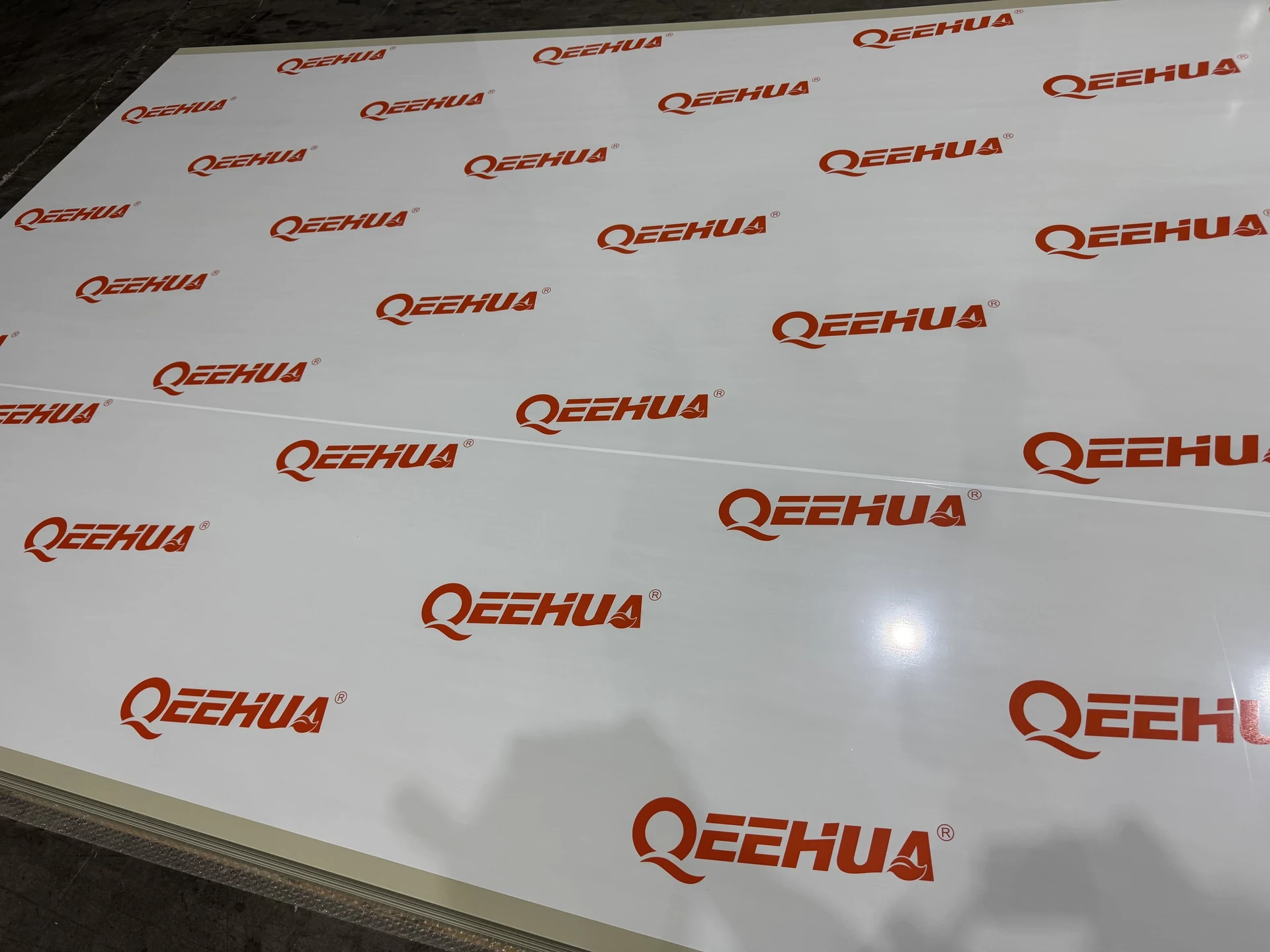
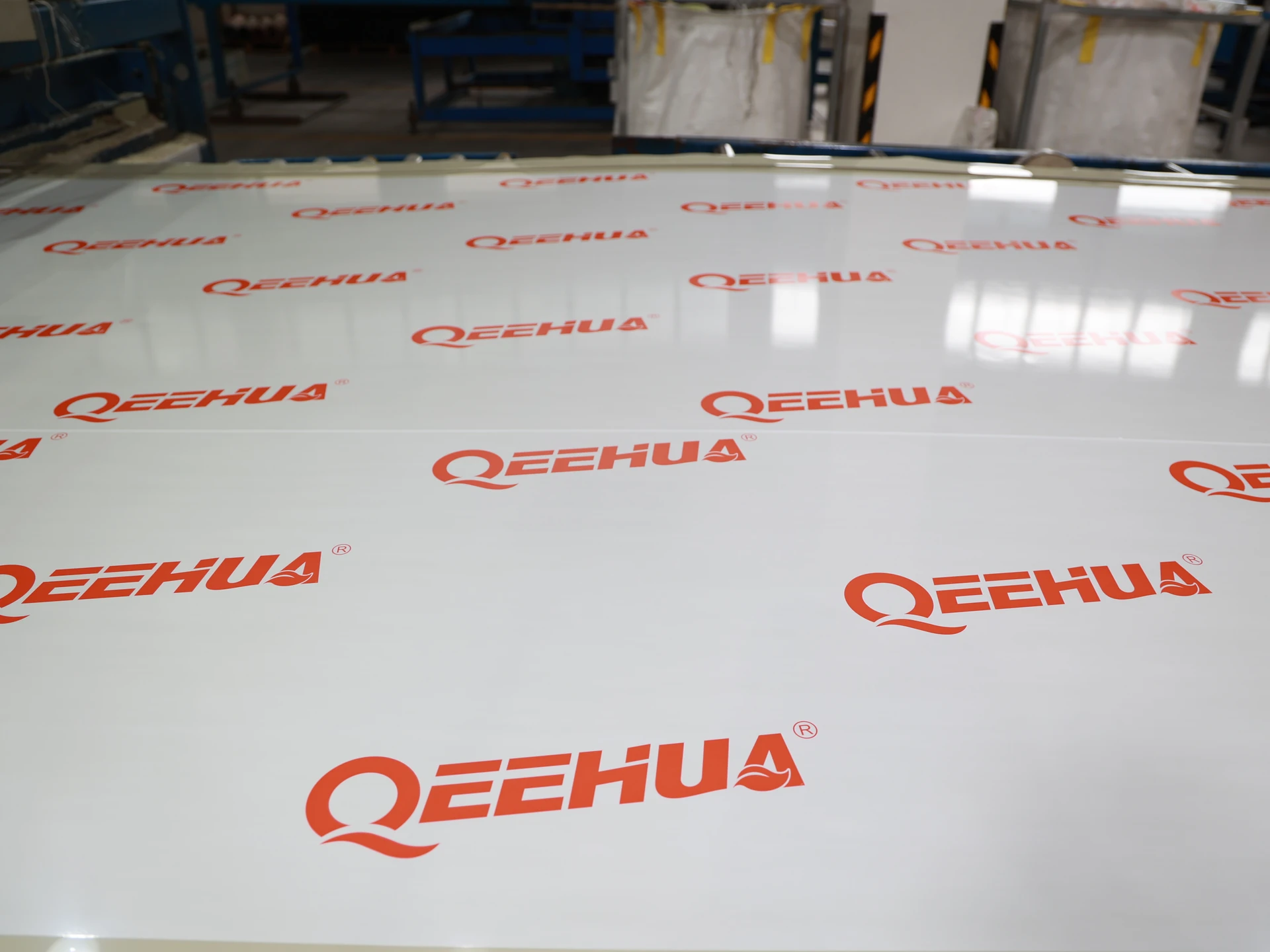
“High density” also does not answer whether a sheet is solid, foamed, filled, or modified. A measured density could prompt a question about formulation, but it does not prove the composition without the manufacturer’s grade record. Describe the construction required by the part, then seek the material evidence that matches it. A photograph can show appearance and sheet form; it cannot measure density.
For a chemical application, identify medium, concentration, contact mode, temperature, and stress separately. The environmental engineering application page helps place an inquiry in equipment context. It does not turn a density value into a chemical-resistance approval.
QEEHUA sample value
The June 15, 2026 QEEHUA polypropylene-board data sheet reports 912 kg/m³ for a tested sample under ASTM D792-20. The document does not state a production-grade code for that row. The result can be cited as an example of a complete numeric statement: measured object, value, unit, and method belong together. The value should not be written as “all QEEHUA PP sheets have a density of 912 kg/m³.”
| غرض | What it tells the buyer | Evidence still needed |
|---|---|---|
| “High density PP sheet” label | The seller’s description of an offer | Named finished grade and product data sheet |
| 912 kg/m³ QEEHUA result | Density reported for one tested PP sample under ASTM D792-20 | Grade mapping before applying it to a purchase |
| Finished sheet code | The product proposed for the project | Dimensions, available documents, and order confirmation |
This table keeps a sales phrase, a test result, and an orderable item in separate roles. The sample value is neither a grade code nor a finished-equipment calculation. For a calculation example using it only as a stated assumption, see the separate weight-estimate article when that article is live.
Compare two data sheets
Choose the same comparison fields for both offers. Check product identity, specimen, method, units, dimensions, and data-sheet revision. If the project needs stiffness, impact, temperature, or chemical performance, compare those properties using their own evidence instead of assuming density predicts them. The دليل بيانات ورقة PP gives a broader reading method.
Do not rank two suppliers by density without stating why that property controls the project. A denser sheet may differ because of filler, pigment, or process history; the public ASTM method description identifies such factors but does not reveal the formulation of a particular offer. Ask the supplier to explain the grade and show the document that applies to the shipment.
For a sample review, define an acceptance question. It might be whether the sample has the specified identity, whether its weight estimate is plausible for freight planning, or whether the requested sheet can be fabricated into a named part. A test result and a drawing answer different parts of that review.
Send a clear inquiry
Send enough context for the supplier to answer the intended question rather than repeat the sales phrase. Include the component, drawing revision, intended polymer family, dimensions, color, quantity, fabrication route, and operating duty. If density is a specified acceptance property, state the method, unit, sample plan, and tolerance requested by the project engineer. Do not invent a tolerance from the single QEEHUA sample result.
- Attach the drawing and state whether the material is raw sheet, a cut part, or a fabricated assembly.
- Ask for the exact grade, its current data sheet, and the density test record relevant to that grade.
- Keep unrelated performance questions separate, with their own evidence and acceptance method.
استخدم contact page to request a grade and document review. QEEHUA can respond to the stated requirement; the page does not promise a product named “high density polypropylene sheet” or a particular stock level.
FAQ and sources
Is high density polypropylene sheet the same material as HDPE?
No. HDPE is a polyethylene designation. An offer described as polypropylene still needs its own finished-sheet grade and density record.
Can density alone identify a PP sheet grade?
No. Use the producer’s grade code, data sheet, specimen record, and any other properties required for the component. Density is one measured property.
Can 912 kg/m³ be used for every QEEHUA PP sheet?
No. The QEEHUA data sheet reports 912 kg/m³ for the tested sample under ASTM D792-20. Confirm the grade before using that value for an order.
Primary method reference: ASTM D792-20, Density and Specific Gravity of Plastics by Displacement. The QEEHUA result comes from its June 15, 2026 polypropylene-board data sheet and has the tested-sample limit stated above.