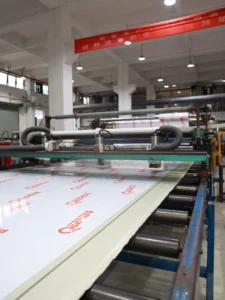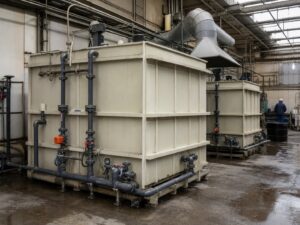
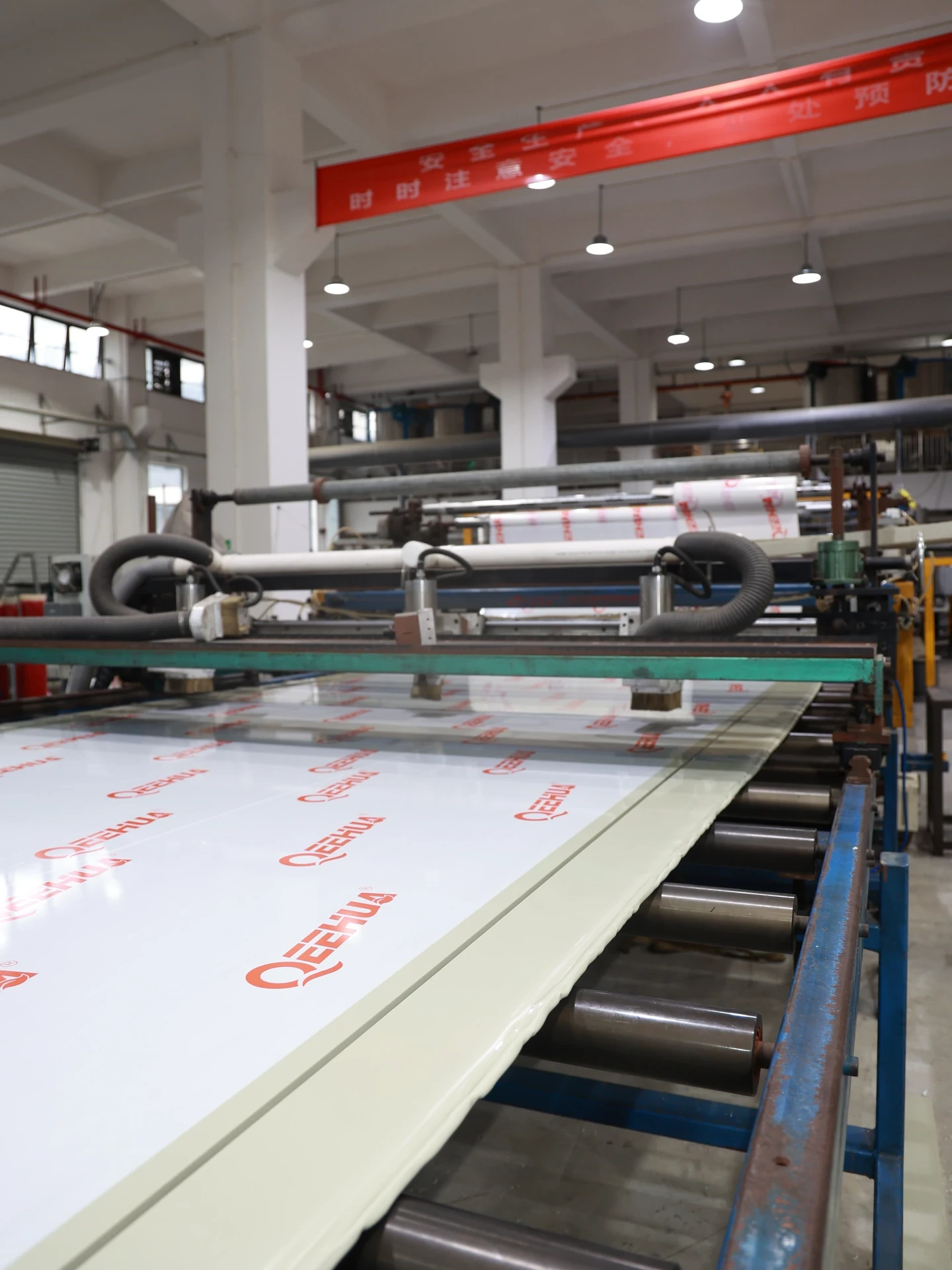
Polypropylene sheet machining should be specified as a controlled fabrication process, not only as a list of cut sizes. Before CNC cutting or drilling, the buyer and fabricator need to agree on the sheet condition, support method, drawing datums, heat-control approach, hole and edge requirements, and the inspection record that proves the released panel is ready for welding or assembly.
This guide is for OEM buyers, EPC contractors, and fabricators ordering PP panels for chemical tanks, water-treatment equipment, ducts, covers, guards, and other industrial assemblies. Treat the polypropylene sheet machining brief as a controlled handoff between the drawing owner and the CNC fabricator. It complements QEEHUA’s industrial PP sheet range and the broader دليل ألواح البولي بروبيلين: الاختيار والتصنيع والتطبيقات. Project drawings, the approved material grade, and the customer’s inspection requirements remain controlling.
Decide whether polypropylene sheet machining is ready to start
Release the sheet for CNC work only after the incoming condition matches the order and drawing. Check the material identification, thickness, length, width, surface, edge condition, visible flatness, and protective film. Deep scratches, cuts, cracked corners, broken edges, delamination, bubbles, or obvious impact damage can become crack origins when a hole or notch removes material. A defect that appears cosmetic on a flat sheet can become a failure point after clamping, routing, drilling, bending, or welding.
For a documented inspection sequence, use the structure in QEEHUA’s قائمة فحص المواد الواردة من ورق البولي بروبيلين. Record the sheet or lot reference, the drawing revision, the inspection condition, and the disposition. If the sheet is below the project’s approved processing temperature, move it to a suitable indoor area and confirm the material is ready before impact or deep machining. The internal PP use manual treats temperatures below 5°C as a higher-risk condition because impact toughness decreases and existing microcracks can propagate more easily; this is project guidance, not a universal PP design limit.
Translate the drawing into a machining brief
A CNC request is easier to quote and inspect when the drawing separates material requirements from feature requirements. State the sheet grade, nominal thickness and allowed range, panel size, visible face, surface protection, and any required material or batch documentation. Then define the actual machined features: outside profile, slots, holes, countersinks, radii, corner treatment, edge finish, and the datum from which each feature is measured.
| RFQ input | What to specify | Why it matters for PP sheet machining |
|---|---|---|
| Material and blank | Grade, thickness, blank size, batch or lot identity, and protective-film requirement. | Different grades, thicknesses, and surface conditions can respond differently to heat, clamping, and cutting. |
| Datums and features | Drawing datums, profile, hole pattern, slots, radii, and functional mating edges. | The part can be checked against the assembly rather than against an unreferenced machine coordinate. |
| Process condition | Support, clamping, tool family, feed and speed validation, chip removal, and temperature controls. | PP is thermoplastic; movement and heat can change the cut edge or hole geometry. |
| Acceptance evidence | Released-part inspection, edge and hole checks, dimensional report, photos where useful, and nonconformance disposition. | Unclamping can reveal movement that was not visible while the sheet was held on the machine. |
For drawings that use geometric tolerancing, ASME Y14.5 is the recognized reference for communicating design intent. It does not set a universal PP tolerance. The project team still needs to choose a practicable datum, measurement method, and acceptance limit for the actual panel and its function.
Support and secure the sheet before cutting or drilling
Support the full working area on a clean, stable surface and prevent vibration without crushing the sheet. A large panel that is supported only at its perimeter can flex under the tool, causing a changing cut depth, a tapered hole, or a profile that moves after release. The workholding plan is a core polypropylene sheet machining control: it should show support points, clamps, sacrificial backing where needed, and the areas that must remain free for the tool.
Keep the sheet face protected from metal chips and hard debris. Do not drag the panel across a rough table or let a clamp sit on a sharp edge. For thin sheets, additional support may be more important than simply increasing clamp force. The internal QEEHUA manual recommends flat support, controlled handling, and protection of edges and corners; it also warns against point loads and impact during handling.
Before production, run a representative sample or first-piece check when the panel has a large span, a dense hole pattern, narrow webs, or an unusual cut-out. Confirm that the workholding plan does not create a local stress mark that will later be mistaken for a material defect.
Control heat during sawing, routing, and drilling
Use sharp, suitable tools and a controlled feed so the tool removes chips instead of rubbing the PP surface. A repeatable polypropylene sheet machining process should leave a clean edge without a melted bead or smeared surface. Excessive friction can soften or smear the cut edge, discolor the material, distort a narrow web, or leave a thermally damaged zone that becomes a crack origin. Compressed air or extraction can help clear chips and reduce recutting; coolant or lubricant should not be introduced unless the project procedure approves it and the surface can be cleaned completely.
As an external processing reference, Röchling’s PP/PE sheet handling guideline explains that machining should minimize heat generation, keep sheets flat and secured against vibration, use peck drilling for large diameters or thick sheets, and deburr holes after drilling. Its listed speeds and feeds are for its own products and process conditions, not QEEHUA settings. Use them only as a reminder to validate a tool and process trial against the actual PP grade, thickness, hole diameter, and machine.
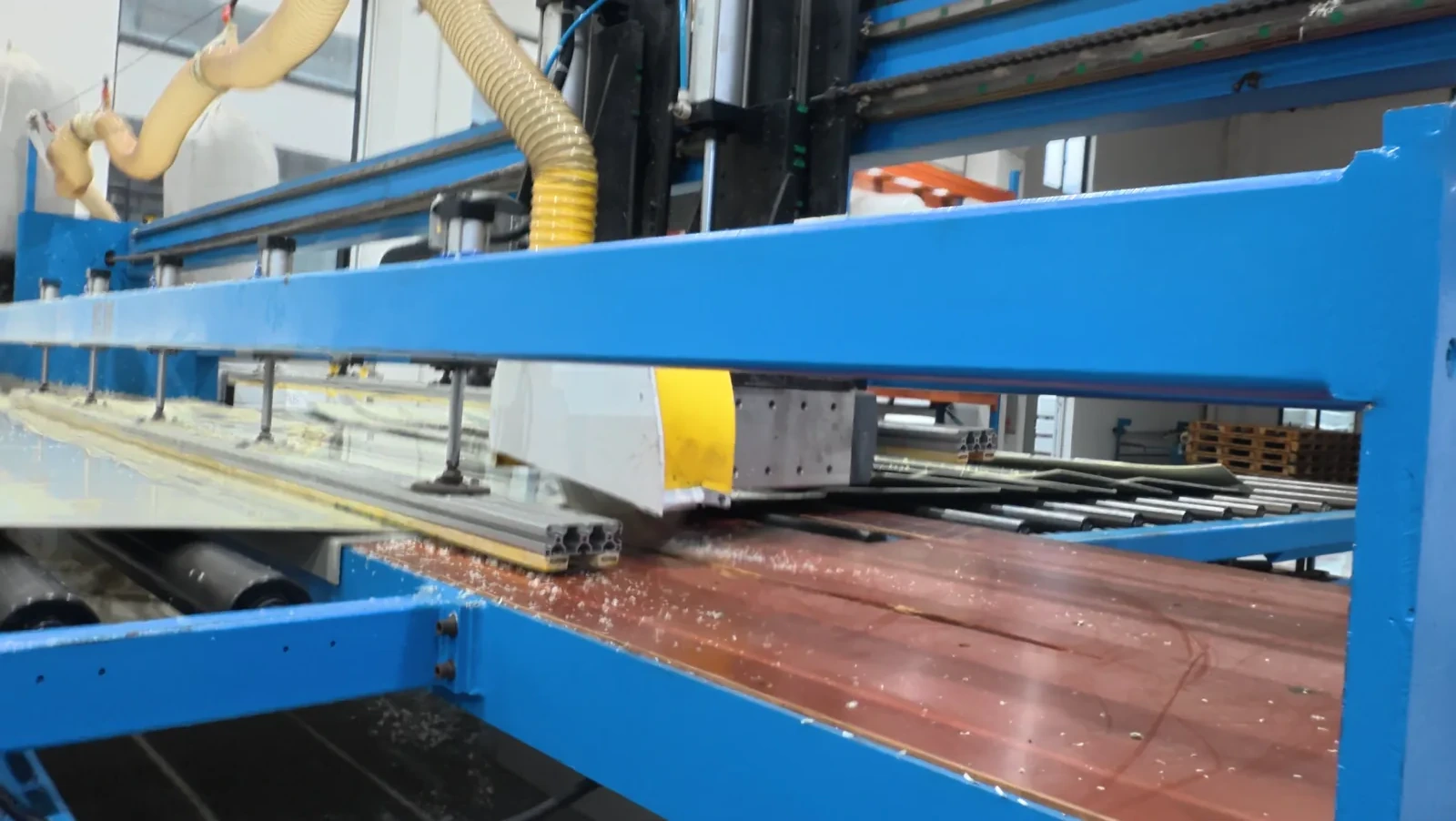
QEEHUA’s approved playlist includes a short visual reference for the edge-cutting stage. It can help a buyer understand why the cut surface and released part need separate inspection.
مرجع الفيديو: PP Sheet Cutting Process: Precision Edge Cutting | QEEHUA. It shows a cutting-stage context only; it does not establish a universal cutting parameter, drilling tolerance, or finished-panel acceptance result.
Use drilling controls that match the feature
For holes, identify the finished diameter, location tolerance, edge distance, countersink or counterbore requirement, and the fastener, nozzle, or fitting that will pass through the opening. Large holes and thick sheet may need staged or peck drilling so chips clear and heat does not build at the tool tip. After drilling, remove burrs and inspect the hole wall, entry and exit edges, and any local whitening or deformation. This is a practical polypropylene sheet machining checkpoint before the panel moves to welding.
Do not use a generic steel or aluminum drilling recipe without a trial. For polypropylene sheet machining, the trial should confirm the tool, feed, heat, and support condition together. The tool point, flute geometry, spindle speed, feed, chip evacuation, backing support, and sheet thickness all affect the result. If the hole will be close to a weld, slot, or sharp internal corner, review the local remaining ligament and add a radius or edge treatment where the design permits.
Inspect edges, holes, and notches before welding
Machining is not complete when the CNC program stops. The polypropylene sheet machining acceptance check starts after the part is released from the fixture. Inspect the actual part in its free or project-defined support condition. Check profile dimensions, hole locations, edge squareness, burrs, surface marks, local heat damage, and the fit of mating parts. For panels that will be welded, clean the weld zone and confirm that no machining notch, crack, or impact mark remains in the joint preparation.
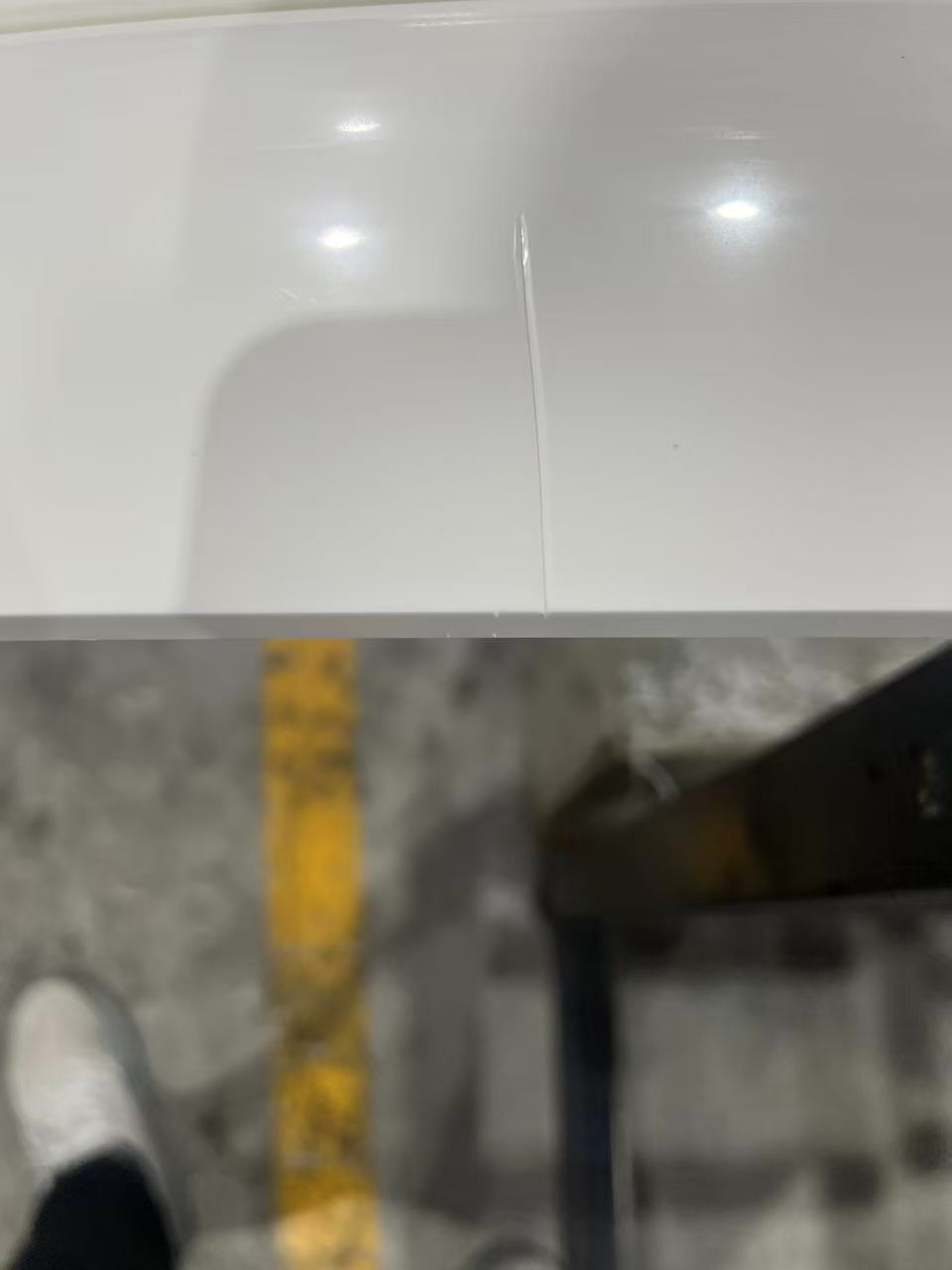
Use the project drawing to determine whether an edge needs a chamfer, radius, deburring standard, or a controlled surface finish. A sharp notch can concentrate stress, while a rough or overheated edge can make joint preparation inconsistent. If a defect cannot be removed without changing the required geometry, stop and record an approved disposition instead of hiding it under a weld or coating.
Connect machining acceptance to the finished panel
Machined accuracy matters because the panel must still fit the equipment. Check the released blank against the mating flange, gasket, support channel, nozzle, cover, or fastener pattern that the drawing identifies. A part can meet a local coordinate check and still fail assembly if the reference edge was wrong, the sheet moved after unclamping, or a hole pattern was transferred from an uncontrolled face.
For a CNC-cut or welded PP panel, include the released-part result in the same controlled package as the drawing revision and weld or assembly record. QEEHUA’s PP sheet flatness and warpage guide explains why the incoming sheet, cut blank, dry fit, and completed weld can require separate checks. This is especially important when heat, restraint, or a long unsupported span can change the final geometry.
What to include in a PP sheet machining RFQ
A complete RFQ lets the supplier price the work and lets the buyer compare quotations on the same technical basis. It also makes the polypropylene sheet machining scope auditable when the order becomes a repeat part. Include:
- PP grade, thickness, blank size, visible face, color, and protective-film requirement.
- Drawing number and revision, CNC file revision, datums, profile, holes, slots, radii, and edge requirements for the polypropylene sheet machining route.
- Part quantity, nesting or yield constraints, sample or first-piece requirement, and delivery packaging.
- Support and workholding assumptions, required surface protection, chip-control expectations, and whether the part will be welded after machining.
- Inspection records: dimensions, hole locations, edge condition, flatness or warpage where functional, photographs, and nonconformance disposition.
- Service context, including the chemical medium, temperature, load, or cleaning process when the part becomes part of chemical equipment.
ISO 15013:2022 defines requirements and test methods for certain solid flat extruded PP sheets, including PP-H, PP-B, and PP-R forms in its stated scope. It can help the project team identify a material standard to review, but it does not replace the customer drawing, the selected QEEHUA grade, or a machining acceptance plan.
الأسئلة الشائعة
Is PP sheet machining the same as machining metal?
No. PP is thermoplastic, so support, vibration, chip evacuation, frictional heat, and release movement need explicit control. A metal cutting recipe should not be transferred without a material-specific trial.
Should every drilled PP hole be deburred?
Unless the drawing or process procedure says otherwise, inspect and remove burrs or sharp lips after drilling. The required edge condition depends on the fitting, gasket, fastener, weld preparation, and service function.
Can a scratched PP sheet still be CNC machined?
Only after the scratch is assessed against its depth, direction, location, remaining section, and downstream forming or welding requirement. Deep scratches, cuts, or cracks in a critical zone should be isolated or dispositioned before machining.
What information should I send for a QEEHUA machining review?
Send the drawing and revision, PP grade and thickness, blank size, hole and profile details, required tolerances, service conditions, quantity, inspection expectations, and whether the finished panel will be welded or installed in chemical equipment. These inputs let QEEHUA review the polypropylene sheet machining route against the real assembly.
Need a PP sheet machining review?
Share the drawing, grade, thickness, cut or drilling features, support condition, and service context. QEEHUA can review the fabrication route and identify which details need confirmation before CNC processing or welding.