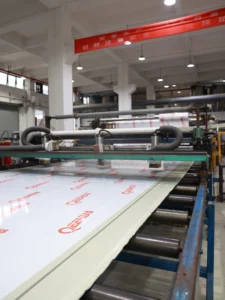
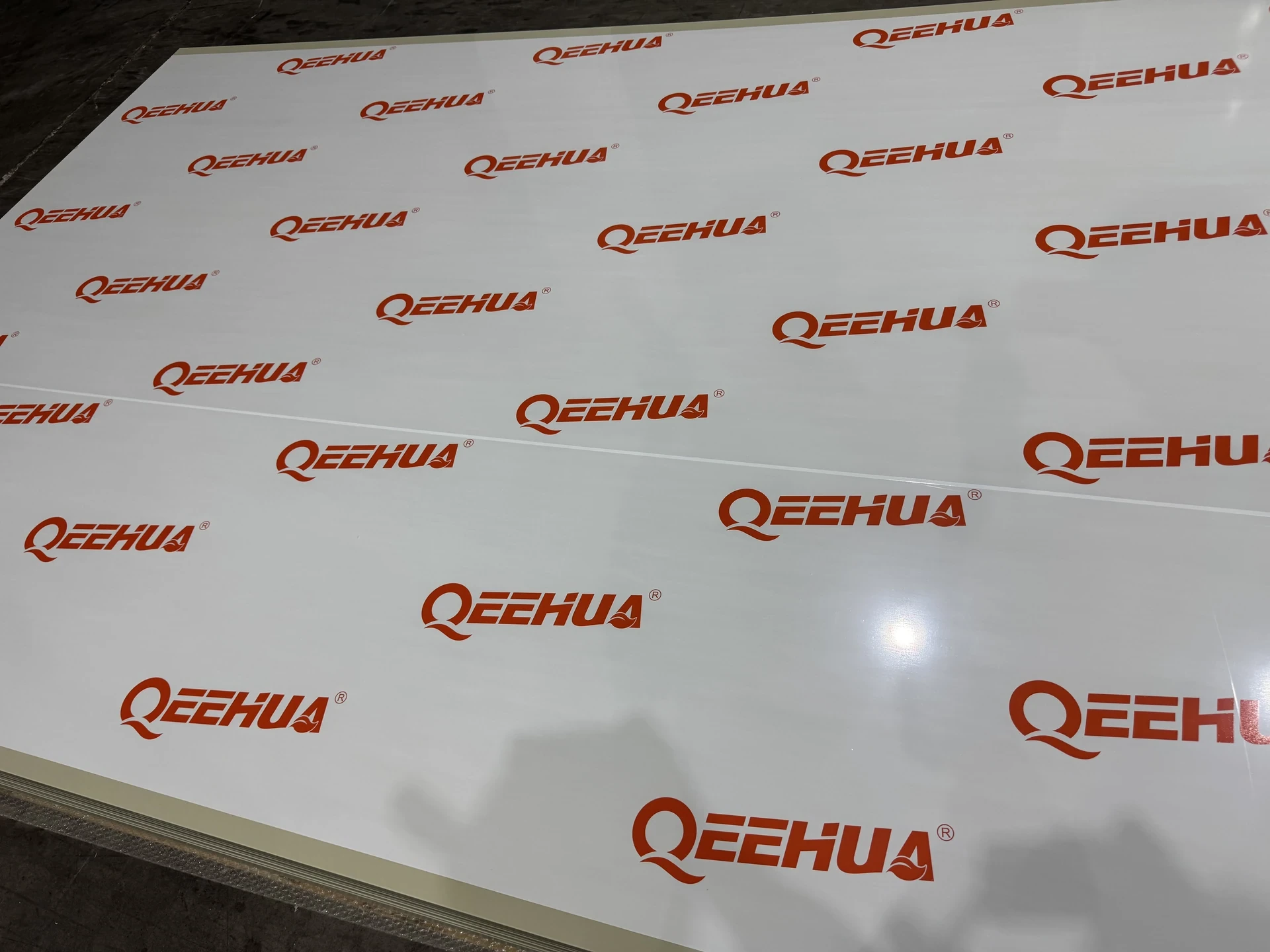
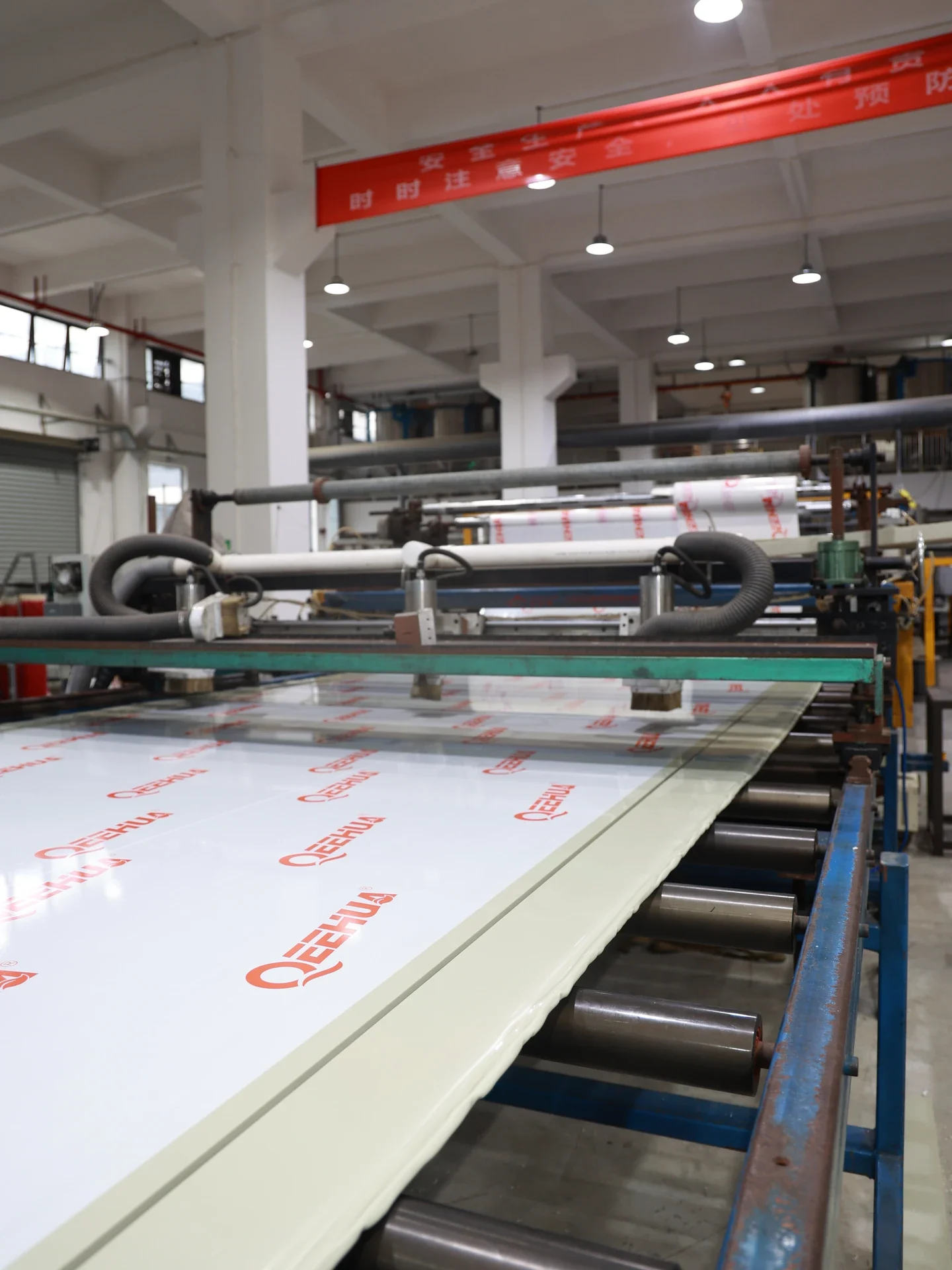
A Calandrado de hojas de PP El vídeo puede ayudar al comprador a analizar las expectativas de espesor y superficie sin convertir un breve clip en una especificación del producto. La solicitud escrita debe definir el espesor de la lámina, las dimensiones, el estado de la superficie, la función del componente y la aplicación del proyecto. También debe indicar cualquier detalle de corte, mecanizado, soldadura o inspección posterior. El vídeo QEEHUA integrado muestra una etapa de calandrado como referencia de producción. No publica una tolerancia universal, una clasificación de superficie ni una aprobación para todas las láminas de PP. Utilice una muestra definida y revise los planos para confirmar las necesidades del proyecto.
Calandrado de hojas de PP Debe revisarse en función de la documentación del proyecto, los planos, el alcance de la fabricación, los registros de materiales y los requisitos de aceptación.
Contexto del proyecto
PP sheet calendering: project review
Utilice los requisitos documentados del proyecto para comparar los insumos relevantes de materiales, fabricación y control de calidad antes de su lanzamiento.
La superficie y el grosor no son términos de compra independientes. Un panel utilizado como cubierta visible puede requerir una pregunta de ejemplo diferente a la de un panel que se mecanizará, soldará o instalará detrás de otro componente. Nombre la pieza terminada y explique cómo la superficie o las dimensiones afectan su uso.
Un proyecto también debe especificar las condiciones de funcionamiento que puedan afectar al conjunto final. Incluya el contacto con productos químicos, la limpieza, la temperatura, la carga, los puntos de apoyo y la exposición, cuando corresponda. Esto evita que una descripción visual del proceso de producción se confunda con la aprobación de la selección de materiales.
Para obtener contexto de aplicación, revise QEEHUA. aplicaciones industriales y relacionar la consulta con un componente específico en lugar de con una etiqueta de material genérica.
Referencia de vídeo
El vídeo QEEHUA muestra una etapa de calandrado descrita como control de espesor y superficie. Resulta útil para los lectores que deseen ver el tema de producción tratado en el artículo. No muestra el plan de inspección completo ni el resultado de la aceptación específica del proyecto.
Para la revisión de un pedido, identifique qué debe demostrar la muestra. Puede tratarse de una comparación visual de superficies, una verificación dimensional en un punto específico, una prueba de mecanizado o el ajuste en una pieza fabricada. Deje constancia escrita de este propósito junto con la revisión del plano y el material propuesto.
Referencia de vídeo: PP Sheet Calendering: Thickness and Surface Control | QEEHUA. It illustrates thickness and surface-control context; confirm the applicable tolerance, surface requirement, and inspection method for the order.
Controles de materiales
La ficha técnica QEEHUA informa sobre la densidad, el resultado de la flexión, la resistencia a la tracción y la elongación a la rotura de una muestra de lámina analizada. Estos valores deben considerarse dentro de las limitaciones de los métodos de ensayo y de la muestra. No se especifican los requisitos de superficie, la tolerancia de espesor ni se garantiza que todos los grados comerciales presenten el mismo resultado.
Comience con el Gama de láminas de PP QEEHUA, luego compare la solicitud con las condiciones de operación y el dibujo. Para equipos de servicio químico, el Guía de selección de tanques químicos Explica por qué el medio, la concentración, la temperatura, la carga y la geometría deben permanecer en la revisión.
Datos del proyecto
Los siguientes valores se presentan como referencia concisa para la revisión del material. Permanecen asociados a la muestra y al método analizados. No deben copiarse en el cálculo del equipo final.
| Propiedad | Valor reportado | Muestra y condición | Método |
|---|---|---|---|
| Densidad | 912 kg/m³ | Muestra de la ficha técnica de la lámina QEEHUA PP; no se especifican el grado de acondicionamiento ni el grado de producción. | ASTM D792-20 |
| Prueba de flexión | 1.870 MPa | Muestra de la ficha técnica de la lámina QEEHUA PP; no se especifican el grado de acondicionamiento ni el grado de producción. | ASTM D790-25 |
| Resistencia a la tracción | 30 MPa | Muestra de la ficha técnica de la lámina QEEHUA PP; no se especifican el grado de acondicionamiento ni el grado de producción. | ASTM D638-22 |
| Alargamiento en el punto de ruptura | 37% | Muestra de la ficha técnica de la lámina QEEHUA PP; no se especifican el grado de acondicionamiento ni el grado de producción. | ASTM D638-22 |
Estos son valores reportados para la muestra de la hoja de datos. No establecen una especificación de grado comercial, una tolerancia de producción ni un diseño de equipo terminado. Confirme el grado, el espesor, el dibujo, el medio de proceso y las condiciones de operación para el proyecto.
Fuentes y limitaciones: El vídeo del proceso QEEHUA que se incluye muestra la escena de producción que se comenta aquí. Deflexión bajo carga según la norma ISO 75-1 y Temperatura de referencia ISO 1 para dimensiones Proporcione el método publicado o el contexto de medición. La tabla aún identifica los métodos ASTM utilizados para la muestra QEEHUA reportada. Ninguna fuente externa convierte un valor de muestra analizada en una especificación de pedido; confirme los requisitos del proyecto antes de su publicación.
Antes de autorizar la compra, compare la ficha técnica con la solicitud real, línea por línea. Verifique el producto propuesto, el grado o la función requerida, el grosor, las dimensiones del panel, el color (cuando corresponda), la aplicación, la revisión del plano y el propósito de la muestra. Un número que no esté vinculado a un componente y una condición específicos no puede determinar la decisión del proyecto.
Si el proyecto requiere una capacidad que no se encuentra en el registro de datos aprobado, especifique claramente el requisito. Esto puede incluir un grado funcional, una aprobación de aplicación, un objetivo de resistencia especial, una tolerancia o una prueba de fabricación. De esta manera, QEEHUA podrá confirmar la información disponible, en lugar de permitir que un video general o un valor de muestra probada sugiera más de lo que demuestra.
Controles de fábrica
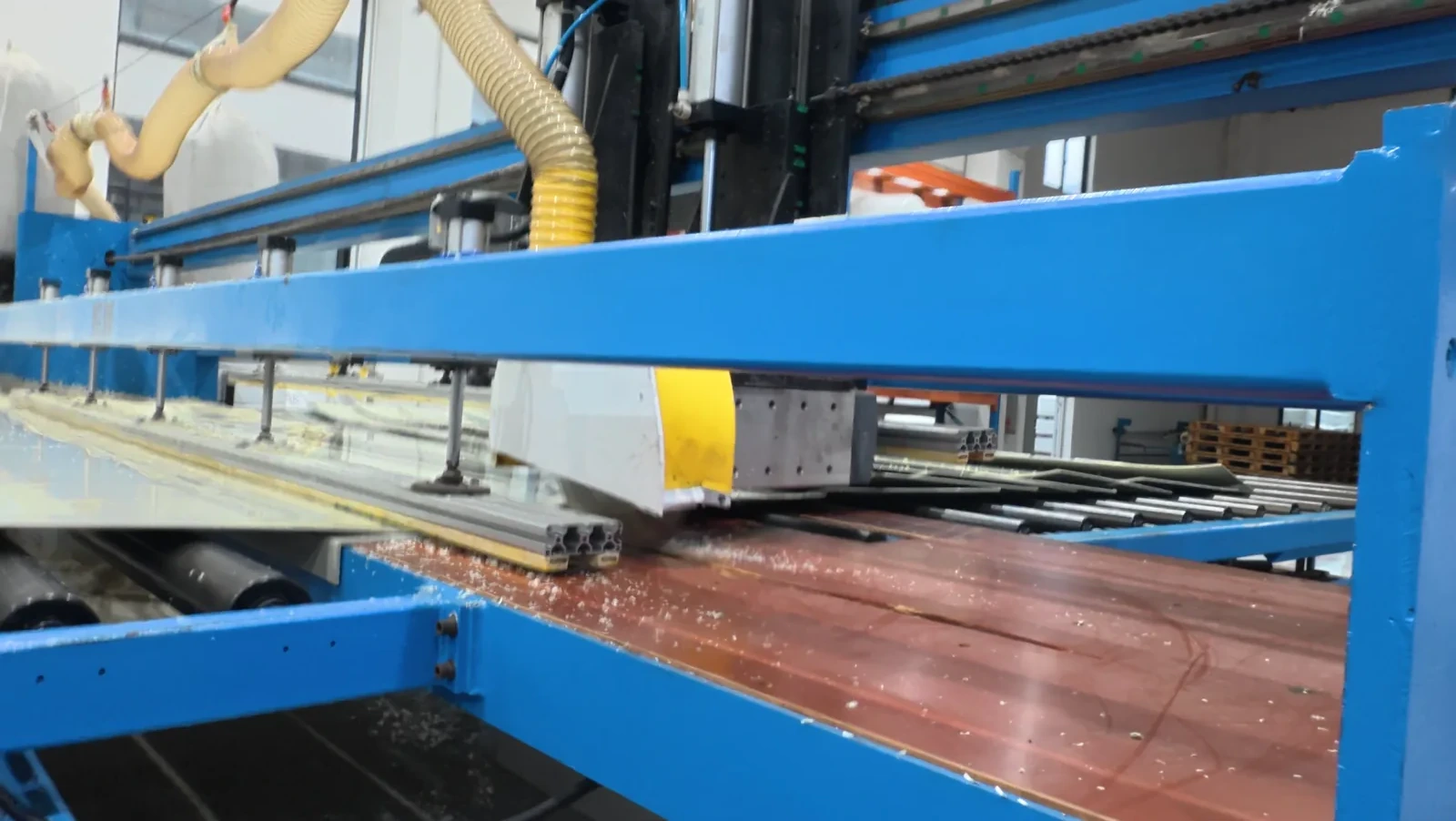
La referencia de producción debe conducir a una solicitud más precisa, no a una reclamación más general. Especifique el formato de la hoja, el color, el estado superficial requerido, la ruta de corte o mecanizado y el punto que se inspeccionará. Si el comprador necesita una tolerancia medida, defina la característica, las unidades y el método de aceptación en la documentación del pedido.
Para un panel de equipos, revise también el paso posterior al suministro de la lámina. Una soldadura, brida, abertura, riel de soporte o refuerzo pueden modificar la función del panel. Envíe la vista del plano correspondiente junto con la solicitud de material para que el equipo de fabricación pueda identificar las limitaciones de la muestra.
Límites de vídeo
Un vídeo de producción puede mostrar una etapa del proceso, pero no todos los grados de material, puntos de inspección ni requisitos del pedido. Nunca debe utilizarse para inferir plazos de entrega fijos, tolerancias universales, certificaciones, rendimiento funcional ni el diseño del equipo final.
Registro de lanzamiento
Mantenga el registro de liberación simple y rastreable. Debe identificar el componente del cliente, la revisión del plano, la hoja propuesta, las dimensiones, la condición que controla la revisión, la fabricación solicitada, el propósito de la muestra y la parte que aprobará el resultado. Cuando cambie alguno de estos elementos, se debe reabrir la revisión para dicho elemento modificado.
Este registro también distingue entre un análisis técnico y una suposición comercial. Una imagen de producción, un video del proceso, un cupón de muestra y un plano del equipo terminado tienen propósitos diferentes. Mantenga cada elemento asociado a la pregunta que puede responder y registre cualquier requisito que aún necesite confirmación específica del proyecto.
Solicitud de muestra
Para una revisión de superficie, indique el color, el acabado, el tamaño de la muestra y el método de comparación requeridos. Para una pieza fabricada, solicite la hoja o el detalle que represente la junta, el mecanizado o el ajuste en cuestión. Consulte la guía de solicitud de muestras de hojas PP. para una lista de verificación del proyecto, entonces Envíe el dibujo y solicite una muestra del proyecto..
Preguntas frecuentes
¿El vídeo sobre el calandrado garantiza un acabado superficial?
No. El video es una referencia de producción. Confirme el estado de la superficie y el método de aceptación requeridos para el pedido específico.
¿Puedo solicitar una tolerancia de espesor a partir del video?
No. Indique la tolerancia requerida, el punto de medición y la base acordada en la documentación del proyecto o del pedido.
¿Qué demuestra la tabla de datos de la hoja PP?
Informa los valores de una muestra analizada según los métodos establecidos. No define todos los grados comercializables ni los requisitos de los paneles acabados.
¿Qué tipo de muestra es adecuada para un panel visible?
Solicite una muestra representativa de la lámina con el color, la superficie, el tamaño y el método de comparación visual que requiera.
Para Calandrado de hojas de PP, registrar los supuestos finales del proyecto y las comprobaciones de aceptación antes de autorizar la fabricación o la compra.