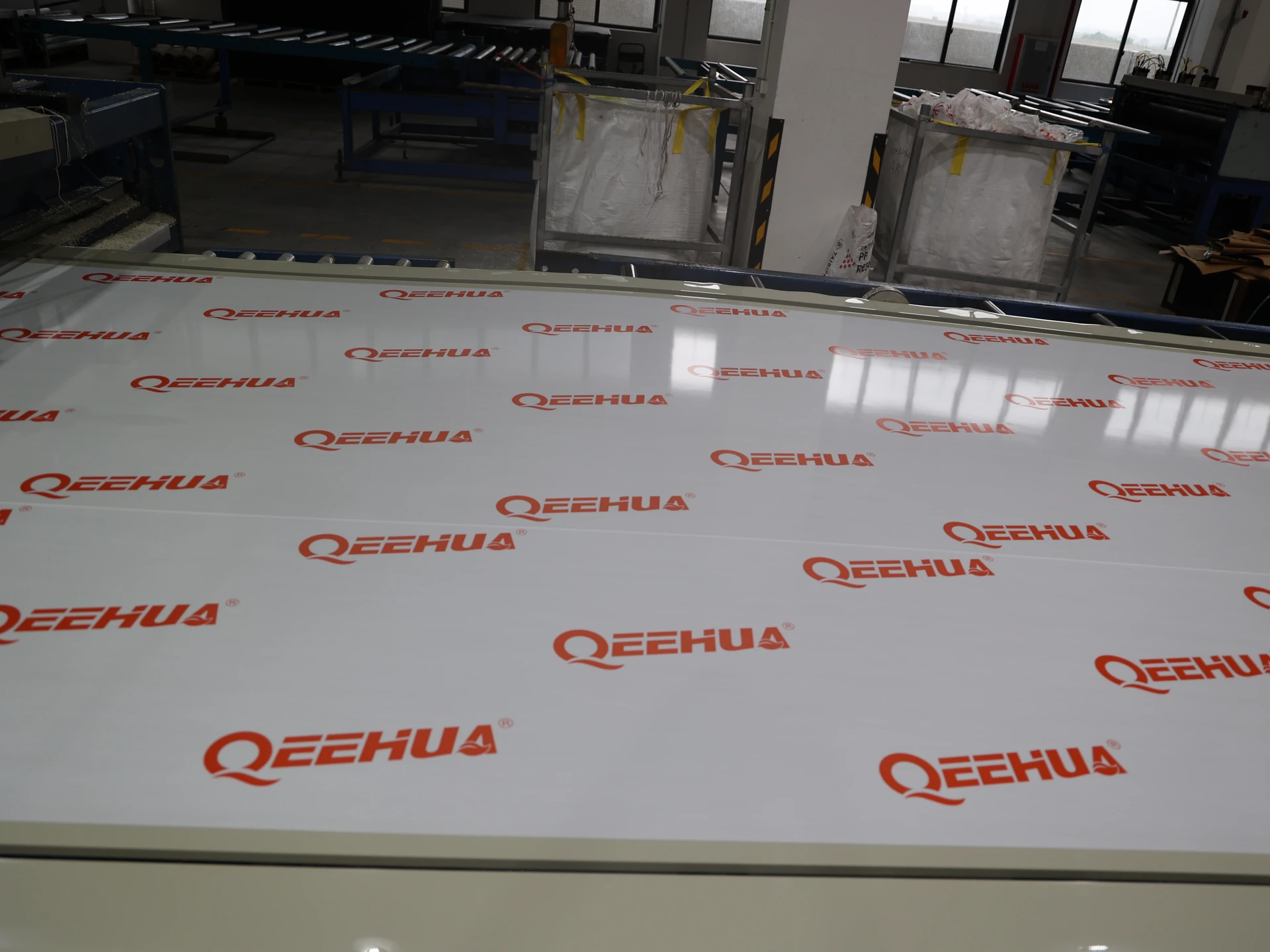
Claro Requisitos de corte de láminas de PP Comience con el plano de la pieza, no con una solicitud verbal de paneles. Identifique el componente, la revisión del plano, las dimensiones nominales, las características de corte, el estado de los bordes, los orificios o ranuras, las caras de la superficie y el punto de inspección. La hoja de datos QEEHUA proporciona valores de muestras probadas. No publica una tolerancia de pedido, un margen de mecanizado ni un límite de aceptación para cada pieza OEM. Incluya estos requisitos en el registro de compra y fabricación antes de la entrega del material.
Requisitos de corte de láminas de PP Debe revisarse en función de la documentación del proyecto, los planos, el alcance de la fabricación, los registros de materiales y los requisitos de aceptación.
Resumen del proyecto
PP sheet cutting requirements: project review
Utilice los requisitos documentados del proyecto para comparar los insumos relevantes de materiales, fabricación y control de calidad antes de su lanzamiento.
Los paneles cortados se utilizan a menudo en ensamblajes con piezas de acoplamiento, juntas soldadas o sellos. El plano debe mostrar claramente esta relación. Marque los bordes críticos, la posición de los orificios, las caras conformadas, la orientación y cualquier característica que se medirá después del corte. Un tamaño de panel genérico deja demasiado margen para una pieza de fabricante de equipo original (OEM).
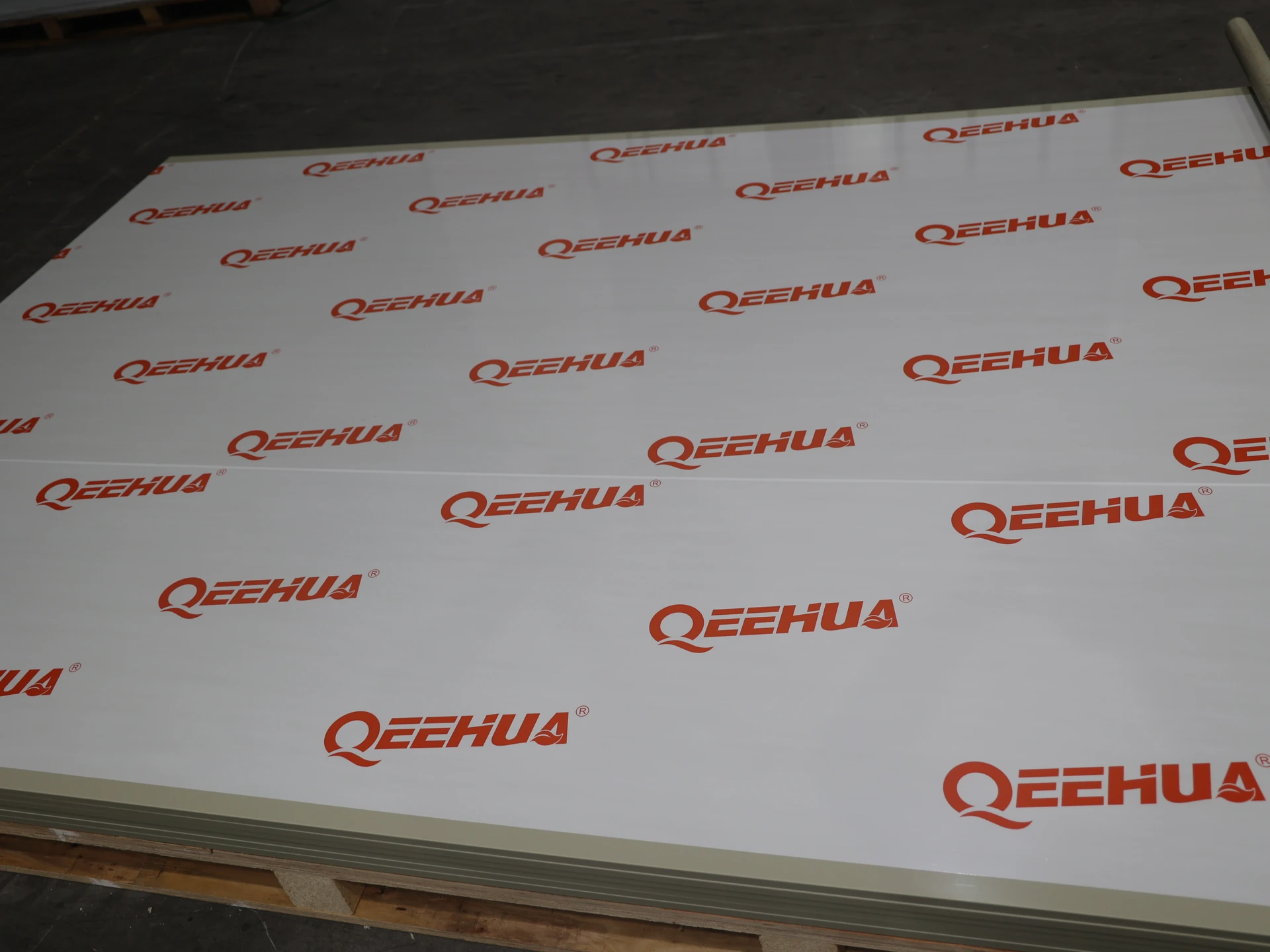
Utilice el Gama de láminas de PP QEEHUA con el registro del componente. El aplicaciones industriales La página puede ayudar al comprador a contextualizar la solicitud en relación con el equipo, pero el dibujo y el impuesto real siguen siendo la evidencia del proyecto.
Incluya en el archivo del proyecto una breve declaración de decisión. Debe indicar qué se está seleccionando, qué condición rige la revisión y qué evidencia permitirá cerrar el elemento. Esto es más útil que copiar la etiqueta del material en varios documentos. De esta manera, el comprador, el fabricante y el inspector pueden ver el mismo alcance sin tener que recurrir a la memoria.
Entradas para la toma de decisiones
El comprador debe distinguir entre el tamaño nominal, la tolerancia requerida y la interfaz funcional. Si la pieza debe alinearse con un soporte, junta, tapa o fijación, debe indicarlo. La trayectoria de la herramienta, la preparación de los bordes, el control de rebabas y la secuencia de mecanizado son aspectos que deben tratarse por separado y no deben inferirse de una tabla de propiedades físicas.
Escriba los valores conocidos y desconocidos por separado. La revisión del material requiere un registro claro del componente propuesto, las condiciones de servicio, las dimensiones y el proceso de fabricación. La ausencia de un requisito debe generar una pregunta, no una suposición común.
Verifique las condiciones que suelen pasar desapercibidas en una solicitud de cotización breve. Una carga local cerca de una abertura, un ciclo de limpieza, una transición entre materiales, un punto de apoyo o un cambio posterior a la instalación pueden ser más importantes que el valor nominal de una propiedad. Indique la condición junto al componente correspondiente en lugar de agregarla como una nota general para todo el proyecto.
Datos para revisión
Los siguientes datos son relevantes para la revisión del material. Cada valor corresponde a la muestra analizada y al método indicado. Ninguno de estos datos constituye una especificación de calidad comercial, un cálculo de pieza terminada ni una tolerancia de pedido.
| Propiedad | Valor reportado | Muestra y condición | Método |
|---|---|---|---|
| Densidad | 912 kg/m³ | Muestra de lámina de PP QEEHUA probada; no se especifica el grado de producción ni el acondicionamiento. | ASTM D792-20 |
| Resistencia a la tracción | 30 MPa | Muestra de lámina de PP QEEHUA probada; no se especifica el grado de producción ni el acondicionamiento. | ASTM D638-22 |
| Prueba de flexión | 1.870 MPa | Muestra de lámina de PP QEEHUA probada; no se especifica el grado de producción ni el acondicionamiento. | ASTM D790-25 |
| Resistencia al impacto con entalla Izod | 59 J/m | Muestra de lámina de PP QEEHUA probada; la hoja de datos registra la notación J/m C. | ASTM D256-24 |
Estos valores se reportan para una muestra analizada en la hoja de datos QEEHUA. Confirme el grado, el espesor, el dibujo, el medio químico (cuando corresponda), las condiciones de operación y los requisitos de aceptación del proyecto antes de la selección final.
Cada número se interpreta como un resultado acotado. El método explica cómo se obtuvo el valor. La nota de muestra indica qué se analizó. El registro del proyecto indica si el resultado se relaciona con una pared, una cubierta, una pieza cortada, una junta, un soporte u otra característica del equipo. Eliminar cualquiera de estas partes facilita la repetición del número y su uso indebido.
Realice una verificación de control de documentos antes de autorizar la compra. Confirme que la hoja de datos, el plano, la solicitud y el registro de muestra sean las versiones actuales. Un resultado de material puede permanecer sin cambios, aunque cambien la geometría del componente, su uso o el plan de fabricación. La revisión del proyecto debe basarse en la condición modificada, no solo en el título del documento.
Antes de la entrega, formule una última pregunta: ¿qué requisito haría que esta hoja o pieza propuesta no sea aceptable para este trabajo? Anote dicho requisito en el registro con una marca de verificación. Puede tratarse de una característica del plano, una condición de operación, el resultado de una muestra, un punto de inspección o un documento que aún requiera confirmación.
Para obtener información general sobre el método, consulte Método de ensayo de tracción ASTM D638 y Procedimientos de mecanizado ISO 2818. Estas fuentes explican únicamente las prácticas estándar. No acreditan una certificación QEEHUA ni añaden ninguna declaración sobre el producto más allá de los datos internos registrados.
Para una pregunta relacionada con el proyecto, consulte la Guía de conocimientos QEEHUA relacionada y el Artículo de revisión del proyecto. Mantenga cada artículo adjunto a la decisión específica a la que se refiere.
Registro de fabricación
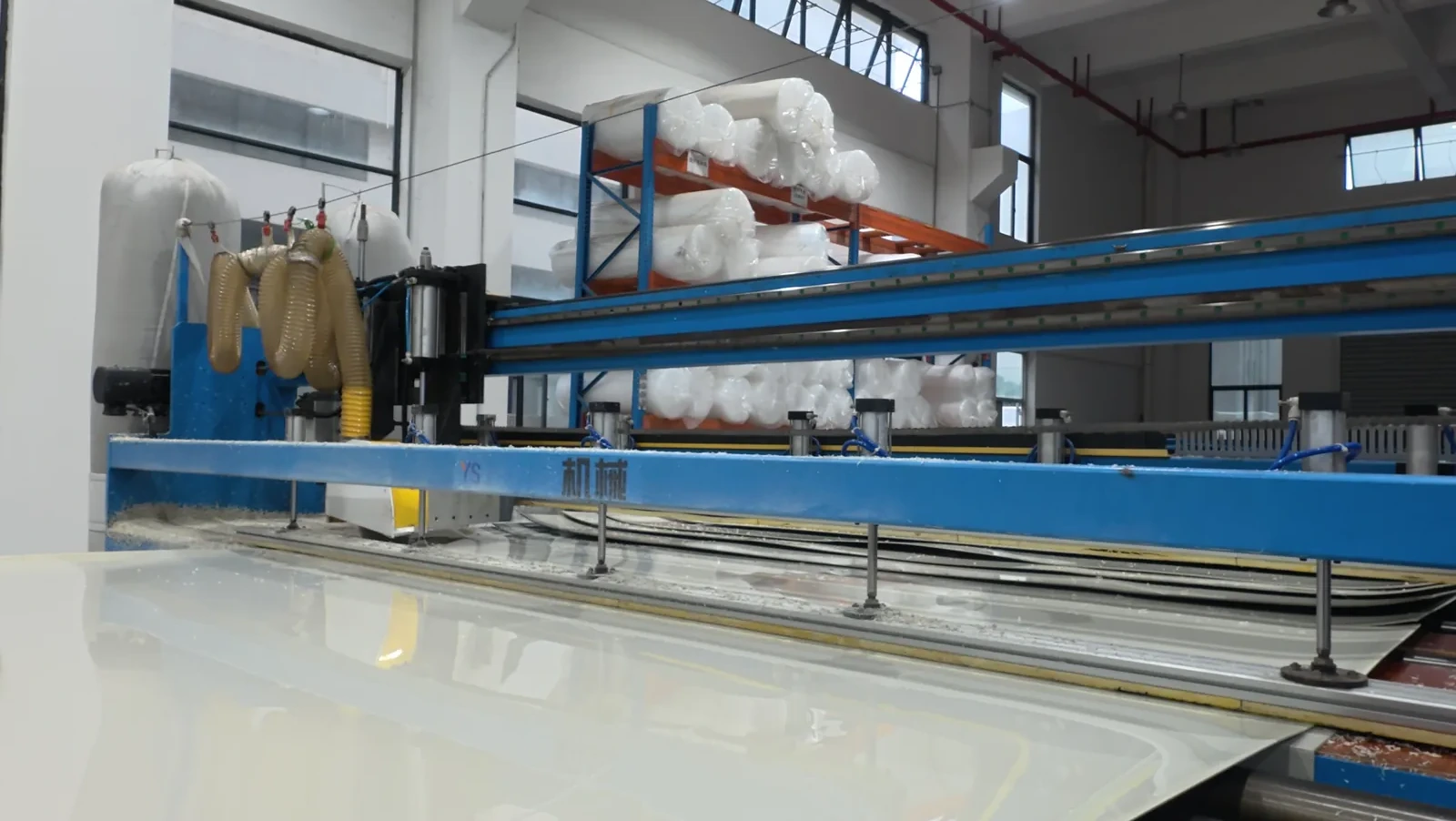
El plan de corte debe estar vinculado a la revisión actual del plano. Incluya operaciones posteriores como mecanizado, soldadura, ensamblaje o inspección, siempre que afecten a la pieza cortada. Una pieza de muestra puede revelar un problema en el plano con antelación. No se puede aprobar un componente modificado ni una función operativa diferente sin una nueva revisión.
El registro de liberación debe permitir que el personal de compras, fabricación y control de calidad llegue a la misma conclusión. Debe indicar el componente nombrado, el plano actual, el material solicitado, las condiciones que rigen la revisión y la evidencia aún necesaria. Si alguno de estos elementos cambia, registre el cambio antes de procesar el panel afectado.
Mantenga el orden en que se realizarán los pasos de fabricación. El material se recibe, se identifica, se corta o se mecaniza, se une donde sea necesario, se verifica y se entrega a la siguiente operación. Este orden permite detectar posibles deficiencias. Por ejemplo, no se puede revisar un detalle de soldadura a partir de una solicitud de panel plano, ni se puede verificar una interfaz de instalación a partir de las dimensiones de una lámina suelta.
Puntos de inspección
Acuerden dónde se revisará la pieza y qué características del plano son importantes. El punto de inspección puede ser una longitud, una abertura, un borde, una superficie o el ajuste con un componente de acoplamiento. Mantengan un registro del ID de la pieza y la revisión. Esto evita que una muestra de corte antigua se utilice como prueba para un pedido revisado.
El objetivo es sencillo: hacer visibles para quienes manipulan el material el panel solicitado, la operación planificada y la pregunta de aceptación. De esta forma, la imagen del producto, el resultado de la prueba, la muestra y la pieza terminada conservan su función correspondiente.
Si el proyecto no tiene un punto de aceptación definido, registre este hecho antes de que comience el trabajo. Solicite al propietario o al equipo de ingeniería que definan la característica del plano, la revisión de la muestra, el documento o la condición de inspección pertinentes. Un elemento abierto claro es más seguro que asumir implícitamente que una descripción general del plano cubre el equipo terminado.
Solicitud de muestra
Envíe el dibujo de la pieza e identifique la característica que debe evaluarse. Solicite una muestra de panel cuando la decisión sea sobre la superficie o el mecanizado. Solicite una pieza cortada cuando el ajuste, la condición del borde o una característica específica sean el punto de decisión. Antes de la liberación, Envíe el dibujo y solicite una muestra del proyecto..
Preguntas frecuentes
¿La ficha técnica del PP publica las tolerancias de corte?
No. La ficha técnica registra las propiedades del material probado. Confirme las dimensiones y tolerancias requeridas para la pieza del fabricante original.
¿Qué debe mostrar un plano de corte de una lámina de PP?
Muestre el componente, la revisión del dibujo, las dimensiones nominales, las características críticas, los requisitos de borde, la orientación y el punto de inspección.
¿Puede una muestra plana aprobar una pieza cortada terminada?
Solo cuando la pregunta del proyecto se limita al material plano. Utilice una muestra cortada cuando sea necesario revisar el ajuste, el estado de los bordes o alguna característica.
¿Por qué debería una pieza recortada conservar su revisión de dibujo?
La revisión vincula la pieza con la geometría correcta e impide que se utilice una muestra anterior para un componente modificado.
Para Requisitos de corte de láminas de PP, registrar los supuestos finales del proyecto y las comprobaciones de aceptación antes de autorizar la fabricación o la compra.