What polypropylene sheet corona treatment changes
Untreated polypropylene has a low-energy, non-porous surface. Ink, coating, and adhesive can pull away, de-wet, or release even when the sheet itself is sound. Corona treatment modifies the surface so the selected liquid can wet it more consistently. That is why a useful specification names the conversion process rather than simply asking for “high adhesion.”
The treatment is process-dependent. A surface that works for one ink may not be suitable for another ink, coating, or adhesive. For polypropylene sheet corona treatment, the treatment can also decline during storage as the surface reorganises or additives migrate toward the surface. A technical sheet from Sunclear recommends checking corona treatment and ink compatibility before printing, while Vetaphone’s treatment guidance explains why over-treatment and ageing can reduce consistency. These are industry references, not QEEHUA guarantees.
Corona treatment is therefore an interface specification. It does not change the PP grade, replace a chemical-resistance review, certify a cleanroom application, or qualify a hot-gas weld. Those decisions still require the material grade, thickness, service medium, temperature, stress state, drawing, and project acceptance plan.
When corona treatment belongs in the PP sheet specification
Specify corona treatment when the finished part depends on adhesion to the PP surface. Use the decision table below to keep surface treatment separate from structural and chemical requirements.
| End use | What to specify | Evidence to request |
|---|---|---|
| Screen, digital, or flexographic printing | Treated face, ink family, artwork or colour sample, and the test method agreed with the printer | Surface-energy check plus a print adhesion or rub trial on the actual sheet |
| Adhesive bonding or lamination | Treated interface, adhesive chemistry, open time, pressure, and cure conditions | Supplier compatibility statement and a representative bond or peel trial |
| Coating or overprint varnish | Coated side, coating system, cleaning method, and recheck interval | Wet-out/coverage observation and final adhesion check after curing |
| Chemical tank, duct, or wet-process panel | Usually prioritise grade, thickness, chemical duty, clean surface, weldability, and inspection; add corona only for a defined non-wetted bonded or printed feature | Separate chemical-compatibility and weld-qualification evidence from any surface-treatment evidence |
| Purely mechanical CNC fabrication | Do not add corona as a decorative keyword if no ink, coating, adhesive, or laminate is used | Drawing, machining, dimensional, and surface-protection requirements instead |
For custom orders, the relevant QEEHUA specification fields can be assembled with the custom polypropylene sheet specification guide. Add the treatment only when it solves a real conversion problem. This keeps the RFQ commercially clear and avoids implying that every PP sheet supplied by QEEHUA has the same surface treatment.
How to write corona treatment into an RFQ
A strong RFQ lets the sheet supplier and the converter test the same condition. Include the following fields instead of writing only “corona treated PP sheet.”
- Application: name the ink, coating, adhesive, laminate, or printing process and identify whether the treated face is the inside, outside, or both sides of the finished part.
- Material identity: state the PP grade or designation, thickness, width, colour, texture, protective-film requirement, and intended fabrication route. Use the PP sheet data-sheet review guide when the supplier terminology is incomplete.
- Treatment side and timing: for polypropylene sheet corona treatment, record one-sided or two-sided treatment, treatment date or production lot, and the maximum storage interval before conversion. Do not assume that a delivery date is the treatment date.
- Acceptance method: identify the surface-energy test or Dyne method for polypropylene sheet corona treatment, sampling locations, test environment, and the result that triggers hold, retest, or rejection. The target should come from the selected ink, adhesive, or coating process rather than a copied universal number.
- Application trial: define a small print, wet-out, bond, or laminate coupon. A surface reading is useful, but the actual process trial confirms that polypropylene sheet corona treatment and the selected ink or adhesive behave as expected on the specified PP grade and texture.
- Storage and protection: state how the treated face will be covered, kept clean, and protected from moisture, dust, oil, and unnecessary handling. Record whether the protective film stays in place until conversion.
- Change control: require approval if the PP grade, texture, treatment side, ink, adhesive, or storage time changes. A substitute sheet should not inherit the original acceptance result automatically.
How to verify the treated surface before conversion
Verification should happen at the point where the sheet will actually be printed, coated, bonded, or laminated. Start with a clean, representative surface and use the test method named in the RFQ. Test more than one location when sheet width, texture, or storage history varies.
Para polypropylene sheet corona treatment, a Dyne pen or surface-tension solution can provide a quick screening result, but it should be used according to the ink, adhesive, or coating supplier’s method. Do not turn one pen mark into a universal pass/fail rule for every PP grade. If the result is borderline, quarantine the lot for a process coupon instead of trying to rescue a large production run.
Also check the application itself. Look for continuous wetting, pinholes, fisheyes, crawling, poor print transfer, edge lift, blistering, or early peel. Record the lot, treatment side, test date, operator, ink or adhesive batch, curing conditions, and result. This creates polypropylene sheet corona treatment evidence that can be compared when a later shipment behaves differently.
Storage and handling controls that protect corona performance
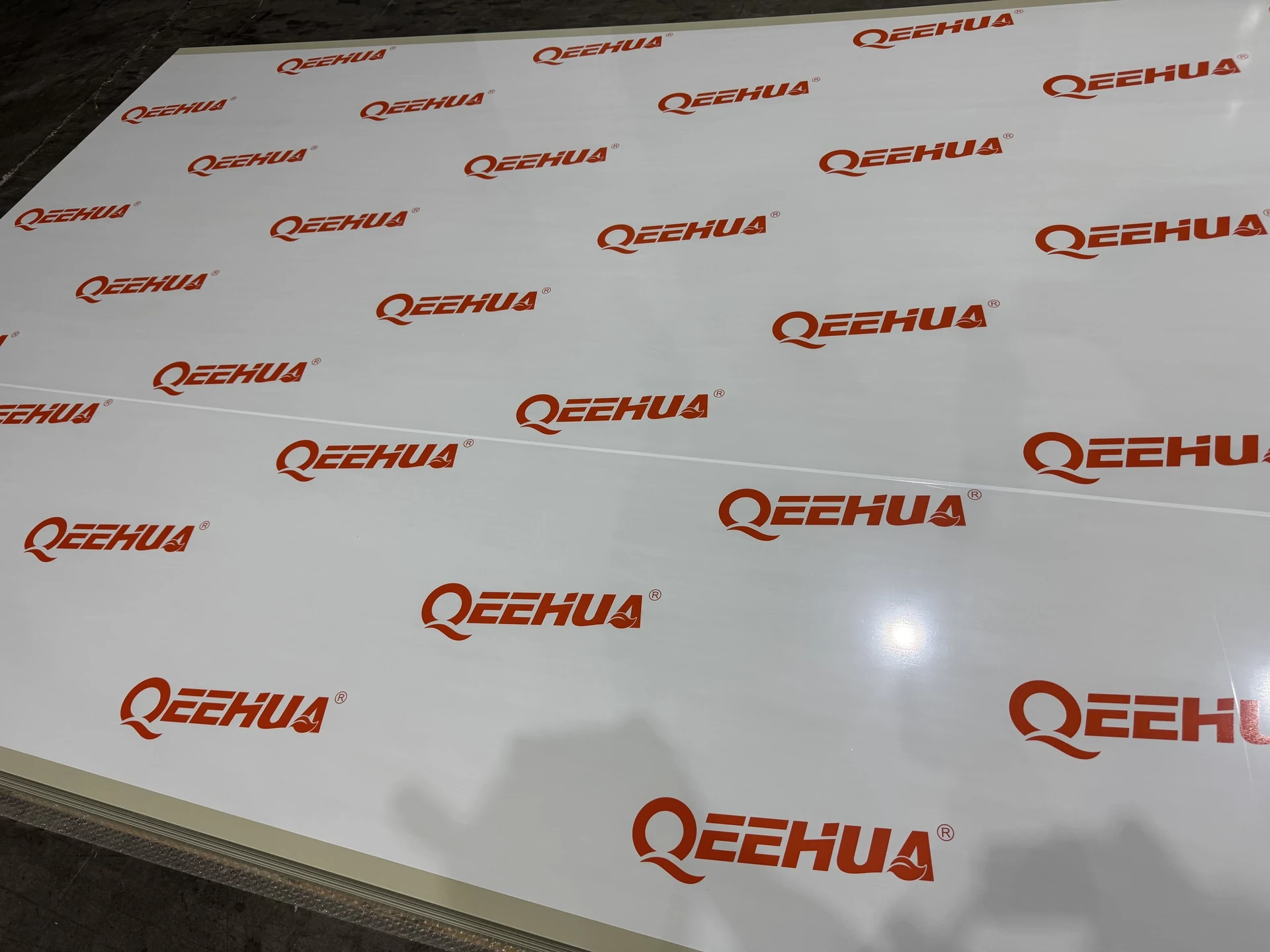
Surface treatment is easier to lose than a thickness label, so storage is part of the technical specification. For polypropylene sheet corona treatment, QEEHUA’s internal PP sheet use guidance recommends indoor, dry and clean storage, avoidance of long direct sunlight or moisture, flat support, gentle handling, and keeping protective film when surface quality matters. The manual’s 5–35°C range and stack guidance are project working references, not universal limits for every PP grade.
- Keep treated faces covered and separated from oil, dust, metal filings, and adhesive residue.
- Do not drag sheets across a dirty pallet or place sharp tools on the surface.
- Label treated and untreated faces so a cut part cannot be installed backwards.
- Record storage location and time, then re-test the surface after long storage or an uncontrolled environmental exposure.
- Acclimatise the sheet to the conversion area before printing or bonding when temperature differences could affect wetting, condensation, or dimensional stability.
For general PP sheet storage practices, see the PP sheet storage and handling guide. The key QEEHUA practice is simple: inspect first, process second; confirm the surface and material before committing the sheet to a production run.
Keep corona treatment separate from chemical-equipment qualification
A common specification error is to treat corona treatment as proof that a PP panel is suitable for a chemical service. It is not. Corona modifies a surface for an interface process. Chemical compatibility still depends on the medium, concentration, temperature, exposure time, stress state, grade, thickness, geometry, and design.
For a tank, liner, duct, or wet bench, identify where the treated face will sit. If it is on a non-wetted printed label, bonded cover, or service-side component, document that boundary. If the treated surface could contact process fluid, stop and request a project-specific chemical review before approving the order. Do not use a printed or bonded coupon as evidence of tank-wall weld performance.
Likewise, corona treatment does not qualify a hot-gas weld. Welding areas must remain compatible, clean, oil-free and dry, and the welding procedure should be established for the selected sheet and rod. Keep any printing, adhesive, or coating operation away from a weld preparation zone unless the project procedure explicitly controls removal and cleaning.
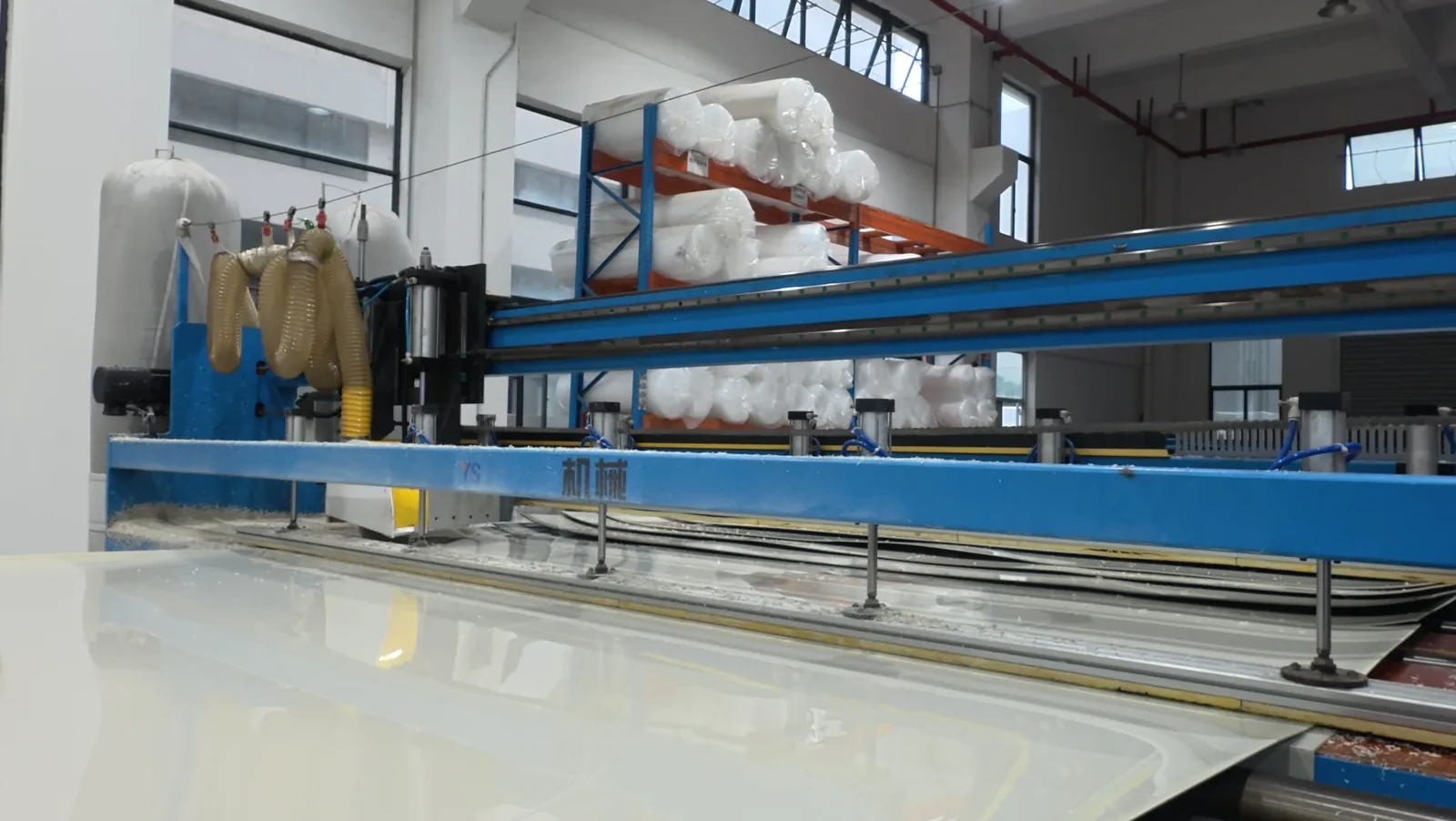
Related QEEHUA process video: this playlist video shows PP sheet formation during extrusion. It provides manufacturing context for sheet surface control, but it is not evidence that a specific sheet lot received a required corona treatment.
Video reference: PP Sheet Extrusion: Sheet Formation Process | QEEHUA, from the approved QEEHUA playlist.
Questions to resolve before approving the order
Does every polypropylene sheet need corona treatment?
No. Specify it when printing, coating, adhesive bonding, or laminating depends on the PP surface. Mechanical cutting, welding, or chemical-tank fabrication does not automatically require corona treatment.
What should an RFQ say instead of “corona treated PP”?
Name the treated side, end use, PP grade and texture, test method, acceptance target from the selected process, treatment date or lot, storage limit, and the application coupon required before production.
Does corona treatment improve chemical resistance or weldability?
No. Corona treatment changes surface wetting and adhesion. Chemical resistance, cleanroom suitability, and weldability require separate grade, design, fabrication, and project-specific evidence.
How should a treated sheet be checked after storage?
Recheck representative areas with the agreed surface-energy method and run a small ink, coating, bond, or laminate trial when the storage interval or environment could have changed the surface.
Need a PP sheet surface-treatment specification?
Send QEEHUA the intended ink, coating, adhesive or laminate, treated-side requirement, PP grade, thickness, texture, storage plan and acceptance method. We can help separate surface treatment from the chemical, welding and fabrication requirements of the finished equipment.
Contact QEEHUA for a project review or review the modified PP sheet options.