Low-temperature PP sheet welding should be treated as a controlled fabrication condition, not as a reason to simply turn up the hot-air gun. Before a chemical tank is welded, the fabricator needs to confirm the temperature of the sheet, welding rod, joint area and work environment; keep the joint clean and dry; qualify the selected settings on a representative coupon; and record the inspection evidence. This sequence reduces cold welds, residual stress and repairs that are difficult to explain after the tank has been assembled.
Why low-temperature PP sheet welding needs a separate control plan
Polypropylene does not respond to a cold workshop in the same way as a metal tank. A cold sheet can become less tolerant of impact and bending, while a cold joint surface can remove heat from the weld zone too quickly. If the welding gun is adjusted without considering the actual sheet temperature, the result may be a narrow fusion zone, an under-heated bead or a joint that looks acceptable but fails a bend or leak check later.
There are several temperatures to control at the same time:
- Material temperature: the parent sheet and welding rod should be conditioned, not just the air around them.
- Joint temperature: the prepared edges must be dry, clean and able to reach the required fusion condition.
- Tool and gas temperature: the displayed setting is not always the same as the temperature in the gas stream at the joint.
- Cooling temperature: the weld needs a stable, protected cooling period; rapid quenching can increase distortion and residual stress.
Set the minimum temperature and conditioning hold point
Start the work package with a written minimum-temperature requirement. It should identify which temperature is being measured, where it is measured, the instrument used, and who can release the job. For many QEEHUA project reviews, a sheet or rod below 5°C is moved indoors and allowed to warm to at least 5°C before processing. The important control is not the number alone; it is preventing a cold, unevenly conditioned panel from entering the weld cell.
Condition the material gradually. Keep sheets flat and supported so that the center and edges can equalize without introducing a new bow. Store rods in the same protected area rather than taking a cold rod directly from an outdoor rack to a warm joint. If a project procedure specifies a higher preheat or a longer soak time, follow that procedure. Do not represent the QEEHUA manual threshold as a guaranteed welding temperature for every PP grade, thickness or equipment design.
Protect the work area from moisture and drafts
Rain, snow, condensation and wash water are incompatible with a reliable PP weld. A temporary enclosure should block precipitation and strong air movement while still providing safe ventilation for the welding process. Wipe the joint with a clean, lint-free material and confirm that the surface is dry before fit-up. A warm panel with a damp edge is not ready for production welding.
Draft control matters because a moving air stream can cool the hot gas or bead unevenly. In practice, a simple shelter, a closed door and a short material travel path often do more for weld consistency than an aggressive increase in gun temperature.
Match the sheet, rod and procedure before changing settings
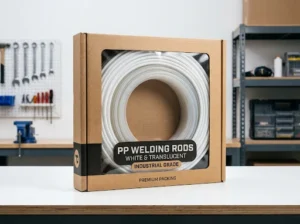
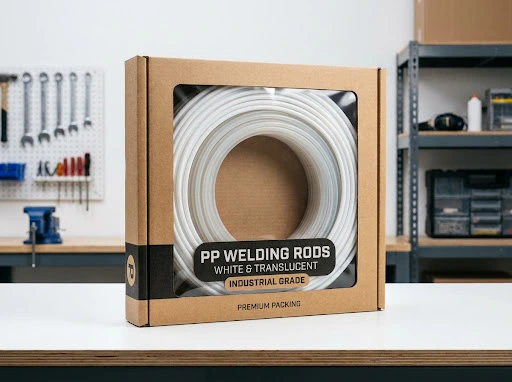
Low-temperature PP sheet welding is not a license to substitute a different rod or sheet grade. Confirm that the Pręt spawalniczy PP is compatible with the parent sheet and that the lot or batch can be traced to the job. The joint preparation, welding method, rod diameter, travel speed, gas flow and heating range should come from the approved procedure for that material combination.
QEEHUA’s fabrication reviews commonly use three pre-weld checks:
- Verify the sheet identification and thickness against the drawing and purchase documentation.
- Verify rod identification, diameter, storage condition and issue record.
- Record the machine, nozzle, temperature-control method and operator qualification used for the trial weld.
For background on qualification and testing of thermoplastic tanks and pipes, see the TWI technical review of thermoplastic tank and pipe welding. It describes heating, fusion and cooling as linked stages; a good bead cannot compensate for an uncontrolled fit-up or cooling stage.
Control heat input instead of chasing a gun display
In cold conditions, the most common mistake is to increase the gun setting until the bead appears to flow. That can overheat the surface while the root of the joint remains poorly fused. Hot-gas temperature, gas flow, nozzle distance, travel speed, bead pressure and sheet temperature work together. Change one variable at a time and document the result.
The welding gun display should be checked against the actual process. The TWI guidance on hot-gas welding temperature warns that a low temperature can produce a cold weld, while excessive temperature can degrade the polymer; it also recommends checking the gas stream and using trial welds rather than trusting a display alone.
Before releasing production work, make an offcut or PP sheet weld test coupon from the same sheet and rod, conditioned in the same environment. Look for uniform wetting and fusion, then perform the project-specified bend, peel, tensile or visual checks. If a coupon fails, correct the cause and repeat it. Do not hide a failed coupon by increasing the setting without recording the change.
Keep fit-up, tacking and cooling under control
Cold-weather control continues after the hot gas is switched on. Machine the joint to the specified profile, remove contamination, and support the panels so that the gap remains consistent. On a large tank, use a planned tack sequence to limit movement instead of closing a cold, distorted gap with excessive weld material.
Allow the bead and surrounding sheet to cool naturally in the sheltered area. Do not spray water or place a cold metal object against the joint to accelerate production. A slow, even cooling path gives the fabricator time to observe distortion and protect the weld from accidental impact.
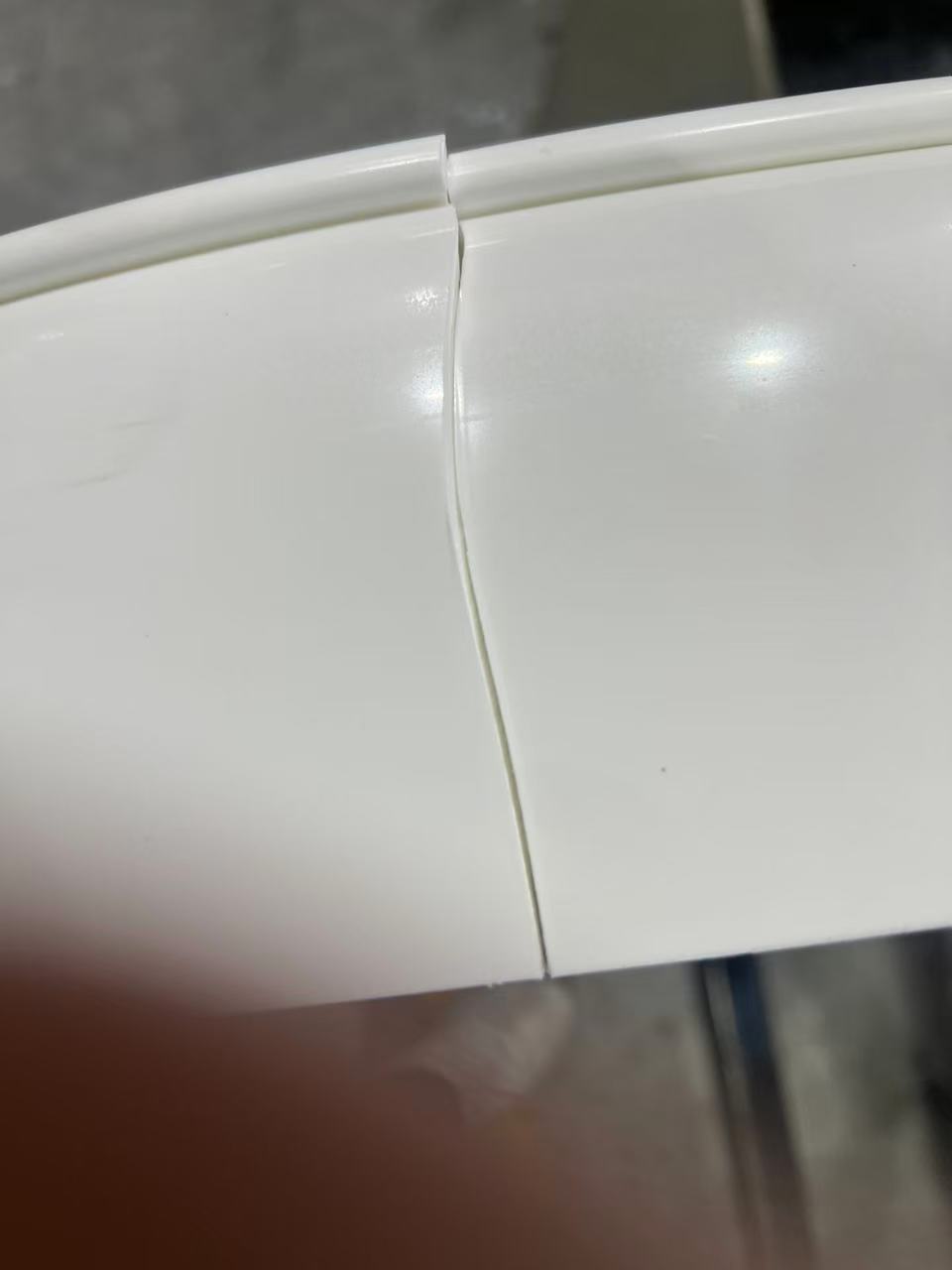
When a panel has been outside, check the full thickness and the edge—not just the visible face. QEEHUA’s practical review point is to stop work when cracks, branching damage, deep scratches or a brittle-looking edge are found. The decision may be to trim back to sound material, repair under an approved procedure, or reject the panel. The correct choice depends on the damage location, design stress and project acceptance criteria.
| Risk before tank fabrication | Control to apply | Evidence to retain |
|---|---|---|
| Sheet or rod below the agreed minimum temperature | Move to a dry indoor area, condition gradually and measure before release | Temperature log, material ID and release signature |
| Condensation, rain, snow or wash water at the joint | Shelter the work, dry and clean the edge, then re-check before heating | Pre-weld checklist and weather/work-area note |
| Cold weld or polymer degradation | Verify gas stream, airflow, nozzle, speed and trial-coupon results | Procedure, machine record and coupon inspection |
| Distortion or residual stress during cooling | Use planned tacking, support and natural protected cooling | Fit-up record, dimensional check and photographs |
| Hidden crack or lack of fusion in a tank seam | Hold production release until visual and project-required tests pass | Inspection report, leak/NDT evidence and NCR disposition if needed |
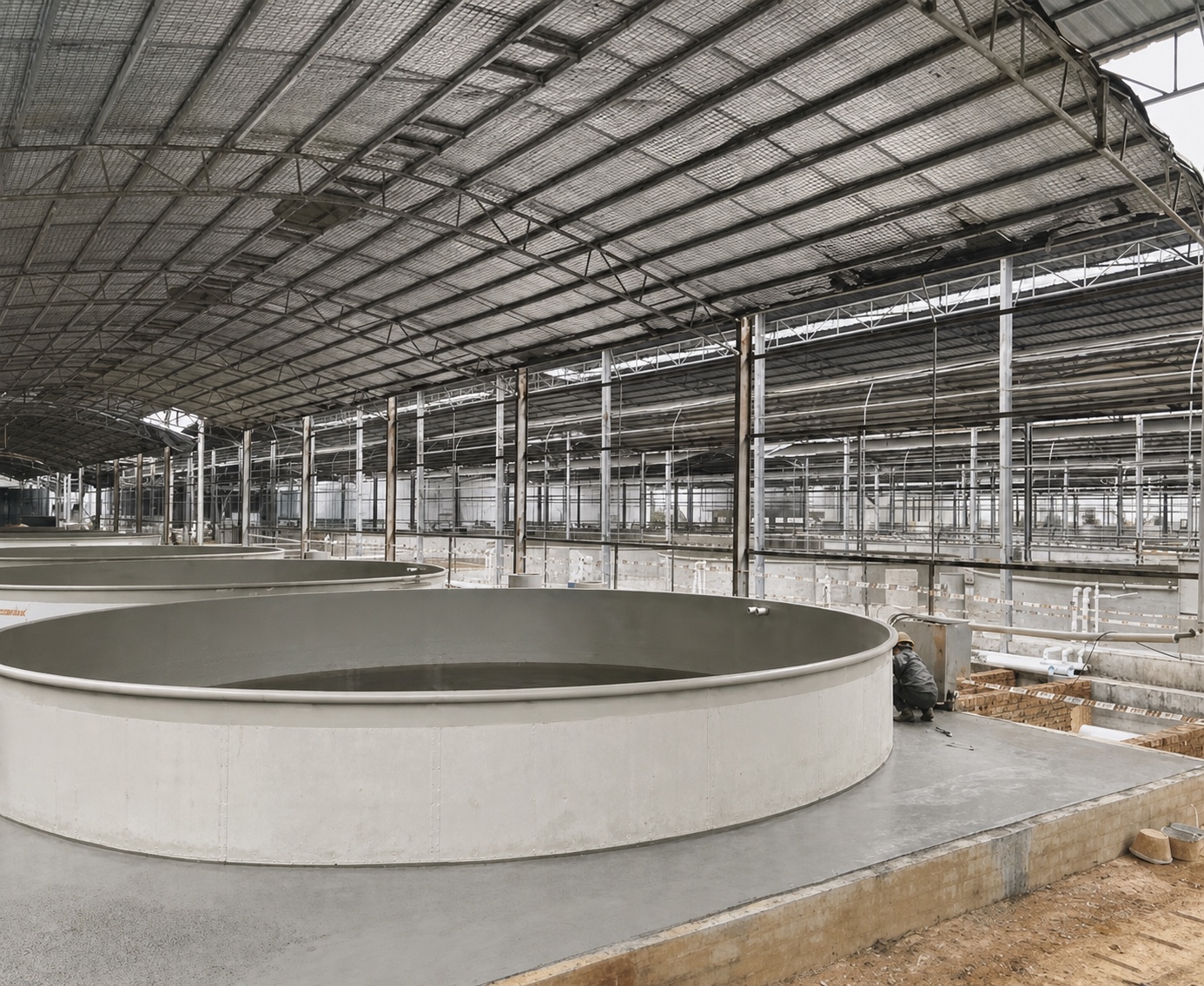
Define release evidence before the first production seam
A tank should not move from welding to lining, piping or shipment solely because the bead looks smooth. Establish hold points before fabrication begins. At minimum, the package should identify the approved drawing, material and rod records, welding procedure, operator or fabricator qualification, test-coupon result, visual inspection and any project-specific leak or non-destructive examination.
For critical tanks, the inspection plan may require extra checks at corners, nozzles, supports and repairs because these areas combine geometry changes with local stress. Keep the low-temperature log with the weld records so that a future nonconformance review can distinguish a material-conditioning issue from a machine-setting issue.
This approach also makes supplier review more useful. A fabricator can submit a clear control plan—minimum temperature, shelter, conditioning time, trial weld, inspection and release evidence—instead of promising that a higher hot-air setting will solve every cold-weather problem.
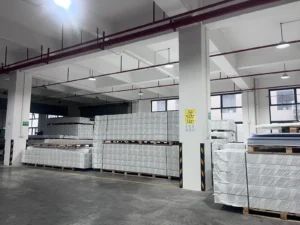
Related QEEHUA process video: this playlist video shows the broader PP sheet production environment. It is useful for understanding material handling context, but it is not a substitute for a project-specific welding qualification or tank inspection record.
Video reference: Behind the Scenes: QEEHUA’s Premium PP Sheet Production, from the approved QEEHUA playlist.
Questions to close before approving low-temperature PP sheet welding
Can PP sheet be welded below 5°C?
Do not treat 5°C as a universal code limit. QEEHUA’s internal use guidance is to warm sheet and rod below 5°C to at least 5°C before processing. If the approved project procedure requires a different minimum or a qualified preheat method, that procedure controls. Without a qualified procedure, pause the work.
Can a higher hot-air setting fix a cold weld?
Not reliably. A higher setting can overheat the surface while the joint still lacks proper fusion, especially when airflow, nozzle distance or travel speed is uncontrolled. Make a representative trial weld, verify the gas stream and change one variable at a time.
What should be recorded before the first tank seam?
Record the sheet and rod IDs, material temperature, work-area condition, machine and nozzle, procedure revision, operator, trial-coupon result and release decision. Add dimensional, visual, leak or NDT evidence required by the project.
What if a cold panel has a crack or deep scratch?
Stop bending or welding across the damage. Inspect the full affected area and follow the approved trim, repair or rejection decision. Do not bury a crack under a larger weld bead.
Planning a PP chemical tank or fabricated panel?
Send QEEHUA the sheet grade, thickness, tank drawing, welding method, expected workshop temperature and inspection requirements. We can review the material-conditioning and fabrication evidence needed before production release.
Contact QEEHUA for a project review or compare this process with the PP sheet selection and fabrication guide.