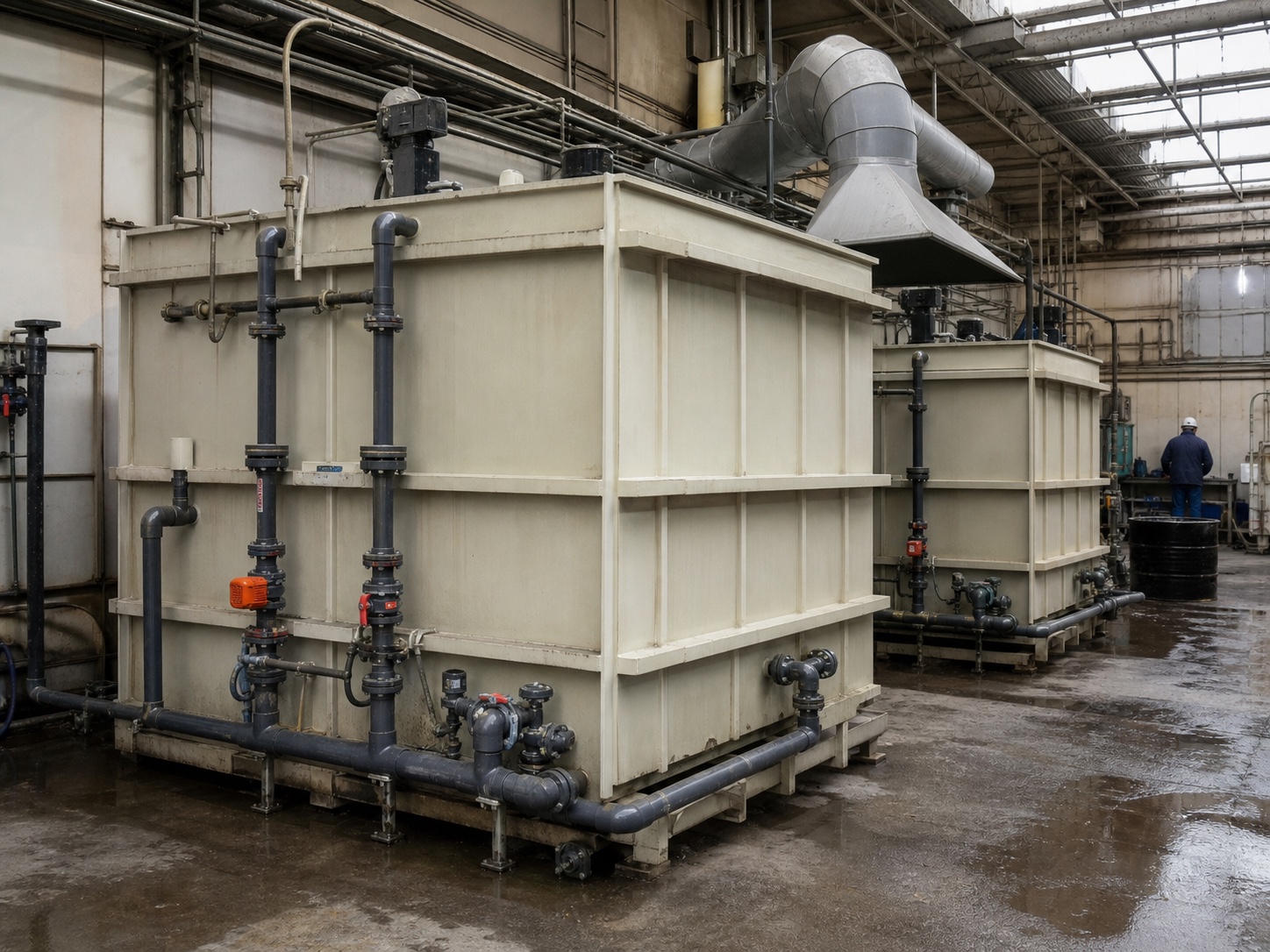
After a PP tank, scrubber, duct, enclosure, or wet-process assembly is installed, commissioning should not begin with a single “ready” signature. A PP equipment commissioning punch list verifies that the installed system matches the approved design, that installation defects are closed or controlled, and that leak, drainage, access, operating, and safety checks are evidenced before chemical service. The same PP sheet equipment commissioning punch list should carry open-item ownership through final handover.
PP sheet equipment commissioning punch list: installation versus readiness
Installation completion means the equipment is physically in place. Commissioning readiness means the owner can safely test and operate the connected system under the intended procedure. The difference matters for fabricated PP equipment because transport, lifting, field connections, supports, and adjacent piping can introduce conditions that were not present during factory inspection.
A useful punch list is therefore a live closeout document. Each item should have a status such as open, cleared, accepted with action, or not applicable. “Accepted with action” needs an owner, due date, temporary control, and release authority; otherwise it becomes an undocumented exception.
External reference: the Los Angeles World Airports mechanical commissioning forms use signed yes/no checks for installation, access, piping, cleanliness, controls, and startup. The form is a commissioning workflow example, not a PP-specific acceptance standard.
The commissioning team can use the PP sheet selection and fabrication guide as the parent reference, then keep this checklist limited to the installed equipment and its connected system.
Confirm the equipment boundary and approved documents
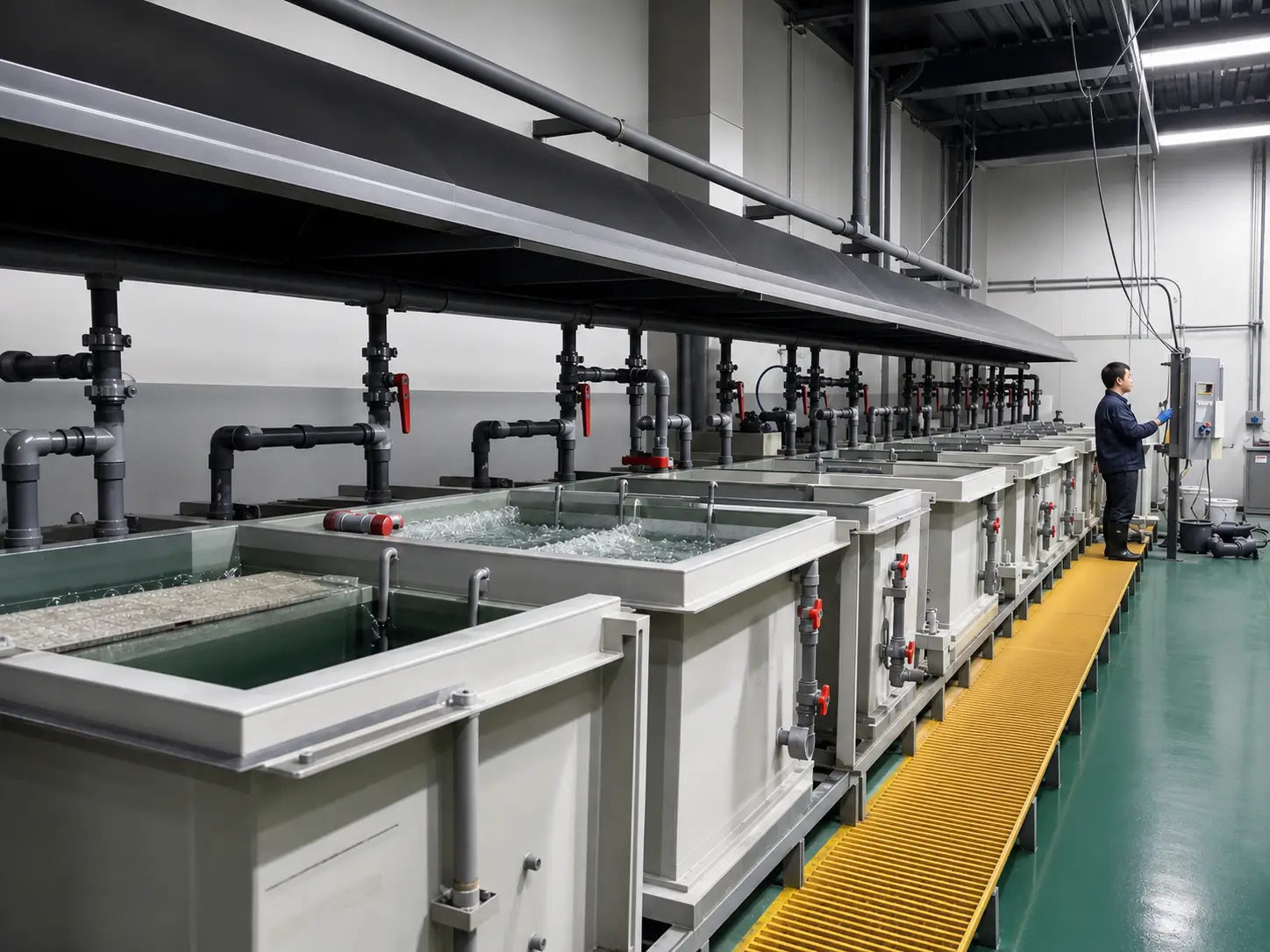
Start the PP equipment commissioning punch list with the boundary being released. Record the equipment tag, service, location, section or module numbers, approved drawing revision, P&ID or process-flow reference, and the responsible construction and commissioning representatives. If the system includes a tank, duct, scrubber, pump, valve, drain, sensor, or enclosure, state which items are included and which belong to another contractor.
| Closeout block | Verify | Evidence to attach or reference |
|---|---|---|
| Identity and scope | Tag, service, location, module sequence and boundary | Equipment list, approved drawing, P&ID or system boundary mark-up |
| Design revision | Installed arrangement matches the released revision | As-built drawing, approved redline, change or concession record |
| Materials and welds | Sheet, fittings, welding rod and repaired areas are traceable | Material package, weld map, inspection or repair record |
| Tests | Required leak, airflow, drain, functional or alarm tests are complete | Signed test sheet with boundary, method, result and date |
Użyj PP sheet material traceability package to verify released grade, lot, and welding-consumable information without copying every certificate into the punch list.
Check supports, connections, and movement before testing
Support and connection defects are high-priority punch items because they can load the PP structure during testing or operation. Confirm that tank bases, saddles, legs, hangers, frames, anchors, and restraints match the approved arrangement. Check that piping, valves, and flexible connectors are independently supported and do not pull on a nozzle or flange.
Do not close an alignment item because bolts can be tightened. If a flange, nozzle, duct section, or drain only fits after forced movement, classify the condition and route it through the project change or nonconformance process. A small shim, gap, or support correction may be acceptable when designed and recorded; an unreviewed forced fit is not a commissioning release.
The earlier PP sheet site fit-up record should be referenced for measured support contact, section alignment, and interface checks. This punch list should record whether those items were cleared after the surrounding system was connected.
External reference: New York State DEC plastic-tank inspection guidance highlights foundations, tank supports, flexible restraint, supported piping, accessible inspection points, and secondary-containment checks. Apply the project manufacturer’s drawings and local requirements first.
Verify cleanliness, access, drains, and protective removal
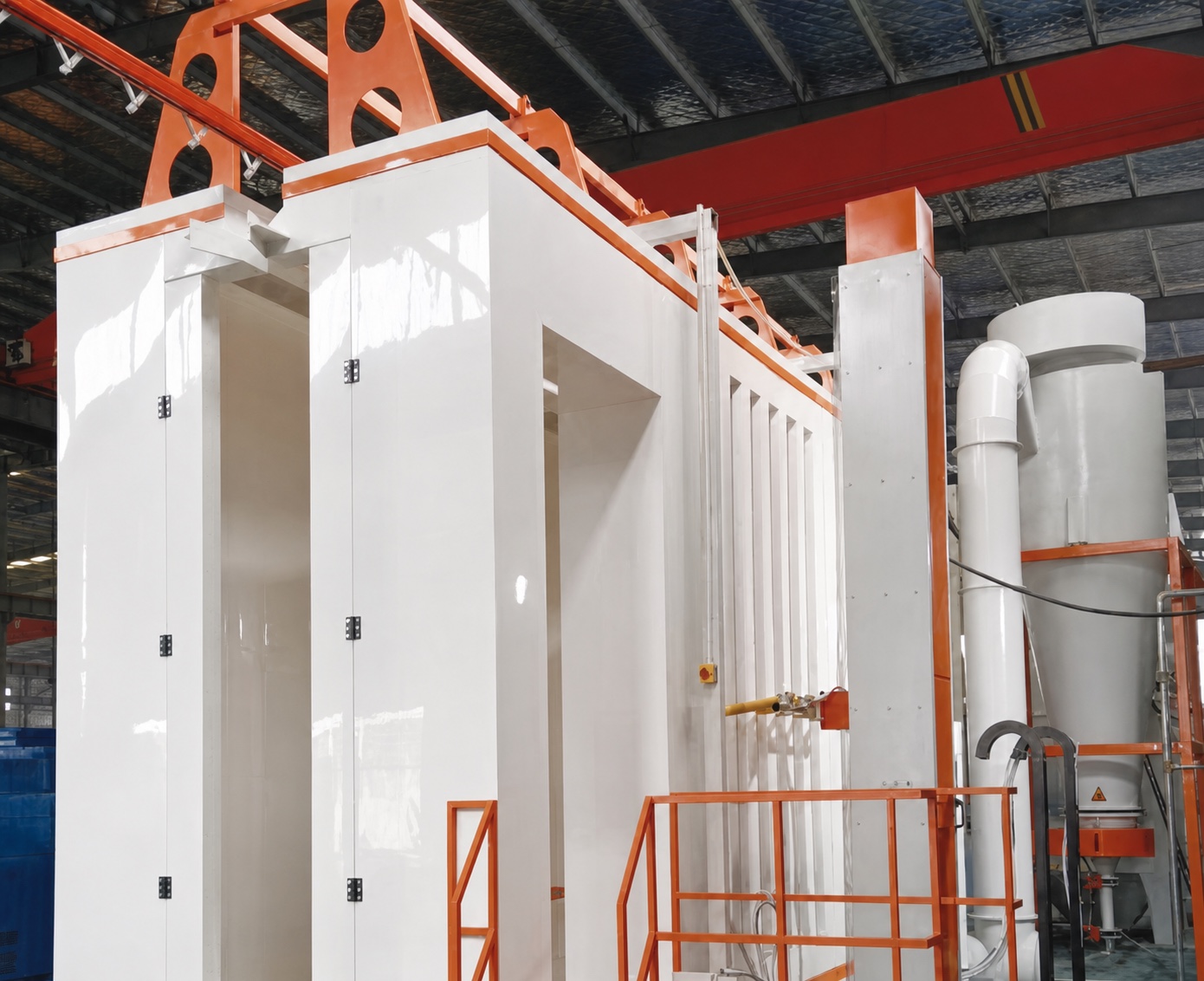
Before a wet test or chemical introduction, inspect the inside and outside of the equipment. Remove cutting chips, loose weld debris, packaging, tools, protective-film fragments, and temporary supports. Confirm that open duct ends, manways, hatches, removable panels, cleanouts, drains, sampling points, and vents can be reached and operated after adjacent services are complete.
Check drain low points and discharge routes as a functional system, not only as drawing symbols. A drain that is present but blocked by a support, inaccessible behind a pipe rack, or unable to discharge safely should remain open on the punch list. For a secondary-containment area, verify that the drain or sampling arrangement follows the approved chemical and environmental-control design.
QEEHUA’s working practice is to keep protective film during handling when surface quality matters, then remove it only when the responsible team has confirmed that the exposed surface is clean and undamaged. If a scratch, crack, broken edge, or impact mark appears during installation, isolate it and document disposition before the item is marked closed.
Close weld, leak, and functional-test evidence
The punch list should point to the test record rather than use “tested” as a conclusion. For liquid-retaining PP tanks, record the approved leak-test procedure, test boundary, medium, result, and any repair/retest link. For exhaust or duct systems, record the applicable leakage, airflow, damper, fan, or alarm checks. The acceptance method must come from the project procedure; there is no single universal PP commissioning test.
Field welds deserve an explicit hold point when they form part of a liquid, vapor, pressure, or vacuum boundary. Confirm joint identification, welding procedure, operator, visual inspection, and the required test result. The PP chemical tank leak-test record can carry the detailed test evidence, while this checklist confirms that the record is present, accepted, and linked to the correct equipment tag.
Functional checks should cover the connected process: valve direction and access, pump or fan interlocks, level or flow instruments, emergency stops, alarms, ventilation, drain operation, and any cleanroom or chemical-area housekeeping requirements. Do not mark an instrument complete merely because it is mounted; calibration, point-to-point checks, and the owner’s cause-and-effect test may still be required.
Classify punch items by startup risk
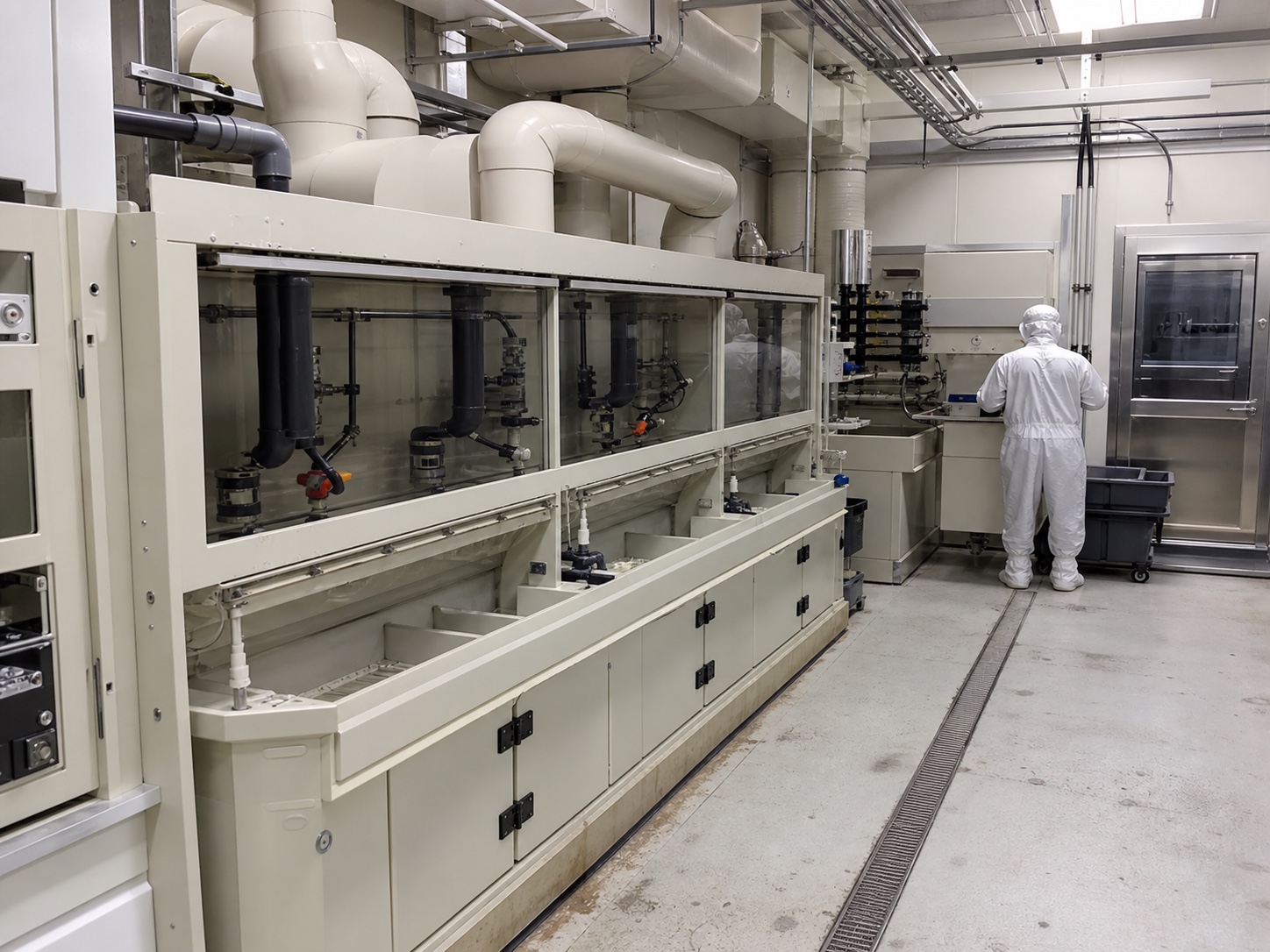
Not every open item has the same effect. Use the owner’s category system, or define a simple project-specific one, so the commissioning team can see which items block startup.
| Priority | Typical PP equipment example | Release expectation |
|---|---|---|
| Critical | Active leak, cracked weld, unsupported nozzle, blocked emergency drain, missing containment or unsafe access | Stop release; repair, retest, or obtain formal engineering disposition. |
| Major | Unverified field weld record, wrong valve orientation, inaccessible cleanout, missing alarm or incomplete redline | Close before the affected function is commissioned, unless the owner formally controls the risk. |
| Minor | Label, paint or non-functional documentation item that does not change safe containment or operation | Assign an owner and due date; do not let it obscure critical items. |
This classification also protects the handover package. A commissioning manager can accept a controlled documentation action without accidentally accepting an active leak or a forced PP connection.
Finished-product footage can help the team recognize the difference between a completed PP component and a commissioned system. The project punch list and test records remain the acceptance basis.
Video reference: “PP Sheet Finished Products After Cutting” from the approved QEEHUA playlist. It provides general finished-product context only; it is not a commissioning test or equipment acceptance certificate.
What should the final commissioning handover contain?
Before startup release, assemble one index by equipment tag. Include the cleared punch list, fit-up record, approved redlines, material and weld traceability, leak or functional test records, calibration or alarm evidence, cleaning confirmation, operating limits, and the list of remaining minor actions. The PP sheet FAT checklist remains the factory-side reference; this package proves the installed system was checked after shipment.
QEEHUA can review a proposed commissioning punch list against the equipment type, drawing revision, chemical service, site interfaces, and required evidence. Suitability still depends on the project’s actual grade, thickness, support design, operating conditions, and applicable code.
Często zadawane pytania
Is a PP equipment commissioning punch list the same as a site fit-up record?
No. A site fit-up record captures installation measurements and interface condition. The commissioning punch list confirms that installation issues, tests, functional checks, safety items, and handover evidence are closed or formally controlled before startup.
What PP equipment items should block commissioning?
An active leak, cracked or unreleased weld, unsupported nozzle, forced pipe connection, blocked emergency drain, missing containment, unsafe access, or unverified critical alarm should block the affected release until it is repaired, retested, or formally dispositioned.
Can a minor documentation item stay open during startup?
Only when the owner’s procedure allows it and the item has an owner, due date, temporary control, and acceptance authority. Documentation status must never be used to waive a containment, support, access, or safety-critical defect.
Does a commissioning punch list replace the PP tank leak-test record?
No. The punch list should reference the signed leak-test record and confirm that it belongs to the correct equipment boundary. The detailed test method, medium, result, repairs, and retest remain in the dedicated test record.
Send QEEHUA the equipment tag, drawing revision, site interfaces, chemical service, test procedure, and owner handover requirements. Request a technical review before startup release.