Bonding a polypropylene sheet with an adhesive can work when the adhesive is made for low surface energy plastics, the surfaces match its preparation instructions, and the joint is designed for the expected load. Polypropylene is difficult for many general adhesives to wet, so a product name alone does not prove a reliable bond. Some adhesive makers document formulations for many PP grades, while other systems depend on a surface treatment such as corona. Before choosing a route, identify the exact sheet, adhesive, surface state, joint shape, and service exposure. Then test a representative coupon and record the result before using the joint in equipment.
Decide if adhesive fits
Adhesive bonding can join two PP panels or attach a PP panel to another material without adding a visible fastener. It may suit a cover, enclosure, lining detail, or panel assembly when the joint can be made with controlled surface preparation and the service load is suitable for the adhesive system. A project may still need a welded, bolted, or mechanically supported joint if the bond cannot be reached for inspection or if the part sees sustained load, chemical exposure, peel, or repeated movement.
Start with the joint function rather than asking only whether adhesive sticks to PP. Identify what the joint holds, which directions the force acts, whether the surfaces are rigid or flexible, and what happens if the bond separates. Include temperature, moisture, chemical contact, cleaning, and expected time under load. A bond used as a trim attachment has a different risk from a seam that retains liquid.
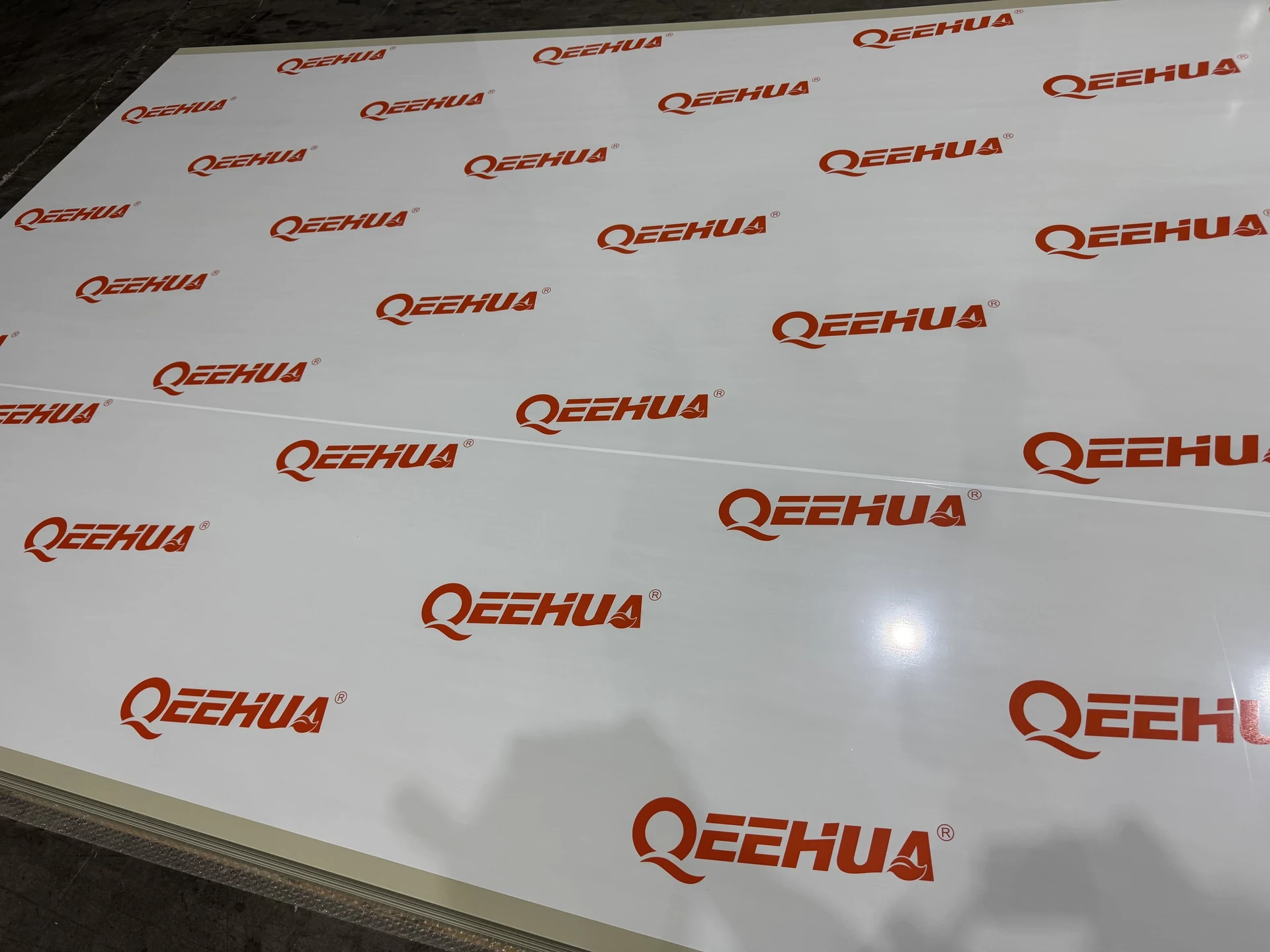
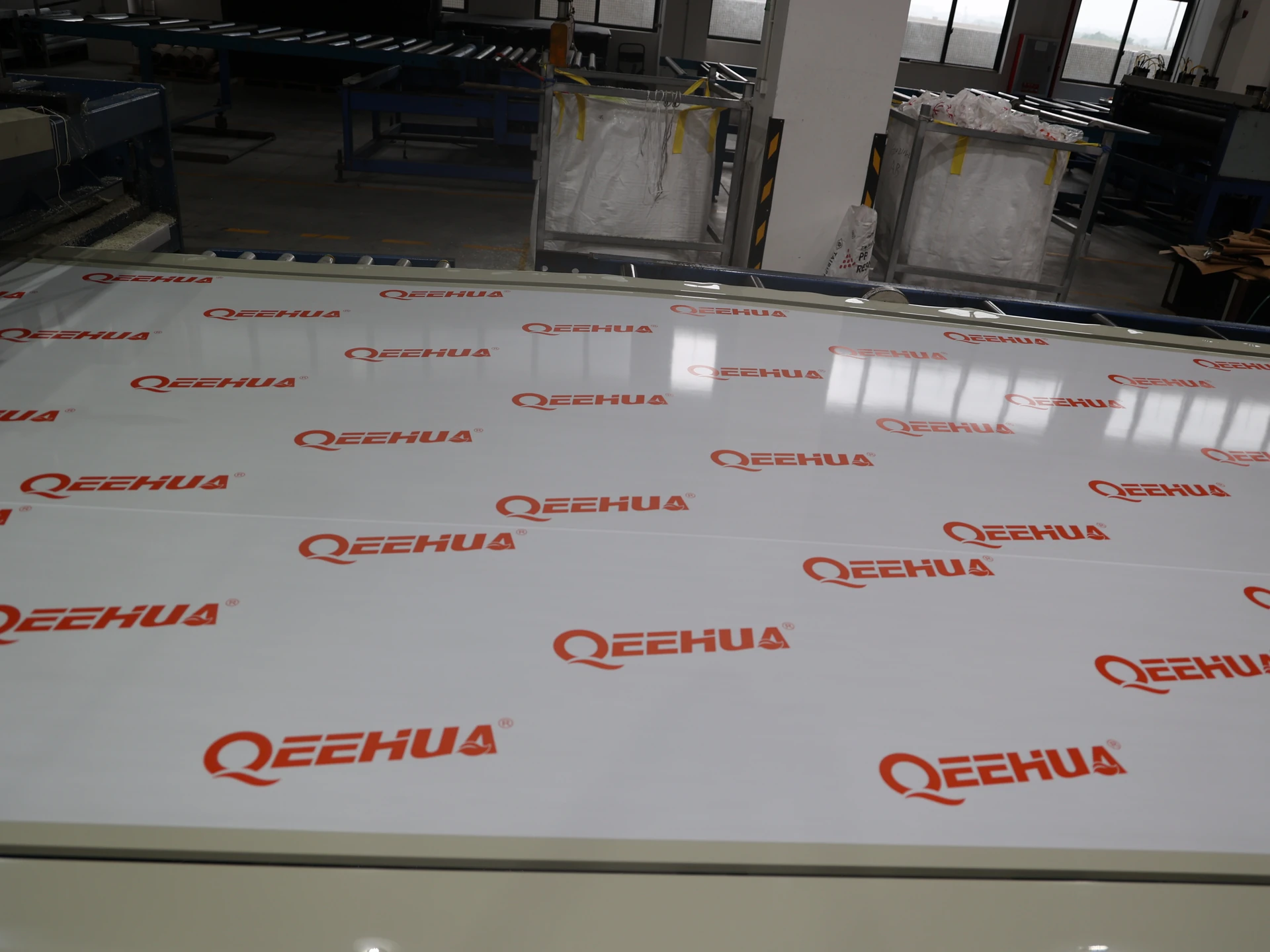
Ten QEEHUA PP sheet page is a product inquiry route for the substrate. It does not confirm that QEEHUA bonds PP sheet or supplies adhesive-bonded parts. The adhesive, sheet grade, and joint design remain project choices that require confirmation.
Why polypropylene is hard to bond
Polypropylene is a polyolefin with low surface energy. In its surface-energy guide, 3M groups polypropylene with low surface energy plastics that are harder for many liquids to wet. If an adhesive does not spread across the surface and make intimate contact, it may not form the bond the designer expects. This is one reason a glue that works on metal or PVC may behave differently on a PP sheet.
The sheet surface also matters. A protective film, mold release, dust, oil, or an earlier treatment can change what the adhesive contacts. The supplier’s PP resin family alone cannot identify those surface conditions. Record whether the coupon is cut from a supplied sheet, which face is bonded, whether film was removed, and how the surface was cleaned. Use the adhesive maker’s instructions for the selected product rather than copying a cleaning step from a different formulation.
Low surface energy does not mean that no adhesive can bond PP. The 3M DP8005 technical data sheet describes that specific two-part acrylic as bonding many low surface energy plastics, including many PP grades, without special surface preparation. The same sheet says its technical data are typical and should not be used as specification values. That is a product example, not a statement about every adhesive or any QEEHUA sheet grade.
Choose a joint shape
The joint geometry affects how the adhesive carries load. 3M’s adhesive joint design guidance explains that a side-by-side panel butt joint can concentrate cleavage stress, while a lap joint can place more of the load through the bond area in shear. Actual joint behavior still depends on panel stiffness, bond area, edge support, loading direction, and adhesive cure.
For bonding a polypropylene sheet, draw the bond area and mark the direction of the force across the joint. That helps the fabricator and lab use the same geometry for a build and a coupon test.
For a sheet assembly, show the joint on a drawing. Mark overlap length, bond width, edge distance, a gap or spacer requirement if the adhesive maker specifies one, and how the panels will be held during cure. Add a section view where a corner or flange could peel open. A long overlap does not guarantee success if one panel bends and pries at the edge. A restrained, accessible joint can be easier to inspect and test than a hidden seam.
Also compare the adhesive joint with the available mechanical route. A screw, a bonded flange, and a welded seam carry loads differently and need different checks. If a PP part can be welded and the joint must retain liquid, include that route in the engineering review rather than assuming a bonded seam is interchangeable. The job is to define a connection that meets the project’s function and inspection plan.
Control the surface state
Write the surface preparation into the trial plan. State whether the sheet will be bonded as received, after cleaning, or after a named treatment. Use the same sheet face and preparation on each comparison coupon. If corona treatment is considered, treat it as a separate surface process that needs its own specification and verification. The existing PP sheet corona treatment guide covers that treatment and its checks; it does not establish that a treated surface will pass a bond test.
The adhesive maker should define the mixing, application, open time, fixture, cure, and handling steps for its product. Record the adhesive name and lot, the sheet sample identity, ambient and part temperature, and any waiting time between preparation and bonding. Do not transfer a mix ratio, cure schedule, solvent, primer, or surface treatment from one adhesive to another. If a change in process is necessary, mark it as a new trial condition.
Keep the prepared sample protected from dust and handling while it waits for bonding. Make the bondline thickness and adhesive coverage visible in the trial record. The bond may look complete at the edge while the center has a gap or an unfilled section. A photograph helps document the build but cannot show whether the joint has the required strength or durability.
Test the exact bond
Build coupons from the sheet that represents the proposed substrate and use the proposed adhesive and process. Include the actual sheet thickness, face, cut edge, bond area, surface preparation, cure, and loading direction. If the equipment will see moisture, chemical exposure, heat, or repeated loading, define whether the trial includes that condition and how long the sample will be exposed. A dry room-temperature result does not establish a result after an untested exposure.
| Trial item | Co zidentyfikować | Unit or record | Evidence to retain |
|---|---|---|---|
| Sheet substrate | PP grade or sample, thickness, face, and lot when known | Product or sample ID | Sheet record and coupon label |
| Adhesive system | Manufacturer, product, batch, mixing, and cure steps | Product and process record | Current adhesive instructions and lot record |
| Joint geometry | Bond area, overlap, gap, edge condition, and force direction | Drawing dimensions and loading mode | Coupon drawing and photographs |
| Test condition | Temperature, moisture or chemical exposure, duration, and acceptance rule | Stated project condition | Lab procedure and result record |
This checklist defines what to agree before a trial. It gives no QEEHUA adhesive-bond result, universal strength threshold, or acceptance limit. The project engineer and test laboratory should select a suitable method for the joint and report the failure mode as well as the measured result.
Ten PP sheet data sheet guide helps connect a material record to its sample and test context. For a chemical equipment setting, the electroplating application page is a navigation point for the application. When bonding a polypropylene sheet in an equipment project, send the drawing, substrate identity, adhesive candidate, and trial question through the Strona kontaktowa QEEHUA. A reply about sheet material does not approve an adhesive bond.
Często zadawane pytania
Can ordinary epoxy bond polypropylene sheet?
Do not assume that it can. Polypropylene has low surface energy, and adhesive performance depends on the formulation, sheet surface, joint geometry, and test conditions. Check the exact adhesive instructions and test the proposed sheet.
Does corona treatment guarantee a strong adhesive joint?
No. Corona treatment changes the surface condition, but it does not prove a finished bond. Specify and verify the treatment separately, then test the actual adhesive, sheet, joint, and exposure.
What should a PP sheet adhesive trial record?
Record the sheet sample and face, adhesive product and lot, surface preparation, joint dimensions, cure, test direction, exposure, result, and failure mode.
Sources and scope
The 3M sources explain low surface energy, a product-specific adhesive example, and joint stress patterns. They do not establish that a selected adhesive will bond a QEEHUA sheet. The bond checklist in this article is a project planning aid. It sets no adhesive choice, surface preparation, joint strength, test standard, or pass limit for the reader’s assembly.