PP sheet fatigue is the change or failure that develops under repeated loading and unloading. It differs from a one-time tensile test and from creep under a load held for a period. For a flexing part, the result depends on how the sample is supported, bent, cycled, heated, and judged at the end of the test. A coupon result does not automatically predict a welded guide, cover, or full assembly. Define the movement, cycle, and acceptable change first, then choose a specimen and endpoint that represent the project. This article offers no QEEHUA fatigue rating; the buyer should request evidence tied to the offered sheet and actual duty.
Understand the repeated load
Fatigue testing applies a repeated load or deflection to a specimen and records how its response changes over cycles. A part that flexes once during installation has a different duty from a guide that bends slightly each time an operator moves a panel. The cycle can also reverse direction, pause under load, or vary in size. Those details belong in the request because they define what the test is meant to represent.
A useful PP sheet fatigue comparison starts with the service motion and states what change would stop the test.
For a sheet part, describe where the flex occurs and what supports the sheet while it moves. A long unsupported panel, a hinge line, a bolt hole, a notch, or a welded edge can concentrate deformation in one area. A flat coupon can compare materials under one chosen setup, but it does not reproduce the entire geometry or every stress concentration in the assembly.
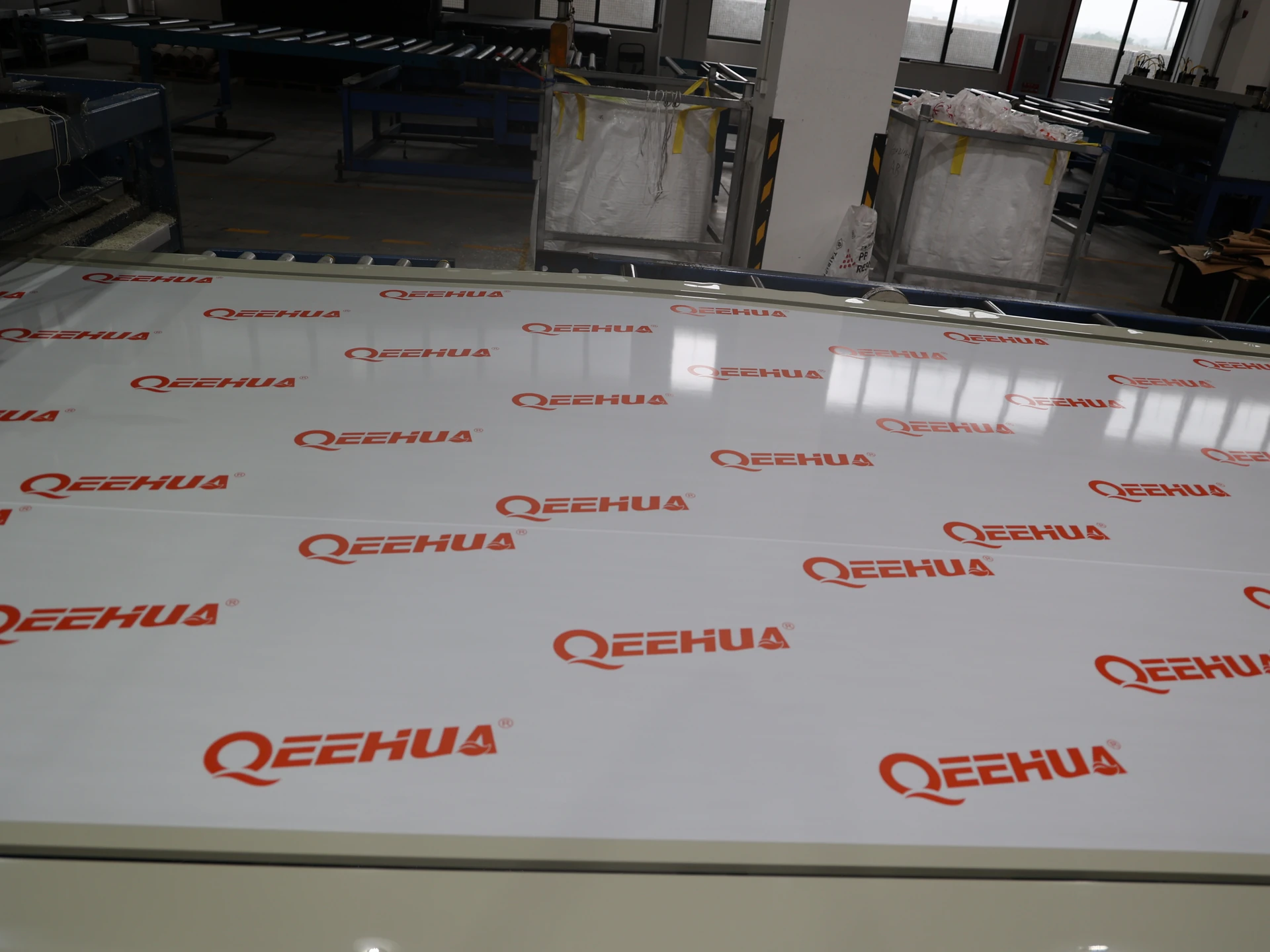
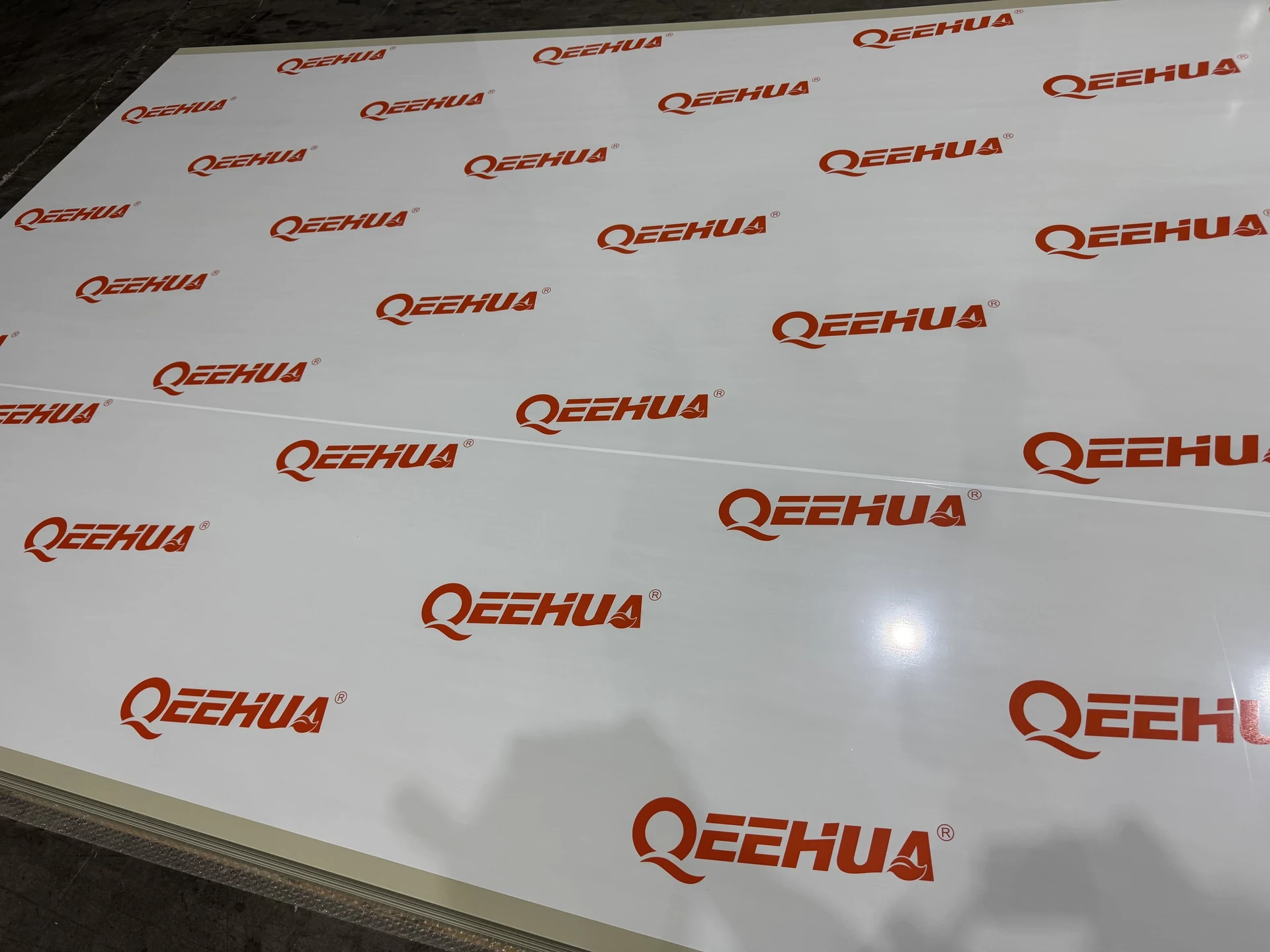
The QEEHUA PP sheet range is a starting point for identifying the material request. For environmental equipment context, see the PP sheet applications page. The drawing and operating cycle still determine the fatigue question for each part.
Separate fatigue and creep
Fatigue concerns accumulated response over repeated cycles. Creep concerns deformation that grows over time while a load remains in place. A single tensile-strength result describes the specimen at a point in one test. None of those measurements can stand in for the others because their loading histories differ.
This distinction matters when a sheet both stays loaded and moves. For example, a guide may carry a steady contact force while the attached panel flexes during each opening. A sustained-load test can describe time-dependent movement under the held force, while a cyclic test can examine change during repeated motion. If the design concern includes both, the project may need both questions answered.
Research on polypropylene reports different fatigue behavior under different loading modes. A 1995 study compared uniaxial tensile fatigue and three-point bending fatigue in PP specimens and observed different fracture modes. That finding is specific to the tested specimens and stress states. It does not establish a fatigue life for a QEEHUA sheet or a finished part.
Describe the cycle
The test request should state how the load changes from one part of a cycle to the next. Record whether the sheet is bent in one direction or alternates direction, how far it moves, where the support contacts it, how quickly the cycle repeats, and how long the test pauses. Include the specimen’s dimensions, cut direction, and surface preparation so another test can use the same setup.
Use those details to define a PP sheet fatigue test that represents the motion shown on the project drawing.
| Record field | What to document | Unit or format | Why it affects the comparison |
|---|---|---|---|
| Load direction | One-way bending or reversing flex; identify the face under tension | Sketch or direction note | Reversing the bend changes which side of the specimen is stretched |
| Cycle size | Applied force, deflection, or strain range and the point of measurement | N, mm, or % as selected | Different cycle amplitudes create different test duties |
| Cycle timing | Waveform, rate, frequency, and any dwell at load | Hz or cycle schedule | Rate and dwell change how the specimen experiences repeated motion |
| Fixture and specimen | Support arrangement, span, dimensions, cut direction, and edge condition | Drawing and measured units | A fixture can change contact, slipping, and bending response |
| Environment | Test temperature and any liquid, dust, or other contact condition | °C and a written condition | Environment can affect the result and its relevance to service |
This table is a test-planning record, not QEEHUA fatigue data. Select the conditions and measurement units with the responsible engineer and laboratory.
Select the endpoint
“Fatigue life” needs a stated endpoint. It might mean the cycle when a crack appears, when a specimen separates, or when stiffness or deflection changes by an agreed amount. A test that stops at a different endpoint produces a different result even when the cycle is similar. State in advance what change counts as failure and how the lab will observe it.
A 2025 reversed-bending study used injection-moulded PP specimens. Its unreinforced PP pieces did not fracture under the chosen setup, so the authors defined their fatigue endpoint as a preset increase in beam deflection. That criterion belonged to their material, fixture, and experiment. It is not a universal PP threshold or a QEEHUA acceptance limit. The study also compared support and contact configurations, showing why the fixture needs to be included in the report. Read the study on reversed three-point bending fatigue tests for the specific methods and endpoint.
When a specimen bends repeatedly, inspect more than the final surface. A crack may start at a notch, cut edge, or contact point. A gradual increase in deflection can signal loss of stiffness before the specimen breaks. Record the inspection interval and measurement method, then keep observations tied to the cycle count. Do not use a photographic inspection alone if the project needs a numerical acceptance rule.
Relate tests to the assembly
A specimen test cannot reproduce a full assembly unless the test piece and fixture include the features that control movement. A fabricated guide or cover may include fasteners, welds, openings, supports, and contact with another component. Those features can change where the sheet bends and how the load enters it. Review the drawing and actual movement before deciding that a material coupon answers the complete design question.
If the part’s weld or edge controls the result, consider whether a representative fabricated sample is needed. If the assembly’s supports or motion path controls flex, record those in the test plan or have the responsible engineer evaluate the assembly. The PP sheet data-sheet guide helps distinguish a reported specimen property from a product limit. The surface-defect guide covers visible damage that may need review before a part is fabricated.
For a sample or technical inquiry, send the drawing and the repeated-motion description through the QEEHUA contact page. Include the motion range, cycle direction, support and contact points, and the change that would make the part unacceptable. Ask which grade and evidence apply to the quoted sheet. Do not turn a research paper’s cycle count or a tensile result into a service-life claim.
Frequently asked questions
Can tensile strength predict how many times a PP sheet can flex?
No. Tensile strength is a one-time test result. A fatigue test needs a repeated load or deflection, a defined cycle, and an agreed endpoint.
Is creep the same as fatigue?
No. Creep measures deformation under a sustained load. Fatigue concerns the change in response under repeated loading and unloading.
Does a coupon test predict the life of a welded PP assembly?
Not by itself. The coupon does not reproduce every weld, support, opening, contact point, or motion path. The project must decide whether a representative part test or a separate assembly review is needed.
Sources and scope
The J-STAGE paper “Fatigue Fracture of Polypropylene” compares two loading modes and reports different fracture behavior for its tested PP specimens. The 2025 Springer paper “Improving Reversed Three-Point Bending Tests for Characterising the Fatigue Life of Polymers” examines injection-moulded PP and a specific reversed-bending fixture. These studies support the need to state the specimen, supports, cycle, and endpoint. Their results do not describe QEEHUA sheet.
This article does not give a QEEHUA fatigue result, cycle-life value, load rating, or assembly approval. The project team must define the actual motion and acceptance rule before requesting material evidence or testing a fabricated part.