PP sheet can be evaluated for fabricated panels, cabinetry, and suitable components in laboratory fume hoods and chemical workstations. The material decision should follow the chemical service, temperature, static-control needs, fabrication method, local requirements, and the complete hood design-not replace them.
Short answer: PP sheet for laboratory fume hoods
PP sheet for laboratory fume hoods should be reviewed against the actual chemicals, ventilation design, fabrication method, and the laboratory process before a material decision is made.
Short answer: PP sheet for laboratory fume hoods
PP sheet for laboratory fume hoods should be reviewed against the actual chemicals, ventilation design, fabrication method, and the laboratory process before a material decision is made.
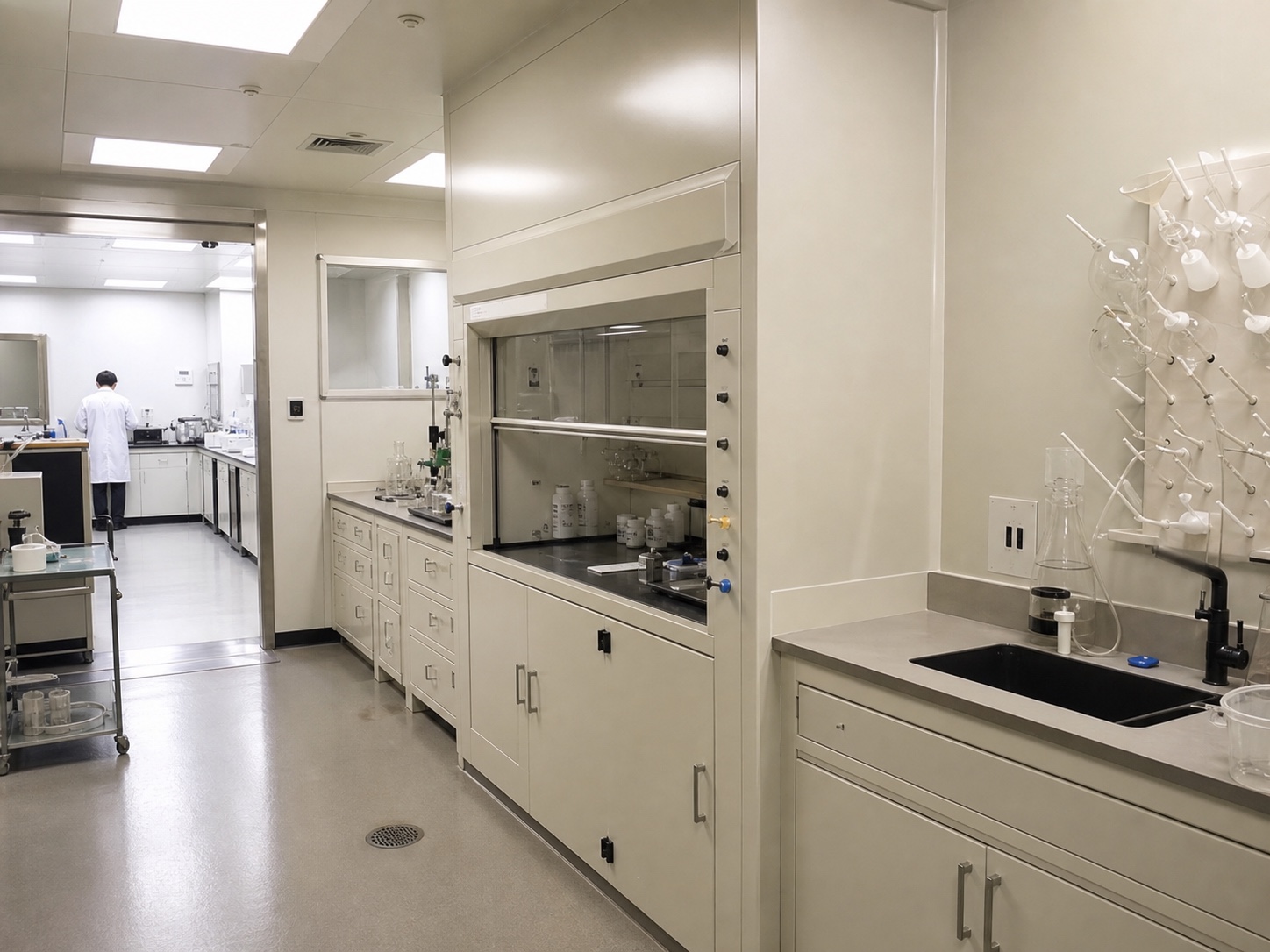
A fume hood is an engineering control, not simply an enclosure. OSHA’s Laboratory Standard defines a laboratory-type hood as an enclosure that is constructed and maintained to draw air from the laboratory and prevent or minimize the escape of air contaminants. That makes airflow, sash use, exhaust design, inspection, and safe work practices part of the system decision alongside the material used for fabricated components.
Start with the laboratory process, not a material label
Begin by mapping what happens inside the hood or workstation: the chemicals used, their concentration and temperature, the frequency of exposure, splash or spill paths, expected cleaning agents, and the parts that need to be fabricated. This creates a practical brief for the material review.
For hazardous chemical work, the hood itself must be operated and maintained correctly. OSHA’s Chemical Fume Hoods Quick Facts emphasizes checking operation and airflow, keeping baffles clear, and using the sash at its indicated operating level. These are operational requirements, not properties supplied by a sheet material.
Where PP sheet can fit in a laboratory equipment review
For a project that needs fabricated plastic panels, cabinets, liners, or ancillary chemical-workstation components, begin with the relevant QEEHUA PP Sheets information and compare it with the verified process requirements. The next check is whether a standard grade, a modified option, or another material is appropriate for the intended service.
The application context also matters. A laboratory clean-room project may involve different contamination-control, cleaning, grounding, documentation, or fabrication requirements from a general chemical workstation. Use the existing PP Sheets Lab Clean Rooms page as an application reference, then document the project-specific constraints separately.
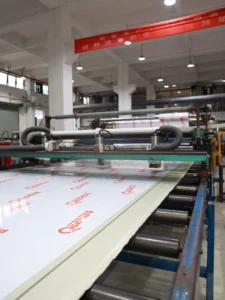
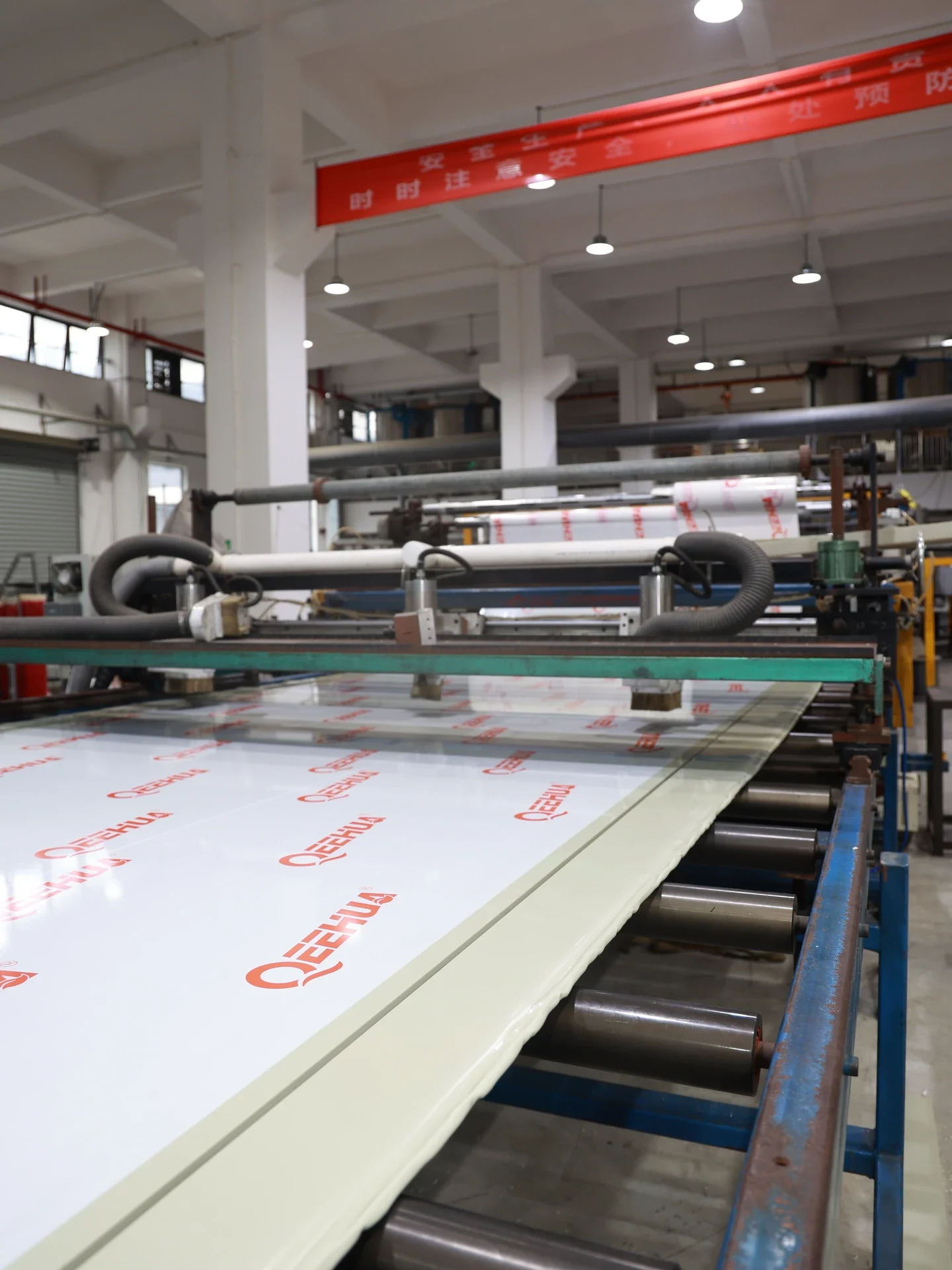
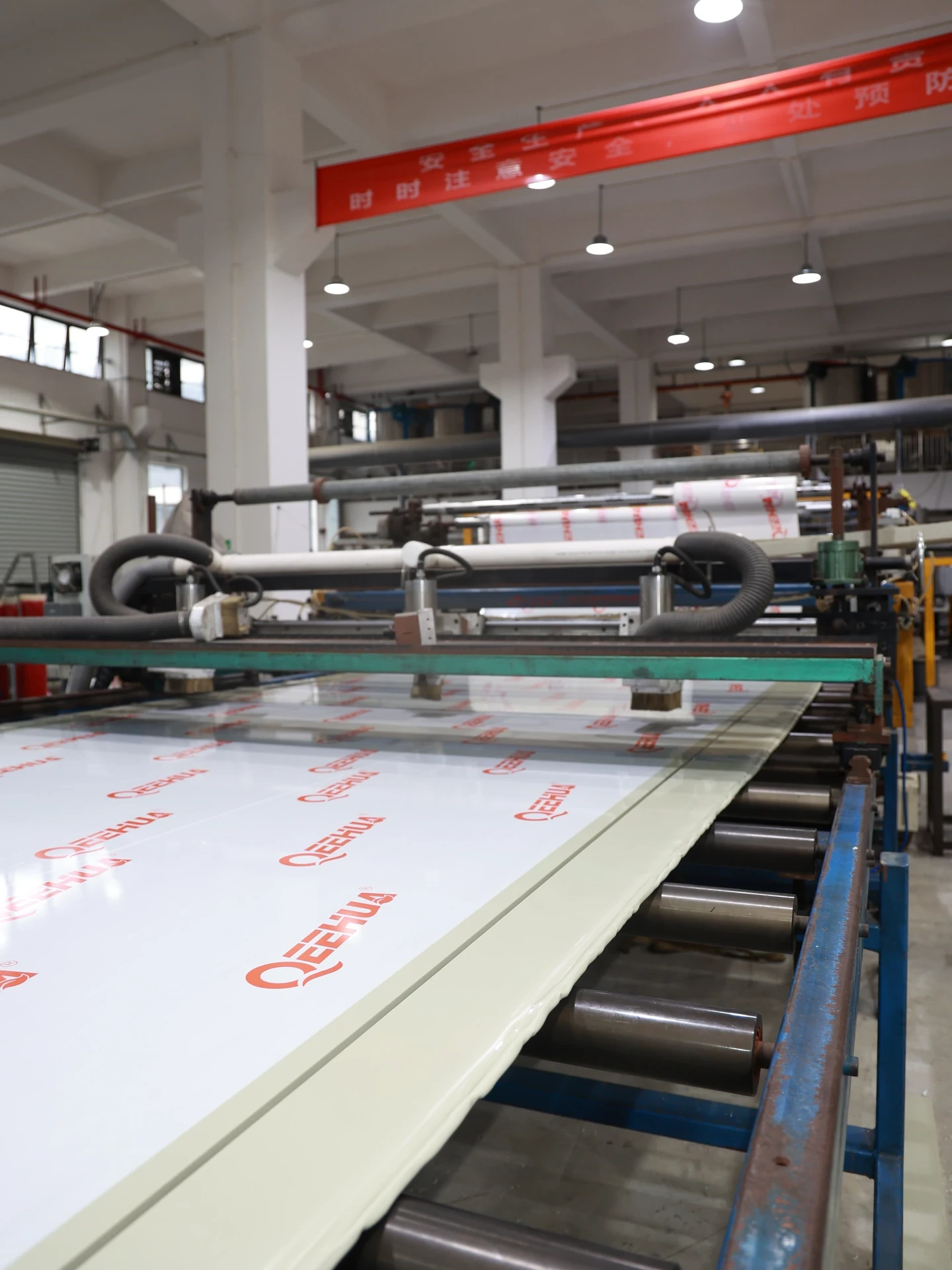
The following production reference provides product-level context for PP sheet use in chemical-industry equipment. It does not establish fume-hood safety or material suitability for a specific laboratory project.
Video reference: Behind the Scenes: QEEHUA’s Premium PP Sheet Production. It provides general PP sheet manufacturing context; it does not establish fume-hood safety or suitability for a specific laboratory project.
A practical PP sheet selection checklist
- Define the exposure: list chemicals, concentrations, operating temperatures, cleaning agents, and the expected contact time.
- Map the component: distinguish splash panels, cabinets, liners, duct-connected elements, work surfaces, and structural elements. They may not require the same review.
- Confirm functional constraints: identify static-control, fire-performance, hygiene, cleanability, visibility, grounding, or local-code requirements before selecting a grade.
- Plan fabrication details: include joint geometry, access for inspection, support method, thermal movement, drainage, and interfaces with non-PP components.
- Keep hood performance separate: verify the hood’s airflow, sash, exhaust, alarms, commissioning, and maintenance through the responsible equipment and safety process.
Do not turn a material review into a safety claim
Material selection can help define a workable fabrication route, but it cannot by itself demonstrate that a hood controls exposure. OSHA’s laboratory standard requires protective equipment such as fume hoods to be maintained and function properly when used. The laboratory’s chemical hygiene process, equipment supplier, designer, and responsible safety team should determine the applicable acceptance and maintenance requirements.
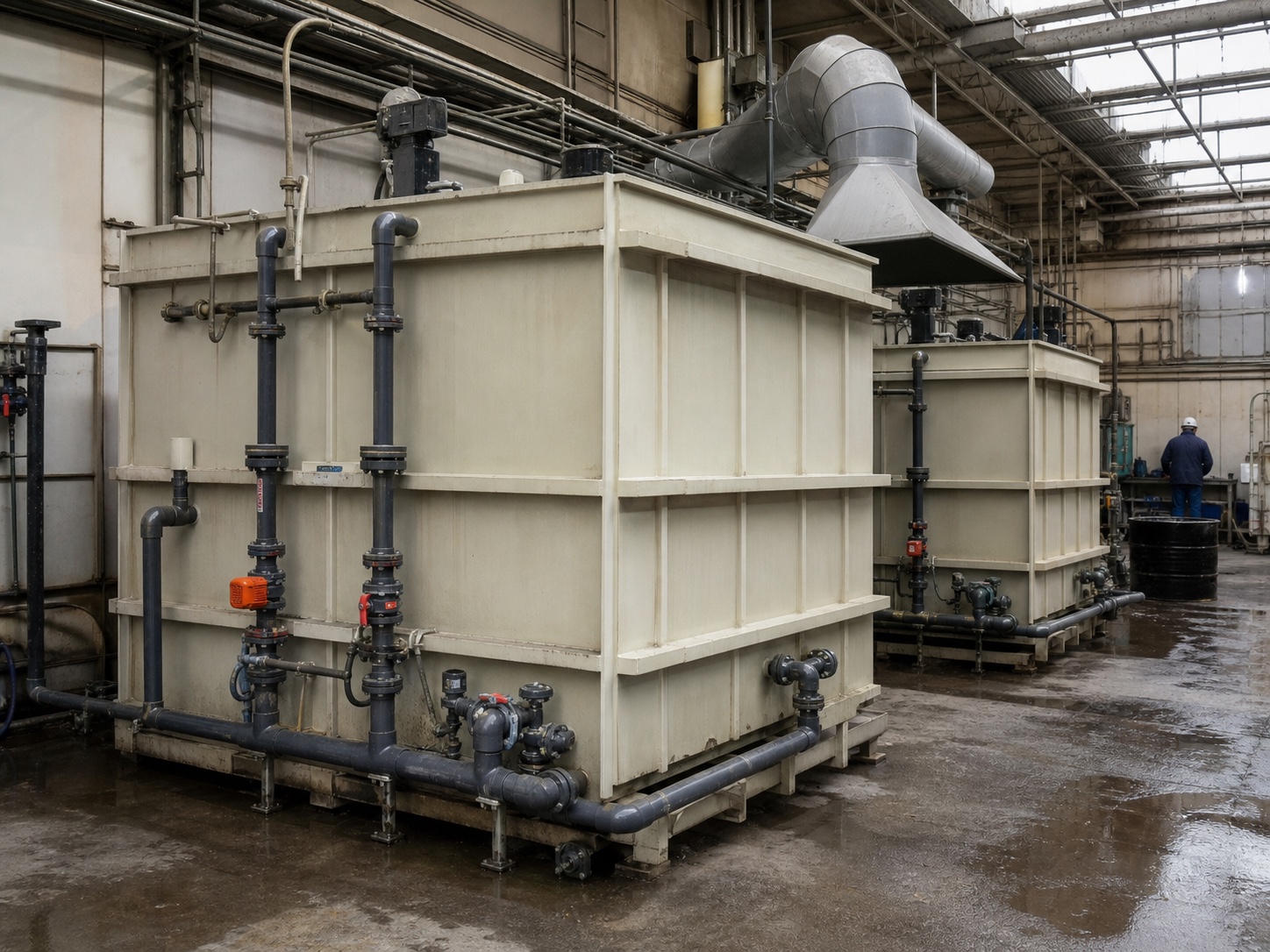
When a project needs special functionality, review the available Modified PP Sheets options against verified project data rather than assuming that a general PP sheet will meet every requirement.
What to include in a request for quotation
A useful RFQ gives the fabricator enough information to identify gaps early. Include the intended component, drawings or dimensions, process chemicals and operating conditions, material thickness or stiffness requirements when specified by the project, colour or surface requirements, joining details, quantity, target delivery location, and the records the project needs. Also identify which party is responsible for hood airflow design, commissioning, and compliance documentation.
For laboratory fume hoods, the most useful result is a documented decision: which component is being fabricated, which process conditions it will see, which PP sheet information was reviewed, and which safety or engineering checks remain outside the material scope.
Frequently asked questions
Can PP sheet be used in laboratory fume hood construction?
PP sheet can be evaluated for fabricated panels, cabinetry, and suitable components when verified material information aligns with the chemical service and project requirements. The final decision must also consider temperature, static control, fire requirements, joining method, and the complete hood design.
Does selecting PP sheet make a fume hood safe?
No. A sheet material does not establish hood safety or airflow performance. The hood must be designed, operated, maintained, and verified as a complete engineering control for the laboratory process.
What information should a laboratory fume hood PP sheet RFQ include?
Include the component or drawing, process chemicals, concentration, operating temperature, cleaning agents, exposure conditions, functional requirements, fabrication details, quantity, delivery location, and the documentation required by the project.
Discuss the fabrication scope before specifying the material
Share the equipment drawing, chemical-service brief, and project requirements so the material and fabrication scope can be reviewed against the intended application.