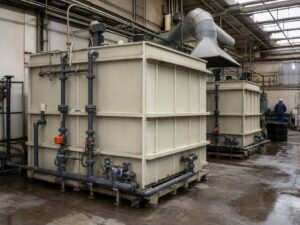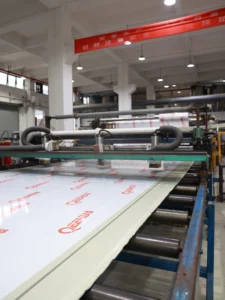
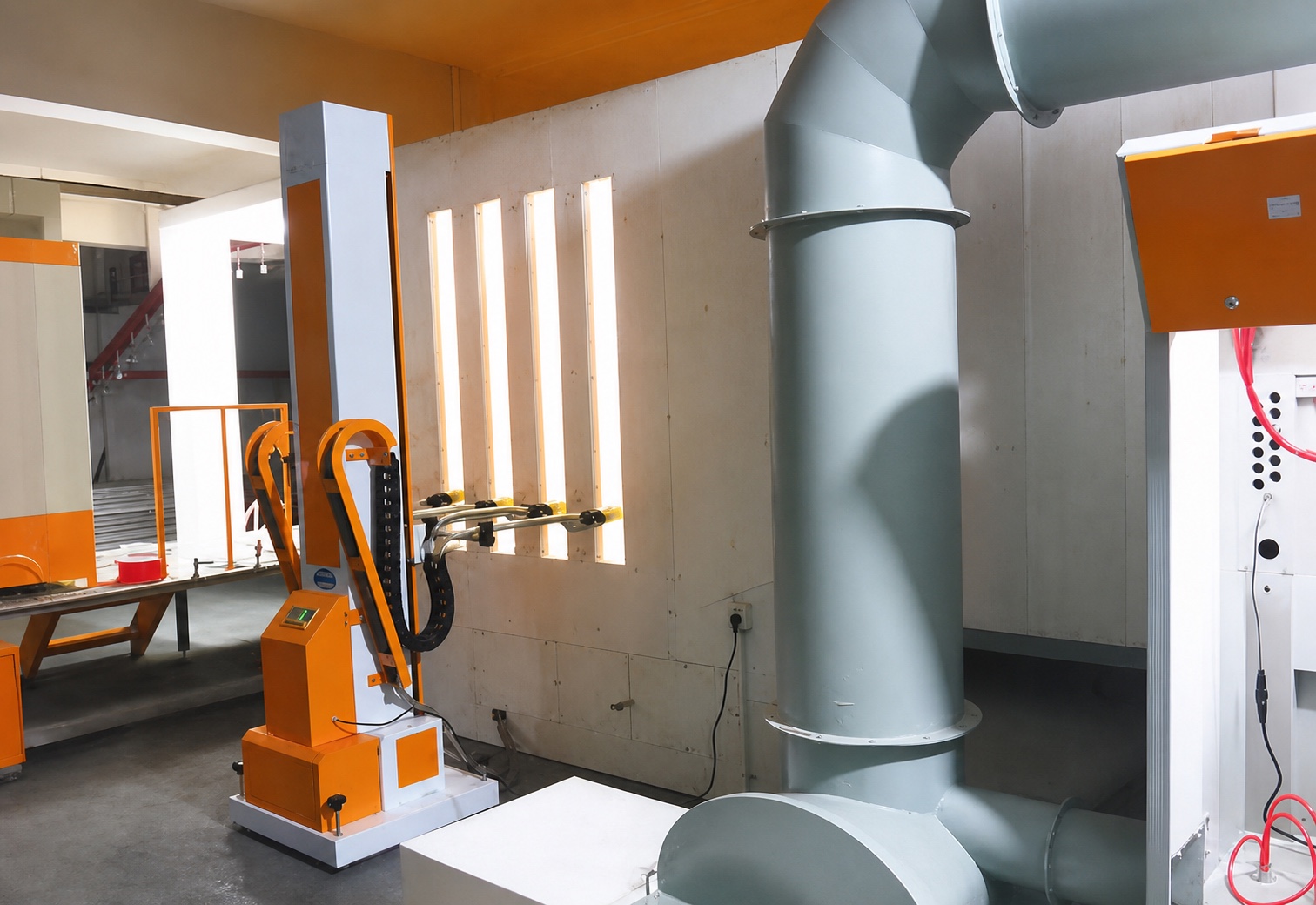
PP sheet can be considered for fabricated access panels, inspection covers, protective cladding, and suitable auxiliary parts in chemical exhaust ductwork. The material decision must follow the actual air stream, chemical exposure, temperature, fabrication method, support design, and the complete ventilation-system requirements.
Short answer: PP sheet for chemical exhaust ductwork
PP sheet for chemical exhaust ductwork should be evaluated with the exhaust stream, component role, joint design, support conditions, and applicable ventilation requirements.
Chemical exhaust ductwork is part of an engineering control, not simply a collection of panels. OSHA’s ventilation standard addresses ventilation requirements for specified industrial operations. The responsible system designer must determine airflow, capture, discharge, inspection, and regulatory requirements; selecting a sheet material does not establish system performance.
Start with the exhaust stream and component role
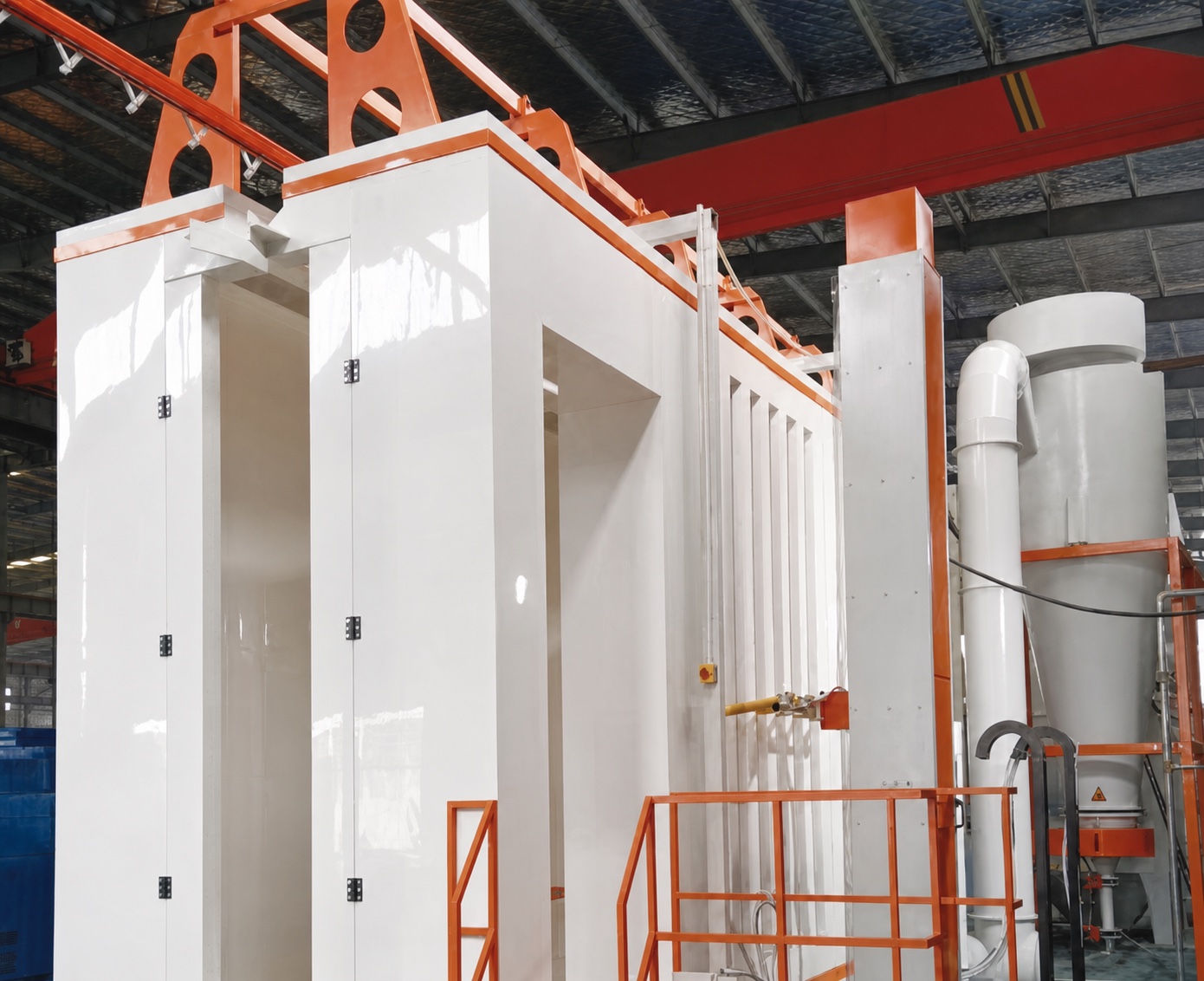
Define what each part must do before naming a grade or thickness. A removable inspection cover, an access panel around a damper, a protective enclosure, and a permanently joined duct component can face different loads, joint details, maintenance intervals, and exposure paths. Record the chemicals, concentration or mixture, operating temperature, moisture or condensate, expected deposits, cleaning method, pressure condition, and the location of each component.
For project context, review QEEHUA’s PP Sheets for Waste Gas Treatment page alongside the relevant duct design documents. It helps establish the intended application category, while the equipment engineer remains responsible for deciding whether the material and the fabrication details are suitable for the specific duty.
Separate sheet selection from ventilation-system approval
- Map exposure zones: distinguish dry duct sections, condensate-prone points, wash-down areas, access openings, and interfaces with other materials.
- Define the part: identify whether the request is for a removable panel, inspection door, cover, reinforcement, liner, or a welded assembly.
- Confirm fabrication constraints: include joint geometry, fasteners, sealing interfaces, supports, thermal movement, access frequency, and inspection clearance.
- Keep system checks separate: have the responsible team verify airflow, pressure, capture, discharge, fire protection, controls, and compliance requirements for the complete installation.
Begin the material review with the available QEEHUA PP Sheets information. When a project calls for a functional modification, document the required performance first and then discuss the relevant Modified PP Sheets option with QEEHUA rather than assuming a standard sheet will meet every condition.
What to put in a ductwork component RFQ
A useful request gives the fabricator enough information to identify missing assumptions. Include the component drawings or dimensions, the duct or enclosure location, process media, temperatures, condensate or cleaning exposure, pressure conditions where relevant, preferred access method, required joints and hardware, quantity, delivery location, and the party responsible for final system design. If the component connects to a scrubber or related equipment, identify the interface and the inspection requirement.
For a related process-equipment reference, see PP Sheet for Wet Scrubbers: Material and Fabrication Checks. It should not be used as a substitute for the ductwork design brief, because a scrubber enclosure and a chemical exhaust duct component may operate under different conditions.
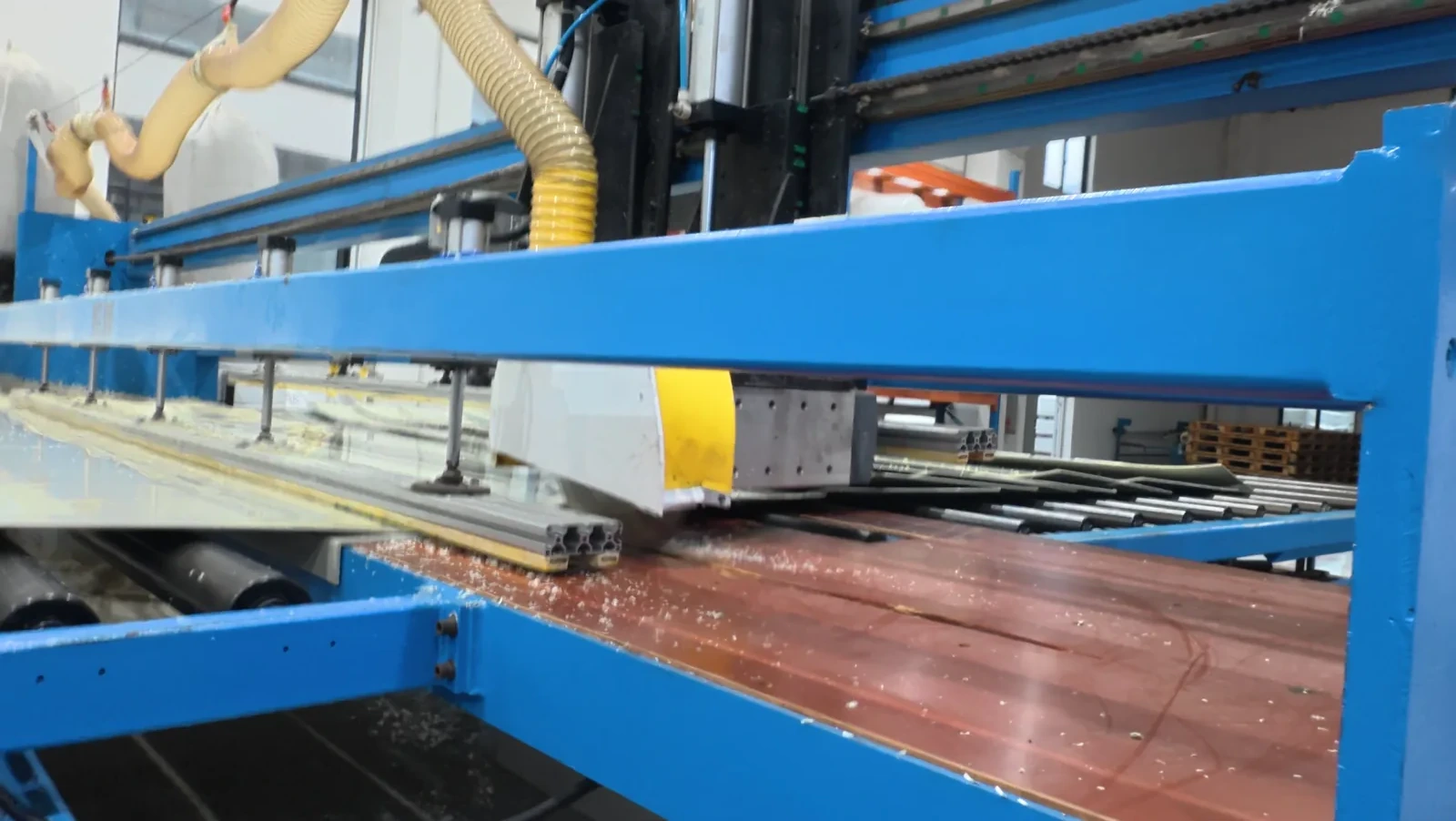
Video: fabrication context for PP sheet components
The following playlist video shows a PP sheet cutting process that can be relevant when planning fabricated panel components. It is a production reference only and does not demonstrate chemical exhaust ductwork design, chemical compatibility, or ventilation-system approval.
Video reference: PP Sheet Cutting Process: Precision Edge Cutting | QEEHUA. It provides general panel-edge preparation context; it does not demonstrate exhaust-duct design, chemical compatibility, or ventilation-system approval.
How to make the review more useful
Ask one party to own the complete ventilation design and keep that decision record separate from the material request. Then use the sheet enquiry to resolve component-level questions: which surfaces contact the process, what must be removable, how will joints be made, what must be inspected, and where a different material or construction review is needed. This division prevents a generic material statement from being mistaken for a system safety approval.
Frequently asked questions
Can PP sheet alone confirm that chemical exhaust ductwork is safe?
No. A sheet material review does not confirm airflow, capture, discharge, pressure, controls, inspection, or regulatory compliance. The responsible system designer must verify the complete ventilation system.
What information should be supplied for a PP ductwork access-panel request?
Provide the drawing or dimensions, component location, chemicals and operating conditions, condensate or cleaning exposure, joint and access requirements, quantity, and the system interface details.
When should a modified PP sheet be reviewed?
Review a modified option when the documented project conditions identify a functional requirement beyond the scope of a standard material discussion. Confirm the requirement and the specific project data with QEEHUA before selection.
Prepare a clearer chemical-exhaust component enquiry
Send the intended component, drawing, service conditions, quantity, and delivery location so QEEHUA can review the request against the available PP sheet options.