PP sheet thermal expansion gaps should be specified from the actual panel length, temperature range, support layout, and restraint points—not from a generic gap value. For a large tank or duct, define the reference temperature, use the selected grade’s coefficient of linear thermal expansion, identify fixed and guided points, and show how movement is absorbed at joints, penetrations, supports, and connections.
PP sheet thermal expansion gaps start with the temperature and restraint map
A thermal expansion review begins by describing where the PP assembly is free to move and where it is restrained. A chemical tank may see ambient changes, warm process liquid, rinse cycles, and shutdown cooling. A PP exhaust duct may see warm vapour, solar heating, negative pressure, fan vibration, and movement at equipment connections. These conditions create different movement paths even when the sheet grade is the same.
Record the installation or reference temperature, normal and maximum process temperatures, cleaning or upset temperatures, the longest continuous panel or duct run, and every fixed connection. Include flanges, nozzles, inspection doors, support frames, liners, penetrations, and transitions to metal or other plastics. A gap that looks generous on a free edge can disappear when the same panel is trapped by a flange or a stiffener.
Use the selected grade data instead of a universal PP number
The movement calculation uses the coefficient of linear thermal expansion, α, for the actual material. A manufacturer data sheet for extruded PP-C sheets reports a coefficient measured to ISO 7991 of 15 × 10−5/K; this is an illustrative industry value, not a QEEHUA design value or a substitute for the selected sheet’s documentation. Polymer family, copolymer content, orientation, reinforcement, temperature, and test method can change the value.
For that reason, the purchase specification should request the full material designation and the applicable technical data sheet. Keep the coefficient, test method, temperature range, and assumptions in the calculation record. The PP sheet technical data sheet is useful as a reference for the calculation method and test reporting, but it does not approve a QEEHUA grade.
| Input to record | What to define | Why it changes the gap decision |
|---|---|---|
| Material | Exact PP grade, formulation, sheet orientation, thickness, and supplier data | Thermal movement and stiffness are grade- and product-specific. |
| Length | Longest free or restrained dimension between movement points | Movement increases with the active length. |
| Temperature | Reference, normal, maximum, cleaning, startup, and shutdown temperatures | The design temperature difference controls the calculated movement. |
| Restraint | Anchors, guides, stiffeners, flanges, penetrations, and dissimilar-material connections | Restraint can turn free movement into stress, buckling, or weld loading. |
| Acceptance | Permitted clearance, alignment, leakage, deformation, and inspection method | A gap is only useful if the finished assembly can be checked and accepted. |
Show the calculation and its limits in the RFQ
Use ΔL = α × L × ΔT to estimate one-dimensional movement. For example, if an illustrative coefficient of 1.5 × 10⁻⁴/K is applied to a 3 m panel over a 20°C change, the calculated free movement is approximately 9 mm. This example is for explaining the method only; replace the coefficient and temperature range with the approved project values before releasing a drawing.
An RFQ for PP sheet thermal expansion gaps should show whether the stated clearance is total movement, movement per side, or a nominal fabrication allowance. State the reference temperature at which dimensions are measured and whether the dimension applies before or after welding, lining, machining, or installation. Without that wording, two parties can both claim to meet a “5 mm gap” while measuring different conditions.
Asahi/America’s thermal expansion guidance for polypropylene piping explains why movement should be handled in the design stage with suitable loops, legs, guides, or other movement-control details. A tank or duct made from sheet is not identical to piping, but the design principle is transferable: provide a controlled movement path instead of forcing the material to absorb thermal strain at an arbitrary joint.
Separate free edges, sliding supports, and fixed points
Tank walls, covers, and liners
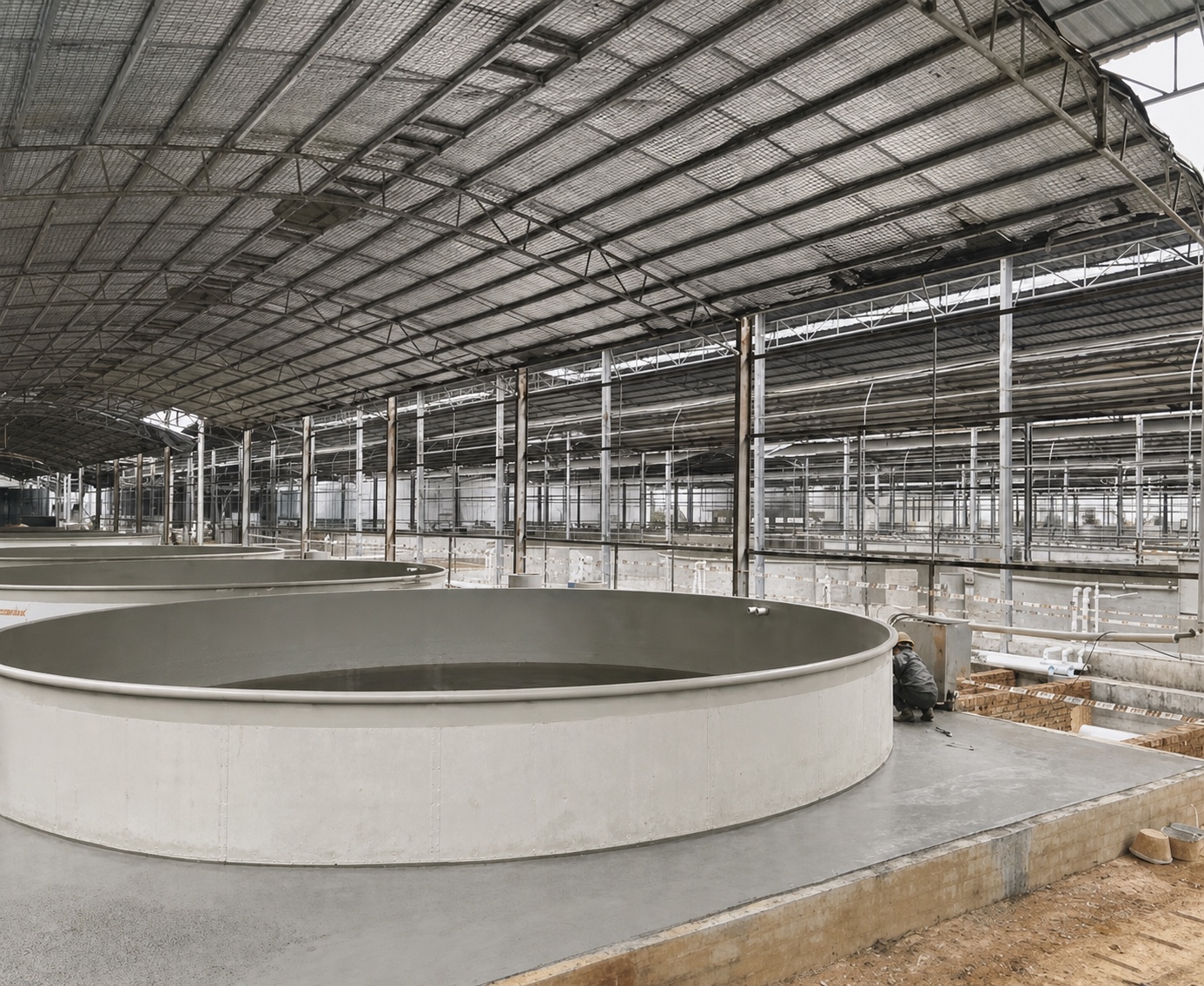
For a tank, identify whether the wall, cover, liner, and stiffening frame move together or independently. Avoid locking a flexible PP liner to a rigid steel frame at multiple points unless the interface was designed for differential movement. At nozzles and manways, check the opening reinforcement, gasket compression, bolt pattern, and the direction in which the sheet is expected to move.
Anchors should restrain the equipment where required without preventing the calculated expansion or flexure. A New York State Department of Environmental Conservation inspection guide warns that thermoplastic tank anchors should allow expansion and flexure because improperly installed anchors can initiate cracks. Use that plastic-tank inspection guidance as a risk reminder, not as a substitute for the project design code or fabricator’s calculation.
Ducts, elbows, and equipment connections
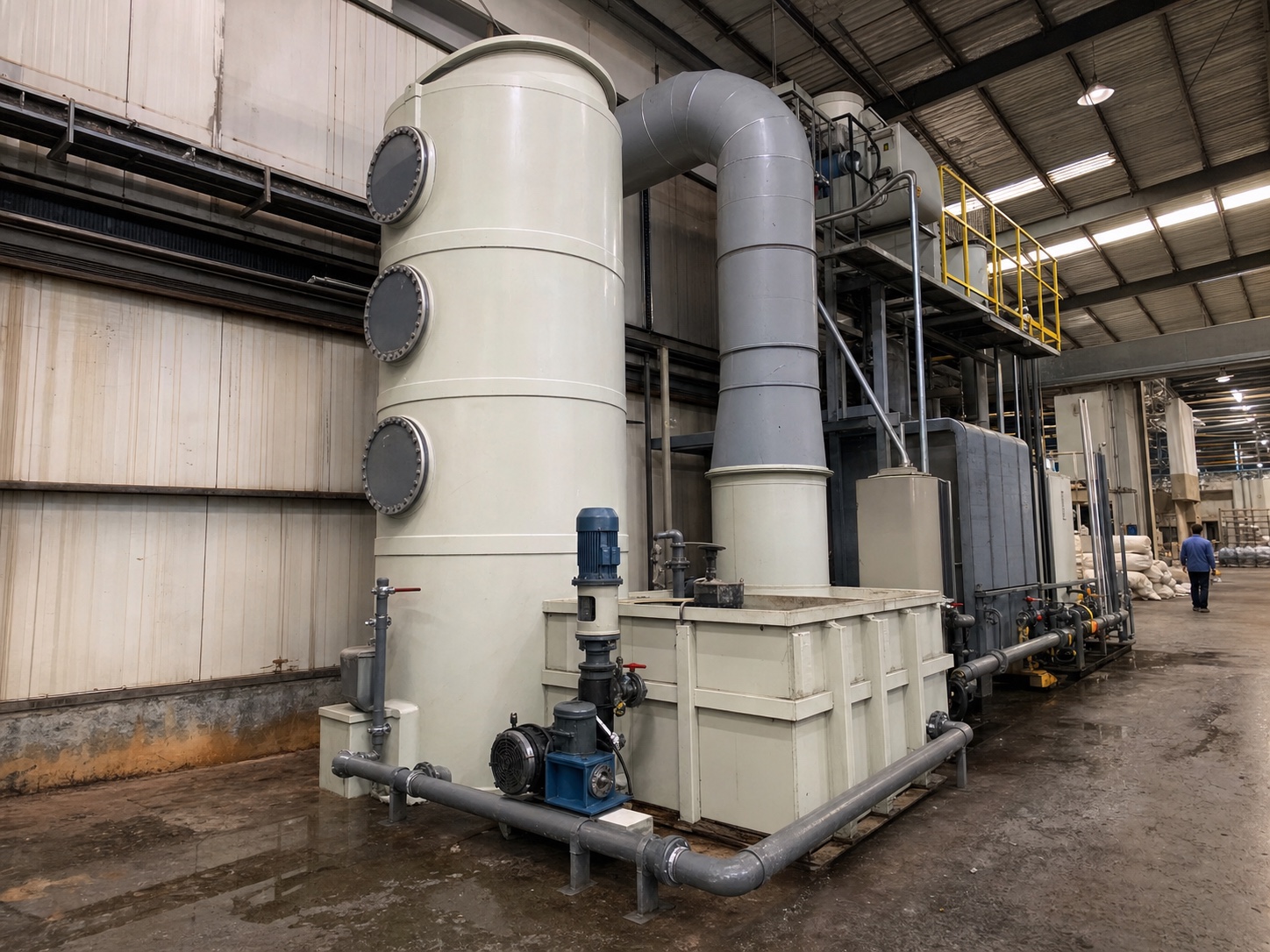
For PP ductwork, review straight-run length, support spacing, guide direction, elbows, branches, flanges, fan connections, and roof or wall penetrations. A long duct run may need a deliberate movement break or flexible connection so that thermal growth does not load a fan inlet, scrubber nozzle, or building penetration. The detail should preserve airflow, drainage, access, and leak-control requirements at the same time.
Coordinate thermal gaps with welding and fabrication
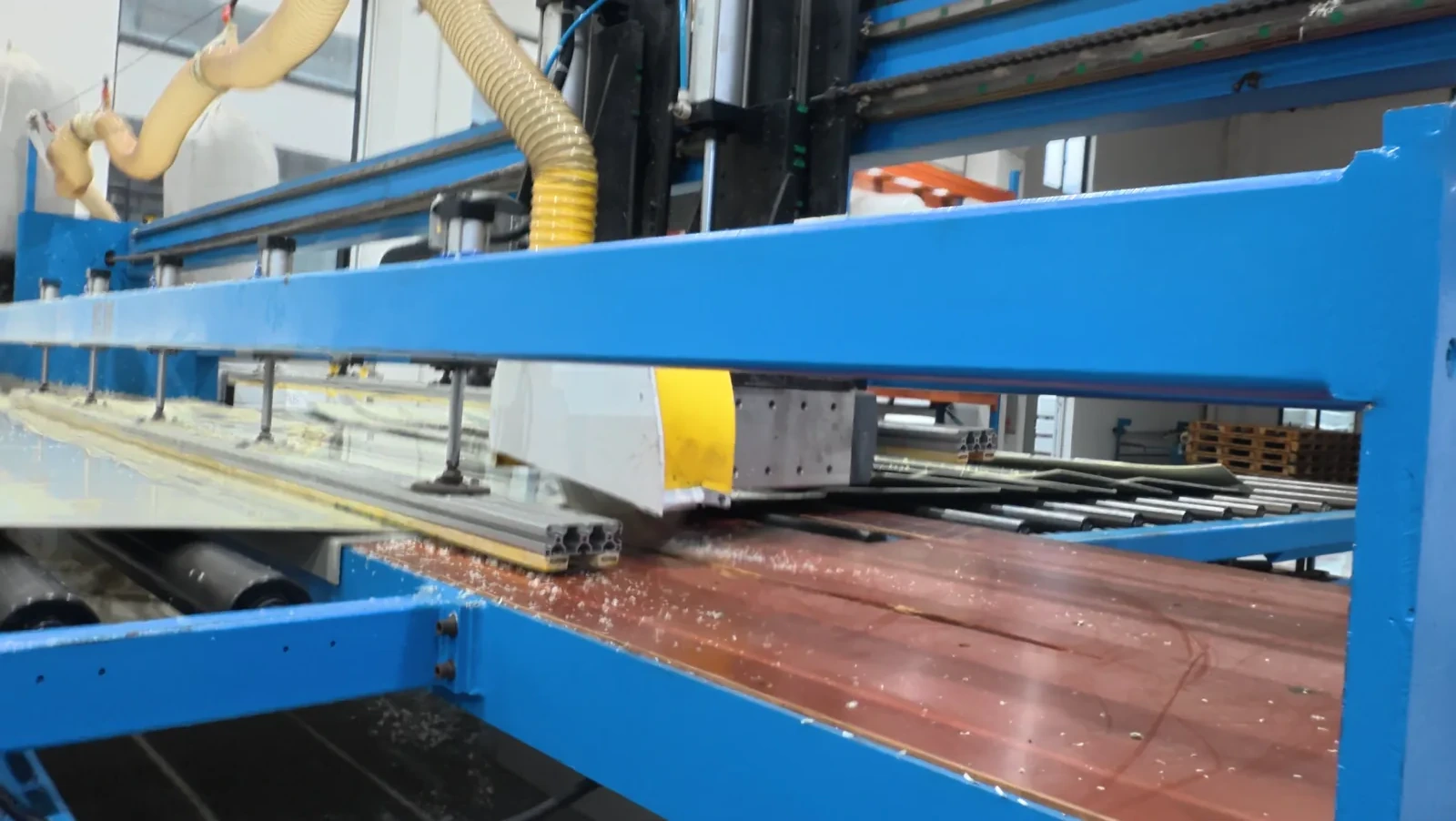
A gap is not an isolated drafting dimension. Welding sequence, heat input, fixture restraint, cooling, and post-weld inspection can change the as-built position of a panel. QEEHUA’s PP sheet use manual applies the practical rule “inspect first, process second”: confirm grade, thickness, flatness, edge condition, and service assumptions before choosing the process route.
- Confirm sheet flatness, thickness, and edge condition before cutting or welding. Do not hide a crack, deep scratch, or damaged edge inside a movement detail.
- Use compatible welding rod and a project-specific procedure. Avoid forcing a welded panel into alignment after cooling because a restrained weld can become the stress-sensitive point.
- Record the reference dimension before welding and the as-built dimension after cooling. If the gap is acceptance-critical, define the inspection tool, temperature, and measurement locations.
- Recheck penetrations and bolted interfaces after transport and installation. A support or clamp added in the field can unintentionally remove the intended clearance.
For related quality controls, review the PP sheet flatness and warpage guide and the PP sheet data-sheet and fabrication review guide. These pages help connect the thermal calculation to the material record, panel condition, and fabrication evidence.
Write a practical thermal-expansion section into the purchase specification
A clear specification does not need to prescribe one universal gap. It should define the design responsibility and the evidence required before release.
- State the service envelope: medium, concentration, normal and maximum temperatures, cleaning cycle, ambient range, and exposure time.
- Identify movement dimensions: panel or duct length, reference temperature, coefficient source, calculated movement, and direction of movement.
- Map restraint: fixed points, guides, sliding supports, flexible connections, flanges, penetrations, stiffeners, and dissimilar-material interfaces.
- Define fabrication conditions: welding method, cooling condition, measurement temperature, dimensional tolerances, and whether the gap is checked before or after installation.
- Define acceptance evidence: calculation sheet, drawing revision, material data sheet, weld or leak-test record where relevant, and photographs or measurement records for critical clearances.
For a custom order, send the drawing, the longest continuous run, temperature cases, support and anchor details, connected equipment, and the required inspection record. QEEHUA can then review the proposed PP sheet and fabricated detail against the actual project requirement. Availability of a particular grade, thickness, dimension, or fabrication tolerance must be confirmed rather than assumed.
Related QEEHUA process video: the production overview below provides general context for how PP sheet consistency is controlled before fabrication. It does not establish a thermal-expansion coefficient, a tank design, or an approved movement gap.
Video reference: Behind the Scenes: QEEHUA’s Premium PP Sheet Production. It is a general production reference; the project-specific coefficient, support layout, and thermal movement acceptance criteria must come from the approved documents.
Frequently asked questions
How do I calculate PP sheet thermal expansion gaps?
Use ΔL = α × L × ΔT with the coefficient for the actual PP grade, the active length, and the design temperature change. Convert the calculated movement into a controlled clearance or movement detail, then verify it against supports, welds, penetrations, and the project acceptance requirement.
Can I use one expansion-gap value for every PP tank?
No. Gap requirements depend on grade, thickness, panel length, temperature range, restraint, support design, welded geometry, and connected equipment. A value from another tank or supplier should be treated as a reference only until the current design is checked.
Where should PP ductwork movement be allowed?
Review long straight runs, guides, fixed supports, elbows, branches, flanges, fan connections, scrubber nozzles, and building penetrations. The movement path should prevent thermal growth from loading a connection while maintaining airflow, drainage, access, and leak-control requirements.
What should a thermal-expansion RFQ include?
Include the selected grade, coefficient source, reference temperature, temperature cases, active length, calculated movement, fixed and sliding points, support details, expansion joint or flexible connection, fabrication tolerances, inspection method, and the responsible party for final design approval.
Send the drawing revision, PP grade and thickness, longest panel or duct run, temperature cases, support and anchor details, connected equipment, and acceptance documents. Contact QEEHUA for a project-specific review.