For a chemical-equipment project, make a polypropylene vs HDPE decision against the same chemical, concentration, operating temperature, load, and joint method. The polymer names alone do not establish suitability. Begin with the part that will be made, then record normal operation, cleaning, start-up, and credible upset conditions. Ask each supplier for a named sheet grade and evidence that covers the relevant exposure. A QEEHUA data-sheet result belongs to its tested PP sample; it is not a measured result for HDPE or an approval of a complete tank. Send the drawing and the open material question before requesting a representative PP sample.
Polypropylene vs HDPE criteria
Polypropylene vs HDPE is a project comparison, not a contest between two unqualified material names. A sheet used as a removable splash guard may see brief contact with a cleaning liquid. A tank wall may see continuous contact, hydrostatic load, welded corners, and temperature changes. These parts need different evidence even if both are called chemical equipment.
Name the component, the sheet grade proposed for each material, and the decision the comparison must answer. A buyer may be trying to reduce weight, change a joint method, meet a chemical duty, or resolve an availability issue. Those are different questions. The source of an HDPE property must identify the actual HDPE grade. The QEEHUA PP result must be read with its tested-sample boundary.
Use the QEEHUA PP sheet range as the product starting point. The electroplating application page shows one equipment context, but neither page replaces the project drawing or a chemical review.
- Identify the part and whether the request covers raw sheet, a cut panel, or a fabricated assembly.
- Record the exact medium, concentration, exposure route, normal temperature, and maximum temperature.
- State the load, unsupported span, openings, supports, joint method, and inspection requirement.
Chemical and temperature duty
Chemical exposure is the first reason to insist on matching conditions. ASTM D543-20 describes chemical-resistance evaluation by reagent, concentration, contact duration, temperature, and applied stress. It also warns that a short test may not predict continuous service unless the test and end-use conditions are similar. A chart without those conditions is a screening aid, not a release decision.
Medium and concentration
List every liquid that can reach the component. Include process chemistry, rinse water, cleaning agents, and occasional spills separately. A concentration stated as a range should be checked at the condition that controls the design. If an ingredient or cleaning step is unknown, leave it as an open item rather than calling the whole system compatible with PP or HDPE.
QEEHUA’s PP chemical-resistance table can help screen listed media at its stated concentrations and temperatures. It does not evaluate a finished weld, flange, support, or complete vessel. The chemical compatibility review explains how to keep the exposure record attached to a component rather than to a broad material label.
Operating temperature
Write normal, peak, cleaning, and shutdown temperatures with their durations. Temperature can change the relevance of a chemical chart and the load response of a panel. A single room-temperature test cannot settle a hotter operating duty. Ask whether the supplier’s result was measured at the temperature and exposure duration relevant to this project.
The design review must also identify pressure, vacuum, liquid height, and support conditions. Those inputs affect the part even when the material remains chemically suitable. Do not convert a data-sheet heat result into a continuous service limit for a QEEHUA sheet or an HDPE sheet.
Mechanical and fabrication checks
Material properties measured on coupons are only one part of an equipment decision. The panel geometry, support layout, welded seam, penetrations, and inspection method determine what must be checked after fabrication. A change from HDPE to PP can require a new review of the joint and support details; retaining the old cut drawing does not validate a new material.
For a welded tank, confirm the sheet and welding rod grades, joint preparation, weld procedure, and agreed inspection point. For a cut cover, the controlling issues may instead be usable dimensions, flatness, mounting holes, and thermal movement. Keep these as separate acceptance questions. A supplier should not be asked to certify the complete equipment from one flat-sheet data table.
The PP chemical-tank selection guide covers the tank-level questions. Complete the material comparison before releasing a drawing or purchase specification.
PP sample data in scope
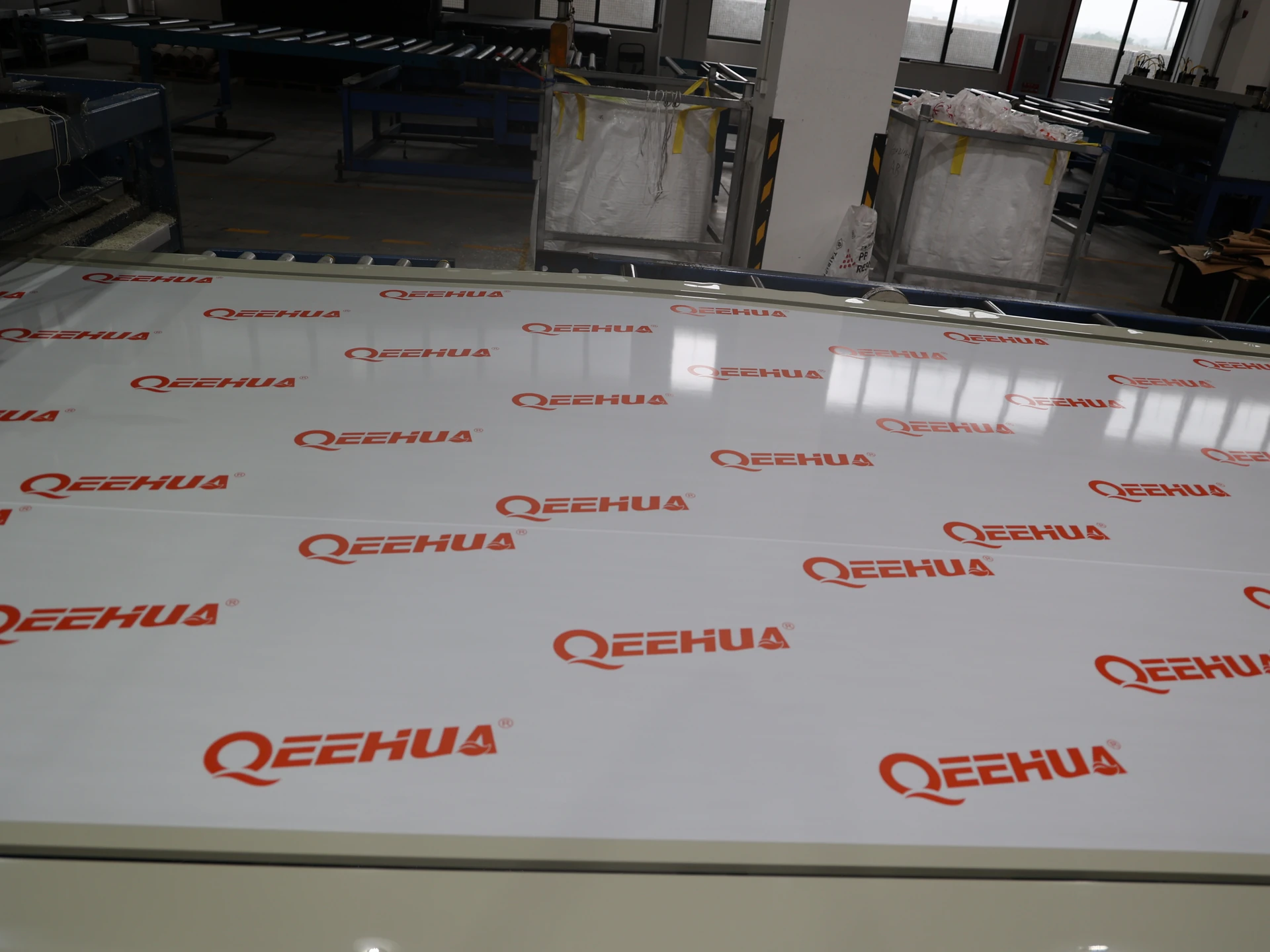
The QEEHUA data sheet reports tested-sample values for polypropylene board. It lists density at 912 kg/m³ under ASTM D792-20, tensile strength at 30 MPa under ASTM D638-22, and a flexural result at 1,870 MPa under ASTM D790-25. The sheet does not identify a saleable grade code for those results. These values can describe the sample record, but they cannot be placed opposite an unspecified HDPE value and treated as a controlled comparison.
| Decision factor | What the PP record can show | What must be matched for HDPE | Project question |
|---|---|---|---|
| Chemical contact | Listed PP screening entries with stated conditions | Named HDPE grade and the same reagent conditions | Does the evidence cover the actual liquid and contact duration? |
| Temperature | Tested-sample results with method and limits | Test conditions for the named grade | Are normal, peak, and cleaning temperatures covered? |
| Fabrication | Proposed PP sheet and joint details | HDPE sheet and joint details | Does the drawing specify the correct joining route? |
| Release file | Sample data and project review | Grade data, drawing, and inspection plan | What evidence closes the material decision? |
The table is a decision map, not a property ranking. The reported QEEHUA numbers belong to one tested sample. The HDPE column asks for comparable records instead of implying that a generic HDPE value exists for every product.

Compare supplier documents
For a polypropylene vs HDPE comparison, ask both suppliers to identify the exact material to be supplied. A trade name, grade code, thickness, color, and batch or order reference are more useful than a label that says only PP or HDPE. The data sheets should state methods and specimen conditions for properties that matter to the project. If one document reports a value without its method, it is not ready for a numerical comparison.
Record differences in scope. A resin pellet data sheet may not describe an extruded sheet. A flat sheet coupon may not describe a welded assembly. A chemical test on a short immersion sample may not cover continuous duty under load. Note the gap next to the claim rather than hiding all limitations in a final paragraph.
When the two suppliers use different methods, do not silently convert one result into the other. Request clarification or a common test basis. If the project requires a regulated approval or a specific certification, obtain the document for the actual grade and the actual use. A photograph of material or a general product catalog cannot establish that approval.
Sample request checklist
A useful sample request names the question the sample must answer. A flat piece can help review appearance, machining, or a planned test. A welded detail is more relevant when the open issue is a joint. The sample must be linked to the grade and the drawing revision that purchasing intends to order.
- Send the current drawing, part name, dimensions, and whether the request is for sheet or a fabricated detail.
- State each liquid, concentration, temperature, contact duration, load, and cleaning cycle.
- Ask for the material grade, available documents, sample form, and agreed acceptance check.
The contact and sample request page is the appropriate next step once those fields are assembled. QEEHUA can review a PP request against the provided duty; the request itself does not confirm availability, performance, or a final material choice.
FAQ and sources
Can PP replace HDPE in the same chemical tank?
Only after the exact chemical duty, temperature, load, geometry, joining method, and grade-specific evidence are reviewed for the new material. The existing HDPE drawing is not a PP approval.
Is one chemical-resistance chart enough to select a sheet?
No. A chart is a preliminary screen for its listed medium and conditions. The finished part also needs a review of concentration, temperature, stress, joints, and the project’s acceptance requirements.
What should accompany a PP sample request?
Send the current drawing, named component, proposed grade if known, chemical and temperature duty, loads, fabrication route, and the specific question the sample must answer.
Source for the general chemical-test discussion: ASTM D543-20, Standard Practices for Evaluating the Resistance of Plastics to Chemical Reagents. QEEHUA sample numbers come from its June 15, 2026 polypropylene-board data sheet and are kept within that sample’s scope.