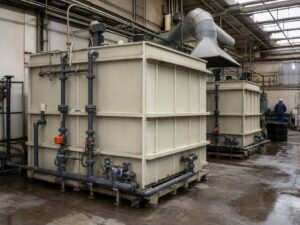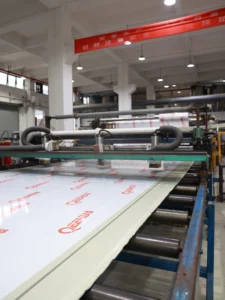
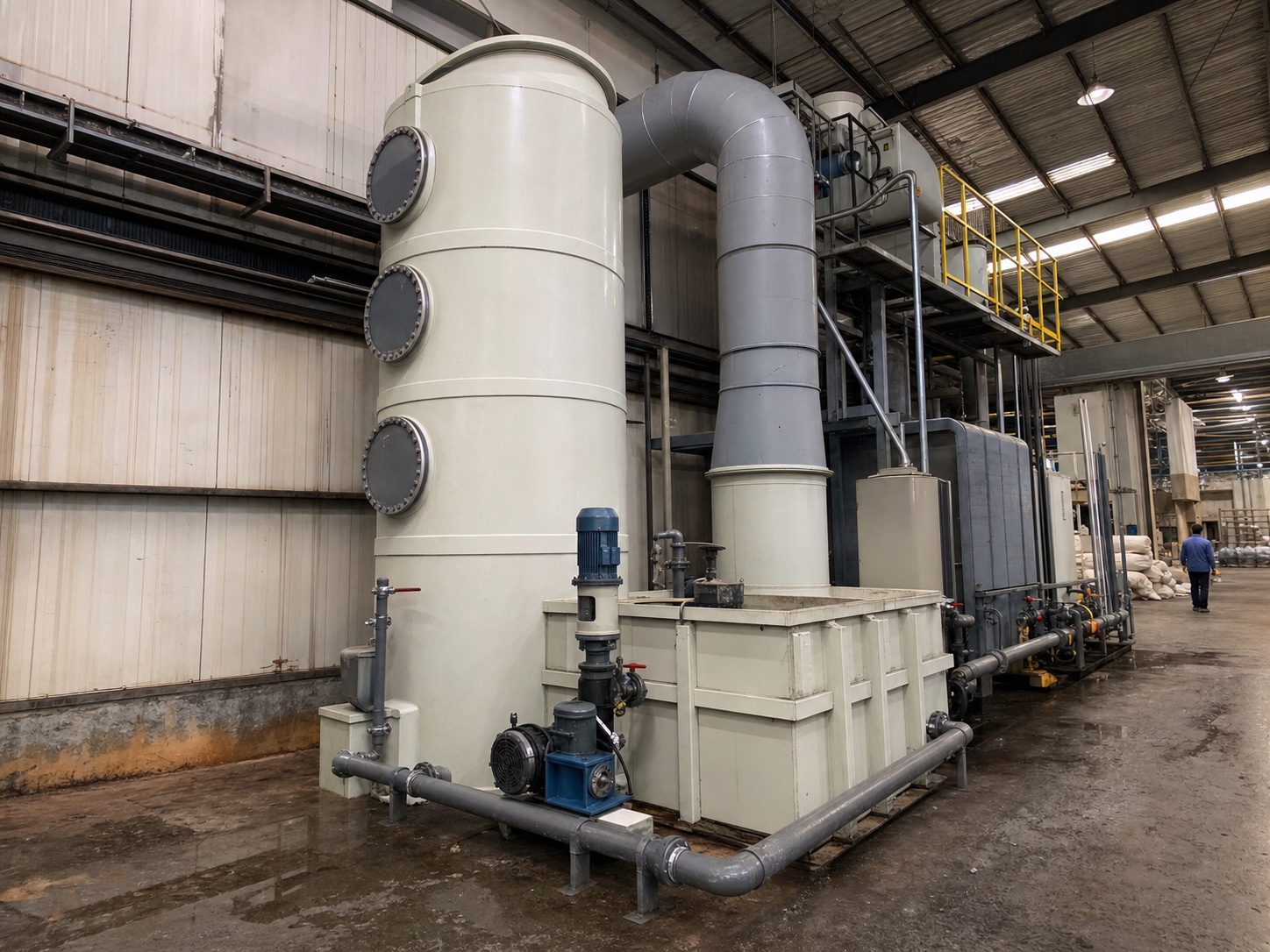
صفائح البولي بروبيلين لأجهزة التنظيف الرطبة يتم تقييمها بناءً على متطلبات المشروع الفعلية. يجب أن يبدأ اختيار جهاز التنظيف الرطب بدراسة متطلبات المعدات الفعلية ورسمها. ينبغي وصف جهاز التنظيف الرطب من خلال تيار الغاز، وسائل التنظيف، والمكثفات، والمنظف، ودرجة الحرارة، والضغط أو الفراغ، ورسم الوعاء. قد تتجمع المكثفات عند اللحامات والنقاط المنخفضة، بينما قد يؤثر وضع المروحة على الأداء الميكانيكي. يمكن مناقشة ألواح البولي بروبيلين بعد التأكد من الظروف الفعلية. يتطلب طلب المواد معلومات عن التركيب الكيميائي، ودرجة الحرارة، والهندسة، والدعم، والوصلات، والفحص التي تنطبق على التجميع النهائي. يمكن لبيانات QEEHUA الداخلية دعم مناقشة أولية للمواد، ولكن لا ينبغي توسيعها لتشمل وعدًا شاملاً، أو حسابًا لتصميم المعدات، أو موافقة على شروط غير مدرجة. أرسل معلومات المشروع مع طلب العينة حتى يمكن مراجعة اللوح أو القضيب أو المقطع المقترح مقابل الاستخدام الفعلي قبل إصدار المواد.
PP sheet wet scrubbers ينبغي مراجعة ذلك في ضوء واجبات المشروع الموثقة، والرسومات، ونطاق التصنيع، وسجلات المواد، ومتطلبات القبول.
مهمة المشروع
PP sheet wet scrubbers: project review
استخدم متطلبات المشروع الموثقة لمقارنة المواد ذات الصلة، وعمليات التصنيع، ومدخلات مراقبة الجودة قبل الإصدار.
ينبغي وصف جهاز التنظيف الرطب من خلال تيار الغاز، وسائل التنظيف، والمكثفات، والمنظف، ودرجة الحرارة، والضغط أو الفراغ، ورسم الوعاء. قد تتجمع المكثفات عند اللحامات والنقاط المنخفضة، بينما قد يؤثر وضع المروحة على الحمل الميكانيكي. يمكن مناقشة ورقة البولي بروبيلين عند التأكد من الظروف الفعلية.
استخدم تطبيقات صناعية من 1TP إلى 2T يجب استخدام الصفحة كمرجع لفئة المعدات. يتطلب القرار النهائي معلومات المشروع المحددة، ولا ينبغي الاعتماد على تسمية تطبيق عامة.
يؤدي جهاز التنظيف الرطب مهمتين يجب تسجيلهما معًا. يحدد جانب الغاز درجة الحرارة، والمكثفات، ومسار التدفق، وأبواب الوصول، والضغط أو الفراغ الناتج عن المروحة. أما جانب السائل فيحدد سائل التنظيف، ومياه التعويض، وإعادة التدوير، والصرف، وسائل التنظيف، والمناطق التي يمكن أن يبقى فيها السائل بعد إيقاف التشغيل.
لا تصف الوعاء بأكمله باستخدام تسمية عملية واحدة. قد تحتوي كل من حوض التجميع، وقسم الرش، ومدخل الانتقال، ودعامة مزيل الرذاذ، وساق التصريف، ووصلة القناة على تفاصيل مختلفة لتجميع السوائل ودعمها. يجب أن يُظهر الرسم هذه الوصلات لضمان ربط مراجعة المواد بالمعدات التي سيتم تصنيعها.
الدور المادي
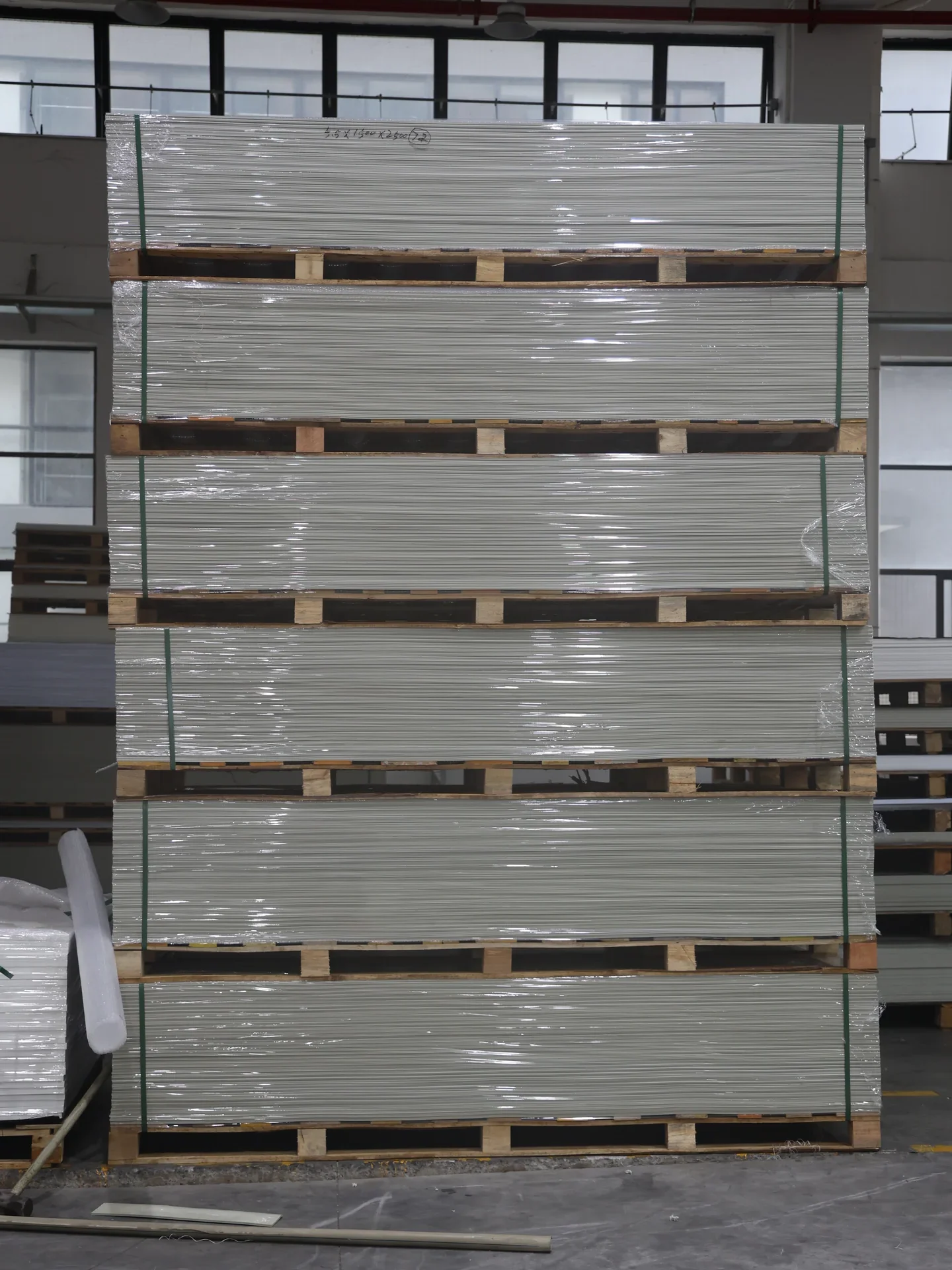
ال مجموعة ألواح البولي بروبيلين QEEHUA يُعدّ هذا المنتج المرجع الأساسي. ويتمثل سؤال الاختيار في مدى توافق المادة المقترحة وتفاصيل البناء وظروف التشغيل. قد تختلف متطلبات اللوحة والوصلة الملحومة والقطاع وواجهة الدعم في نفس المعدات.
افصل بين فحص المواد الأولي والموافقة على المعدات. هذا يمنع الخلط بين مناقشة ورقة البيانات المفيدة وحسابات التصميم أو التزامات الإنتاج.
شروط التأكيد
شروط الخدمة
حدد كل وسط ذي صلة، وتركيزه، ودرجة حرارته العادية والقصوى، ومدة تعرضه، وظروف تنظيفه، وظروف اضطرابه. إذا لم يتضمن المشروع أي تلامس مع مواد كيميائية، فحدد بيئة التركيب ودرجة حرارة التشغيل بدلاً من ذلك. لا تستنتج الأداء من مادة كيميائية مماثلة أو اسم عملية عام. وينعكس نفس النهج القائم على الحالة في ASTM D543.
الهندسة والدعم
سجل أبعاد الألواح، وارتفاع السائل أو حمل العملية، والضغط الموجب أو السالب عند الاقتضاء، والدعامات، والاختراقات، والتقوية، ومواقع اللحام، ونقاط الفحص. تحدد هذه التفاصيل ما يحتاج المصنّع ومهندس المشروع إلى مراجعته.
يجب أن تُميّز ورقة الخدمة بين التشغيل العادي والغسيل والتنظيف والتشغيل والإيقاف. قد يختلف وضع التكثيف في أدنى نقطة عن وضع السائل المُعاد تدويره في القسم الرئيسي. سجّل مصدره ودرجة حرارته المتوقعة وأي مواد كيميائية متبقية. إذا لم يتمكن مالك العملية من تحديد السائل، اترك البند مفتوحًا لتأكيد المشروع.
في المراجعة الميكانيكية، حدد ما إذا كان المروحة قادرة على توليد ضغط موجب أو فراغ، ومكان تثبيت الوعاء. يجب أن تكون المساحات المسطحة الكبيرة، وفتحات الوصول، والوصلات، ومواقع الدعامات واضحة في الرسم. لا تُغني قيمة الشد المذكورة في ورقة البيانات عن أساس تصميم الوعاء أو عن فحص اللحام المُصنّع.
البيانات ذات الصلة
يُبقي الجدول التالي البيانات المُبلغ عنها أو مُدخلات المشروع المطلوبة مع الشرط الذي يُضفي عليها معناها. وهو ليس بديلاً عن أساس تصميم المعدات.
| بيانات المشروع | القيمة أو المدخلات المبلغ عنها | المادة أو الحالة | طريقة أو فحص |
|---|---|---|---|
| كثافة | 912 كجم/م³ | عينة من صفائح البولي بروبيلين المختبرة | ASTM D792-20 |
| قوة الشد | 30 ميجا باسكال | عينة من صفائح البولي بروبيلين المختبرة | ASTM D638-22 |
| نتيجة اختبار الانحناء | 1870 ميجا باسكال | عينة من صفائح البولي بروبيلين المختبرة | ASTM D790-25 |
| درجة حرارة الانحراف تحت الحمل | 137.0 درجة مئوية | عينة من صفائح البولي بروبيلين المختبرة | ASTM D648-18 |
نطاق البيانات: القيم المذكورة خاصة بعينة من ألواح البولي بروبيلين المختبرة. وهي ليست قيماً مسموحاً بها في التصميم أو ادعاءات بالجودة العامة. يرجى التأكد من نوع المادة، وظروف التشغيل، والشكل الهندسي، والدعامات، والوصلات الخاصة بالمشروع.
يجب أن يتضمن طلب الشراء اسم مكون جهاز التنقية والمادة المستخدمة. ويُعدّ طلب شراء غلاف الوعاء، أو حوض التجميع، أو وصلة التوصيل، أو الحاجز الداخلي، أو غطاء الوصول، نقطة انطلاق واضحة للمراجع. أضف نوع الغاز والسائل المطلوب بجانب كل مكون. والنتيجة هي سجل مشروع مختصر يمكن لقسم المشتريات استخدامه دون فقدان المعلومات التي يحتاجها المصنّع والمهندس لإجراء الفحص الفني.
فحوصات التصنيع
حدد حواف القطع، ونوع الوصلة، والتسلسل، وإمكانية الوصول، ومعدات المعالجة، ومتطلبات الفحص قبل إصدار طلب الإنتاج. عند استخدام تفاصيل ملحومة من مادة بلاستيكية حرارية، قم بتضمين المطابقة. قضيب لحام البولي بروبيلين عند الطلب، عند وجود قناة أو عنصر تقوية، يرجى تضمين رسم مقطع الفتحة على شكل حرف U المصنوع من البولي بروبيلين وأبعاد التوصيل.
تعتمد جودة الوصلات وأداء المعدات النهائية على عملية التجميع. وأفضل المواصفات هي تلك التي تجعل الرسم، ومتطلبات الخدمة، والمواد، وحالة الفحص مرئية للمراجعة نفسها.
خطط لعملية التصنيع مع مراعاة نقاط التماس بين الغاز والسائل. حدد تسلسل اللحام، وميل التصريف أو تفاصيل أدنى نقطة، ودعامات أنابيب الرش، وإطار باب الوصول، ووصلة القناة، وأي دعامات داخلية يجب تركيبها قبل إغلاق الوعاء. يجب أن تحدد خطة الفحص ما يتم فحصه بعد اللحام وما يتم التحقق منه بعد تجميع المعدات.
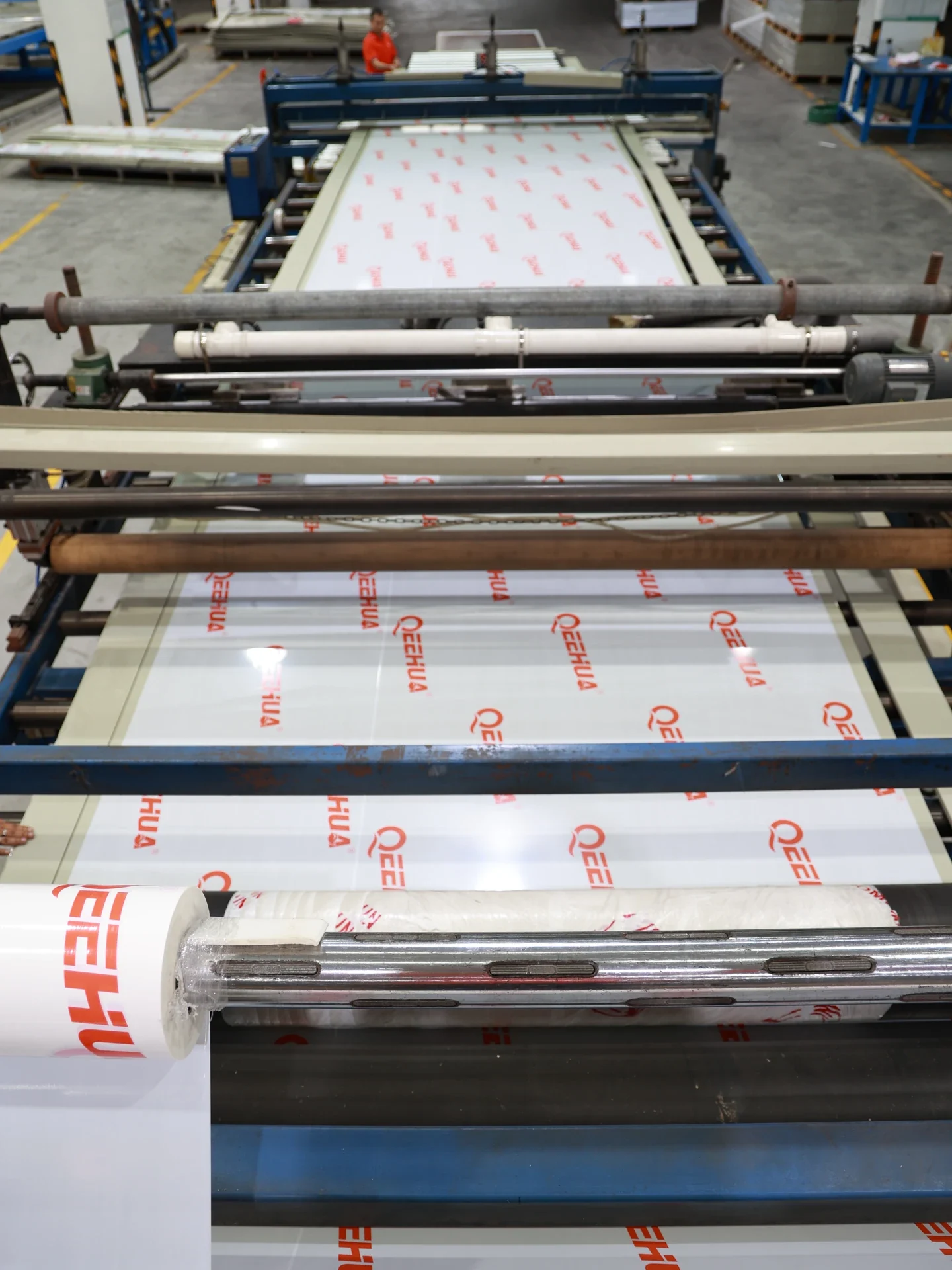
نموذج طلب
أرسل الرسم، واستخدام المعدات، والمعلومات الكيميائية ودرجة الحرارة عند الاقتضاء، والأبعاد المطلوبة، وطريقة التصنيع، والغرض من العينة، وأي متطلبات اختبار أو موافقة. اطلب نموذجًا للمشروع أو أرسل معلومات المعدات. يجب وضع علامة على النقطة المفتوحة بأنها مفتوحة، وليس استبدالها بحالة نموذجية مفترضة.
للاطلاع على مثال اختيار ذي صلة، انظر دليل ورقة QEEHUA PP لخزانات المواد الكيميائية. ويوضح ذلك سبب ضرورة قراءة بيانات المنتج وواجبات المشروع معًا.
تُعدّ قسيمة العينة الورقية مفيدةً عندما يحتاج المشتري إلى مراجعة سطح المادة أو عملية التصنيع. عند الاستفسار عن وصلة مدخل، أو شفة ملحومة، أو دعامة داخلية، اطلب عينة تفصيلية بناءً على تلك الخاصية. أرفق مع الطلب الرسم التوضيحي ذي الصلة وسؤال القبول.
الأسئلة الشائعة
ما هي المعلومات المطلوبة لإجراء مراجعة لجهاز تنظيف الأرضيات الرطبة؟
يرجى تقديم رسم المعدات، وشروط الخدمة، والأبعاد، ومسار التصنيع، والكمية، وأي متطلبات للتفتيش أو الموافقة.
هل يمكن لقيمة واحدة في ورقة البيانات أن تُعتمد على التجميع الكامل؟
لا. نتائج اختبار المواد تُعتبر مدخلات لمراجعة المشروع. كما يعتمد التجميع النهائي على الهندسة، والأحمال، والدعامات، والوصلات، وظروف التشغيل، وأساس التصميم.
لماذا يجب إرسال الرسم مع طلب المواد؟
يوضح الرسم الامتدادات والاختراقات والدعامات والوصول المشترك والواجهات التي لا يمكن تحديدها من اسم المادة أو حجم اللوحة فقط.
ما الذي يجب تضمينه مع طلب العينة؟
أرسل تفاصيل المشروع، الرسم، المواد أو التفاصيل المطلوبة، خطة التصنيع، الغرض من العينة، ومتطلبات القبول حتى يمكن مناقشة العينة مقابل الاستخدام الفعلي.
ل PP sheet wet scrubbers, قم بتسجيل افتراضات المشروع النهائية وفحوصات القبول قبل إصدار نطاق التصنيع أو الشراء.