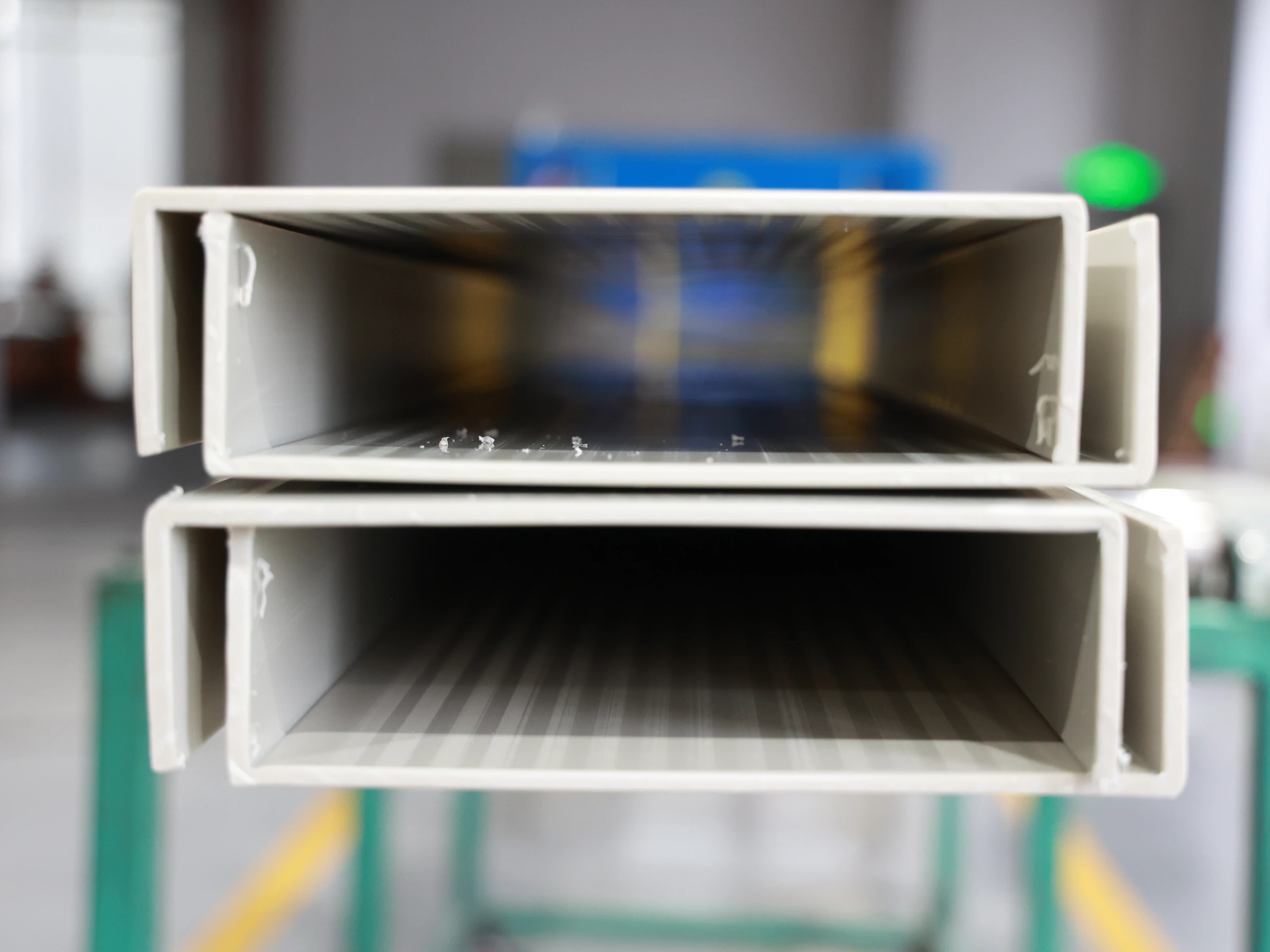
فتحات على شكل حرف U مصنوعة من البولي بروبيلين يتم تقييمها بناءً على متطلبات المشروع الفعلية. يجب أن يبدأ اختيار الفتحة على شكل حرف U من متطلبات المعدات الفعلية ورسمها. يجب تحديد الفتحة على شكل حرف U من رسم المعدات ودورها في التجميع. صف المقطع العرضي، والجزء المتصل، والمدى، والحمل، والإطار، والوصلة، والاهتزاز، والتعرض، وتسلسل التركيب. قد تتطلب المدىات الأكبر أو المعدات المحملة مراجعة للتقوية؛ وهذه ليست قاعدة هيكلية عامة. يجب أن يتضمن طلب المواد معلومات عن التركيب الكيميائي، ودرجة الحرارة، والهندسة، والدعم، والوصلة، والفحص التي تنطبق على التجميع النهائي. يمكن أن تدعم البيانات الداخلية لـ QEEHUA مناقشة أولية للمواد، ولكن لا ينبغي توسيعها لتشمل وعدًا على مستوى الدرجة، أو حساب تصميم المعدات، أو موافقة على شروط غير مدرجة. أرسل معلومات المشروع مع طلب العينة حتى يمكن مراجعة الصفيحة أو القضيب أو المقطع المقترح مقابل الاستخدام الفعلي قبل إصدار المواد.
فتحات على شكل حرف U مصنوعة من البولي بروبيلين ينبغي مراجعة ذلك في ضوء واجبات المشروع الموثقة، والرسومات، ونطاق التصنيع، وسجلات المواد، ومتطلبات القبول.
مهمة المشروع
فتحات على شكل حرف U من البولي بروبيلين: مراجعة المشروع
استخدم متطلبات المشروع الموثقة لمقارنة المواد ذات الصلة، وعمليات التصنيع، ومدخلات مراقبة الجودة قبل الإصدار.
يجب تحديد شكل الفتحة على شكل حرف U من رسم المعدات ودورها في التجميع. صف المقطع العرضي، والجزء المتصل، والمدى، والحمل، والإطار، والوصلة، والاهتزاز، والتعرض، وتسلسل التركيب. قد تتطلب المسافات الأكبر أو المعدات المحملة مراجعة التدعيم؛ وهذه ليست قاعدة هيكلية عامة.
استخدم تطبيقات صناعية من 1TP إلى 2T يجب استخدام الصفحة كمرجع لفئة المعدات. يتطلب القرار النهائي معلومات المشروع المحددة، ولا ينبغي الاعتماد على تسمية تطبيق عامة.
الفتحة على شكل حرف U المصنوعة من البولي بروبيلين هي جزء من مجموعة، وليست ميزة أداء مستقلة. ابدأ برسم مقطع عرضي ذي أبعاد محددة، وحدد الصفيحة أو الجزء المقابل، واتجاه التركيب، والطول، والمسافة بين الدعامات، وطريقة التوصيل، وبيئة التشغيل. يجب أن يوضح الرسم أيضًا ما إذا كان المقطع الجانبي يتحمل حملاً موضعيًا أم أنه يوجه ويحمي مكونًا آخر فقط.
قد تتطلب المسافات الأكبر أو المعدات المحملة مراجعةً للتدعيم. هذه المعلومة ليست قاعدة عامة لـ 500 مم، ولا تغني عن الحسابات الإنشائية. يحتاج مهندس المشروع إلى معرفة المسافة الفعلية، وترتيب الإطار، والحمل، والاهتزازات، وتأثير الضغط أو الفراغ، وتسلسل التركيب قبل تحديد كيفية دعم المقطع الجانبي.
الدور المادي
ال مجموعة ألواح البولي بروبيلين QEEHUA يُعدّ هذا المنتج المرجع الأساسي. ويتمثل سؤال الاختيار في مدى توافق المادة المقترحة وتفاصيل البناء وظروف التشغيل. قد تختلف متطلبات اللوحة والوصلة الملحومة والقطاع وواجهة الدعم في نفس المعدات.
افصل بين فحص المواد الأولي والموافقة على المعدات. هذا يمنع الخلط بين مناقشة ورقة البيانات المفيدة وحسابات التصميم أو التزامات الإنتاج.
شروط التأكيد
شروط الخدمة
حدد جميع الوسائط ذات الصلة، والتركيز، ودرجة الحرارة العادية والقصوى، ومدة التعرض، وظروف التنظيف، وظروف التشغيل غير المرغوب فيها. إذا لم يتضمن المشروع أي تلامس مع مواد كيميائية، فحدد بيئة التركيب ودرجة حرارة التشغيل. لا تستنتج الأداء من مادة كيميائية مماثلة أو اسم عملية عام.
الهندسة والدعم
سجل أبعاد الألواح، وارتفاع السائل أو حمل العملية، والضغط الموجب أو السالب عند الاقتضاء، والدعامات، والاختراقات، والتقوية، ومواقع اللحام، ونقاط الفحص. تحدد هذه التفاصيل ما يحتاج المصنّع ومهندس المشروع إلى مراجعته.
ينبغي وصف بيئة تركيب المنتج. حدد ما إذا كانت داخلية، أو خارجية، أو رطبة، أو معرضة لسائل معالجة معتمد، أو قريبة من عملية تنظيف. إذا كان من المتوقع حدوث تقلبات في درجات الحرارة أو اهتزازات، فاذكر ذلك في الاستفسار. قد تؤثر هذه الظروف على واجهة المنتج ودعم المراجعة حتى لو كان مقطعه العرضي بسيطًا.
يجب أن يُظهر الرسم التخطيطي للقطاع أبعاد التزاوج ومسار التجميع المسموح به. تختلف طريقة الوصول إلى القناة التي يجب لحامها بعد تركيب جزء آخر عن تلك التي يتم تركيبها قبل إغلاق التجميع. سجّل الأطراف المقطوعة والزوايا والاختراقات وأي وصلات إطار حتى يتمكن فريق التصنيع من تحديد النقاط المفتوحة مبكرًا.
البيانات ذات الصلة
يُبقي الجدول التالي البيانات المُبلغ عنها أو مُدخلات المشروع المطلوبة مع الشرط الذي يُضفي عليها معناها. وهو ليس بديلاً عن أساس تصميم المعدات.
| بيانات المشروع | القيمة أو المدخلات المبلغ عنها | المادة أو الحالة | طريقة أو فحص |
|---|---|---|---|
| قسم الملف الشخصي | مقطع عرضي ذو أبعاد | ورقة أو مكون متطابق | تأكيد الرسم |
| امتداد وتحميل | قيمة المشروع | التجميع المُثبّت | مراجعة الدعم والإطار |
| خطة الانضمام | تفاصيل ملحومة أو ميكانيكية | موقع مشترك | تأكيد الوصول والمعالجة |
| بيئة | التلامس الداخلي أو الخارجي أو الرطب أو الكيميائي | شروط الخدمة | تأكيد واجب المشروع |
نطاق البيانات: لا يُعدّ الفتح على شكل حرف U حسابًا إنشائيًا. يجب مراجعة الامتداد، والحمل، والإطار، والوصلات، والاهتزازات، وظروف التشغيل قبل الاختيار النهائي.
يصبح طلب ملف تعريف أسهل للمراجعة عندما يحدد الرسم وظيفة الجزء. حدد ما إذا كان الشق على شكل حرف U يوجه لوحة، أو يحمي حافة، أو يربط تفصيلاً، أو يعمل مع إطار دعم. ثم أضف طول المكون واتجاه التركيب. لاحظ أي جزء يوفره العميل وأي جزء يقع ضمن نطاق ملف تعريف PP. حدد أي عمليات تشذيب أو حفر أو وصل ميدانية في الموقع قد تغير التفاصيل المركبة. لا تُنشئ هذه النقاط مطالبة هيكلية. إنها تُخبر مراجع المشروع بالأبعاد والوصلات وظروف الخدمة التي يجب التحقق منها قبل إصدار المواد.
فحوصات التصنيع
حدد حواف القطع، ونوع الوصلة، والتسلسل، وإمكانية الوصول، ومعدات المعالجة، ومتطلبات الفحص قبل إصدار طلب الإنتاج. عند استخدام تفاصيل ملحومة من مادة بلاستيكية حرارية، قم بتضمين المطابقة. قضيب لحام البولي بروبيلين عند وجود قناة أو ميزة تعزيز، قم بتضمين الطلب. فتحة على شكل حرف U من مادة البولي بروبيلين رسم مقطعي وأبعاد التزاوج.
تعتمد جودة الوصلات وأداء المعدات النهائية على عملية التجميع. وأفضل المواصفات هي تلك التي تجعل الرسم، ومتطلبات الخدمة، والمواد، وحالة الفحص مرئية للمراجعة نفسها.
ركز في طلبك على تفاصيل التركيب. أدرج المقطع العرضي، والطول، وأبعاد التوافق المسموح بها (إن وجدت في المشروع)، وتفاصيل القطع أو الزوايا، وخطة التوصيل، ونقاط الدعم، ومتطلبات الفحص. إذا كان المقطع جزءًا من هيكل مُدعّم، فأظهر رسم الإطار أو الدعامة بدلًا من مطالبة المورّد باستنتاج ذلك من اسم المقطع.
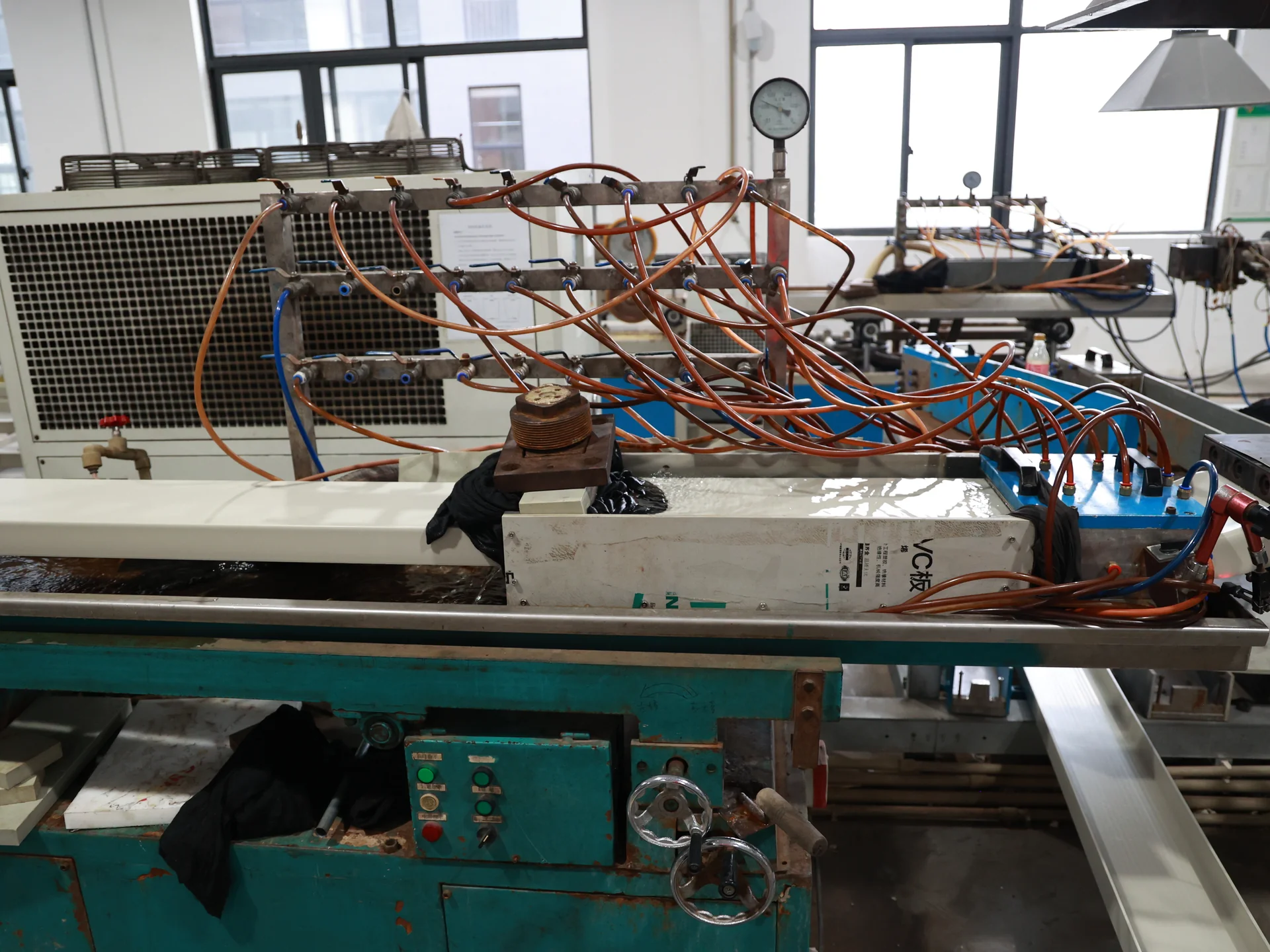
نموذج طلب
أرسل الرسم، واستخدام المعدات، والمعلومات الكيميائية ودرجة الحرارة عند الاقتضاء، والأبعاد المطلوبة، وطريقة التصنيع، والغرض من العينة، وأي متطلبات اختبار أو موافقة. اطلب نموذجًا للمشروع أو أرسل معلومات المعدات. يجب وضع علامة على النقطة المفتوحة بأنها مفتوحة، وليس استبدالها بحالة نموذجية مفترضة.
عادةً ما تتضمن عينة الفتحة على شكل حرف U المفيدة الجزء الذي سيتصل بمكون المشروع. عندما يكون التوافق هو السؤال الرئيسي، أرسل أبعاد الجزء المتصل أو رسمًا توضيحيًا. أما عندما يكون الحمل أو الدعم هو السؤال، فيجب على فريق المشروع أولاً تحديد أساس التصميم والغرض من العينة.
الأسئلة الشائعة
ما هي المعلومات المطلوبة لإجراء مراجعة لفتحة على شكل حرف U؟
يرجى تقديم رسم المعدات، وشروط الخدمة، والأبعاد، ومسار التصنيع، والكمية، وأي متطلبات للتفتيش أو الموافقة.
هل يمكن لقيمة واحدة في ورقة البيانات أن تُعتمد على التجميع الكامل؟
لا. نتائج اختبار المواد تُعتبر مدخلات لمراجعة المشروع. كما يعتمد التجميع النهائي على الهندسة، والأحمال، والدعامات، والوصلات، وظروف التشغيل، وأساس التصميم.
لماذا يجب إرسال الرسم مع طلب المواد؟
يوضح الرسم الامتدادات والاختراقات والدعامات والوصول المشترك والواجهات التي لا يمكن تحديدها من اسم المادة أو حجم اللوحة فقط.
ما الذي يجب تضمينه مع طلب العينة؟
أرسل تفاصيل المشروع، الرسم، المواد أو التفاصيل المطلوبة، خطة التصنيع، الغرض من العينة، ومتطلبات القبول حتى يمكن مناقشة العينة مقابل الاستخدام الفعلي.
ل فتحات على شكل حرف U مصنوعة من البولي بروبيلين, قم بتسجيل افتراضات المشروع النهائية وفحوصات القبول قبل إصدار نطاق التصنيع أو الشراء.