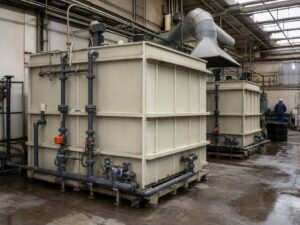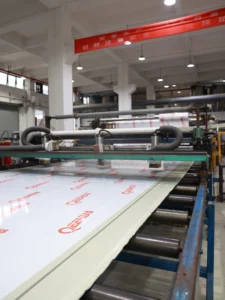
وصلات البولي بروبيلين لأنابيب المواد الكيميائية المسببة للتآكل ينبغي مراجعة ذلك في ضوء واجبات المشروع الموثقة، والرسومات، ونطاق التصنيع، وسجلات المواد، ومتطلبات القبول.
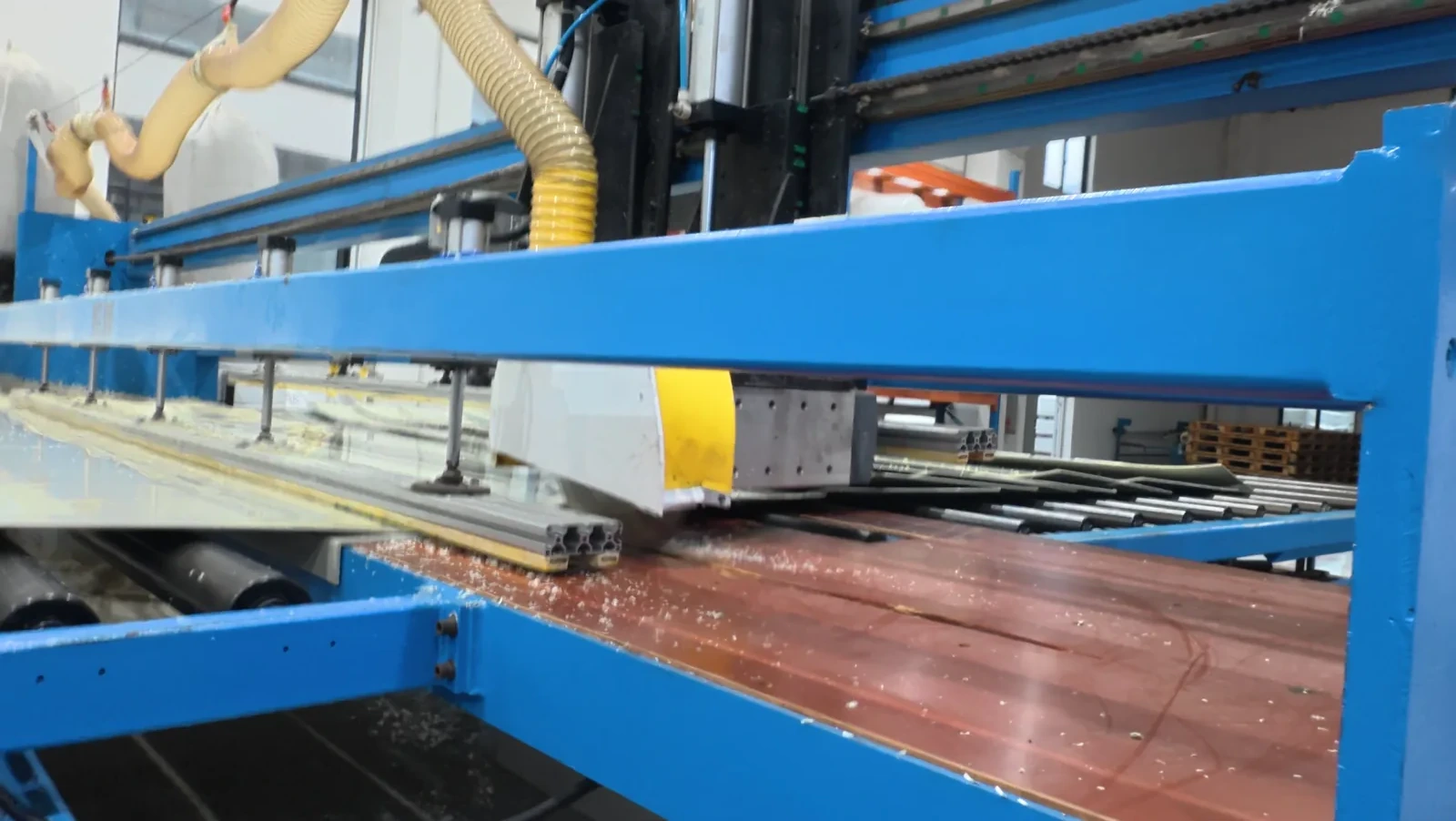
لماذا يُعد اختيار وصلات البولي بروبيلين أصعب من اختيار حجم الأنبوب؟
وصلات البولي بروبيلين لأنابيب المواد الكيميائية المسببة للتآكل: مراجعة المشروع
استخدم متطلبات المشروع الموثقة لمقارنة المواد ذات الصلة، وعمليات التصنيع، ومدخلات مراقبة الجودة قبل الإصدار.
في خطوط الإنتاج الكيميائية، لا تُعدّ الوصلات مجرد ملحقات ثانوية. فالأكواع، والمحولات الثلاثية، والمخفّضات، والوصلات، والشفاه، والمحولات، والصمامات، تُحدّد كيفية تغيير النظام لاتجاهه، وتفرّعه، وتوصيله بالمعدات، وصيانته. قد تكون الوصلة متوافقة كيميائيًا، بينما لا يكون المفصل، أو الحشية، أو السن اللولبي، أو الشفة، أو الدعامة، أو درجة حرارة التشغيل كذلك.
تبدأ عملية الاختيار الموثوقة ببيانات الخدمة بدلاً من القطر الاسمي. تقرير معهد أنابيب البلاستيك TR-19 حول مقاومة المواد الكيميائية يحذر من أن نتائج اختبار البلاستيك غير المجهد لا تمثل تلقائيًا أنبوبًا أو وصلة تحت ضغط ثابت أو إجهاد متكرر أو أحمال ميكانيكية أخرى.
خمس خطوات يجب إتمامها قبل طلب وصلات البولي بروبيلين
| عنصر الاختيار | ما الذي يجب تأكيده؟ | لماذا يُعد ذلك مهماً؟ |
|---|---|---|
| خدمات كيميائية | اسم السائل، تركيزه، الملوثات، درجة الحموضة، اختلاف الدفعات، ومواد التنظيف الكيميائية | قد تتغير قابلية التوافق بتغير التركيز ودرجة الحرارة والخلائط ووقت التعرض. |
| درجة الحرارة والضغط | الظروف العادية، والقصوى، والدنيا، وظروف بدء التشغيل، وظروف الإيقاف، وظروف الاضطراب | ترتبط قدرة تحمل الضغط بدرجة الحرارة، وتصميم الجدار، وهندسة التركيب، وتصنيف الشركة المصنعة. |
| مواد الأنابيب والوصلات | PP، PPH، PP-R، PVDF، PVC، CPVC أو وصلة مبطنة/معدنية، بالإضافة إلى مادة الحشية والمانع للتسرب | قد يؤدي تغيير المادة في أحد التركيبات أو موانع التسرب إلى أن يصبح نقطة التوافق الأضعف. |
| طريقة التوصيل | اللحام بالوصلة أو اللحام التناكبي، اللحام الكهربائي، الشفة، الوصلة، وصلة ملولبة أو أي طريقة أخرى معتمدة | تؤثر طريقة التوصيل على إحكام منع التسرب، وسهولة الصيانة، والتدريب، والتفتيش. |
| التصميم والتوثيق | دعامات الأنابيب، والتمدد الحراري، وفوهات المعدات، والصرف، وإمكانية الوصول للتفتيش، والرسومات والشهادات | حتى التركيب المناسب قد يتعرض للحمل الزائد بسبب الحركة أو ضعف الدعم أو عدم ملاءمة التوصيل. |
1. حدد المادة الكيميائية وتركيزها أولاً
لا ترسل إلى المورد عبارة "خط حمضي" أو "مياه صرف كيميائية" فقط. قدّم اسم المادة الكيميائية، ونطاق تركيزها، ودرجة حرارة التشغيل، والضغط، ومعدل التدفق، ودورة التنظيف، وما إذا كان السائل مادة كيميائية واحدة أم خليطًا. اذكر أسوأ حالة محتملة، وليس فقط نقطة التشغيل العادية.
استخدم مخطط المقاومة كأداة فحص أولية، ثم اطلب مراجعة خاصة بالمشروع. قد تكون معلومات مقاومة المواد الكيميائية محدودة عندما يتعرض البلاستيك للإجهاد الميكانيكي، وهو أمر بالغ الأهمية بالنسبة للخطوط المضغوطة، والفروع غير المدعومة، ووصلات المضخات المهتزة، والتجهيزات المثبتة بالقرب من المعدات الصلبة.
2. فصل التوافق عن تصنيف الضغط ودرجة الحرارة
“لا يعني مصطلح "مقاوم للمواد الكيميائية" أنه "مصمم لتحمل جميع الضغوط ودرجات الحرارة". تأكد من ضغط ودرجة حرارة التصميم لنظام الأنابيب والوصلات المختار، بما في ذلك أي تخفيضات في القدرة أو قيود يفرضها المصنّع واللوائح المعمول بها.
ال مواصفات نموذج PPI لأنابيب البولي بروبيلين يُنصح باختيار أنابيب ووصلات وصمامات البولي بروبيلين وفقًا لضغط التشغيل ودرجة الحرارة المطلوبين، وذلك بناءً على تعليمات الشركة المصنعة ومعيار المنتج المطبق. اطلب معرفة أساس التصنيف بدلًا من نسخ قيمة PN عامة من فئة مواد أخرى.
3. قم بمطابقة التركيبة مع استراتيجية التوصيل
بالنسبة للخطوط المصنوعة بالكامل من اللدائن الحرارية، قد يكون اللحام الحراري مناسباً عندما تكون الأنابيب والوصلات والمعدات وإجراءات التشغيل متوافقة. وبحسب نظام المنتج، يمكن أن يشمل ذلك اللحام بالوصلات، أو اللحام التناكبي، أو اللحام الجانبي، أو اللحام الكهربائي. إعلان PPI بشأن معيار ASTM F3722-24 يصف هذا المقال هذه الممارسات لأنابيب ووصلات البولي بروبيلين.
استخدم الحواف أو الوصلات أو المحولات الميكانيكية المعتمدة عند الحاجة إلى تفكيك الخط أو توصيله بمضخة أو خزان أو عزله للصيانة. تأكد من سلامة مسار التلامس بالكامل: تشمل مراجعة الخدمة الحشوات الملولبة والحشيات والأختام والمثبتات.
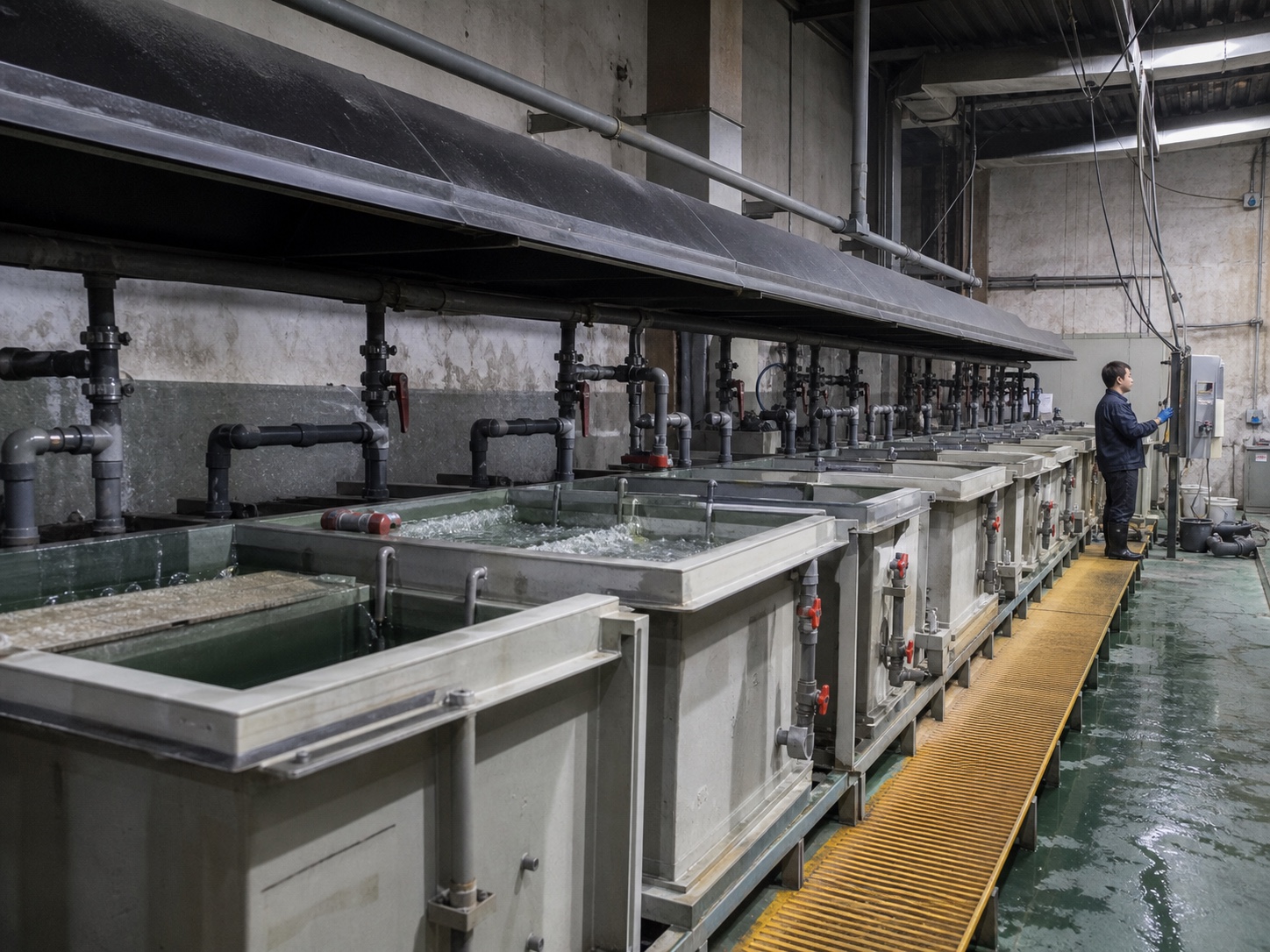
4. تصميم يسمح بالحركة والدعم وتوصيلات المعدات
تتعرض الأنابيب البلاستيكية عمومًا لتمدد وانكماش حراري أكبر من الأنابيب المعدنية. راجع جدول التركيبات مع الموجهات، والمثبتات، ووصلات التمدد، والأحمال المنقولة إلى الخزانات والمضخات والصمامات. تتطلب مواصفات نموذج PPI دعامات وفقًا للمواصفات المعتمدة وتوصيات الشركة المصنعة، بما في ذلك الدعامات بالقرب من نقاط تغيير الاتجاه والتركيبات.
عند تصريف المضخة، لا تستخدم الوصلة كدعامة هيكلية. وفر دعامة مستقلة، وخذ في الاعتبار الاهتزازات والتمدد والانكماش الحراري، وتحقق من أحمال الفوهة مع مورد المعدات.
5. اطلب حزمة مستندات جاهزة للموافقة
تتضمن حزمة عروض الأسعار الجيدة تحديد نوع المادة، والأبعاد، ونوع التوصيل، وأساس الضغط ودرجة الحرارة، وملاحظات التوافق الكيميائي، والمعايير المطبقة، ومادة الحشية أو مانع التسرب، ومتطلبات الفحص وقيوده. يجب توضيح متطلبات النظافة والتتبع والتوثيق في البداية لمشاريع الطلاء، ومعالجة مياه الصرف الصحي، وأشباه الموصلات، والصناعات الدوائية.
QEEHUA's قائمة التحقق من تقديم مواد ألواح البولي بروبيلين لمشاريع الهندسة والمشتريات والإنشاء. يُعدّ مرجعاً مساعداً مفيداً. وينطبق المبدأ نفسه على التجهيزات: تتم الموافقات بشكل أسرع عندما تكون الأسس الفنية واضحة وكاملة.
ما هي أنواع تركيبات PP التي يتم أخذها في الاعتبار عادةً؟
QEEHUA's Public مرجع الأنابيب والوصلات والصمامات البلاستيكية الصناعية يعرض هذا القسم عائلات منتجات PP/PPH مثل الوصلات أو المواسير، والمرفقات، والمحولات، والمخفضات أو البطانات، والمحولات، والشفاه، والمشابك. عملياً:
- الكوع: تغيير الاتجاه؛ مراجعة نصف القطر والسرعة والدعم ومخاطر التآكل.
- تيشيرتات وسروج: إنشاء الفروع؛ تأكيد حمولة الفروع، والعزل، وإمكانية الوصول للتفتيش.
- المخفضات والبطانات: تغيير القطر؛ التحقق من انتقال التدفق وتفاصيل توصيل المعدات.
- الوصلات والشفاه: دعم الصيانة وتوصيلات المعدات؛ والتأكد من متطلبات الحشية والمسامير وعزم الدوران والمحاذاة.
- المحولات وقطع التوصيل: ربط المواد أو المعايير المختلفة؛ تحديد كل مكون مبلل.
استخدم صفحة QEEHUA كمرجع لمجموعة المنتجات، وليس كبديل لتقديم طلب المشروع. يجب إعادة تأكيد النطاقات والتقييمات المنشورة مقابل المنتج والمادة والحجم والمعيار وحالة الخدمة المحددة.
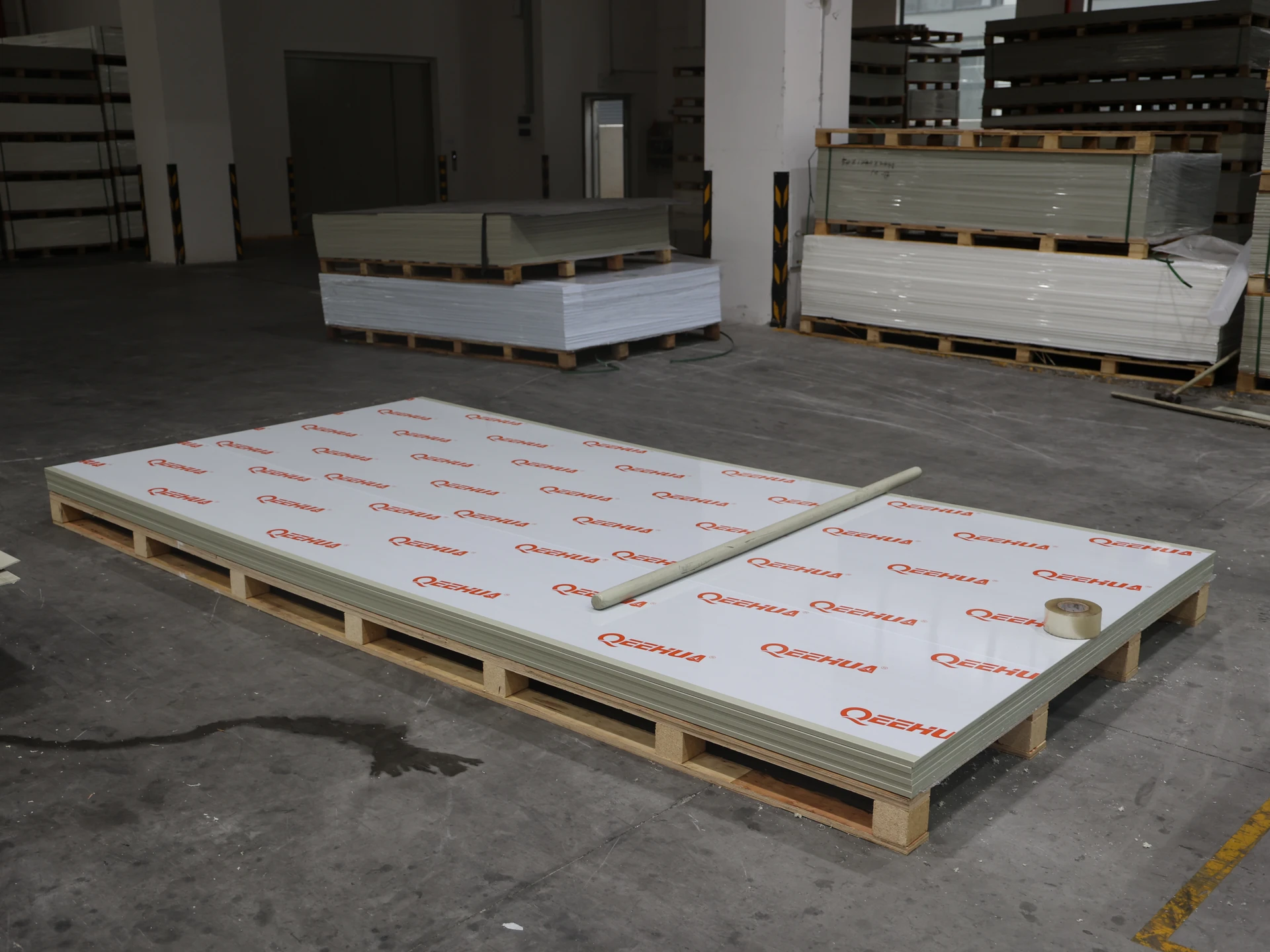
وصلات البولي بروبيلين لحالات أنابيب المواد الكيميائية الشائعة
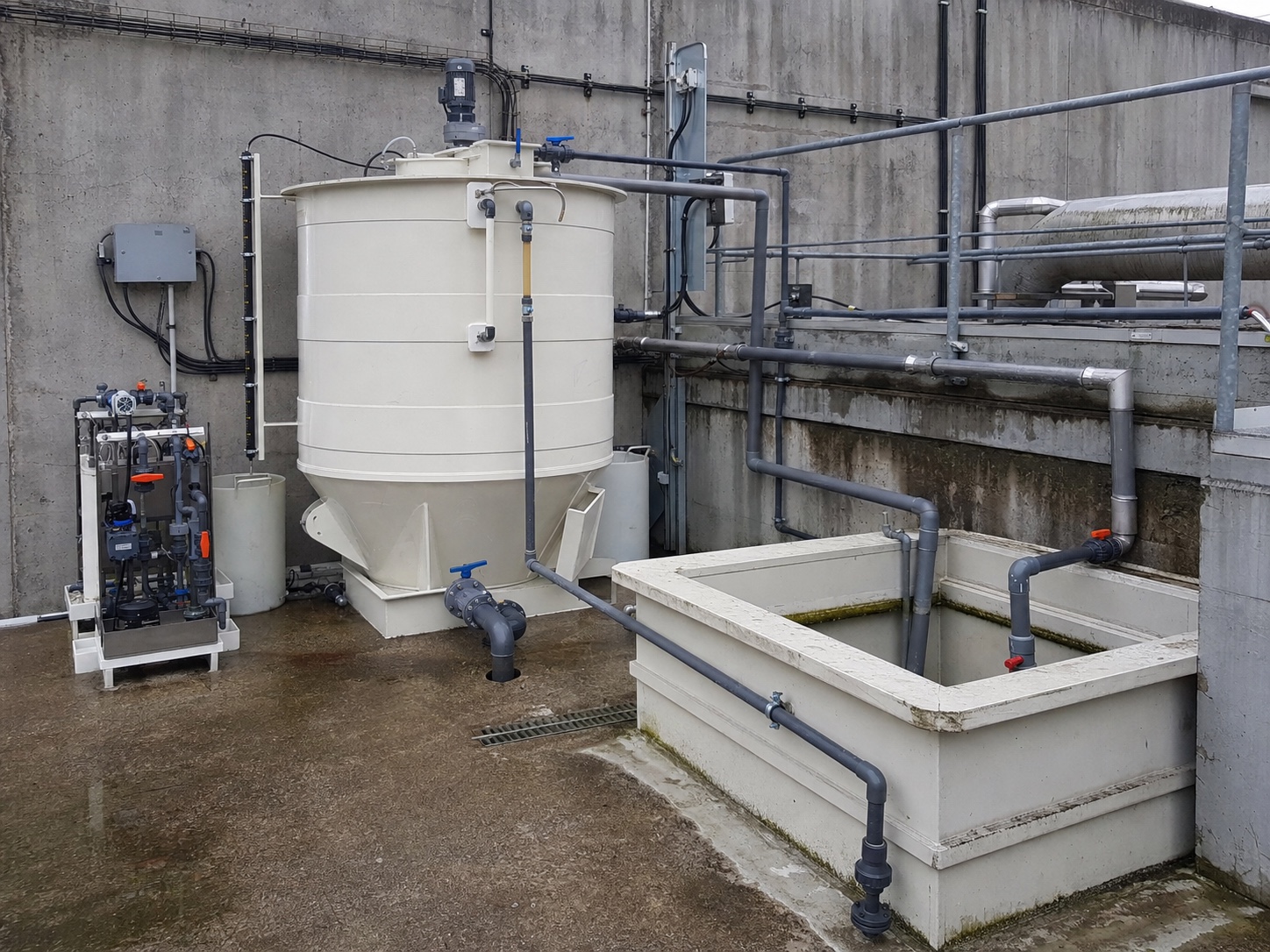
خطوط الطلاء الكهربائي ومعالجة الأسطح
تجمع أنظمة الطلاء بين المواد الكيميائية المستخدمة في العملية، ومياه الشطف، والتحكم في الأبخرة، والصيانة الدورية. ابدأ بجدول المواد الكيميائية وملف درجة الحرارة، ثم نسّق وصلات البولي بروبيلين مع مادة الخزان، والمضخة، والصمامات، والمصارف، والدعامات. راجع QEEHUA دليل اختيار ألواح البولي بروبيلين لخزانات الطلاء الكهربائي لاتخاذ القرارات المتعلقة بمواد الخزانات.
أنظمة معالجة مياه الصرف الصحي وأنظمة تحييدها
قد يختلف تركيب مياه الصرف الصحي بشكل أكبر من تيارات المعالجة النظيفة. يشمل ذلك تغيرات درجة الحموضة، والمواد الصلبة، والمؤكسدات، وعوامل التنظيف، وتقلبات درجة الحرارة. تجنب الموافقة على تركيب وصلة بناءً على قيمة كيميائية نموذجية واحدة عندما يستقبل الخط تيارات صرف صحي متعددة. لمزيد من المعلومات حول المعدات، راجع QEEHUA دليل ورقي من البولي بروبيلين لمعدات معالجة مياه الصرف الصحي.
تطبيقات أشباه الموصلات والنظافة العالية
عندما تكون النظافة، والتحكم في الجسيمات، وإمكانية التتبع أموراً بالغة الأهمية، فإن اختيار المواد ليس سوى جزء واحد من المواصفات. حدد ضوابط التنظيف والتغليف والوصل، وسجلات الفحص، ومواد التلامس المسموح بها. لا تعيد استخدام مواصفات تركيبات صناعية عامة دون التحقق من متطلبات عملية التنظيف.
قائمة التحقق للمشتري: ما يجب تضمينه في طلب عرض الأسعار
- رقم الخط، ووصف الخدمة، وتركيب السائل.
- التركيز الطبيعي والأقصى، ودرجة الحرارة والضغط.
- مادة الأنبوب، والحجم الاسمي، والقطر الخارجي أو المعياري، وفئة الجدار.
- نوع التركيب، والكمية، والزاوية، وحجم الفرع، وهندسة المخفض، وطريقة التوصيل.
- متطلبات الحشية، والمانع للتسرب، والحشوة، والشفة، والمثبتات.
- رسومات تخطيطية توضح الدعامات وفوهات المعدات والمصارف ونقاط الوصول.
- المعايير والشهادات ونقاط التفتيش وإمكانية التتبع المطلوبة.
- التعرض للعوامل الخارجية، والحماية من الأشعة فوق البنفسجية، وتتبع الحرارة، والعزل، وقيود السلامة من الحرائق.
الأسئلة الشائعة
هل وصلات البولي بروبيلين مناسبة لأنابيب المواد الكيميائية الحمضية والقلوية؟
قد تكون هذه المواد مناسبة للعديد من الخدمات، لكن مدى ملاءمتها يعتمد على نوع المادة الكيميائية، وتركيزها، ودرجة حرارتها، وضغطها، ومدة تعرضها، والإجهاد، ومواد الوصلات. استخدم جدول التوافق لإجراء الفحص، واحصل على تأكيد خاص بالمشروع قبل الموافقة.
هل يجب مطابقة وصلات البولي بروبيلين مع أنابيب البولي بروبيلين أو أنابيب البولي بروبيلين المقوى بالهيدروليك؟
قم بمطابقة الوصلة مع نظام الأنابيب، ونوع المادة، والأبعاد، وإجراءات التوصيل، وأساس التصنيف المحدد للمشروع. لا تجمع بين المنتجات لمجرد أنها مصنوعة من البولي بروبيلين.
ما هي أفضل طريقة توصيل للبيئات المسببة للتآكل؟
لا توجد طريقة واحدة مثلى لكل خط. يمكن للصهر الحراري أن يُنشئ وصلة حرارية بلاستيكية بالكامل عند استخدام النظام المتوافق والإجراءات المعتمدة. غالبًا ما تكون الحواف والوصلات ضرورية لتوصيل المعدات أو الوصول للصيانة. اتبع إجراءات الشركة المصنعة ومواصفات المشروع.
هل تتمتع وصلات البولي بروبيلين بتصنيف عالمي واحد للضغط ودرجة الحرارة؟
لا. تعتمد التصنيفات على المادة والأبعاد وتصميم التركيب ودرجة الحرارة والضغط والمعايير وظروف التركيب. اطلب التصنيف الخاص بالتركيب المحدد وظروف التشغيل.
ما هي المعلومات التي يجب عليّ إرسالها عند طلب عرض أسعار من شركة QEEHUA؟
أرسل معلومات عن المادة الكيميائية وتركيزها، ونطاق درجة الحرارة والضغط، وحجم الأنابيب ومادتها، وقائمة التركيبات، وطريقة التوصيل، والرسومات، والمعايير المطلوبة، والكمية، وموقع التسليم، ومتطلبات التوثيق. يرجى توضيح ظروف التشغيل والتنظيف في حالة البيئات المسببة للتآكل أو البيئات ذات العواقب الوخيمة.
الخلاصة: اختر النظام، وليس فقط التركيبة.
إن اتخاذ القرار الأمثل بشأن تركيب وصلات البولي بروبيلين يعتمد على التوافق الكيميائي، وظروف التشغيل، والمواد المتطابقة، والوصلات المعتمدة، والتصميم المدعوم. جهّز طلب عرض الأسعار باستخدام قائمة التحقق أعلاه لضمان مقارنة العرض بين العناصر المتكافئة وإمكانية تتبع الموافقة النهائية. لمراجعة المشروع،, اتصل بـ QEEHUA مع جدول المواد الكيميائية، ورسومات الأنابيب، وقائمة التركيبات.
ل وصلات البولي بروبيلين لأنابيب المواد الكيميائية المسببة للتآكل, قم بتسجيل افتراضات المشروع النهائية وفحوصات القبول قبل إصدار نطاق التصنيع أو الشراء.