PP fittings for corrosive chemical piping should be reviewed against the documented project duty, drawings, fabrication scope, material records, and acceptance requirements.
Why PP fitting selection is harder than choosing a pipe size
PP fittings for corrosive chemical piping: project review
Use the documented project requirements to compare the relevant material, fabrication, and quality-control inputs before release.
In a chemical line, the fitting is not a minor accessory. Elbows, tees, reducers, unions, flanges, adapters and valves determine how the system changes direction, branches, connects to equipment and gets maintained. A fitting can be chemically compatible while the joint, gasket, thread, flange, support or operating temperature is not.
A reliable selection process starts with service data rather than nominal diameter. The Plastics Pipe Institute TR-19 chemical-resistance report warns that unstressed plastic test results do not automatically represent a pipe or fitting under constant pressure, repeated stress or other mechanical loads.
The five checks to complete before ordering PP fittings
| Selection item | What to confirm | Why it matters |
|---|---|---|
| Chemical service | Fluid name, concentration, contaminants, pH, batch variation and cleaning chemicals | Compatibility can change with concentration, temperature, mixtures and exposure time. |
| Temperature and pressure | Normal, maximum, minimum, start-up, shutdown and upset conditions | Pressure capability is linked to temperature, wall design, fitting geometry and the manufacturer rating. |
| Pipe and fitting material | PP, PPH, PP-R, PVDF, PVC, CPVC or a lined/metal transition, plus gasket and seal material | A material change at one fitting or seal can become the weakest compatibility point. |
| Jointing method | Socket or butt fusion, electrofusion, flange, union, threaded transition or another approved method | The connection method affects leak tightness, serviceability, training and inspection. |
| Layout and documentation | Pipe supports, thermal movement, equipment nozzles, drainage, inspection access, drawings and certificates | A suitable fitting can still be overloaded by movement, poor support or an unsuitable connection. |
1. Identify the chemical and concentration first
Do not send only “acid line” or “chemical wastewater” to a supplier. Provide the chemical name, concentration range, operating temperature, pressure, flow, cleaning cycle and whether the fluid is a single chemical or a mixture. Include the worst credible condition, not only the normal operating point.
Use a resistance chart as a screening tool, then request a project-specific review. Chemical resistance information can be limited when the plastic is exposed to mechanical stress, which matters for pressurized lines, unsupported branches, vibrating pump connections and fittings installed near rigid equipment.
2. Separate compatibility from pressure and temperature rating
“Resistant to the chemical” does not mean “rated for every pressure and temperature.” Confirm the design pressure and temperature for the selected pipe-and-fitting system, including any derating or limitations required by the manufacturer and governing code.
The PPI model specification for polypropylene piping says PP pipe, fittings and valves should be selected for required operating pressure and temperature in accordance with manufacturer instructions and the applicable product standard. Ask for the rating basis instead of copying a generic PN value from another material family.
3. Match the fitting to the connection strategy
For a fully thermoplastic line, heat fusion may be appropriate when the pipe, fitting, equipment and operator procedure are compatible. Depending on the product system, this can include socket fusion, butt fusion, sidewall fusion or electrofusion. The PPI announcement for ASTM F3722-24 describes these practices for PP pipe and fittings.
Use flanges, unions or approved mechanical transitions where the line must be dismantled, connected to a pump or tank, or isolated for maintenance. Confirm the complete wetted path: threaded inserts, gaskets, seals and fasteners are part of the service review.
4. Design for movement, support and equipment connections
Plastic piping generally experiences more thermal movement than metal piping. Review the fitting schedule with guides, anchors, expansion legs or loops, and the loads transferred to tanks, pumps and valves. The PPI model specification calls for supports in accordance with the applicable code and manufacturer recommendations, including support near changes in direction and fittings.
For a pump discharge, do not use the fitting as a structural brace. Provide independent support, allow for vibration and thermal movement, and check nozzle loads with the equipment supplier.
5. Request an approval-ready document package
A good quotation package identifies material family, dimensions, connection type, pressure-temperature basis, chemical compatibility notes, applicable standards, gasket or seal material, inspection requirements and limitations. State cleanliness, traceability and documentation requirements at the beginning for plating, wastewater, semiconductor or pharmaceutical projects.
QEEHUA’s PP sheet material submittal checklist for EPC projects is a useful companion reference. The same principle applies to fittings: approvals move faster when the technical basis is visible and complete.
Which PP fitting families are usually considered?
QEEHUA’s public industrial plastic pipes, fittings and valves reference presents PP/PPH-related families such as couplings or unions, elbows, tees, reducers or bushings, adapters, flanges and saddle clamps. In practice:
- Elbows: change direction; review radius, velocity, support and erosion risk.
- Tees and saddles: create branches; confirm branch load, isolation and inspection access.
- Reducers and bushings: change diameter; check flow transition and equipment connection details.
- Unions and flanges: support maintenance and equipment connections; confirm gasket, bolt, torque and alignment requirements.
- Adapters and transition pieces: connect different materials or standards; define every wetted component.
Use the QEEHUA page as a product-family reference, not a substitute for a project submittal. Published ranges and ratings must be reconfirmed against the selected item, material, size, standard and service condition.
PP fittings for common chemical piping scenarios
Electroplating and surface-treatment lines
Plating systems combine process chemicals, rinse water, fume control and frequent maintenance. Start with the chemical schedule and temperature profile, then coordinate PP fittings with the tank material, pump, valves, drains and supports. See QEEHUA’s PP sheet selection guide for electroplating tanks for related tank-material decisions.
Wastewater and neutralization systems
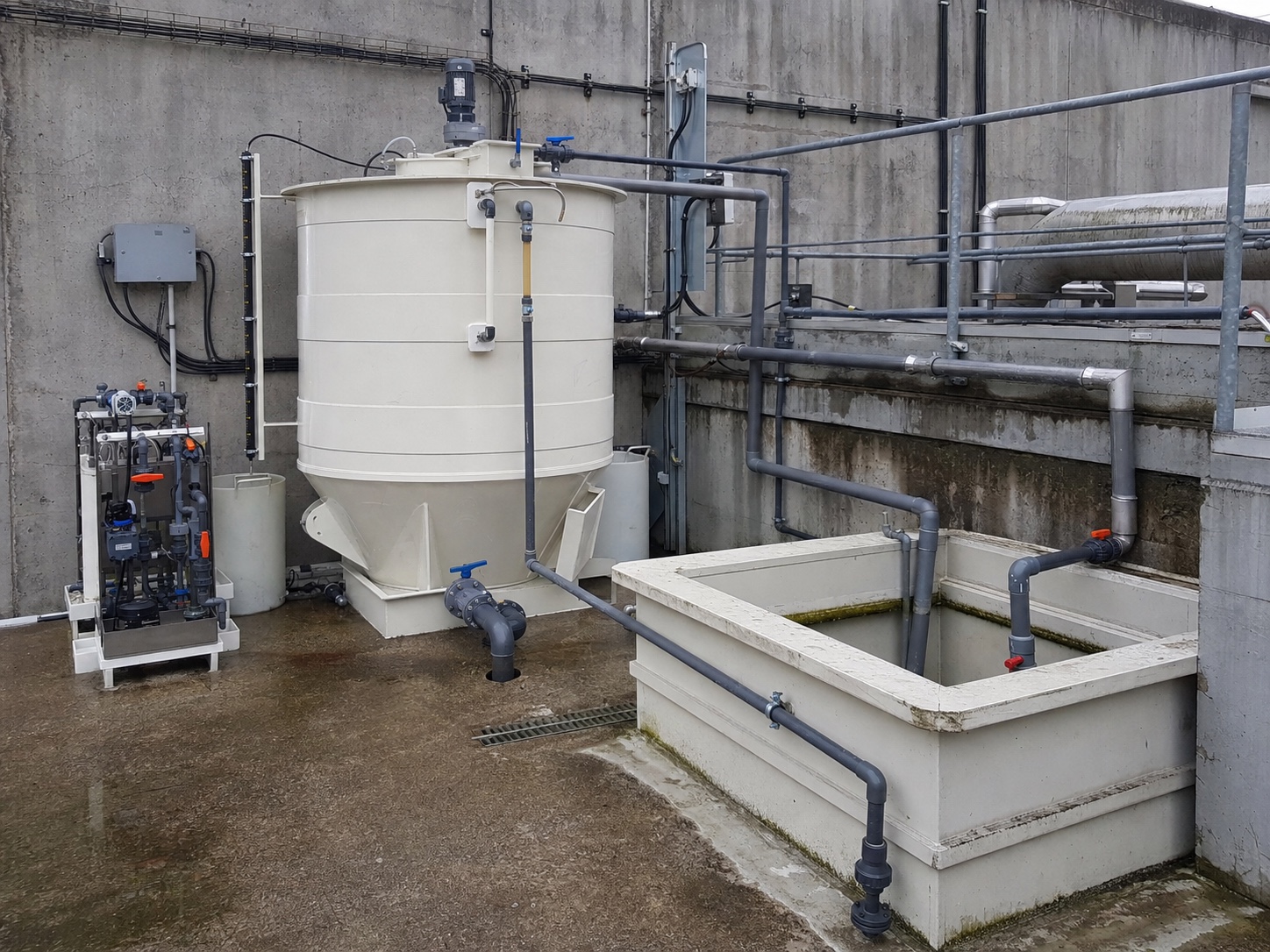
Wastewater composition can vary more than a clean process stream. Include upset pH, solids, oxidizers, cleaning agents and temperature excursions. Avoid approving a fitting from one typical chemical value when the line receives multiple waste streams. For equipment context, see QEEHUA’s PP sheet guide for wastewater-treatment equipment.
Semiconductor and high-cleanliness applications
When cleanliness, particle control or traceability matters, material choice is only one part of the specification. Define cleaning, packaging, joining controls, inspection records and allowable contact materials. Do not reuse a general industrial fitting specification without checking the clean-process requirements.
Buyer checklist: what to put in an RFQ
- Line number, service description and fluid composition.
- Normal and maximum concentration, temperature and pressure.
- Pipe material, nominal size, outside diameter or standard and wall class.
- Fitting type, quantity, angle, branch size, reducer geometry and connection method.
- Gasket, seal, insert, flange and fastener requirements.
- Layout drawings showing supports, equipment nozzles, drains and access.
- Required standards, certificates, inspection points and traceability.
- Outdoor exposure, UV protection, heat tracing, insulation and fire-safety constraints.
Frequently asked questions
Are PP fittings suitable for acid and alkali chemical piping?
They can be suitable for many services, but suitability depends on the exact chemical, concentration, temperature, pressure, exposure time, stress and joint materials. Use a compatibility chart for screening and obtain project-specific confirmation before approval.
Should PP fittings be matched to PP or PPH pipe?
Match the fitting to the pipe system, material family, dimensions, joining procedure and rating basis specified for the project. Do not combine products only because both are described as polypropylene.
Which connection method is best for corrosive service?
There is no single best method for every line. Heat fusion can create a fully thermoplastic joint when the compatible system and qualified procedure are used. Flanges and unions are often needed for equipment connection or maintenance access. Follow the manufacturer procedure and project specification.
Do PP fittings have one universal pressure and temperature rating?
No. Ratings depend on material, dimensions, fitting design, temperature, pressure, standard and installation conditions. Request the rating for the exact selected fitting and service condition.
What information should I send when requesting a QEEHUA quotation?
Send the chemical and concentration, temperature and pressure range, pipe size and material, fitting list, connection method, drawings, required standards, quantity, delivery location and documentation requirements. Include upset and cleaning conditions for corrosive or high-consequence service.
Conclusion: select the system, not only the fitting
The safest PP fitting decision connects chemical compatibility, operating conditions, matching materials, approved joining and a supported layout. Prepare the RFQ with the checklist above so the quotation compares equivalent items and the final approval is traceable. For a project review, contact QEEHUA with the chemical schedule, piping drawings and fitting list.
For PP fittings for corrosive chemical piping, record the final project assumptions and acceptance checks before releasing the fabrication or purchase scope.