Solid PP sheet has a continuous cross-section, while corrugated polypropylene panels have two outer skins connected by internal ribs. For fabricated equipment, choose the format by the panel's job. A liquid barrier or welded wall needs a continuous, sealed wetted barrier and documented joints. A non-pressure guard, divider, or cover may use a hollow panel when its channels, rib direction, edges, and support match the duty. The two forms have different load paths, so their nominal thicknesses are not directly interchangeable. Identify the load, chemical contact, cleaning method, support, and joining process before comparing quotations. This article compares formats and does not establish QEEHUA supply of corrugated panels.
Choose the wall for its job
Solid sheet and twin-wall panel are both made from polypropylene, but they solve different construction problems. Solid PP sheet provides material through the wall thickness. Fabricators can cut, machine, bend, or weld it into equipment parts using a process matched to the material and the drawing. Twin-wall PP uses less material through its hollow core. The outer skins and ribs make a panel that can suit packaging, dividers, and selected covers or guards where the hollow channels are acceptable.
For tanks, ducts, and process equipment, start with containment and joint design. The British Plastics Federation's industrial thermoplastic fabrication guide describes work with sheet, pipe, and profiles using compatible materials and welding methods; it lists vessels, tanks, and ductwork among fabricated products. That describes a fabrication route, not an approval for a specific grade or design. A panel choice still needs the drawing, operating conditions, and agreed inspection plan.
Use corrugated polypropylene panels when the intended part can work with the hollow structure and its open or closed edges. A buyer comparing corrugated polypropylene panels for equipment should check how the rib direction meets the support and how the open channels will be finished. Use a continuous solid panel when the design needs a full material section for its wall, machined feature, or joint preparation. The label alone does not settle whether a panel can carry a particular load or contact a chemical.
Compare the panel sections
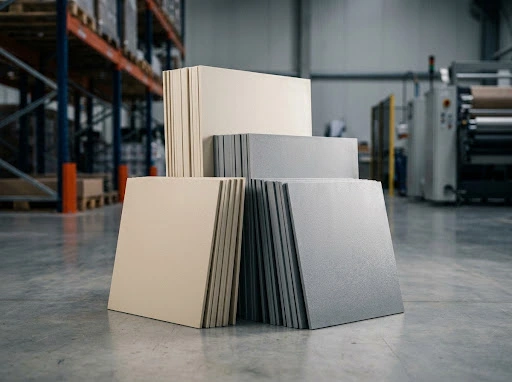
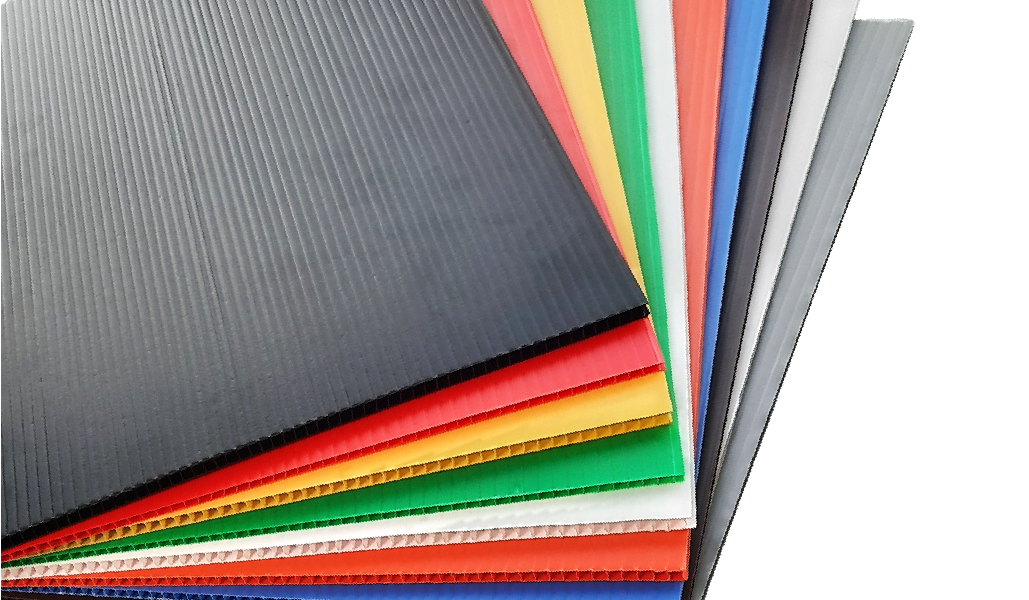
The construction difference is visible at a cut edge. A packaging-systems guide to twin-wall PP sheets describes two outer layers connected by vertical ribs and formed by extrusion. It also describes sealing the open flutes during packaging fabrication. That guide explains panel construction and packaging practice; it does not qualify a panel for chemical equipment.
Panel form and fabrication comparison
| Decision point | Solid PP sheet | Corrugated or twin-wall PP panel |
|---|---|---|
| Cross-section | Continuous polypropylene through the wall | Two outer skins joined by repeated internal ribs and hollow channels |
| Cut edge | Solid edge exposes the full sheet thickness | Cut edge can expose open flutes that may need a closure detail |
| Joint planning | Joint preparation can use the full section, subject to grade and weld method | Skin and rib positions affect access, sealing, and the way a joint must be designed |
The table is a format screen, not a performance rating. Twin-wall construction varies by panel design, skin thickness, rib spacing, and material grade. Ask for the exact section drawing and relevant product data when those details affect a support, fastener, cutout, or sealed edge.
Follow the load path
In solid sheet, the panel material forms one continuous wall. In twin-wall sheet, the skins and ribs share the work, and the rib direction can affect how the panel behaves across a span. A buyer should therefore ask how the panel is oriented in the equipment and what support spacing, fastener layout, or local load the design assumes. A thickness value alone does not describe that load path.
The difference becomes important around openings and edges. A nozzle, hinge, bolted connection, or support may load only part of a panel. A solid wall gives the engineer one continuous section to examine. A hollow panel may need a shaped edge, insert, local reinforcement, or a different fastening detail. Those choices depend on the panel's actual construction and the load case. Do not transfer a calculation for solid sheet to a corrugated panel with the same outside thickness.
Also consider how the component will be cleaned and inspected. Open channels can hold soil or retain liquid if the edge and orientation leave them exposed. If a part must be washed, drained, or inspected inside, specify whether the channels are open, capped, or otherwise closed and how that condition will be checked after fabrication.
Plan joints and exposed edges
Solid PP sheet is suited to established panel-forming and welding processes when the grade, thickness, equipment, and procedure match. The DVS technical code on heated-tool fold welding covers PP and PE panels and identifies tank and apparatus construction among its applications. It also ties weld quality to operator skill, equipment, and process conditions. The current code required by a project should be confirmed before a fabrication procedure is released.
A twin-wall panel needs a joint detail that accounts for both skins and the hollow core. A packaging fabricator may seal flutes or weld the sheet for a box, but those operations do not by themselves prove a fluid-tight seam, chemical resistance, or pressure rating for process equipment. A cut edge, corner, fastener, and transition to a solid fitting each need their own detail when the part has a containment or cleaning duty.
List the joint type, edge closure, and inspection method on the drawing. For a welded assembly, identify the grade and welding process, then require the fabricator to show how the joint will be made and checked. If only one face is accessible, show that access constraint before material is selected. This avoids choosing a panel whose internal ribs block the tool or closure needed by the planned joint.
Match format to equipment
For a chemical tank wall or wet duct section, begin with the continuous barrier, chemical exposure, operating temperature, pressure or vacuum, span, and support. A solid PP panel may fit that construction route when its material grade and design are confirmed. For a guard, divider, or cover away from liquid containment, a corrugated panel may suit a lower-weight construction if its ribs, edge treatment, and mounting work for the part.
These are screening questions, not a universal rule that one form is stronger or safer. Polypropylene grade, panel geometry, fabrication, and service conditions all affect the decision. A solid panel can still be a poor choice if its grade or thickness does not fit the duty. A hollow panel can work only where the product data and design address its core and connection details.
ال QEEHUA PP sheet page is a starting point for solid-sheet inquiries. Its presence does not confirm a corrugated product offering. For a request for corrugated polypropylene panels, state the exact section and supply form that the project requires. The electroplating application page can help describe one fabricated-equipment setting. Use the دليل بيانات ورقة PP to connect a material result to its grade and test scope, and the material traceability guide to keep the offered panel and fabrication records tied together.
Prepare a format request
State whether the drawing calls for solid sheet or corrugated twin-wall panel. Give the grade or required material data, nominal thickness, finished dimensions, quantity, and application. For a hollow panel, add the rib direction, section detail, edge closure, and which side faces the process. For a solid panel, mark the edges, holes, weld bevels, formed corners, and surfaces that will be machined or inspected.
Attach the operating duty and identify the decision the supplier must answer. For a tank or wet process part, include the medium, concentration, temperature, pressure or vacuum, and the drawing revision. For a guard or divider, give the load, support points, impact exposure, and cleaning requirement. Ask which material facts are confirmed and which require a sample or project review.
استخدم صفحة الاتصال بـ QEEHUA to send the request and drawings. A clear format description lets the supplier answer whether it can quote the requested construction, while the drawing and service conditions allow the equipment team to assess how the panel will be used.
الأسئلة الشائعة
Are corrugated and twin-wall PP panels the same format?
In this comparison, corrugated refers to a hollow panel with two skins joined by ribs, a construction also described as twin-wall. Confirm the cross-section, rib direction, thickness, and edge condition on the product drawing because names alone do not define them.
Can a corrugated PP panel be used as a chemical tank wall?
Only a project-specific design and product evidence can answer that. The review needs the exact panel structure, chemical exposure, pressure, supports, joints, edge closures, and inspection requirements.
Does a thicker corrugated panel have the same strength as solid PP sheet?
No. The two constructions carry loads through different sections. Compare the panel data and design for the actual rib direction, support, connections, and load instead of comparing outside thickness alone.