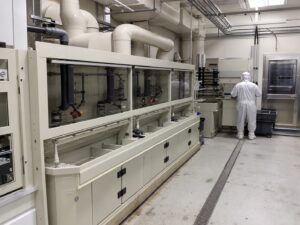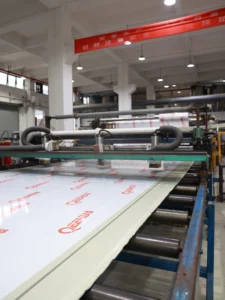
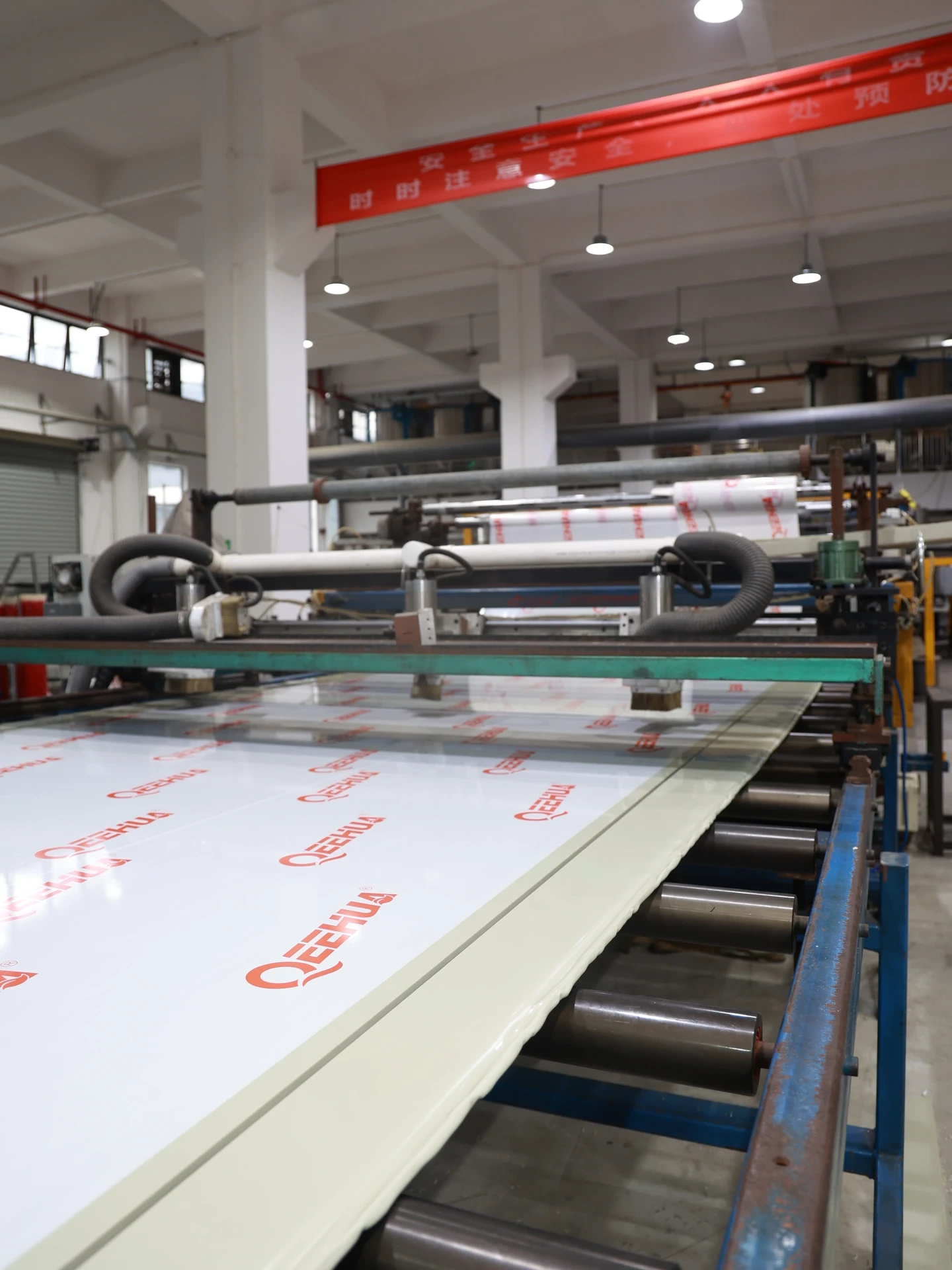
This guide covers chemical tanks, process ducts, scrubber components and other fabricated plastic equipment made from PP sheet. It also explains how Pręty spawalnicze PP, polypropylene welding rod profiles and PP sheets fit together in a procurement specification.
Why PP Welding Rod Selection Matters in Chemical Fabrication
A welded tank or duct is a system of polymer, joint, heat input and geometry. If the rod is not compatible with the base sheet, the weld may become the weak point even when the equipment dimensions are correct. A common purchasing mistake is to specify a rod by color or diameter alone without identifying the PP material and welding method.
For chemical service, review the actual liquid or vapor, concentration, temperature, exposure time and mechanical loading with the fabricator. General material guidance does not replace a chemical-resistance review or an engineered design check.
How to Match the Rod to PP Sheet and Equipment
1. Confirm polymer compatibility
Start with the base material: PP sheet should be welded with a compatible polypropylene rod. Ask for the material designation used for the sheet and rod, and keep supplier identification with the project records. Do not assume that a visually similar thermoplastic is interchangeable.
2. Match the rod form to the welding process
Hot-air, extrusion and other thermoplastic welding methods place different demands on rod feed, melt behavior and joint preparation. The rod diameter and profile should suit the welding equipment and joint design. The correct process is the one that produces controlled fusion without overheating, voids or contamination.
3. Prepare the joint before heating
Clean, dry and correctly bevel the joint surfaces. Remove oxidation or contamination according to the fabricator’s procedure, maintain alignment and use the equipment manufacturer’s settings as the starting point. For preparation tools and process planning, see PP welding joint preparation equipment.
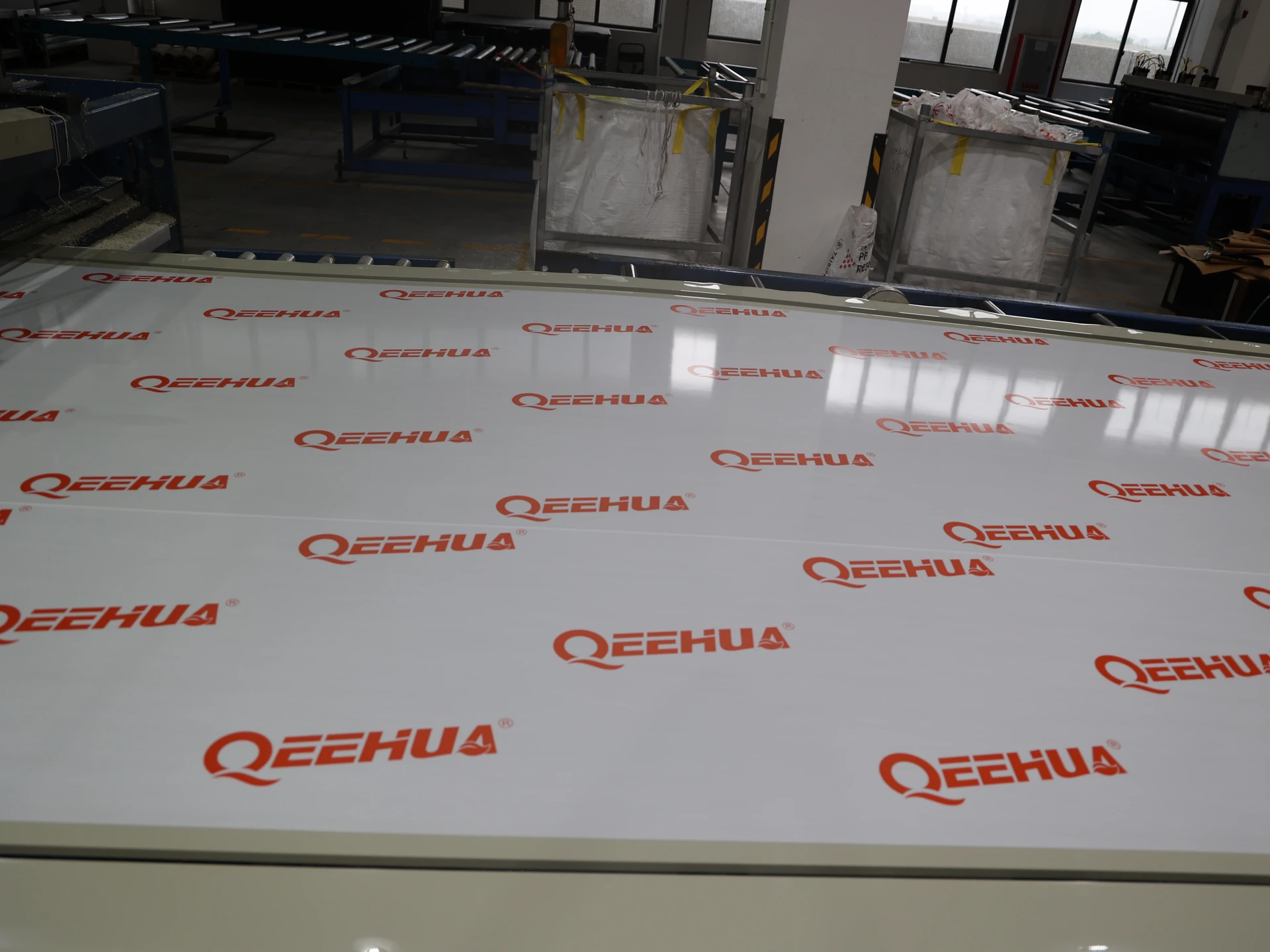
PP Welding Rod Selection Table
| Fabrication question | What to verify | Dlaczego to ważne |
|---|---|---|
| What is the base material? | PP sheet or PP component designation, supplier documentation and traceability. | The rod must be compatible with the polymer being joined. |
| What equipment is being fabricated? | Tank, duct, scrubber part, hood, pipe fitting or custom enclosure; joint location and loading. | Geometry and service loads influence joint design and welding access. |
| Which welding process will be used? | Hot-air or extrusion welding equipment, nozzle or shoe, rod feed and operator procedure. | Rod size and process control must work together. |
| What is the chemical service? | Chemical identity, concentration, temperature, vapor exposure and cleaning cycle. | Material suitability is application-specific; a generic compatibility claim is not a design approval. |
| How will the weld be inspected? | Visual acceptance, dimensional checks, leak testing or another project-approved inspection method. | Inspection requirements should be agreed before fabrication, not after a leak occurs. |
For EPC and industrial procurement packages, document the material, dimensions, welding method, inspection expectations and exclusions. A PP sheet material submittal for EPC projects can help keep the material decision visible during review.
Application Checks for Chemical Tanks and Ducts
Chemical tanks
Tank fabrication requires more than a rod selection. Review liquid head, support spacing, nozzle loads, access openings, thermal cycling and the proposed lining or structural arrangement. Liquid head is only a screening consideration, not a complete PP tank wall-thickness or structural design calculation. An engineer must verify the design boundary conditions.
Process ducts and scrubber components
Ducts and scrubber parts may see chemical vapors, negative or positive pressure, temperature changes, fans, supports and vibration. Check flange details, transitions, corners, weld access and movement allowances. Rod compatibility remains essential, but joint geometry and installation quality often determine whether the assembly performs as intended.
For general thermoplastic welding terminology and technical background, consult the TWI plastic welding guidance. For a standards reference used in thermoplastics piping and industrial applications, review ISO 15494 and confirm the edition and project applicability with the responsible engineer.
Common PP Welding Rod Selection Errors
- Choosing a rod because its color looks similar to the sheet.
- Changing rod diameter without checking the welding gun, nozzle or extrusion shoe.
- Welding over a dirty, oxidized or poorly aligned joint.
- Using chemical resistance as a substitute for structural, thermal or pressure design.
- Leaving inspection and leak-test requirements undefined until the equipment is complete.
Często zadawane pytania
What is the best PP welding rod for plastic tank fabrication?
The best PP welding rod is a polypropylene rod compatible with the PP sheet or component and suitable for the selected welding process. Confirm the material designation, rod form, joint design and service conditions with the fabricator.
Can polypropylene welding rod be used for chemical ducts?
Polypropylene welding rod can be used for compatible PP duct components when the chemical environment, temperature, pressure, supports and joint design have been reviewed. The rod alone does not determine duct suitability.
Does PP sheet welding require joint preparation?
Yes. PP sheet welding normally requires clean and dry surfaces, suitable edge preparation, alignment and controlled heat input. The exact preparation depends on the joint and welding process.
How do I specify PP welding rod in an EPC package?
Specify the compatible PP material, sheet and rod identification, welding process, joint details, inspection method, service conditions and required documentation. Avoid specifying only color or nominal diameter.
Is ISO 15494 approval the same as a tank design approval?
No. A standard reference and material compliance statement do not replace an engineered tank design review, chemical compatibility assessment or project-specific inspection plan.
Procurement Checklist and Next Step
Before ordering, send the fabricator the equipment type, PP sheet identification, chemical service, operating temperature, dimensions, joint details, welding process, inspection requirements and delivery documentation needs. If the material or design boundary is uncertain, resolve that uncertainty before production.
Need help defining PP welding rod and sheet requirements? Share your tank, duct or equipment drawings, service conditions and fabrication process through the QEEHUA contact page for a project-specific review.