
How to Choose PP Fittings for Corrosive Chemical Piping Systems
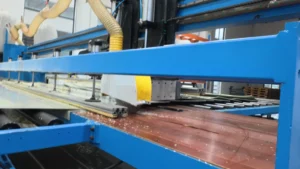
Short answer: choose PP fittings for a corrosive chemical piping system only after checking the actual chemical, concentration, temperature, pressure, connection method, pipe material and support layout together. PP can be a strong option for many acid, alkali, salt and wastewater services, but corrosion resistance is not a universal approval. The fitting, joint and installation design must match the complete service condition. Real QEEHUA production imagery: confirm the selected PP or PPH system and dimensions against the current project drawing. Why PP fitting selection is harder than choosing a pipe size In a chemical line, the fitting is not a minor accessory. Elbows, tees, reducers, unions, flanges, adapters and valves determine how the system changes direction, branches, connects to equipment and gets maintained. A fitting can be chemically compatible while the joint, gasket, thread, flange, support or operating temperature is not. A reliable selection process starts with service data rather than nominal diameter. The Plastics Pipe Institute TR-19 chemical-resistance report warns that unstressed plastic test results do not automatically represent a pipe or fitting under constant pressure, repeated stress or other mechanical loads. The five checks to complete before ordering PP fittings Selection item What to confirm Why it matters
How to Select PP Sheet for Electroplating Tanks by Chemical Duty
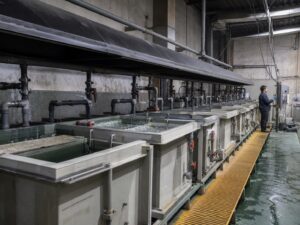
For an electroplating tank, the material choice starts with the bath. The word “chemical” is not enough. Before a sheet is selected, the project record should show the liquid, concentration, temperature range, liquid height, agitation, support spacing, and welding method. PP sheet for electroplating tanks can suit many wet-process components, but the sheet grade is only one part of the decision. Tank geometry, local loads, welded joints, cleaning chemicals, and upset conditions all belong in the same review. Start with the actual bath and compare the requirements with the QEEHUA PP sheet range before asking for a quotation. Real QEEHUA production imagery: check the supplied sheet grade and dimensions against the current project drawing. What problem does an electroplating tank need to solve? An electroplating line rarely has just one liquid. It may include acid baths, alkaline cleaners, rinse tanks, metal-bearing solutions, heated sections, pumps, agitation equipment, and overflow areas. Each part can expose the material to a different combination of chemistry, temperature, liquid load, and handling. The wastewater boundary matters as well. The U.S. EPA electroplating effluent guidance describes electroplating operations involving metals including copper, nickel, chromium, zinc, lead, cadmium, and silver. That guidance does not choose a tank
Opakowanie z arkuszy PP do wysyłki projektu: co należy potwierdzić
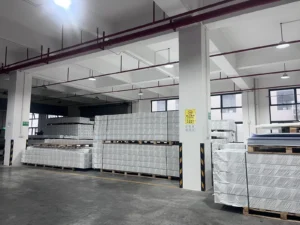
Dyskusja na temat opakowań z arkuszy PP powinna rozpocząć się od samych paneli projektu i trasy transportu. Należy określić rozmiary arkuszy, ich ilość, powierzchnie, etykiety, punkty obsługi, miejsce przeznaczenia oraz stan, który będzie sprawdzany po otrzymaniu. Opakowanie musi zostać potwierdzone dla danego zamówienia. Zdjęcie z magazynu lub wysyłki przedstawia kontekst produktu, ale nie gwarantuje projektu opakowania, trasy eksportu, stanu dostawy ani wydajności transportu. Należy uwzględnić pytanie dotyczące opakowania w pisemnym zgłoszeniu projektowym. Opis projektu. Dokumentacja wysyłki musi łączyć każde opakowanie z jego panelami i częściami, w które się przekształci. Ma to znaczenie, gdy arkusze mają różne wymiary, wymagania dotyczące powierzchni lub poprawki rysunku. Widoczna etykieta opakowania pomaga zespołom odbiorczym uniknąć mieszania materiałów przed produkcją. Należy użyć serii arkuszy PP QEEHUA z rekordem komponentu. Strona aplikacji branżowych może pomóc kupującemu w umieszczeniu zamówienia w kontekście sprzętu, ale rysunek i rzeczywiste obowiązki pozostają dowodem projektu. Należy dołączyć do pliku projektu krótkie oświadczenie decyzyjne. Powinno ono określać, co jest wybierane, jaki stan kontroluje kontrolę i jakie dowody zamkną produkt. Jest to bardziej przydatne niż kopiowanie etykiety materiałowej do kilku dokumentów. Kupujący, producent i inspektor widzą wtedy ten sam zakres.