Include the service liquid and SDS, concentration and temperature range, working volume and liquid level, tank dimensions, mixer and piping loads, nozzles, supports, inspection documents, delivery constraints, and approval requirements. A complete PP tank RFQ lets QEEHUA separate material review, structural design, fabrication, and commercial scope before preparing a quote.
Short answer: PP tank RFQ checklist
A PP tank RFQ checklist should define the liquid, operating conditions, dimensions, connections, drawing requirements, and inspection scope before quotation.
Start with the process question, not the tank price
The supplier needs to know what the tank will do before selecting a material or fabrication route. State whether the tank is for storage, neutralization, rinsing, mixing, collection, or another process step. Identify normal operation, start-up, shutdown, cleaning, and upset conditions.
Attach the current safety data sheet (SDS) for every liquid or dosing chemical. OSHA’s Wskazówki dotyczące komunikacji zagrożeń explains why labels and SDS information must be available to workers. The SDS supports a compatibility review; it does not approve a tank design or replace the responsible engineer’s decision.
If the tank is part of an industrial wastewater line, include the process step, discharge route, and permit assumptions in the RFQ. The Przegląd ścieków przemysłowych EPA provides regulatory context, but it does not set the material, wall design, or project-specific discharge approval.
The 10 RFQ fields that change a PP tank quotation
Use the following fields as a one-page RFQ checklist. Each item closes a common information gap that otherwise creates a qualification, redesign, or change-order question.
| RFQ field | What to send | Why the supplier needs it |
|---|---|---|
| 1. Service liquid | Chemical names, mixtures, concentration range, pH range, and SDS files | Compatibility must be checked against the actual exposure, not a generic “chemical tank” label. |
| 2. Temperature | Normal, maximum, cleaning, and upset temperatures plus duration | Temperature and exposure time can change the material and weld review. |
| 3. Volume and level | Working volume, maximum liquid level, freeboard, and residence time | Liquid head and operating volume influence panel layout and support design. |
| 4. Dimensions | Length, width, height, cover, access openings, and installation envelope | Defines fabrication joints, transport limits, maintenance access, and site fit. |
| 5. Mixing duty | Agitator or mixer model, mounting location, speed, and load data | Equipment loads and vibration need a controlled connection design. |
| 6. Connections | Nozzle sizes, pipe material, flange standard, drain, overflow, and sampling points | Penetrations and interfaces are potential leak paths and must be drawn. |
| 7. Supports | Base, frame, legs, support spacing, seismic or external loads, and access platform | The sheet cannot be sized from capacity alone; support and load paths matter. |
| 8. Fabrication scope | Welded seams, baffles, stiffeners, liners, inserts, and field joints | Separates QEEHUA’s supplied scope from site fabrication or installation work. |
| 9. Quality records | Drawing revision, material identification, inspection method, certificates, and test records | Creates a traceable review package for EPC, EHS, and commissioning teams. |
| 10. Commercial and delivery limits | Quantity, destination, access route, packing, target date, and named approver | Allows a quote to state assumptions, exclusions, and delivery conditions clearly. |
Describe the PP sheet option without prescribing an unsafe shortcut
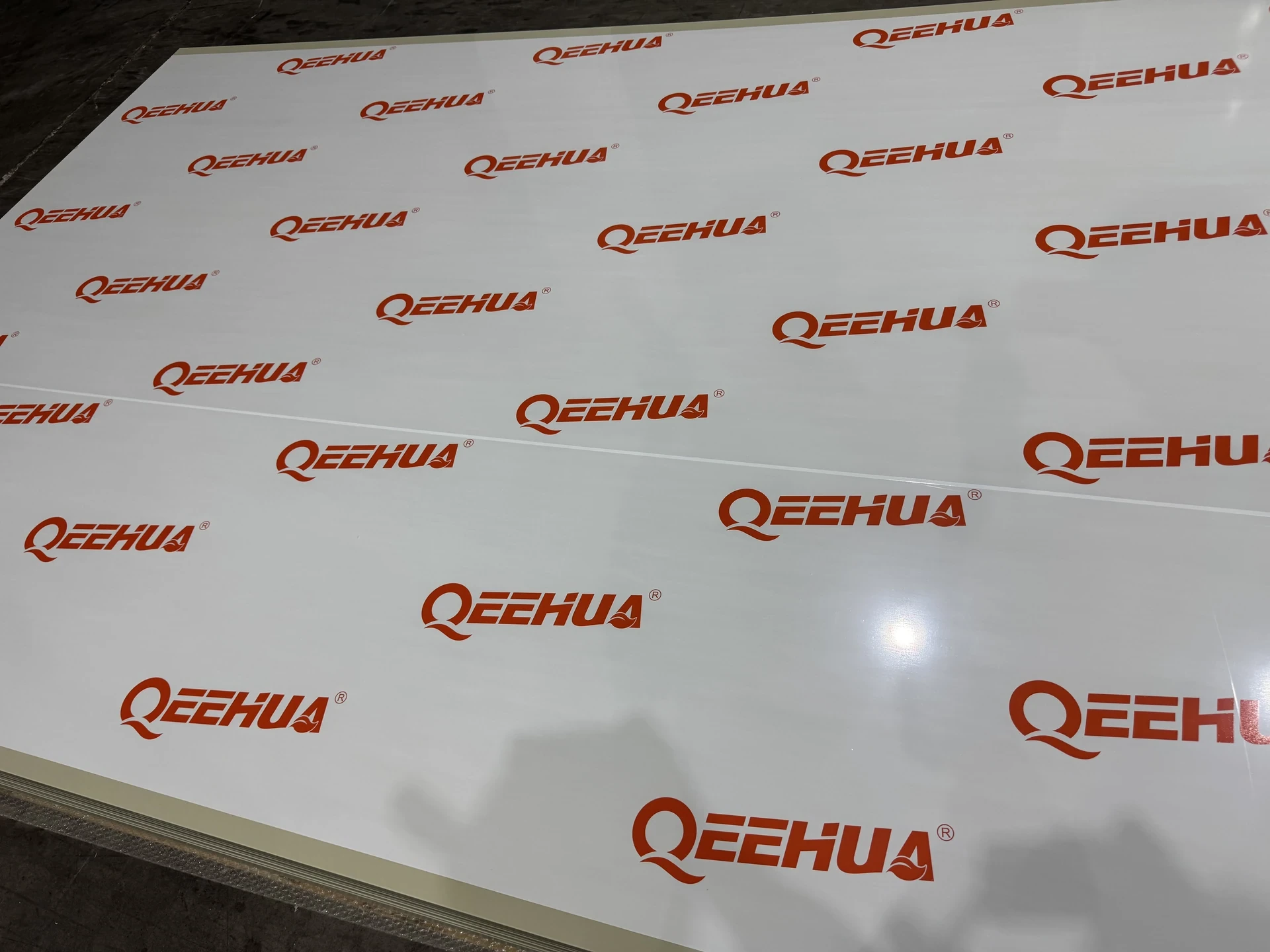
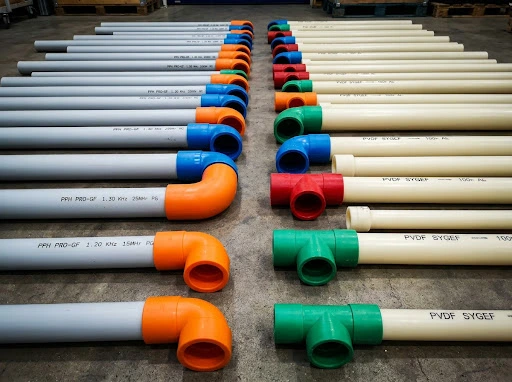
QEEHUA PP Sheet information describes polypropylene sheets for chemical storage, water treatment, and fabricated equipment. The page lists standard thicknesses from 3–30 mm, extra-thick options from 40–100 mm, and widths up to 3,300 mm. Include these as available options to review, not as a preselected wall design.
Ask the supplier to state the proposed sheet option, thickness basis, support spacing, weld-rod match, joint arrangement, and assumptions. Avoid writing “use the thickest sheet” or “quote a 1,000-liter tank” without the liquid level, spans, mixer load, and connection details.
Make drawings and interfaces part of the first request
Attach a plan view, elevation, and connection sketch whenever possible. Mark the tank orientation, liquid level, access side, drain direction, pipe centerlines, and maintenance clearance. If the drawing is preliminary, label it as preliminary and list the dimensions that remain open.
Use the same revision code on the RFQ, drawing, SDS package, and requested inspection records. This simple control helps the buyer and supplier compare the same design basis during technical clarification.
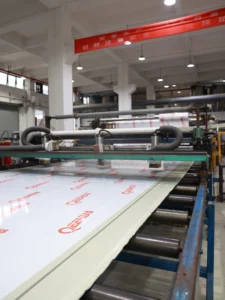
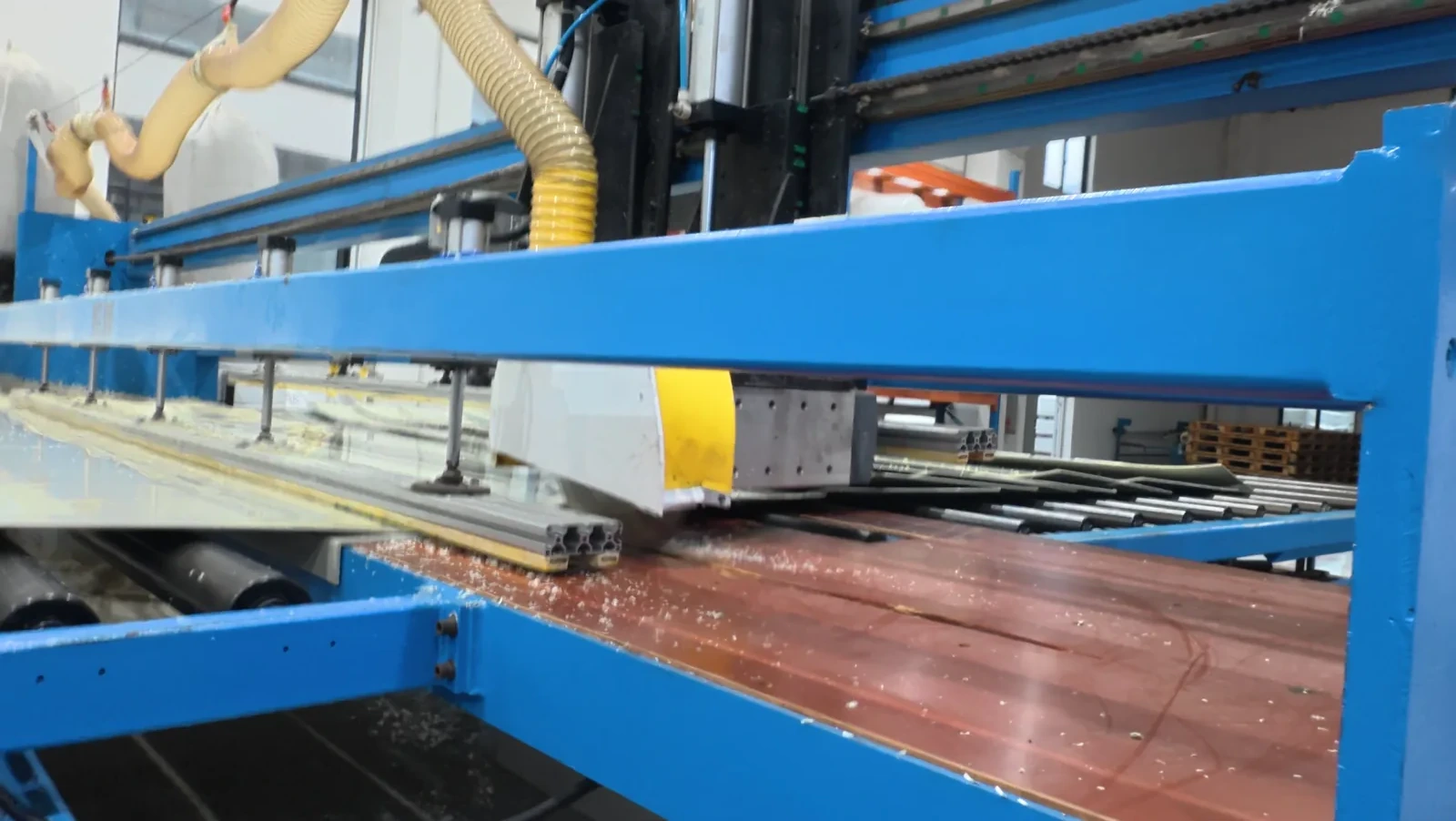
Why process records belong in the RFQ: this QEEHUA clip shows PP sheet cooling and conveyor equipment. It is a useful reference for discussing process steps and documentation, but it is not a tank design approval or a chemical-compatibility statement.
Odniesienie do filmu: PP Sheet Cooling Process: Cooling Platform and Conveyor System | QEEHUA. The clip is relevant to the sheet-production context behind a fabricated PP tank; confirm the actual grade, design loads, weld procedure, and project documents before ordering.
Keep the video block separate from the images and continue the RFQ review in text. A supplier should be able to identify which information is confirmed, which is an assumption, and which requires the buyer’s approval before fabrication.
What to request back with the quotation
A useful quotation should make its design basis readable. Ask for a marked-up scope or quotation note that identifies the included tank components, excluded site work, proposed material, assumptions, and open questions.
- Proposed PP sheet option and the basis for thickness, supports, and stiffeners.
- Tank outline drawing with dimensions, liquid level, openings, nozzles, drain, and overflow.
- Welded-joint approach, welding-rod match, inspection method, and available records.
- Included accessories such as baffles, covers, frames, ladders, fittings, or removable inserts.
- Packaging, transport, site access, installation responsibility, and field-joint assumptions.
- Compatibility, structural, regulatory, and commissioning items that remain subject to approval.

RFQ mistakes that slow down a PP tank project
- Capacity-only requests: volume does not define liquid head, supports, mixer loads, or connection geometry.
- Missing chemical details: concentration, temperature, cleaning liquid, and mixed streams can change the review.
- Uncontrolled drawings: a quotation based on an old revision can create avoidable rework.
- Undefined interfaces: drains, overflow, flanges, and field joints need named responsibility.
- Unclear records: state whether the project needs material identification, inspection reports, or certificates before production.
Często zadawane pytania
What is the most important item in a PP tank RFQ?
The most important item is the complete service duty: liquid or mixture, concentration, temperature, exposure time, working and maximum levels, and SDS information. Geometry and loads must be added before a supplier can review fabrication scope.
Can I request a PP tank quote from capacity and dimensions only?
You can request a preliminary budget, but a firm technical quotation also needs chemical duty, liquid level, supports, mixer and piping loads, connections, inspection records, delivery conditions, and approval requirements.
Which documents should accompany a PP tank quotation?
Provide the controlled drawing revision, SDS files, process description, connection schedule, load information, required inspection or certificates, delivery constraints, and the person responsible for final technical approval.
General engineering and procurement guidance only. Final material compatibility, structural design, welding quality, regulatory compliance, and installation scope must be confirmed by the responsible project engineer and applicable authority.