A search for polypropylene sheets 4×8 usually means a nominal four-foot by eight-foot sheet. Under the exact inch-to-millimetre conversion, 48 by 96 inches equals 1,219.2 by 2,438.4 mm. That conversion describes the label, not a supplier's size tolerance or current inventory. A usable cut yield also depends on the finished part list, edge trim, saw kerf, and part orientation. Start with the nominal size for an area estimate, then build the cut plan from the dimensions confirmed on the quotation. Before ordering, ask which delivered size, thickness, and cutting allowance the quotation will use.
What does 4×8 describe?
The `4×8` label describes nominal width and length in feet. It does not identify a PP grade, a thickness, a dimensional tolerance, or a ready-to-cut area. In a drawing, state which side is the 4 ft width and which is the 8 ft length. That avoids a mismatch when a supplier lists width first and a buyer has specified a part along the longer side.
For a rectangular sheet, the label gives a useful starting area of 32 square feet. It does not say how much material will become finished parts. A part list with holes, slots, angled edges, or a required trim margin can use less of the sheet than an area-only estimate suggests. Keep sheet dimensions, finished part dimensions, and any allowance as separate entries in the drawing or cut list.
Some quotes use a rounded metric label. For example, 1,220 by 2,440 mm is 0.8 mm wider and 1.6 mm longer than an exact conversion of 4 by 8 ft. Those differences are arithmetic, not a tolerance statement. If a quotation uses the phrase polypropylene sheets 4×8, ask the supplier to map it to the actual nominal dimensions on its current sheet list. If the finished part must fit a mating frame or gasket, request the actual cut size and its agreed tolerance instead of relying on a rounded name.
Convert the nominal dimensions
NIST defines the international inch as exactly 25.4 mm. Applying that factor to 4 ft by 8 ft gives the values below. The area uses the exact converted width and length, so the metric area is a mathematical conversion of the nominal sheet area. See the NIST definition of the inch for the conversion basis.
| Measure | Nominal customary value | Exact metric conversion | Conversion basis |
|---|---|---|---|
| Width | 4 ft = 48 in | 1,219.2 mm | 48 in x 25.4 mm per in |
| Length | 8 ft = 96 in | 2,438.4 mm | 96 in x 25.4 mm per in |
| Gross face area | 32 sq ft = 4,608 sq in | 2.97289728 m² | 48 in x 96 in x 645.16 mm² per in² |
These are exact unit conversions for nominal dimensions. They do not establish the size, tolerance, flatness, or availability of a sheet offered for sale. Confirm those details on the supplier's quotation or controlled drawing.
For a quick check, 1,219.2 mm is not the same number as 1,220 mm, and 2,438.4 mm is not the same as 2,440 mm. A rounded listing may be adequate for an early layout, but a close fitting part needs the exact supplied dimension. Keep the original units from the drawing beside the converted values so another person can check the calculation.
Estimate usable cutting yield
Calculate area yield as the total area of the finished rectangular parts divided by the incoming sheet's gross area, then multiply by 100. For a polypropylene sheets 4×8 cut plan, use the measured blank size in this calculation after accounting for any agreed edge trim. This is a layout estimate. It does not include the value of reusable offcuts, the cost of a setup, defects, or the time needed to cut each part. If the parts are irregular, use the approved CAD nesting report instead of adding their bounding rectangles as if every corner were solid material.
Consider a worked layout on a measured 48 by 96 in sheet. Assume the shop removes 0.25 in from each outside edge and uses a 0.125 in saw kerf. Four blanks measuring 23.5 by 47.5 in fit as two across and two along. Across the width, the parts and one kerf need 47.125 in. Along the length, they need 95.125 in. Both totals fit within the trimmed area of 47.5 by 95.5 in.
The four finished rectangles cover 4,465 square inches. Compared with the nominal 4,608 square inch sheet, that layout has a theoretical area yield of about 96.9 percent. The remaining area includes the edge trim, saw cuts, and narrow strips left by this particular arrangement. This example is intentionally tight and only shows the arithmetic. A different saw, uneven edge, machine hold-down, or required part tolerance can change the count.
Keep kerf in the nest
Kerf is the material removed by the blade or cutter. For repeated parts in a row, a first estimate is the number of parts multiplied by each part's dimension, plus the number of separating cuts multiplied by the stated kerf. A row of four blanks normally has three internal separating cuts. Do not add a kerf to an outside edge unless the cutting route actually removes material there.
The layout needs the trim allowance in addition to the nominal part dimensions. A shop may need to square the original edge, leave a clamping margin, or cut a finished edge after the main nest. If two parts can rotate freely, compare both orientations. If a feature, surface requirement, or later weld makes orientation important, mark the permitted direction on the drawing before counting parts.
For a small number of rectangles, a hand sketch can expose obvious waste. For a mixed list, ask the cutting shop to return a marked nesting plan that shows sheet size, part count, rotation, trim, kerf, and saved offcuts. The result should state whether the supplier is quoting full sheets, cut blanks, or both. A percentage without those inputs cannot be checked or compared with another quote.
Check the received sheet
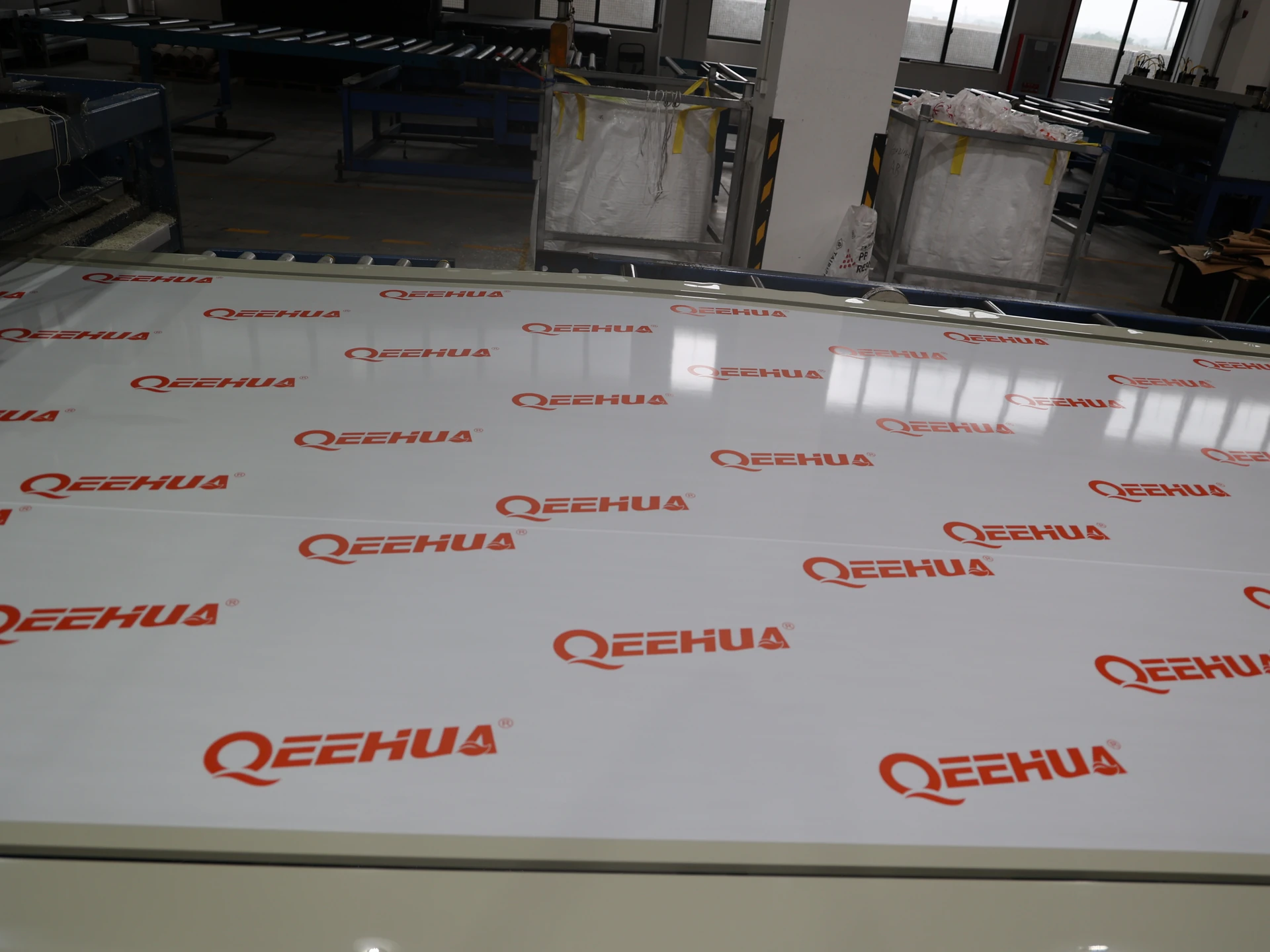
Measure the sheet that will enter the cutting process. Record the actual width and length, the measurement locations, and the thickness. Check whether the edges are square enough for the layout and whether the delivered panel includes an edge allowance that must be removed. The nominal label remains useful for identification, while the measured size controls how many parts can fit on the actual blank.
Thickness also affects the chosen cutting process and the edge needed for a later joint. Do not infer a thickness tolerance from the 4×8 label or from a generic product description. Ask the supplier to identify the grade, nominal thickness, agreed tolerance, and whether dimensions refer to the incoming sheet or a cut panel. If the purchase has a critical fit, state where and how the finished part will be inspected.
These checks matter when a quote is compared across suppliers. One quotation may describe a nominal full sheet and another may price a cut rectangle after trimming. The prices are not directly comparable until the purchased area, delivered dimensions, and cut scope match. Ask each supplier to separate the price of the sheet from any cutting or edge preparation service.
Prepare the cut request
Send the drawing revision and a cut list with width, length, quantity, units, and any part orientation that must be kept. State the required sheet form and nominal size, then list the cut dimensions after allowances. Add the blade or router kerf if you are calculating yield yourself. Ask the supplier to confirm the actual incoming dimensions used for its layout and to identify the tolerance that applies to each finished edge.
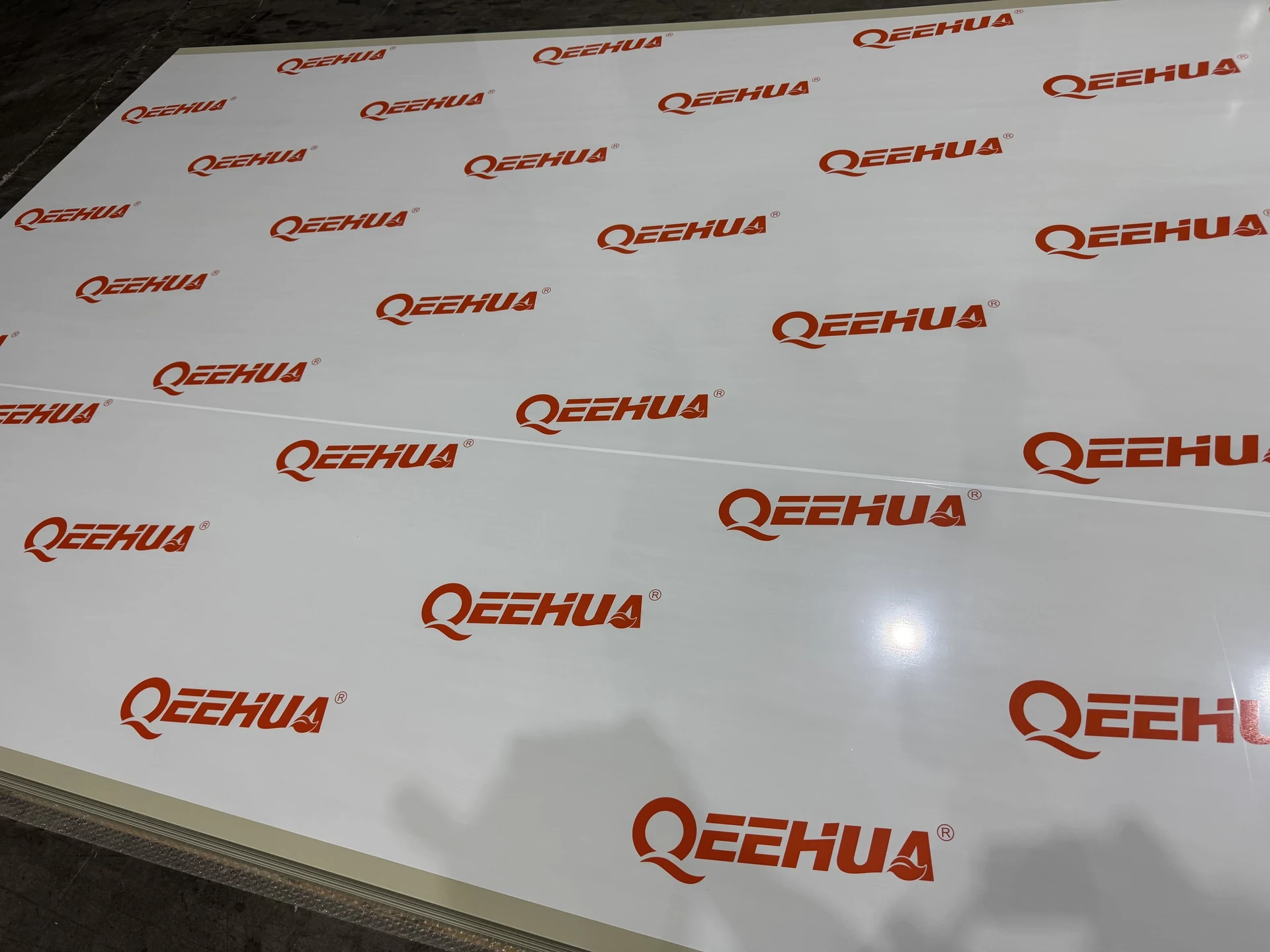
The QEEHUA PP sheet page is the product starting point for a material inquiry. An environmental engineering application page can help name the equipment context when the cut parts become a process panel or cover. For additional preparation, the guides to PP sheet cutting and finished panels and edge cutting requirements cover project details that sit outside the 4×8 conversion itself.
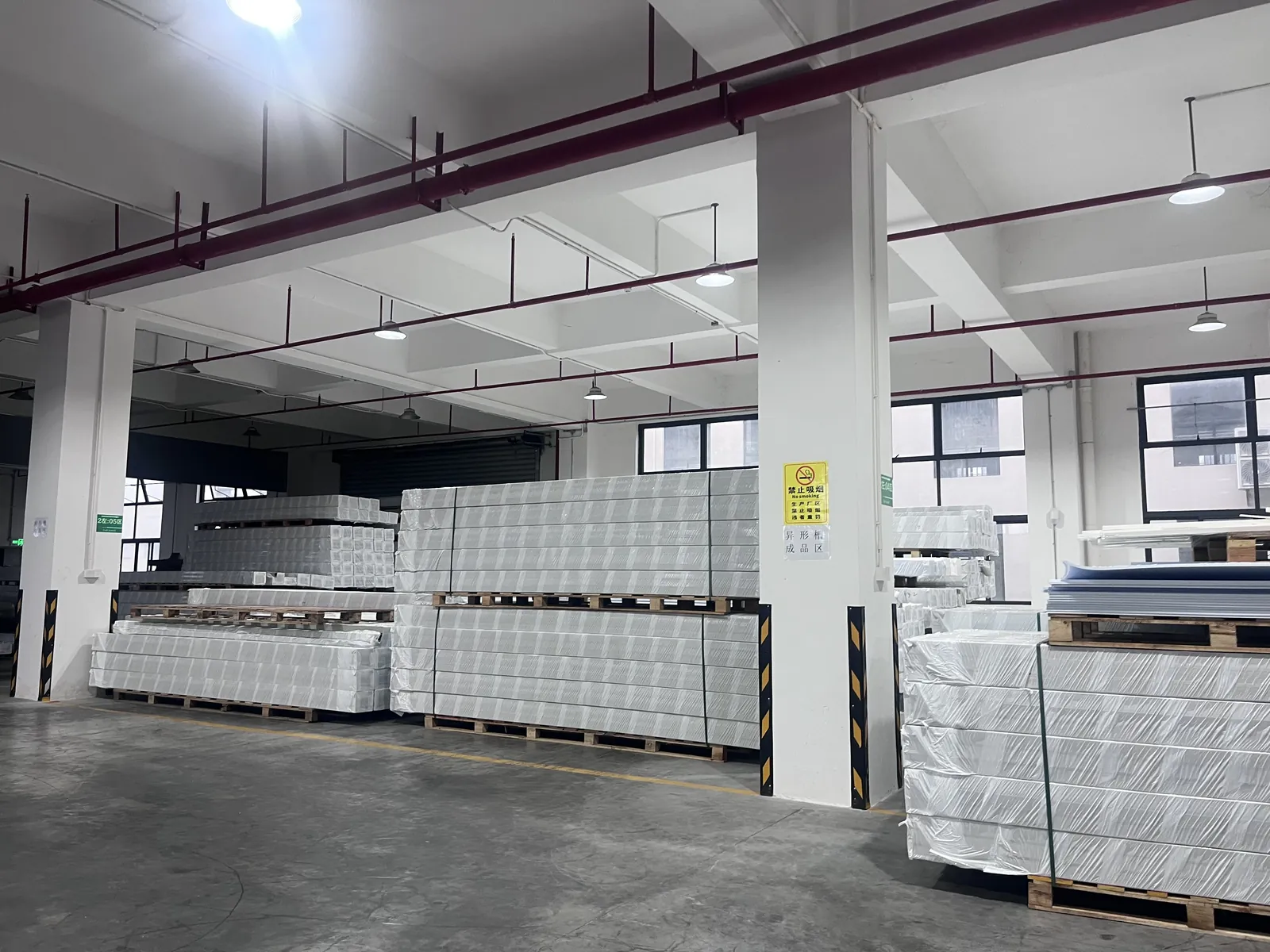
Use the QEEHUA contact page to send the drawing, cut list, order quantity, and requested delivery form. Ask for confirmation of the sheet dimensions before treating an area calculation as a purchase yield. If the sample is meant to check edge finish or fit, identify that feature so the sample can answer the intended question.
Frequently asked questions
How many millimetres are in a nominal 4×8 sheet?
Using 25.4 mm per inch exactly, 4 by 8 ft converts to 1,219.2 by 2,438.4 mm. The supplier’s actual sheet size and tolerance still need confirmation.
Does a 4×8 label guarantee that four parts will fit?
No. Part dimensions, trim, kerf, orientation, edge condition, and the delivered sheet size determine the usable count. Check the cut nest against the actual dimensions.
Is a 1,220 by 2,440 mm sheet exactly 4 by 8 ft?
No. Exact 4 by 8 ft converts to 1,219.2 by 2,438.4 mm. A 1,220 by 2,440 mm label is a rounded metric size, so confirm the dimensions that apply to the order.