A buyer comparing a PP homopolymer sheet with a PP-C option still needs the finished sheet grade, test method, and project conditions; the category names alone do not establish comparable performance. Begin with the component: is it a welded tank panel, a machined cover, a duct part, or a sample for qualification? Then ask each supplier for the actual sheet data sheet and the tests that address that part. A resin category is not a guarantee of impact behavior, temperature performance, or current stock. The QEEHUA polypropylene-board data sheet reports one tested sample, but it does not map those results to separate saleable PP-H or PP-C sheet grades. Confirm the order grade before specifying it.
PP homopolymer sheet terms
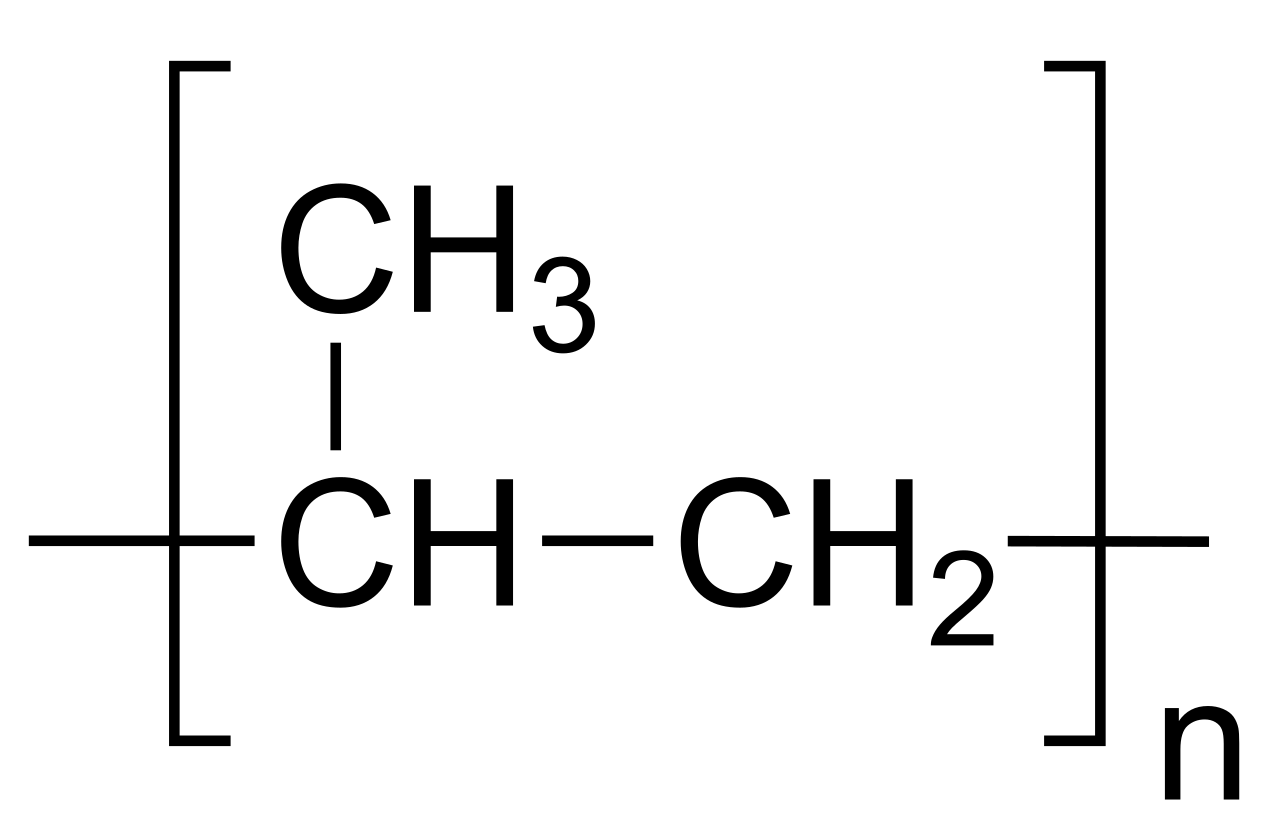
PP homopolymer sheet is often shortened to PP-H. PP-C is a common abbreviation for a polypropylene copolymer category. The labels describe polymer composition at a broad level; they do not specify the additives, color, sheet process, thickness, or batch that will arrive for a project. ASTM D4101-24 classifies polypropylene injection and extrusion materials by composition and measured properties, including homopolymer, copolymer, and modified formulations. Read the finished product designation, not only the two-letter label.
Resin designation
Ask what the supplier means by the category. A blend, modified formulation, or filled sheet may need more description than a simple PP-H or PP-C label. The QEEHUA June 2026 data sheet reports tested-board properties without publishing a catalog of separate saleable PP-H and PP-C sheet grades.
If a purchase specification says only “PP homopolymer,” the fabricator still needs to know what properties and dimensions control acceptance. Write the grade code and document revision on the drawing or material schedule before a sample is evaluated.
Properties buyers compare
The PP homopolymer sheet question should begin with the intended application. Select properties from that application, then compare results under equivalent test methods and specimen conditions. A tank panel may require chemical screening, temperature and support review, and a welded-detail inspection. A removable cover may instead be controlled by handling, impact, mounting, and dimensional stability. The category name does not decide which test matters.
The QEEHUA tested sample reports 30 MPa tensile strength under ASTM D638-22 and 59 J/m notched Izod impact strength under ASTM D256-24. Those are results for the documented sample, not a head-to-head test of two current QEEHUA grades. A supplier comparison needs two identified sheet products and the same property definitions. Do not place unmatched values in a “PP-H versus PP-C” table as though the test has already been run.
- Identify the property that controls the component and its acceptance method.
- Compare the grade code, specimen form, conditioning, thickness, method, and units for each result.
- Ask whether the tested specimen represents the purchased sheet and any welded detail.
Finished sheet identification
The finished sheet is the item purchasing receives. Its record should connect the resin designation to the manufacturer’s sheet grade, nominal dimensions, color, surface, and batch traceability. If the supplier sends a resin-pellet sheet instead of a finished-sheet data sheet, ask how the two are connected. A pellet result may describe input material, but it does not automatically measure the final extruded panel. The QEEHUA PP sheet range is the relevant product entry point, subject to grade confirmation.
Sheet grade and batch
Check the data-sheet revision and the proposed order identifier. A sample should carry a label or record that allows the buyer to confirm it represents the future order. If a producer changes formulation or source, the team needs to know whether the old test package still applies. The material submittal guide gives a useful format for keeping grades and project records together.
An unclear category label should become an explicit supplier question, not a forced interpretation in the specification. Ask for the commercial grade code, production route, documentation available for the requested thickness, and any limitations that matter to welding or service.
Joining and forming checks
A sheet selection is incomplete if the part will be welded, bent, or machined. The grade and process route can affect how the fabricator plans a representative trial. The buyer should ask which welding rod or joining material is intended for the actual sheet and who will approve the procedure. A coupon made from one grade cannot silently qualify a different grade.
For machining, provide the drawing, surface requirement, cut features, and inspection point. For forming, specify the part geometry and how the proposed sheet will be supported and checked after cooling. The PP sheet data-sheet reading guide explains why a material-property table cannot substitute for a fabrication plan. Avoid promising that every PP-C or PP-H sheet will behave alike in a particular process.
QEEHUA evidence boundary
The table below tells buyers what a category label can identify and what evidence must still be supplied. It does not list current QEEHUA stock. Current QEEHUA product documents do not identify separate saleable PP-H and PP-C sheet grades. The QEEHUA data sheet provides values for a tested board sample, but without a saleable grade code those values cannot be assigned to either category as a product specification.
| Item in an offer | What it identifies | Evidence to request | Decision it supports |
|---|---|---|---|
| PP-H or PP-C wording | Broad material category | Producer’s designation and product description | Whether the offer matches the requested polymer family |
| Finished sheet code | Proposed commercial product | Current sheet data sheet and available size | Whether the sample can be tied to an order |
| Property result | Tested specimen and method | Units, conditioning, thickness, and report | Whether two values are comparable for this project |
| Batch and sample record | Material offered for review | Traceability to order and drawing | Whether a trial represents the intended purchase |
The QEEHUA data-sheet numbers should be described as tested-sample results when they are quoted. Do not re-label its density, strength, impact, HDT, or Vicat entries as separate homopolymer or copolymer product guarantees.
Grade request checklist
An effective request ties each material name to a real component and a decision. The supplier can then identify whether the available sheet documents address the intended use or whether a project sample is needed. Requesting “the stronger PP” without naming a test, geometry, and service condition leaves the comparison open.
- Send the part drawing, revision, dimensions, color, intended process, and required quantity.
- State the relevant temperature, chemicals, loads, joining route, and required test methods.
- Ask for the exact grade code, current sheet data sheet, sample identity, and document limitations.
Use the environmental engineering application page to place the request in context. The QEEHUA contact page is the route for checking a specific grade and sample. The team must confirm actual supply before any order language names PP-H or PP-C as an available QEEHUA product.
FAQ and sources
Does PP-H always have a better service temperature than PP-C?
The category label alone cannot answer that project question. Compare named finished-sheet grades using relevant test methods, specimen conditions, and the actual load and duration.
Does a PP-C label prove a specific impact result?
No. Ask for the impact method, specimen preparation, condition, units, and result for the actual sheet grade rather than inferring a number from the category name.
Does QEEHUA currently sell separate PP-H and PP-C sheet grades?
Current QEEHUA product documents do not identify a separate-grade list. Send the requested grade and application to QEEHUA for confirmation before specifying supply.
Source for the category and designation discussion: ASTM D4101-24, Polypropylene Injection and Extrusion Materials. QEEHUA sample statements come from its June 15, 2026 polypropylene-board data sheet and do not create an additional sales-grade claim.