
An HOPP COPP RCPP sheet grade comparison should tie each resin-family choice to the actual sheet specification, fabrication route, and service condition—not treat the labels as interchangeable. Before a custom order, verify the supplier’s exact grade designation, data sheet, thickness, surface, color, processing method, and chemical or temperature duty. The right comparison ends with a documented material decision and a sample or trial plan when the part is formed or welded.
Compare the grade family to the job, not to a name on the quote
HOPP, COPP, and RCPP are useful starting labels, but they do not replace a technical data sheet. Supplier naming can vary, especially for the abbreviation COPP, so a custom order should record the full resin or product designation and the evidence supplied with it. The Primex polypropylene overview lists HOPP, COPP, and RCPP as available sheet choices while also separating features, finishing, gauges, widths, textures, and applications. Those fields belong in the order review rather than being reduced to one grade acronym.
For general polymer context, INEOS describes homopolymer, random-copolymer, and impact-copolymer families as having different chain structures and property balances. Its overview explains that impact copolymers are designed for higher toughness, particularly at lower temperatures, while homopolymers support several sheet and thermoforming processes. These are industry-level descriptions, not a guarantee for a particular QEEHUA sheet; the selected grade still needs project confirmation.
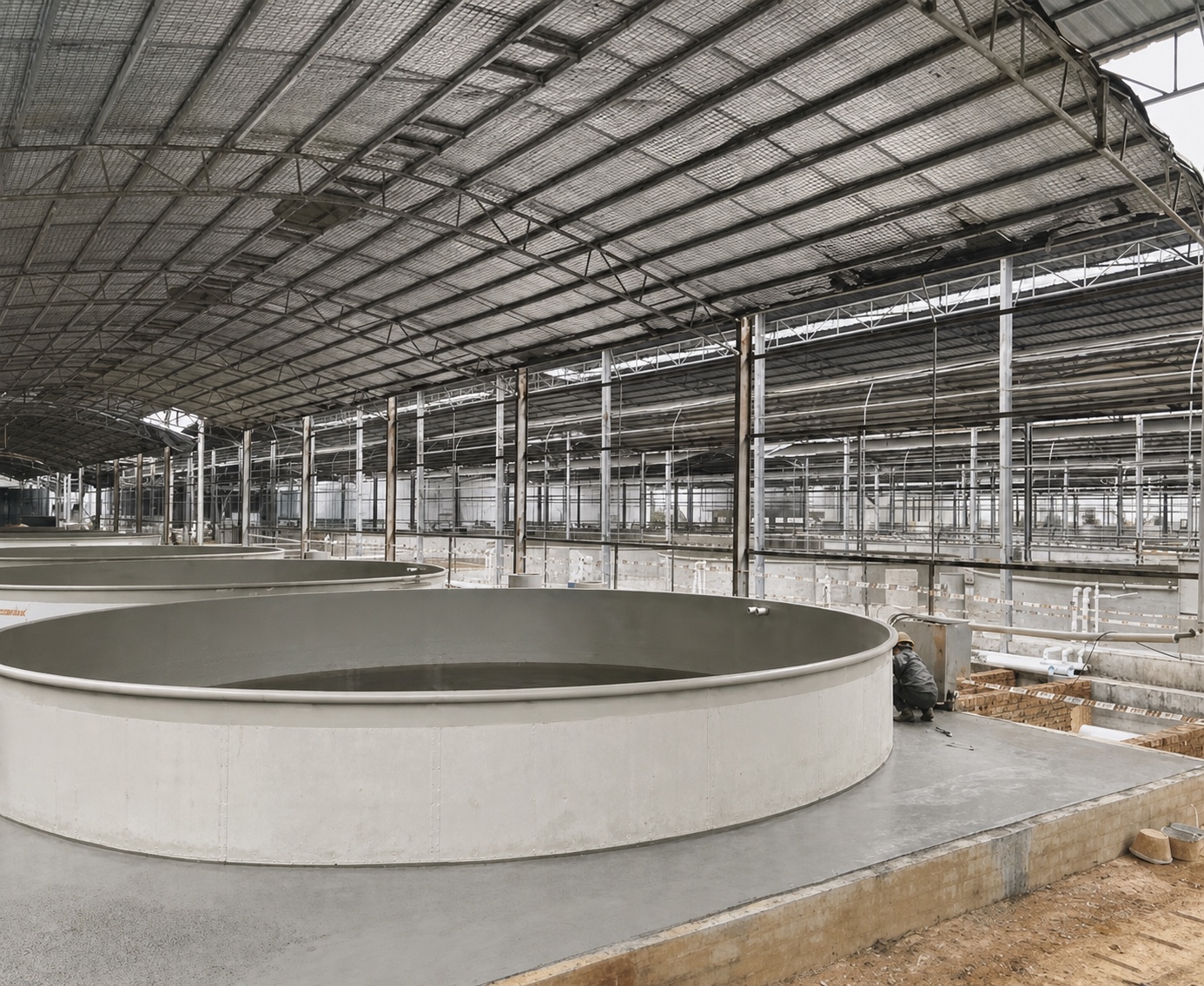
Build an HOPP COPP RCPP sheet grade comparison around the process
The first comparison should ask what the finished part must do. “Stronger” is not a complete requirement: a tank liner, a welded duct panel, a thermoformed cover, and a packaging insert may need different balances of stiffness, impact response, appearance, weld behavior, and dimensional stability. The following matrix is a screening tool only; values and acceptance limits must come from the exact grade documentation.
| Grade label to verify | Typical selection question | Custom-order evidence to request | Do not assume |
|---|---|---|---|
| HOPP / homopolymer PP | Is stiffness, surface appearance, or a familiar extrusion and forming route the main driver? | Full designation, stiffness and impact data, sheet-extrusion guidance, thickness tolerance, and fabrication notes | That every HOPP sheet has the same impact margin, weld response, or chemical-service limit |
| COPP / copolymer or impact-copolymer label | Does the part need more toughness or impact tolerance, including a colder handling or service condition? | Exact copolymer type, temperature-conditioned impact data, flexural or stiffness data, and forming or welding guidance | That “COPP” has one universal meaning across all suppliers |
| RCPP / random copolymer PP | Are appearance, clarity, or a particular processing and application balance important? | Exact random-copolymer grade, optical or surface requirement if relevant, chemical-service review, and process compatibility | That appearance or clarity alone proves suitability for a chemical tank or structural panel |
For a fabricated PP equipment order, add the actual medium, concentration, temperature, exposure time, stress state, support condition, and inspection requirement. General polypropylene chemical resistance does not automatically approve every chemical service, and a resin-family name cannot replace a compatibility review.
Translate the grade comparison into a complete custom-order specification
A grade decision becomes actionable when the RFQ describes the finished sheet and its route through fabrication. Use the PP sheet data-sheet and fabrication review guide as a companion checklist, then include the following fields in the order package:
- Material identity: HOPP, COPP, or RCPP label; full commercial or resin designation; virgin, recycled, or blended content if applicable; and the required lot or certificate traceability.
- Dimensions: nominal and minimum thickness, length, width, flatness or warpage expectation, cut-size tolerance, and whether the sheet will be supplied as a panel or roll.
- Surface and appearance: smooth, matte, textured, color, protective film, one-sided or two-sided finish, and the defect criteria that would trigger hold or replacement.
- Processing route: CNC cutting, drilling, hot bending, thermoforming, welding, routing, or a combination. Note the bend line, weld preparation, holes, slots, and mating parts.
- Service conditions: chemical medium, concentration, temperature range, outdoor exposure, cleaning agents, impact or handling risk, and whether the part is load-bearing, liquid-retaining, or only a cover or guard.
- Documents and acceptance: data sheet, SDS when required, lot identification, incoming inspection record, dimensional report, sample approval, and any project-specific weld, leak, or fit-up evidence.
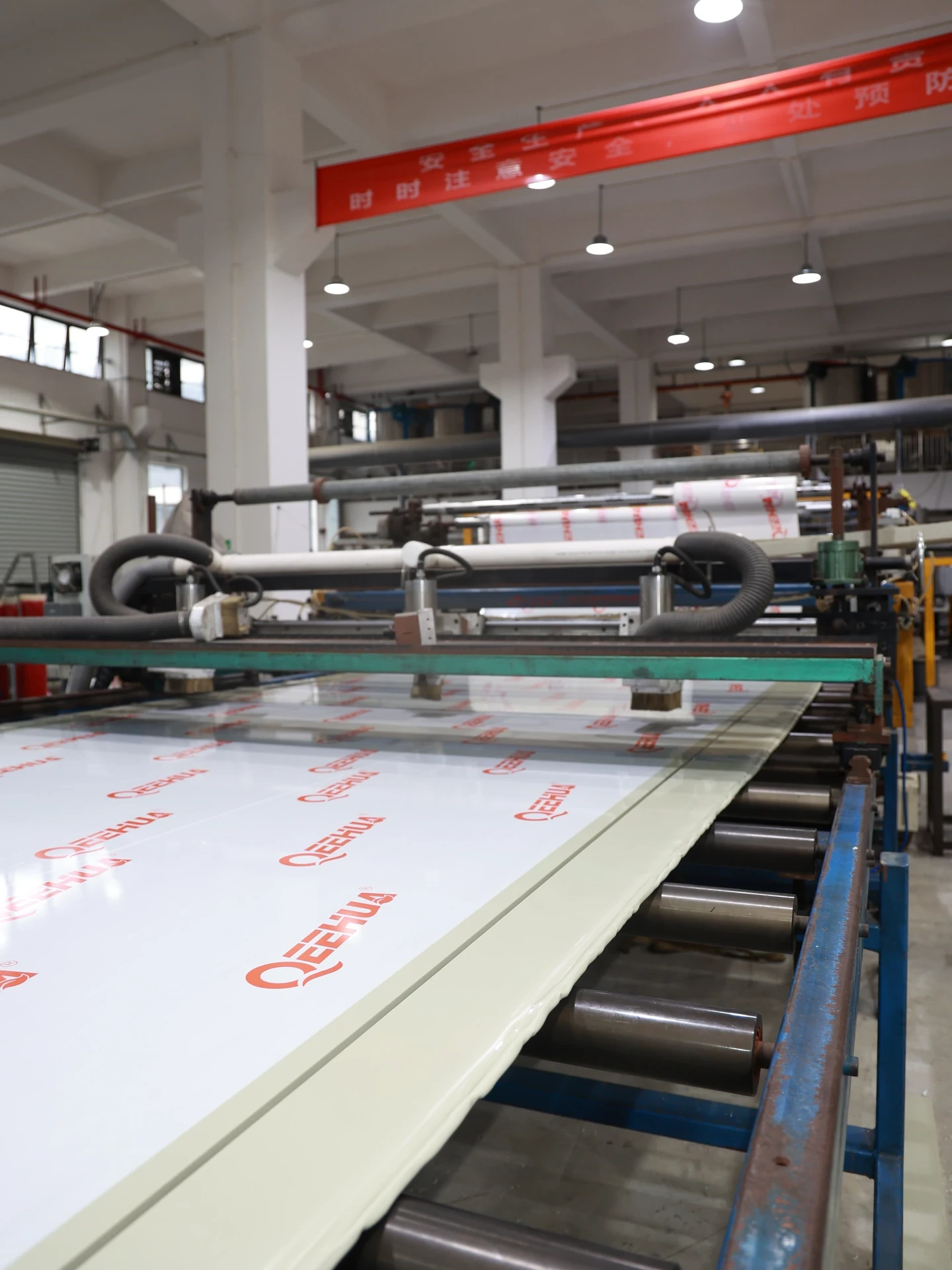
Check fabrication behavior before approving a grade substitution
A supplier may offer an alternative grade with a similar headline property, but the substitution can change heating response, springback, cut-edge quality, weld preparation, or final fit. Ask whether the alternative was evaluated in the same thickness and geometry. For local bends or formed details, record the material identity, heating arrangement, support, cooling method, and inspection result in a trial record before releasing production.
QEEHUA’s internal PP-use guidance follows an inspect-first, process-second approach: confirm grade, thickness, flatness, edges, scratches, cuts, bubbles, and protective-film condition before cutting, bending, or welding. If the sheet is cold, visibly damaged, or stored with point loading, resolve that condition before using the sample to compare grades. The PP sheet surface-defect guide explains the stop-work boundary for cracks, deep scratches, and impact damage.
For a tank or duct, the comparison should also include the joining route. A grade that looks acceptable as a flat panel may still require a welding trial, compatible welding rod, controlled cooling, and project-specific inspection. Do not let a grade comparison become an implied approval of a finished vessel, duct system, or chemical service.
Make the final choice with a documented go or hold decision
Approve a HOPP, COPP, or RCPP sheet only for the stated application, process, and drawing revision. A good order review records the selected grade, rejected alternatives and reasons, required documents, sample or coupon decision, and the person responsible for technical approval. If the service condition, thickness, texture, color, or fabrication route changes, reopen the comparison rather than carrying the old decision forward automatically.
The PP sheet selection and fabrication hub provides the broader material-to-application context. For a project review, QEEHUA needs the drawing, grade or data-sheet information, dimensions, surface requirement, processing route, chemical or environmental duty, and acceptance evidence requested by the customer.
Related QEEHUA process video: a tensile-strength verification video is useful as a reminder that material comparison should be supported by documented test evidence. It does not establish a universal HOPP, COPP, or RCPP specification and is not a substitute for the selected grade’s data sheet.
Video reference: PP Sheet Tensile Strength Test | QEEHUA Lab Quality Verification. It provides general testing context only; the approved grade and project acceptance criteria must come from the actual order documentation.
Frequently asked questions
Are HOPP, COPP, and RCPP interchangeable sheet materials?
No. They are grade-family labels with different property balances, and supplier abbreviations may not use identical definitions. Confirm the full designation and data sheet before approving a substitution.
Which grade is best for a chemical tank?
There is no universal best grade based on the acronym alone. Review the chemical medium, concentration, temperature, stress state, thickness, support, welding route, and project acceptance requirements for the exact sheet.
Should a custom order specify only the PP grade?
No. Specify grade, thickness, width and length, flatness, surface or texture, color, protective film, cut tolerances, processing route, service conditions, documents, and inspection or sample requirements.
When is a grade-substitution trial required?
Use a documented sample or trial when the substitute changes the grade family, thickness, bend geometry, welding route, surface requirement, service condition, or any acceptance-critical feature.
Send the drawing revision, proposed HOPP/COPP/RCPP designation, thickness and dimensions, surface requirement, fabrication route, service medium, temperature, and acceptance documents. Contact QEEHUA for a project-specific review.