For industrial projects, PP sheet should be selected as part of a system decision: define chemical and temperature exposure, mechanical loading, fabrication method, dimensional requirements, and documentation before choosing a grade or thickness. This guide shows how to turn those requirements into a practical specification and link them to the right application.
Short answer: PP sheet can be a useful material for fabricated industrial equipment when the actual service conditions, component design, joining method, and project documentation are evaluated together. A material name alone does not approve a tank, duct, cabinet, liner, or finished assembly.
What is PP sheet used for in industrial projects?
Polypropylene sheet, often called PP sheet, is a thermoplastic sheet material used as a starting material for fabricated parts and equipment. Its suitability is decided by the finished duty, not by the sheet alone. Typical decisions include whether the component will contain a process fluid, form a guard or cabinet, become part of a duct, or require machining and welded joints.
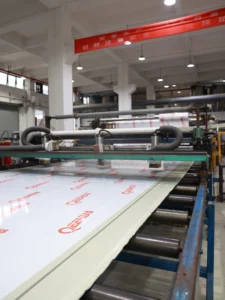
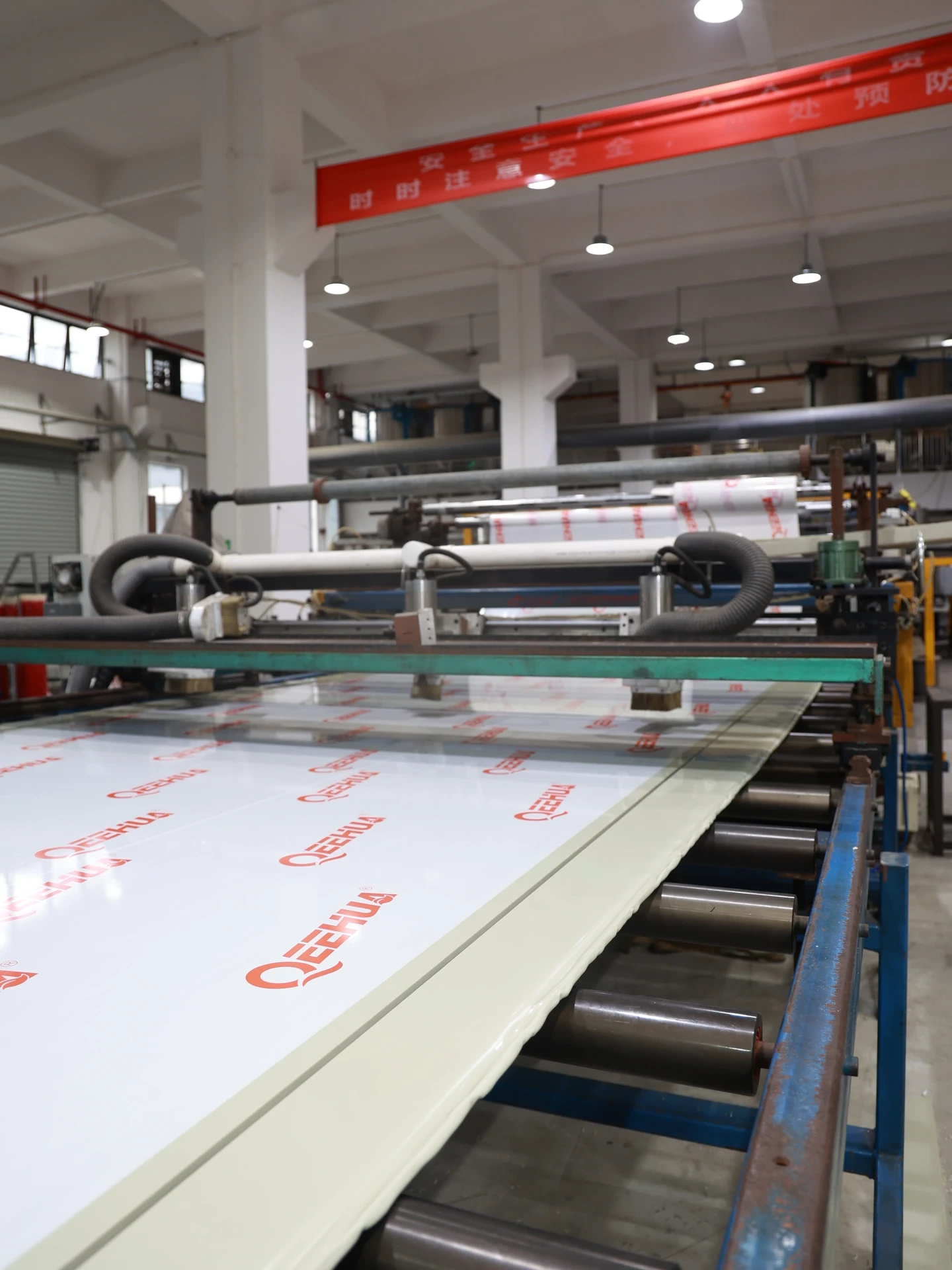
For a product-level overview and an enquiry route, see QEEHUA’s industrial PP sheets page. This guide is the content hub for the selection and application questions that sit around that product decision.
Start with the duty, not the material name
The first selection question is not “Is PP sheet good?” It is “What must this specific fabricated component do?” Record the medium, concentration where applicable, operating and cleaning temperatures, pressure or vacuum condition, exposure duration, mechanical loads, support layout, dimensional tolerances, joining method, and any customer or regulatory documentation requirement.
That approach keeps broad material discussions separate from equipment approval. For example, a fabricated chemical tank needs a different review from a removable splash guard for a dosing skid, a fume-hood panel, a bunded-container versus drum-pallet containment choice, or a warehouse divider. Each component has its own combination of chemical, structural, fabrication, and inspection questions.
How to select PP sheet for a project
1. Define the service environment
Describe the real operating environment before requesting a quotation. Include the fluid or atmosphere, concentration, temperature range, contact time, cycling, cleaning method, and any UV, static-control, food-contact, or fire-performance requirement. If a requirement is safety-critical or regulated, confirm it against project-specific documentation rather than relying on a generic material statement.
2. Translate the component into fabrication requirements
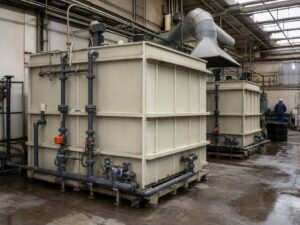
Specify the finished part as well as the starting sheet: drawing dimensions, thickness target, cut features, bends or formed details, weld locations, interfaces, supports, inspection points, packing, and acceptance documentation. Where a chemical tank is being fabricated, a controlled shop-drawing review should turn those items into one released package. For a panel edge, identify whether PP U-shaped channel reinforcement is part of the approved detail before the cut list is released. The relevant selection path changes when the result is a panel, tank, duct, cabinet, liner, or machined component.
For a practical review of project data, use the PP sheet data-sheet guide. For finished parts with cut features, settle the cut list, edge conditions, tolerances, and inspection points before production.
3. Keep material, process, and documentation aligned
Use the same documented duty when reviewing a material declaration, a fabrication drawing, and the supplier’s quotation. ASTM identifies D4101 as a polypropylene injection and extrusion material classification; a standard or data sheet is a specification input, not a stand-alone approval of a finished part.
Likewise, a supplier quality-system reference should be read in its correct scope. ISO explains that ISO 9001 defines quality-management-system requirements; it does not by itself prove that a particular sheet or fabricated component meets a project’s service duty.
Use the right specialist guide when the decision becomes specific
This hub is the starting point, not a substitute for a narrow technical review. Move to the relevant cluster article when the project question becomes a specific material document, thickness decision, cut feature, weld, or application. The table below shows how the cluster is organised.
| Project decision | What to define first | Next guide |
|---|---|---|
| Material document review | Test context, finished-part duty, drawing, joints, and approval boundary | Read a PP sheet data sheet for fabrication projects |
| Thickness and part geometry | Loads, supports, span, service conditions, and fabrication method | Review PP sheet thickness for fabricated equipment |
| Cut parts and panels | Cut list, edges, features, tolerances, and inspection points | Specify PP sheet cutting and finished panels |
| Welded equipment | Joint design, preparation, process, inspection, and equipment duty | Prepare PP welding joints for fabricated equipment |
Fabrication: where a correct sheet selection can still fail
Material selection and fabrication review belong together. Confirm how the sheet will be cut, machined, formed, welded, supported, and inspected. A project can have an appropriate material family yet still need a different design, joint preparation, or inspection plan before release.
Where welded construction is involved, specify the joint design, preparation, welding process, inspection expectations, and interfaces before the work starts. The required approach should be tied to the finished equipment and its acceptance criteria. Where a tank job uses PP welding consumables, the material plan should also include batch-consistency controls for the allocated welding rod before the first weld. For a shipment-stage quality question, see how PP welding joints can be checked before a chemical tank ships.
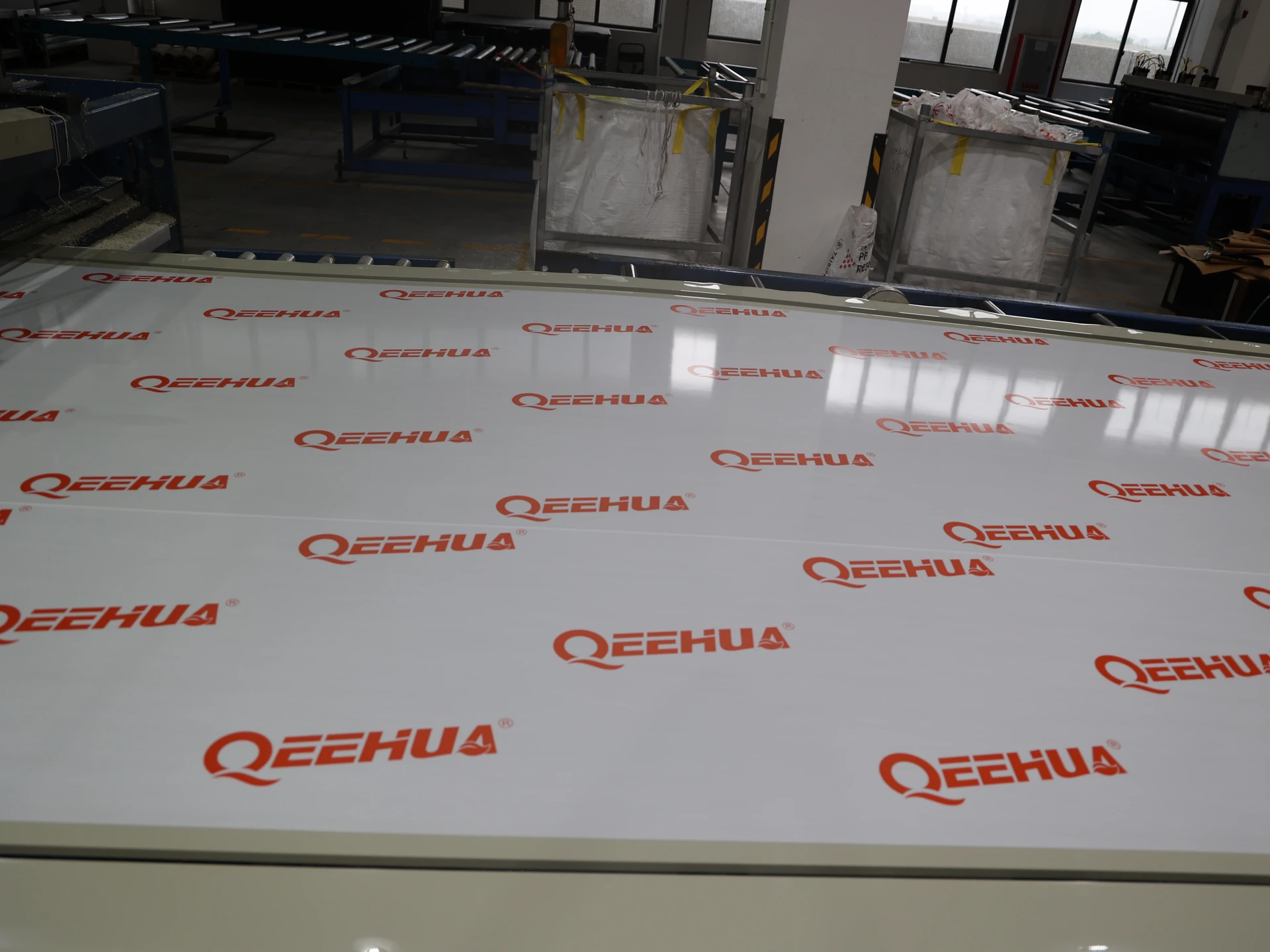
For a visual reference to one stage of the production route, the following QEEHUA video shows finished PP sheet products after cutting. It illustrates a process context only; it does not replace project-specific design, material, or inspection confirmation.
Video reference: PP Sheet Manufacturing: Automatic Feeding System with Pipes and Hopper | QEEHUA. It provides general manufacturing context before extrusion; it does not replace project-specific material, fabrication, or application review.
Common PP sheet application paths
A useful Pillar Page gives the overview, then points readers to a narrower decision guide. The following application routes are distinct: they should not be collapsed into one generic “PP sheet applications” claim. Each linked guide owns its own application intent and should link back to this hub when updated.
- Chemical tanks and process equipment: begin with the process medium, operating duty, support design, joints, drainage, and approval requirements. See how to choose PP sheet for chemical tanks and process equipment.
- Wastewater treatment equipment: review the medium, temperature, equipment geometry, fabrication route, and maintenance access together. See selecting PP sheet for wastewater treatment equipment.
- Semiconductor wet-process equipment: selection should be tied to process chemistry, cleanliness controls, equipment geometry, joining, and project qualification, including a controlled PP semicon screen specification when the equipment needs an open-area component. See PP sheet selection for semiconductor wet-process equipment.
- Food-processing equipment: confirm the intended food-contact conditions, cleaning regime, additives, fabrication route, and applicable documentation. See food-grade PP sheet for food-processing equipment.
- Electroplating equipment: evaluate the actual chemical duty, temperature, support arrangement, welds, and interfaces. See how to select PP sheet for electroplating tanks.
- Wet scrubbers and chemical exhaust systems: assess the process atmosphere, condensate or liquid contact, joints, access, and the finished equipment design; a fabricated duct section also needs a defined leak-test plan before handover. See PP sheet checks for wet scrubbers and PP sheet selection for chemical exhaust ductwork.
- Laboratory and cleanroom equipment: set the process, cleanliness, access, construction, and qualification requirements before reviewing the material route. See PP sheet for laboratory fume hoods.
- Aquaculture tanks and water-contact equipment: define the water conditions, operating environment, component geometry, cleaning method, and fabrication scope. See PP sheet for aquaculture tanks and water-contact equipment.
What to include in a PP sheet RFQ
A useful RFQ lets a supplier respond to the same project that the buyer intends to build. Include the material request, sheet dimensions and tolerances, colour or surface requirement where relevant, finished-component drawing, service conditions, fabrication scope, inspection needs, documentation request, packing requirement, delivery point, and commercial assumptions.
For a more detailed procurement workflow, compare each supplier response against the same documented duty, drawing, inspection, and delivery requirements. If the project involves a fabricated tank, add the tank-specific process, geometry, connection, and release information to that review. A removable opening should have its own PP tank-cover specification so access and support details are not left to a generic material note. Use the PP tank RFQ checklist for the tank-specific information set, and use the industrial PP sheet supplier comparison guide to compare like-for-like responses.
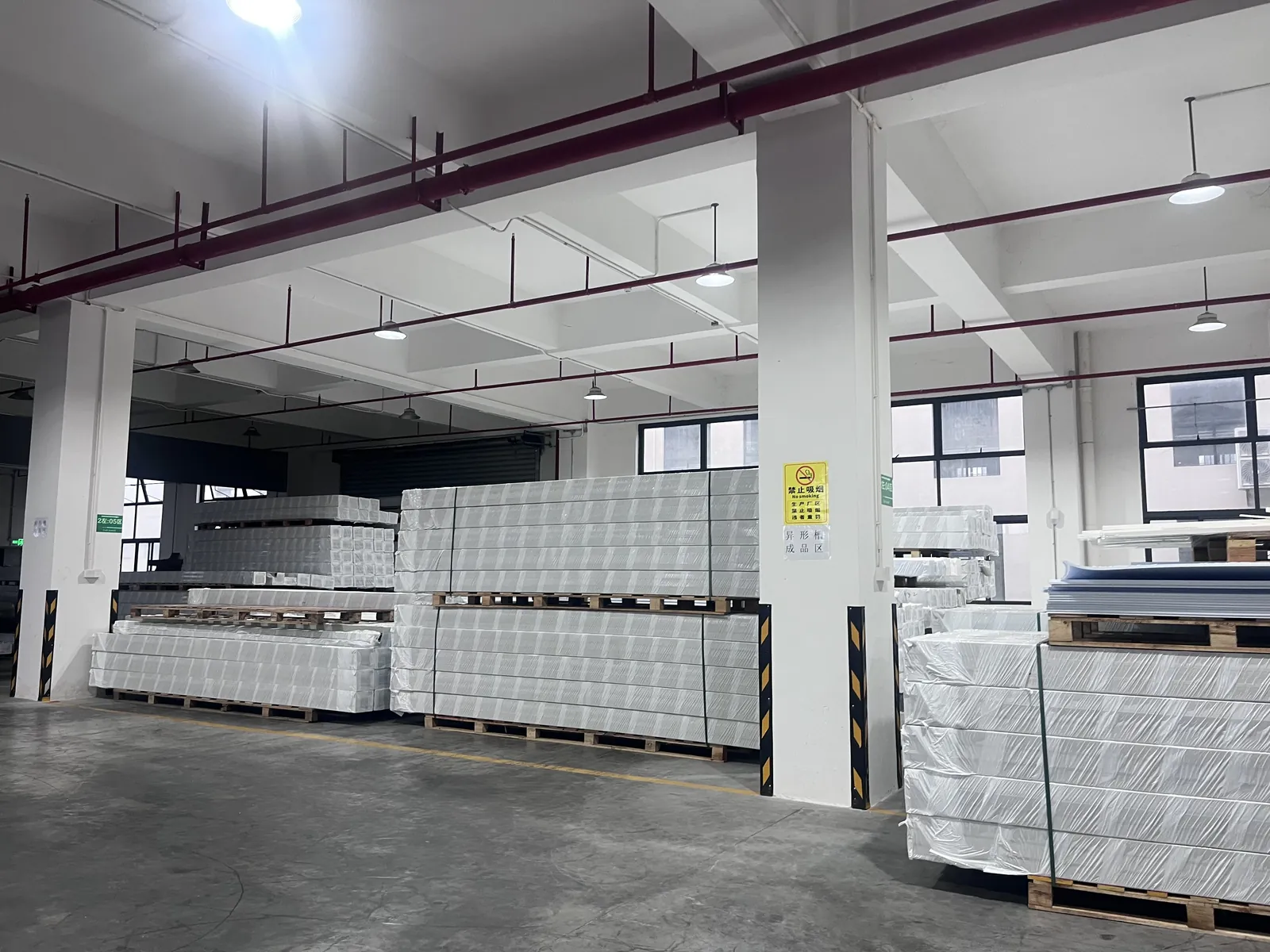
Before release, align the approved drawing, material documentation, inspection plan, and packing requirements. This avoids treating project review as a last-minute logistics step.
How this PP sheet topic cluster will grow
This page is the canonical Pillar Page for the PP Sheet cluster. New content should deepen one documented decision rather than repeat this broad selection overview. Typical additions are a verified application guide, a material-document question, a fabrication-control question, or a procurement problem that has its own search intent.
Examples already covered elsewhere in the cluster include PP sheet storage and handling before fabrication, requesting PP sheet samples for EPC or OEM projects, and reading weathering data for outdoor PP sheet equipment. These articles should retain their specific purpose and use this hub as their parent topic.
Frequently asked questions
When should a project consider an alternative to PP sheet?
Consider an alternative only when verified project data shows that the intended temperature, chemical duty, pressure or vacuum condition, mechanical load, fire or smoke requirement, cleanliness requirement, or regulation is outside the approved PP design route. Compare complete material-and-design options rather than rejecting or approving a material name in isolation.
Does outdoor exposure change the PP sheet specification?
Yes. Record the actual outdoor exposure, expected service period, colour requirement, installation details, surface condition expectations, and inspection plan. If UV performance is required, ask for project-specific material documentation and confirm that the finished component design and installation are included in the review.
Can PP sheet be used where static control is required?
It may require a specific static-control material route and a wider equipment-level review. Define the process sensitivity, cleanliness expectations, required electrical behaviour, grounding or bonding approach, and verification method before selecting a sheet. Do not assume that an ordinary PP sheet fulfils a static-control requirement.
Do colour and surface-finish requirements belong in an RFQ?
Yes, when they affect visual inspection, cleaning, light exposure, downstream fabrication, equipment appearance, or acceptance. State the colour, finish, protective-film expectation, visible-face requirement, and any sample-approval condition in the RFQ so the supplied sheet can be checked against the same criteria.
When is a PP sheet sample or trial fabrication useful?
Use a sample or trial when surface appearance, colour, machining, forming, joining, fit-up, cleanliness, or a customer approval step is material to the decision. A sample should be evaluated against documented acceptance criteria; it does not replace confirmation of the final component’s service duty.
How should PP sheet be stored before fabrication?
Keep the sheet identified, protected from avoidable surface damage, and handled according to the supplier’s and project’s storage instructions. Preserve the material documentation and relate it to the project batch or cut list so fabrication and inspection teams can work from the same approved information.
Plan your PP sheet project with the complete context
Send QEEHUA the operating duty and the finished-component requirements, not only a material name. A clear project brief makes it easier to review the product route, fabrication scope, documentation, and appropriate related guide before quotation or production planning.